















Poland's Ambassador to India, Piotr Antoni Świtalski, has expressed strong appreciation for India's resolute stance against terrorism while highlighting Warsaw's firm historical support for New Delhi during the 1971 Bangladesh Liberation War. During the critical crisis that reshaped South Asia, Poland extended crucial diplomatic backing and supplied essential military hardware utilized by Indian defense forces on the Eastern front. This partnership underscored a significant chapter in bilateral ties that combined battlefield assistance with diplomatic maneuvering on international platforms.
The 1971 Crisis and Refugee Influx into India
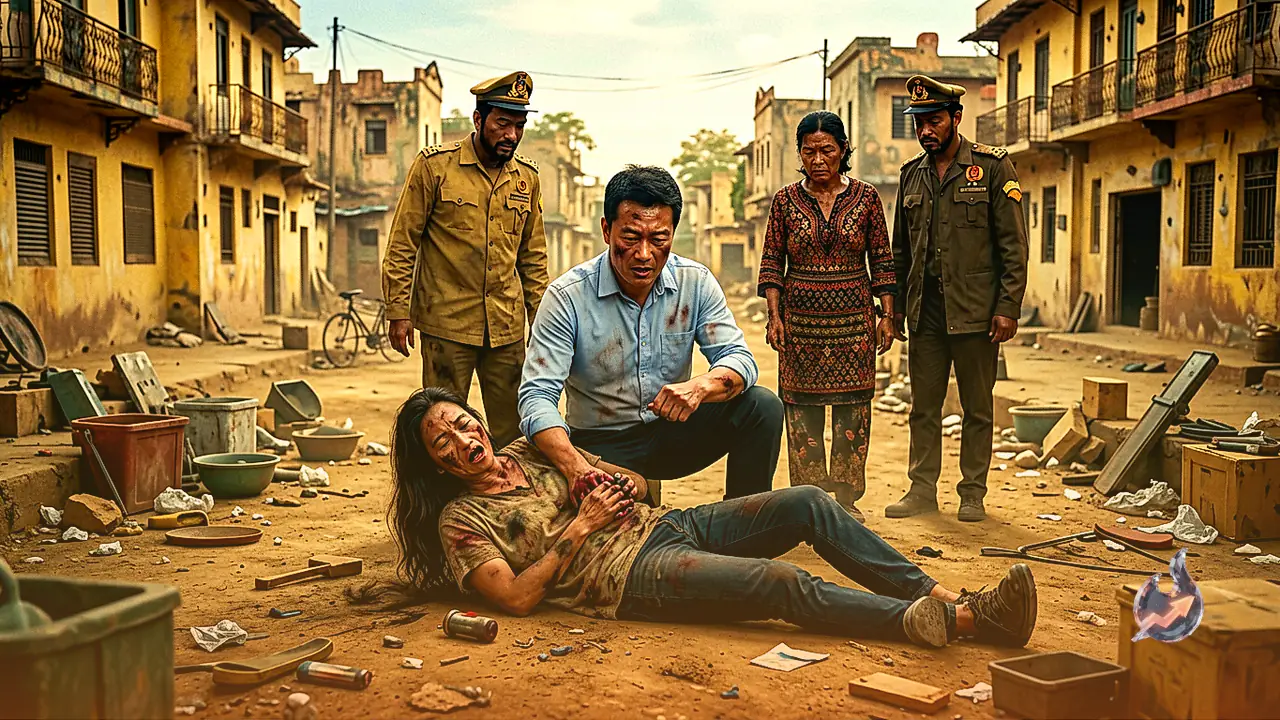
The conflict in East Pakistan erupted on March 25, 1971, following a violent crackdown launched by the Pakistani military against the civilian population. The escalating violence generated an unprecedented humanitarian catastrophe, driving approximately 10 million (1 crore) refugees across the border into India. Facing an immense economic and social strain, India directly joined the war in December 1971, coordinating strategic military actions alongside the local Mukti Bahini fighters. The intense campaign culminated on December 16, 1971, when Pakistani troops surrendered in Dhaka, paving the way for the creation of Bangladesh. Throughout the escalating humanitarian emergency, Poland consistently framed the situation as a legitimate political crisis requiring a solution aligned with the democratic aspirations of the people in East Pakistan, rather than treating it merely as a bilateral military conflict between India and Pakistan.
Poland's Diplomatic Resolution at the United Nations
In December 1971, Poland took a major diplomatic step by introducing a draft resolution at the United Nations Security Council (UNSC). The proposed resolution advocated for an immediate cease-fire, the withdrawal of Pakistani forces, and the prompt transfer of governing power to the democratically elected representatives of East Pakistan. This move directly acknowledged the mandate of the 1970 Pakistani general elections, in which the Awami League, led by Sheikh Mujibur Rahman, had secured an absolute majority. Although the draft resolution failed to pass the Security Council, it established a clear framework linking the cessation of hostilities to the democratic outcome of the elections and the departure of military troops, reflecting Warsaw's commitment to a political resolution.
Deployment of Polish Military Equipment on the Battlefield
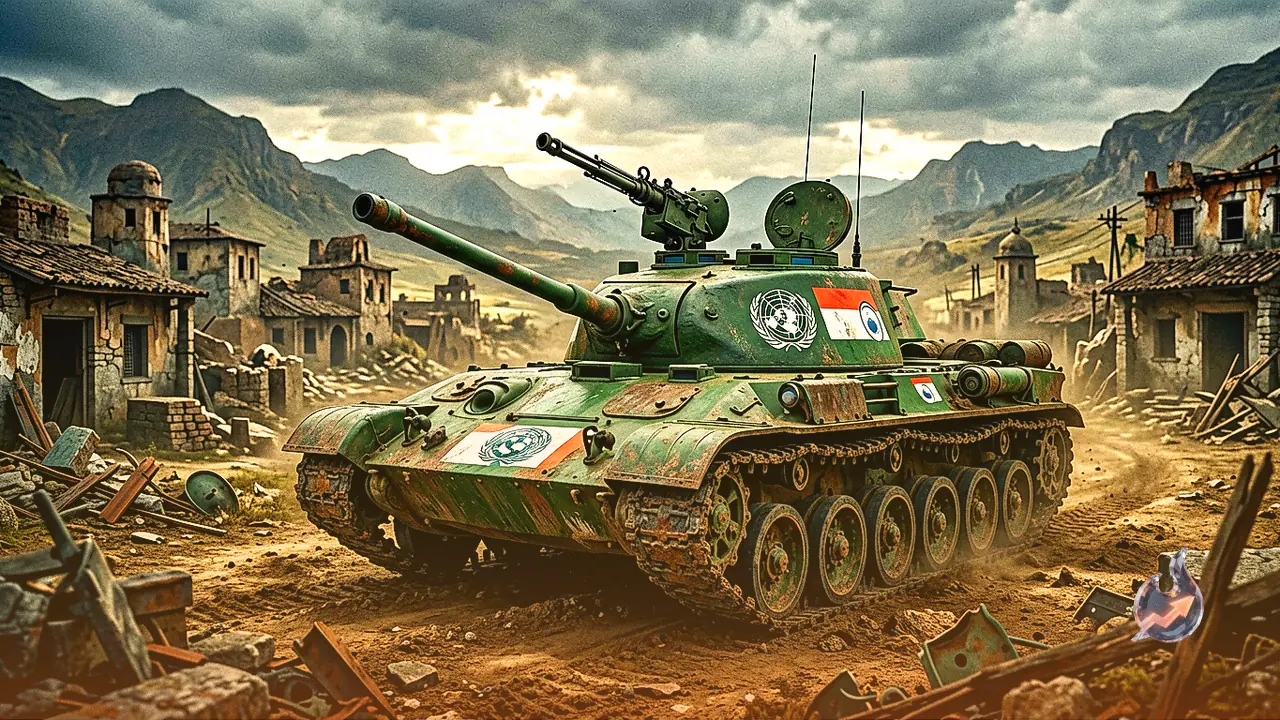
On the ground, Poland's defense cooperation proved crucial to military operations in the Eastern theater. The Indian Armed Forces deployed Polish-manufactured equipment, most notably the PT-76 amphibious tanks, to navigate the challenging geography of East Pakistan. Commenting on the military cooperation, Ambassador Piotr Antoni Świtalski remarked, "Indian forces used Polish tanks to liberate Bangladesh." The specialized design of the PT-76 tanks allowed Indian troops to cross riverine obstacles and marshy terrain effectively during their advance. Because defense trade between New Delhi and Warsaw had already been established prior to the outbreak of hostilties, Polish military hardware was fully integrated into India's defense arsenal by 1971.
Immediate Recognition and Cold War Geopolitics
Following the surrender of Pakistani forces, Poland acted swiftly by formally recognizing Bangladesh as an independent nation on January 12, 1972, less than a month after the end of hostilities. This decision placed Poland among the earliest countries to extend diplomatic recognition to Bangladesh, enabling the establishment of official bilateral relations between Warsaw and Dhaka. Warsaw's diplomatic stance was heavily aligned with Cold War dynamics of the era. As a key member of the Soviet-led Eastern Bloc, Poland maintained close political alignment with Moscow. Concurrently, India had strengthened its strategic position through the 1971 Indo-Soviet Treaty of Peace, Friendship and Cooperation. As a result, Poland's multifaceted support through armor supplies, UNSC initiatives, and prompt recognition formed an integral part of the international network that assisted India during the historic crisis.