
























Global financial markets opened the week under significant pressure as the US Dollar hovered near multi-month highs, driving weakness across major foreign exchange pairs, commodities, and digital assets. The Euro is facing continued downward momentum against the greenback, with market technicals suggesting that the currency could retest key support levels in the near term. Hawkish expectations surrounding Federal Reserve monetary policy, alongside escalating geopolitical friction, continue to bolster demand for safe-haven US assets.
EUR/USD Technical Outlook and Support Levels
Following a sharp drop late last week, conditions for EUR/USD reached deeply oversold territory. Although the pace of the decline has shown faint signs of slowing down, the spot rate touched a low of 1.1019. Technical analysis indicates that as long as the Euro trades below the minor resistance level of 1.1060 (with immediate cap around 1.1045), there remains a distinct possibility of testing the critical 1.1000 support level before any sustained stabilization occurs. A extended break below 1.1000 is currently viewed as less probable in the immediate session.
Looking at the multi-week horizon, short-term risks remain tilted to the downside. Analysts note that should 1.1000 fail to hold, the next downside level to monitor is 1.0975. Conversely, a clear breach above 1.1100 (shifting from the previous strong resistance zone of 1.1120) would signal that the corrective move originating from last week's highs has run its course.
Asian Currencies Stumble on Disappointing China Data
The Australian Dollar (AUD/USD) traded on a defensive footing below 0.6800, consolidating near its lowest levels since January. Sentiment around the Aussie was dampened by fresh economic figures out of China, where October Retail Sales and Industrial Production missed market expectations. Given Australia's heavy economic exposure to Chinese demand, the disappointing indicators, combined with broader US Dollar strength and Middle East geopolitical tensions, kept AUD under pressure.
Meanwhile, USD/JPY drifted downward toward the 159.50 region despite government reports revealing that Japan's economy unexpectedly contracted by 0.1% in the third quarter. The Japanese Yen managed to gain minor traction due to persistent market fears of currency intervention by Japanese authorities. However, the US Dollar's firm stance near 19-month highs continues to limit significant downside for the currency pair.
Gold and Bitcoin Struggle Against Strong Greenback
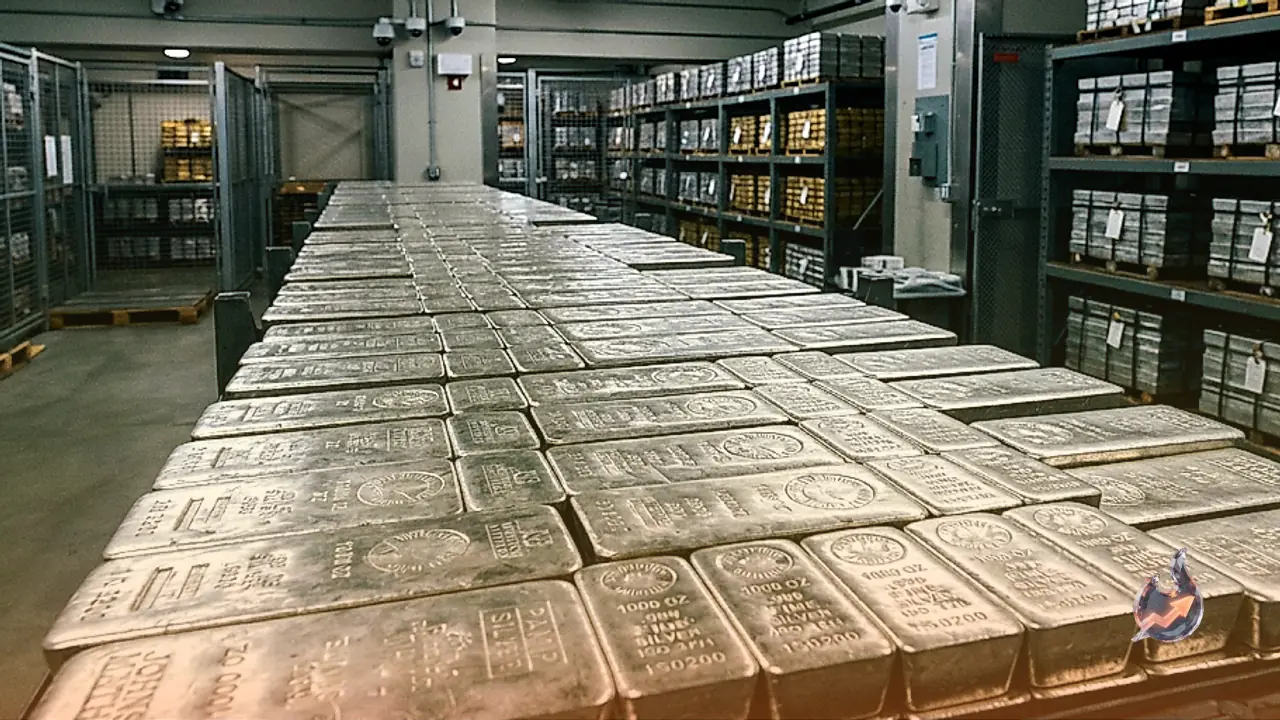
In precious metals, gold entered a period of bearish consolidation early Monday, targeting levels near its October 2025 lows around $3,820 per ounce. Persistent strength in the US Dollar, combined with hawkish remarks from Federal Reserve officials and geopolitical developments involving Iran, has restricted buying appetite. Technical charts currently favor a sell-on-rally approach among short-term traders.
In the cryptocurrency sphere, Bitcoin remained pinned below $65,200 after plummeting to a low of $62,006 last week, a level not recorded since mid-July. Persistent institutional liquidation continues to weigh heavily on sentiment, with spot Bitcoin ETFs reporting a second consecutive week of capital outflows exceeding $1 billion.
Underlying Cracks in Wall Street Indexes
Although major US equity indexes finished last week showing surface-level strength, underlying market breadth revealed three simultaneous warning signals. Benchmark US Treasury yields recorded their sharpest weekly advance in more than two years. At the same time, Nvidia experienced its most severe weekly sell-off since the April 2025 tariff shock, and gold posted its lowest closing price in over twelve months, pointing to mounting market uncertainty.