




















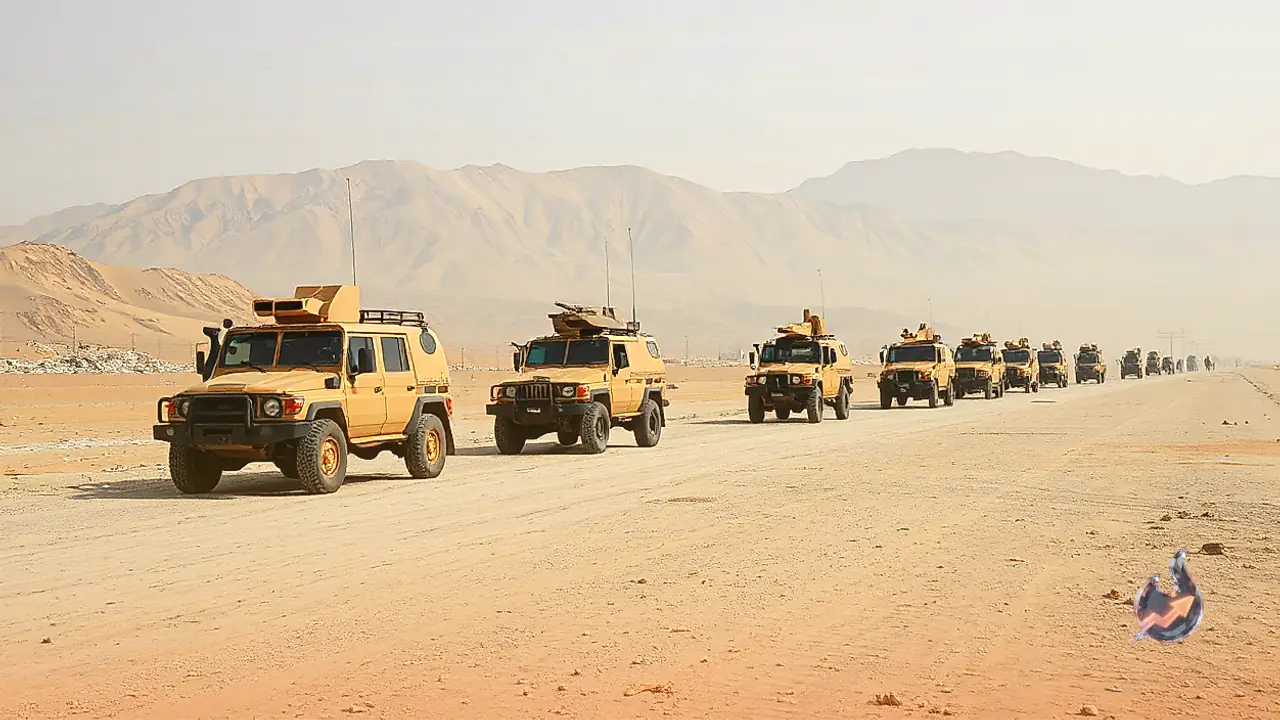

The Indian defence framework is undergoing a major tactical upgrade with the upcoming induction of the BVS 10 Sindhu, a modern articulated all-terrain vehicle. Built using two distinct connected sections moving on robust rubber tracks, this specialized machine is engineered to navigate treacherous surfaces without getting stuck. Its structural design ensures it maintains absolute balance even while tackling steep inclines and sharp turns.
The interior layout of the vehicle accommodates both operational and tactical needs. The front cabin seats the driver and commander, while the rear compartment can carry fully equipped troops, complete with specialized seating and emergency medical kits for personnel. The vehicle maintains consistent speed across deep mud, shifting sands, waterlogged swamps, and thick snow.
Strategic deployment plans involve positioning these vehicles in the high-altitude regions of Ladakh, reaching elevations of up to 18,000 feet. During peak winter months, temperatures in eastern Ladakh plummet to minus 55 degrees Celsius, rendering conventional wheeled transport ineffective amid heavy snowfall.
The BVS 10 Sindhu has been specifically engineered to sustain military operations under these extreme sub-zero conditions. It can rapidly transport troops between forward outposts during severe cold waves and efficiently deliver heavy weaponry and logistical supplies across snowbound terrains when required.
Along the western frontier bordering Pakistan, these vehicles will be deployed in the Kutch region of Gujarat. Known for its vast marshlands, salt flats, and sandy dunes, the area experiences scorching summer temperatures soaring up to 55 degrees Celsius, making routine patrolling through slippery mud a strenuous task for personnel.
The vehicle is built to sustain continuous patrols under 55-degree heat without experiencing technical failures, effortlessly traversing marshy grounds and shallow waters to enhance border surveillance capabilities.
The commencement of manufacturing operations in Hazira, Surat, marks a significant milestone for domestic defence production. The collaboration between Larsen & Toubro and international defence firm BAE Systems will accelerate indigenous manufacturing capabilities, laying the groundwork for future technological requirements through a platform battle-tested in global conflicts.
A total of 18 units will be delivered to the Indian Army for deployment across two contrasting geographic extremes, balancing sub-zero Himalayan peaks with blistering desert heat to provide troops with enhanced mobility and tactical strength.