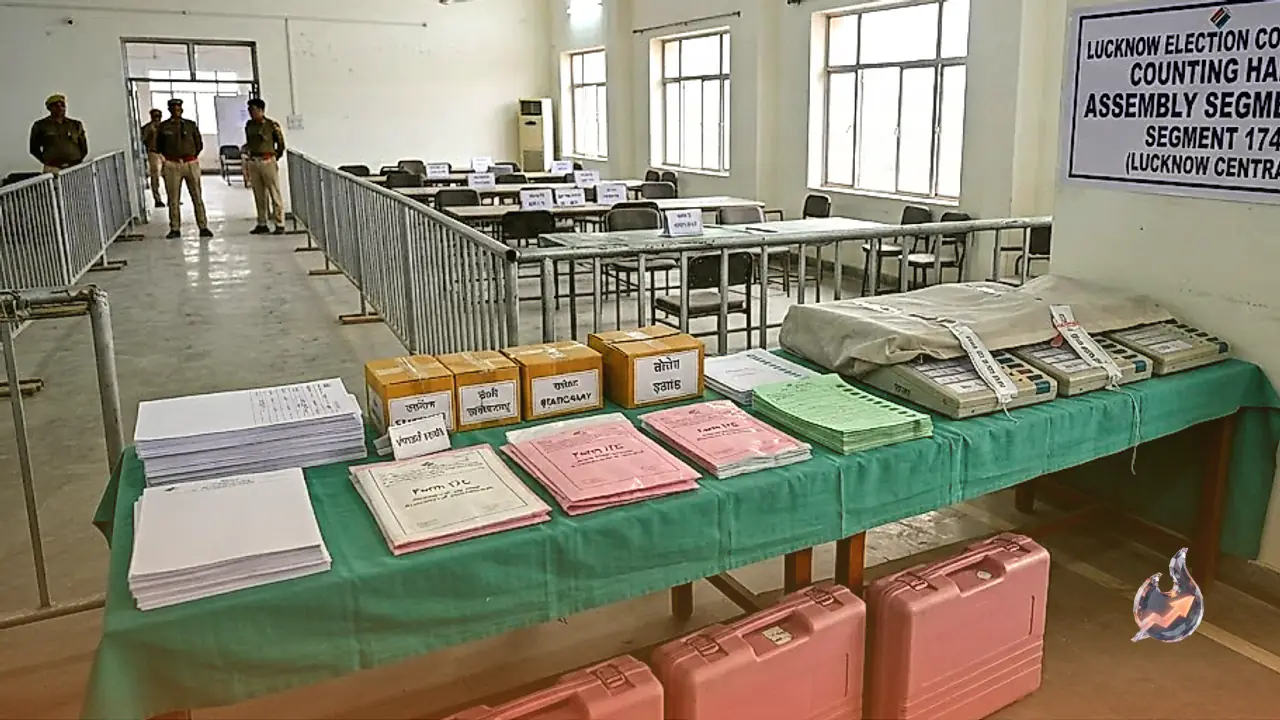

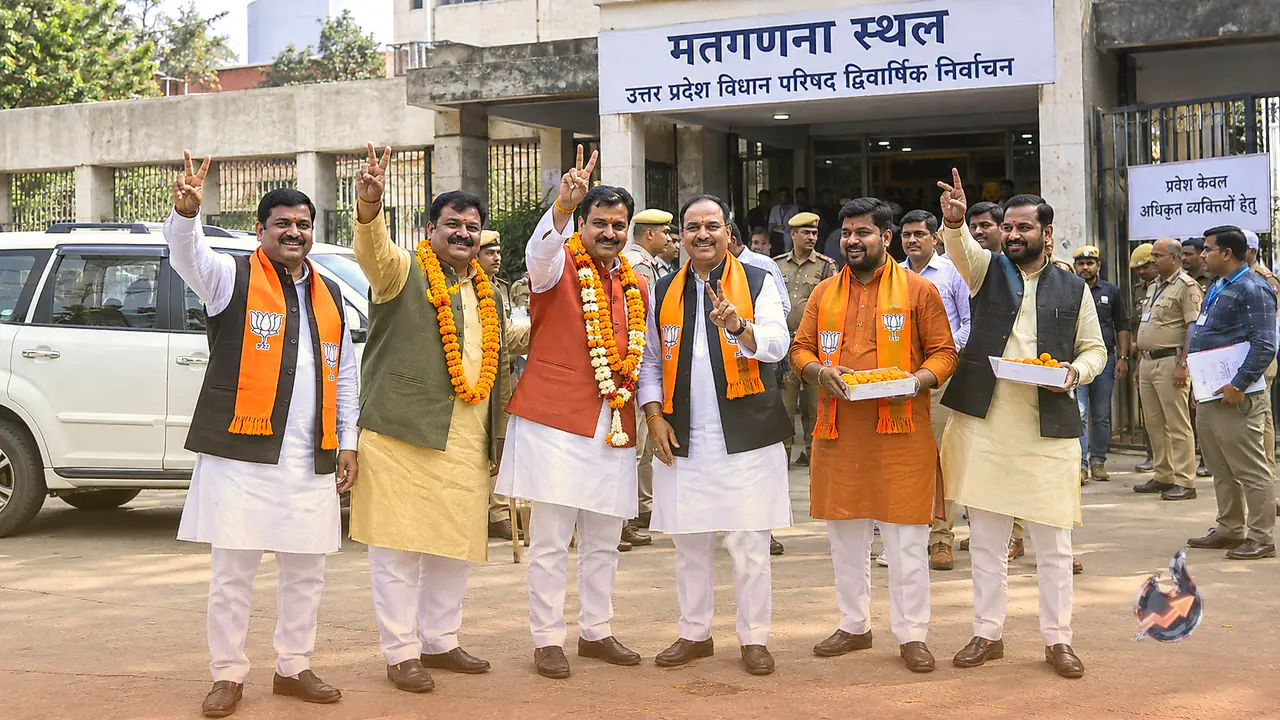

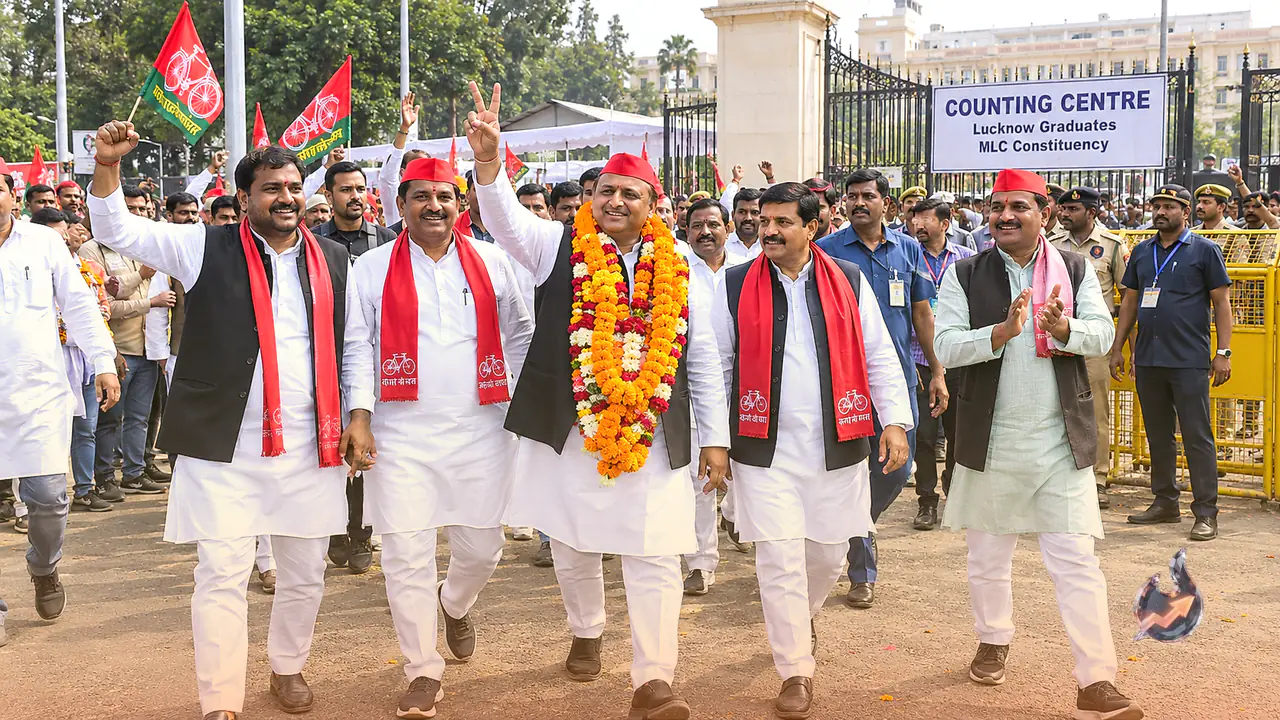
















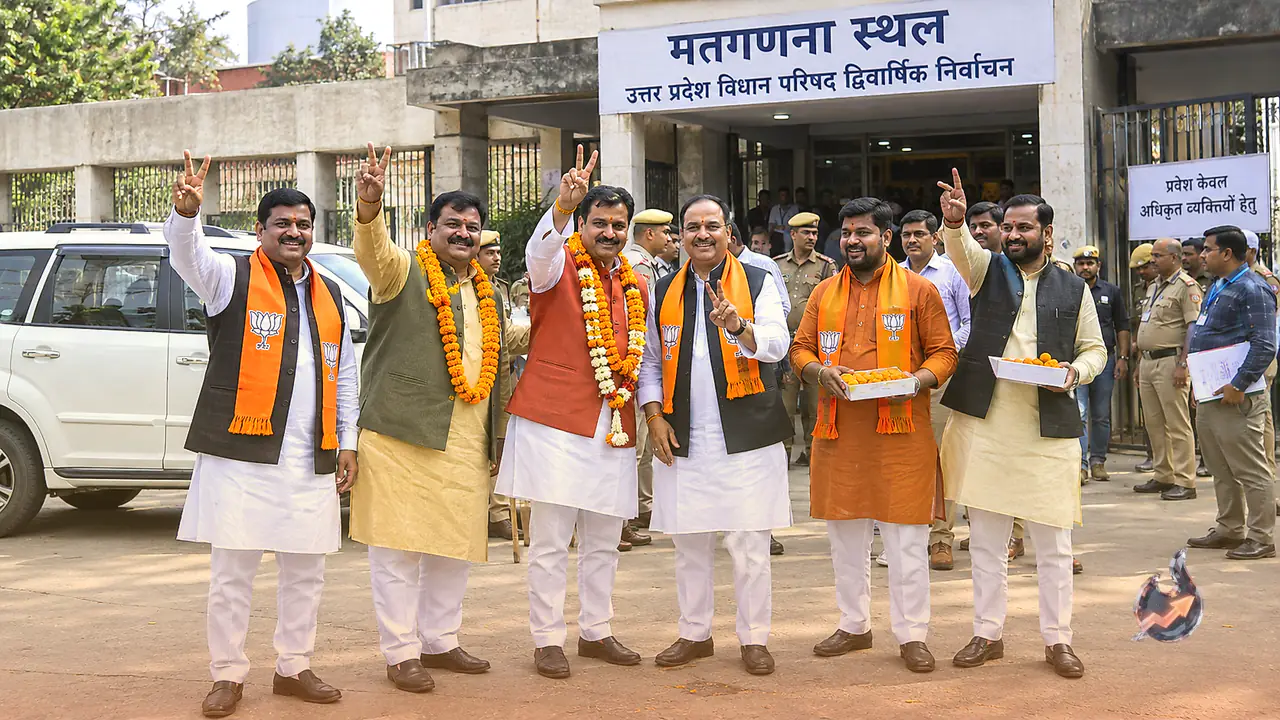

The political landscape of Uttar Pradesh witnessed significant developments as results emerged for the 2026 biennial elections across teacher and graduate constituencies of the Legislative Council. The Bharatiya Janata Party maintained an overall advantage across the state, while the Samajwadi Party mounted a resilient contest by securing high-profile victories in divisions including Varanasi and Agra. A total of 152 contenders participated across eleven contested constituencies, producing closely followed counts across multiple counting centres.
Breakdown of Seats and Electoral Outcomes
Voters across specialized teacher and graduate segments delivered a nuanced verdict between the ruling administration and the main opposition. Tabulated figures showed the Bharatiya Janata Party winning six seats, whereas the Samajwadi Party secured three seats, with counting extending into later rounds on the remaining two constituencies. A major talking point of the outcome was the Samajwadi Party claiming both the Varanasi and Agra teacher seats. Observers noted that graduate electors showed visible backing for candidates aligned with Akhilesh Yadav, while a substantial section of teachers favored nominees supported by the governing party.
Wider Multistate Context
The polling exercise formed part of a larger electoral contest spanning 28 legislative council seats across four Indian states. Neighboring and western states experienced notable political shifts alongside the Uttar Pradesh contest. In Maharashtra, the Pune teacher constituency saw a Bharatiya Janata Party victory, whereas the Pune graduate seat was captured by the Maha Vikas Aghadi coalition. Concurrently, Bihar recorded several electoral upsets that redefined local legislative calculations and underlined the competitive nature of these legislative council polls.
What the Chief Minister Said
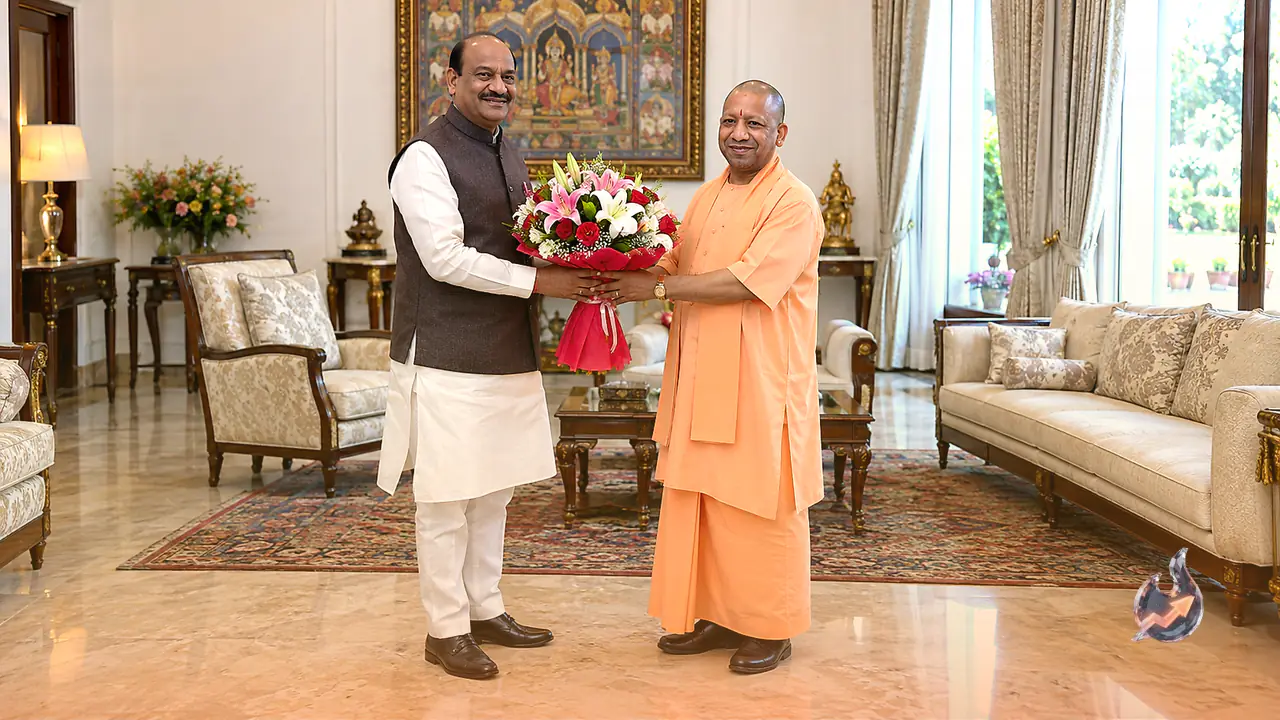
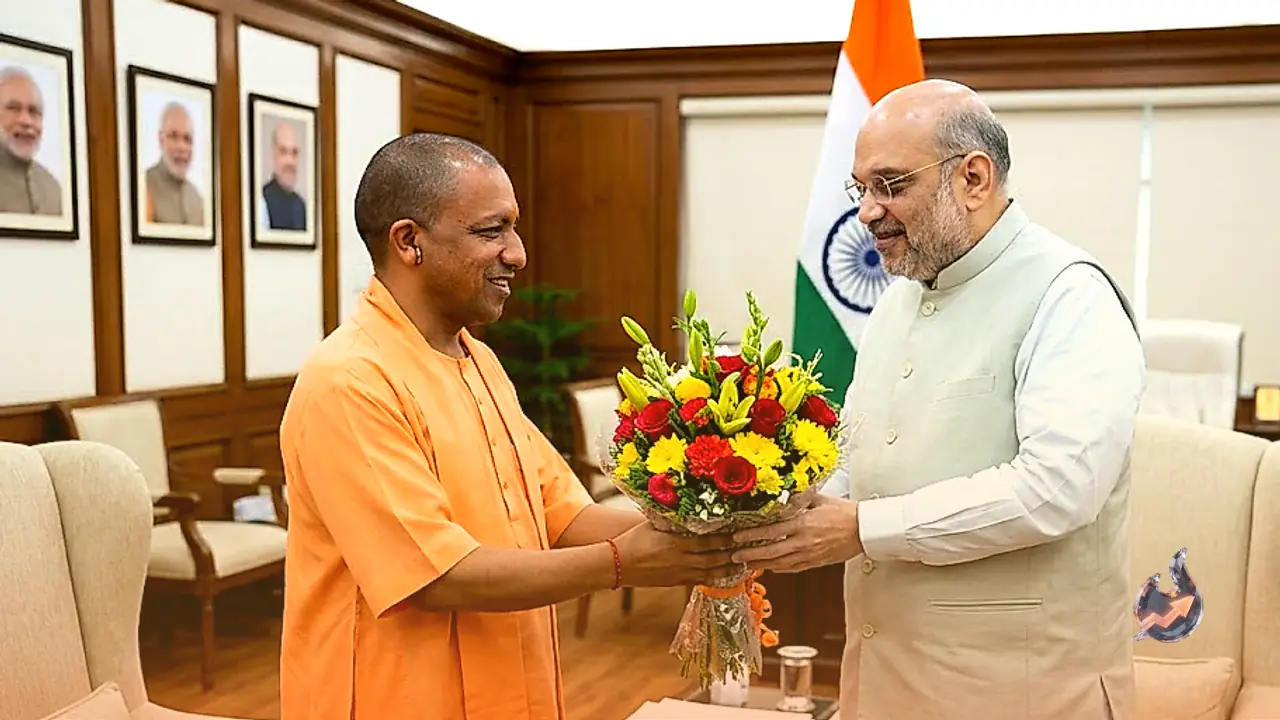
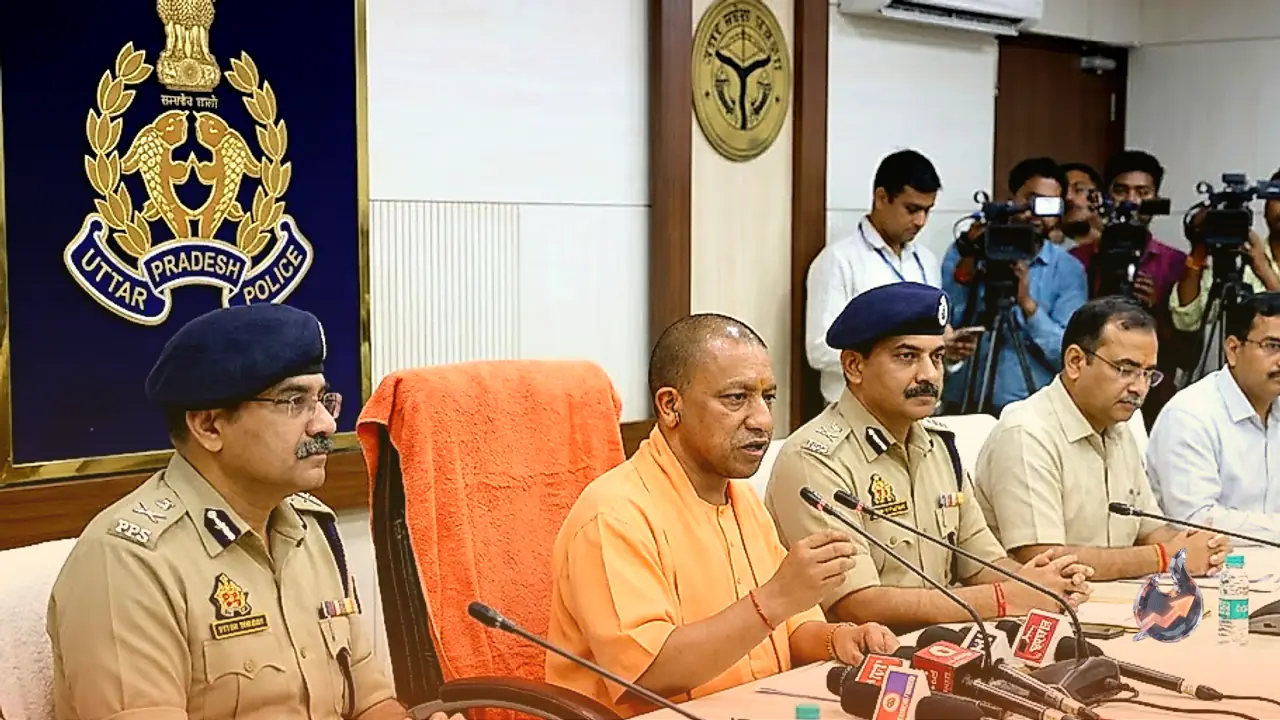
Following the outcome, Chief Minister Yogi Adityanath posted a congratulatory statement addressing the newly elected representatives. He underscored the critical institutional responsibility these members carry toward the educational community and governance.
"Heartiest congratulations to all candidates victorious in the biennial election 2026 of Uttar Pradesh Legislative Council from graduate and teacher constituencies."
The Chief Minister expressed confidence that the elected legislators will provide a potent voice for the aspirations of educators and graduates, defend their professional interests, advance instructional standards, and actively contribute to the ongoing progress of the state.
About Uttar Pradesh
Uttar Pradesh is the most populous state in India and ranks fourth nationwide in terms of geographical area. Lucknow functions as the administrative and legislative capital of the state, while Prayagraj serves as the judicial center housing the high court. Other prominent urban hubs include Agra, Kanpur, Varanasi, and Gorakhpur. Geographically, the state borders Uttarakhand, Himachal Pradesh, and the country of Nepal to the north, Haryana, Delhi, and Rajasthan to the west, Madhya Pradesh and Chhattisgarh to the south, and Bihar and Jharkhand to the east.
Public Reaction
The election results and official messages drew diverse observations from observers and the online public. While supporters viewed the ruling party's tallies as a mandate for ongoing administrative governance, other commentators highlighted policy concerns around university commissions, educator recruitment, and voter outreach, suggesting that political parties must address local grievances before upcoming state assembly elections.