


















By introducing the historic principle of proportionate representation based on numerical strength, Kanshi Ram transformed the democratic fabric of India and handed the keys of political power to historically marginalized communities. As preparations begin to gather pace ahead of the 2027 Uttar Pradesh assembly elections, conversations surrounding Dalit empowerment have once again returned to the forefront of the political arena. Be it the established authority of Mayawati, the emergence of Chandrashekhar Azad, or the calculated electoral strategies of the Bharatiya Janata Party, Congress, and Samajwadi Party, every formation seeks to claim ideological ownership over the legacy built by Kanshi Ram. Yet, in an era where dynastic succession often defines political structures, the personal background of the leader who founded the Bahujan Samaj Party in 1984 presents an entirely contrasting narrative.
A Humble Life in the Ancestral Village of Khawaspur
Kanshi Ram was born on March 15, 1934, in Khawaspur village, located in the Ropar district of Punjab, which is now known as Rupnagar. Decades later, his relatives continue to lead ordinary and unassuming lives in that very same village. His father, Hari Singh, and mother, Bisan Kaur, passed away many years ago. Kanshi Ram was the eldest among eight siblings, several of whom have also since passed away. Today, his younger sister Swaran Kaur, nephew Lakhbir Singh, and other relatives reside in Punjab. Family members have noted over the years that Kanshi Ram never passed on personal property or wealth to his relatives, while also maintaining a persistent grievance that when he fell critically ill toward the end of his life, they were prevented from meeting him.
The Pune Laboratory Dispute and the Four Historic Vows
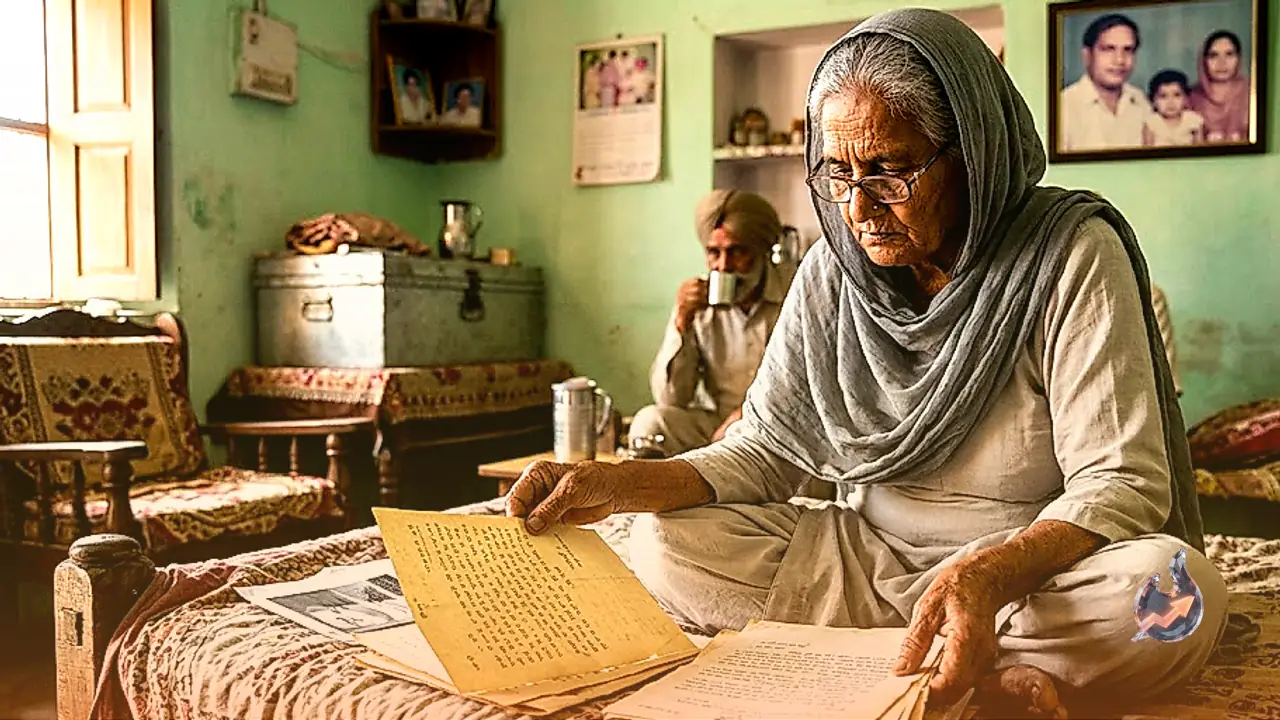
While working at a government research laboratory in Pune in 1964, Kanshi Ram spearheaded a protest against the administrative cancellation of official holidays commemorating Dr. B.R. Ambedkar and Buddha Jayanti. That critical struggle marked a turning point in his life, prompting him to take a monumental personal pledge. He resolved that he would never marry, never accumulate personal wealth, never return to his ancestral home, and dedicate his entire life to the social transformation movement of the Bahujan community. He marked this departure by writing a 24-page letter to his family, permanently walking away from domestic ties. He adhered rigorously to this commitment throughout his lifetime, actively keeping his family away from political apparatus so that accusations of nepotism would not undermine the integrity of the broader social movement.
Complete Absence From Electoral Contests and Party Positions
No member of Kanshi Ram's family was ever inducted into active electoral politics or assigned any official post within the Bahujan Samaj Party. Neither during his lifetime nor in the years following did any relative hold formal party membership. Nevertheless, following his death, his sister Swaran Kaur and nephew Lakhbir Singh occasionally addressed the media and extended support to anti-Mayawati gatherings and rallies during select election seasons. Despite these public interventions, they never founded their own political party, never stood as electoral candidates, and never established an institutional foothold in mainstream legislative politics, appearing only intermittently on public platforms alongside prominent leaders.
Health Crises, the Contested Will, and Three Unresolved Questions
Following a severe brain stroke in 2003, Kanshi Ram spent his final years residing at Mayawati's residence in Delhi. During this prolonged period of illness, his family, particularly his sister Swaran Kaur, alleged that they were forcibly prevented from visiting or interacting with him. Following his demise on October 9, 2006, the tensions escalated into open discord as the family questioned the legal validity of his purported will, alleging that control over the entire political heritage and assets of the Bahujan Samaj Party had been unilaterally claimed. These allegations regarding his final days and institutional succession have remained a subject of lingering public debate.
Public Engagements, Congress Outreach, and the 2025 Appearance
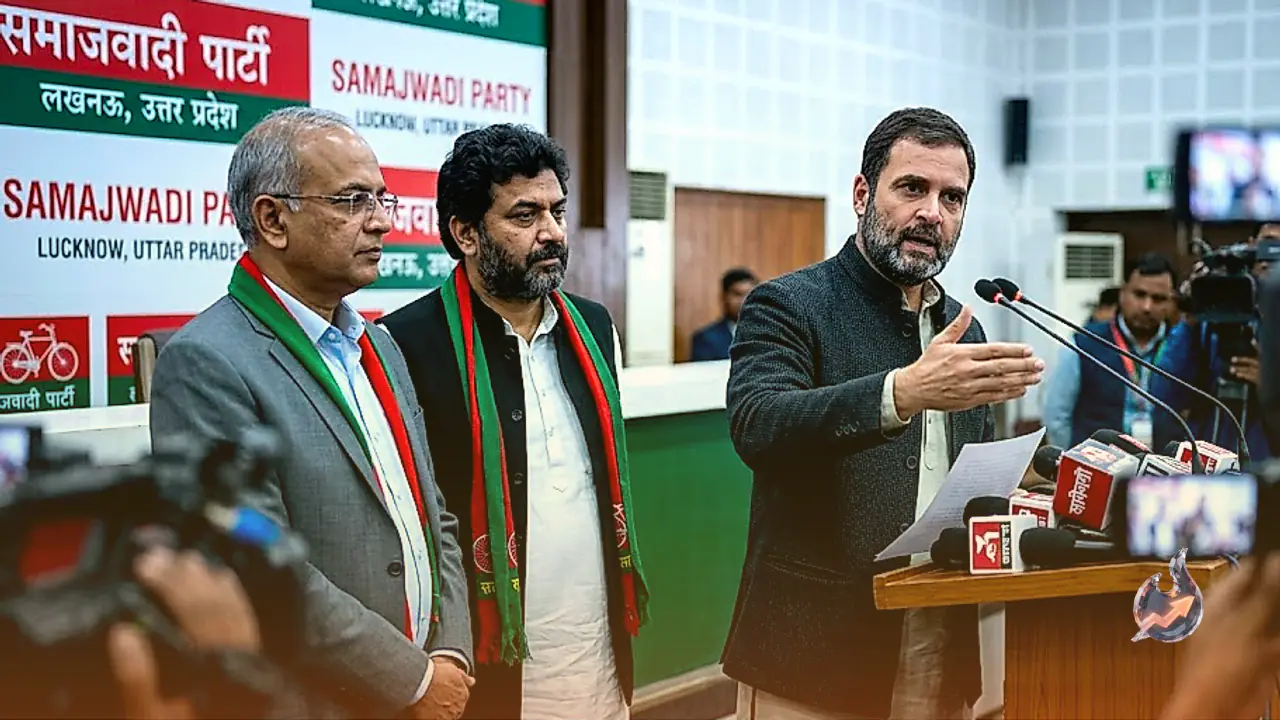
Swaran Kaur has consistently spoken out regarding her brother's social vision and remained associated with the Kanshi Ram Foundation. In 2016, senior leaders from the Congress party reached out to her, an initiative widely viewed as an effort to connect with Dalit voters by invoking the legacy of Kanshi Ram. Later in 2025, Swaran Kaur was seen sharing a public stage with Rahul Gandhi during an event where she voiced support for his campaign to safeguard the Constitution. She was accompanied at this appearance by her nephew Lakhbir Singh, signaling their occasional re-emergence into the public eye around major national discussions.
Refusal to Become Pawns and Deepening Estrangement With Mayawati
Kanshi Ram's nephew Lakhbir Singh has also made public statements regarding the family's perspective. In 2019, while addressing persistent questions surrounding Kanshi Ram's final days, Lakhbir Singh explicitly stated that the family refused to serve as political pawns for any faction. His subsequent presence alongside Swaran Kaur at the 2025 gathering organized by Rahul Gandhi reflected their continued informal proximity to public events, even as control of the party founded by their uncle remained completely beyond their reach. The relationship between the family and Mayawati deteriorated sharply following Kanshi Ram's death, with the family consistently maintaining that she took absolute control of his political legacy while entirely pushing his relatives to the margins.