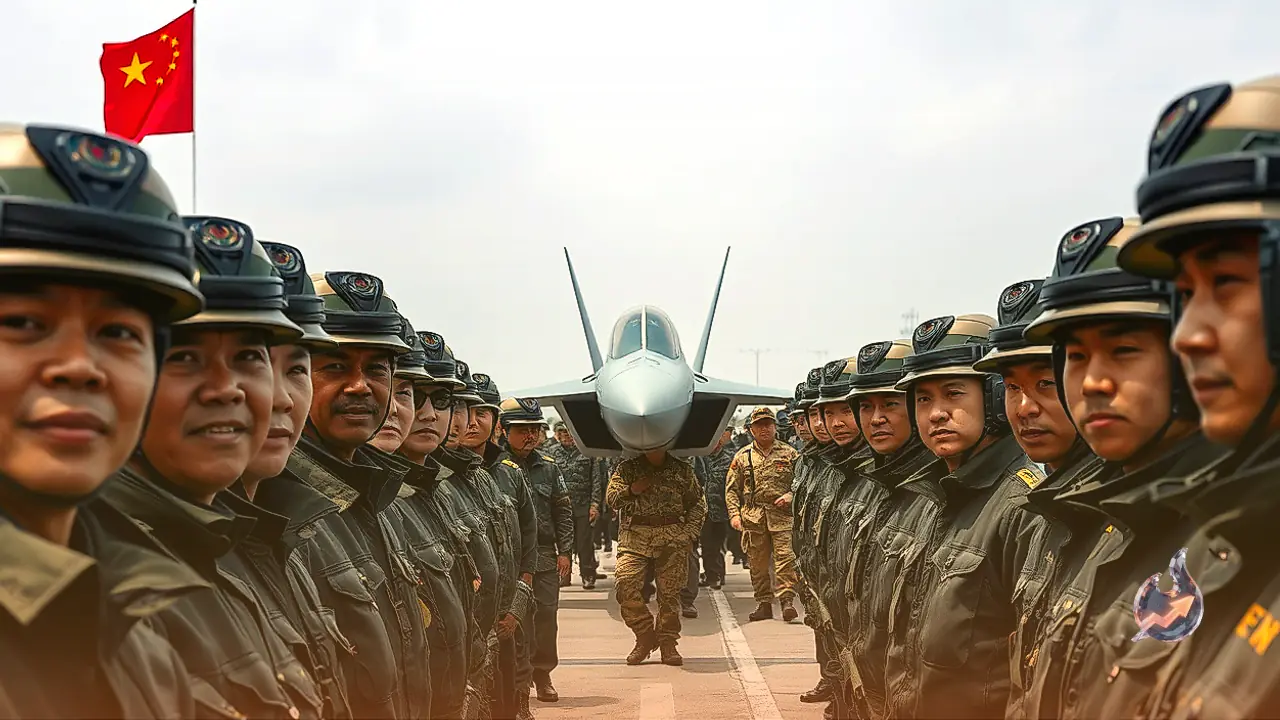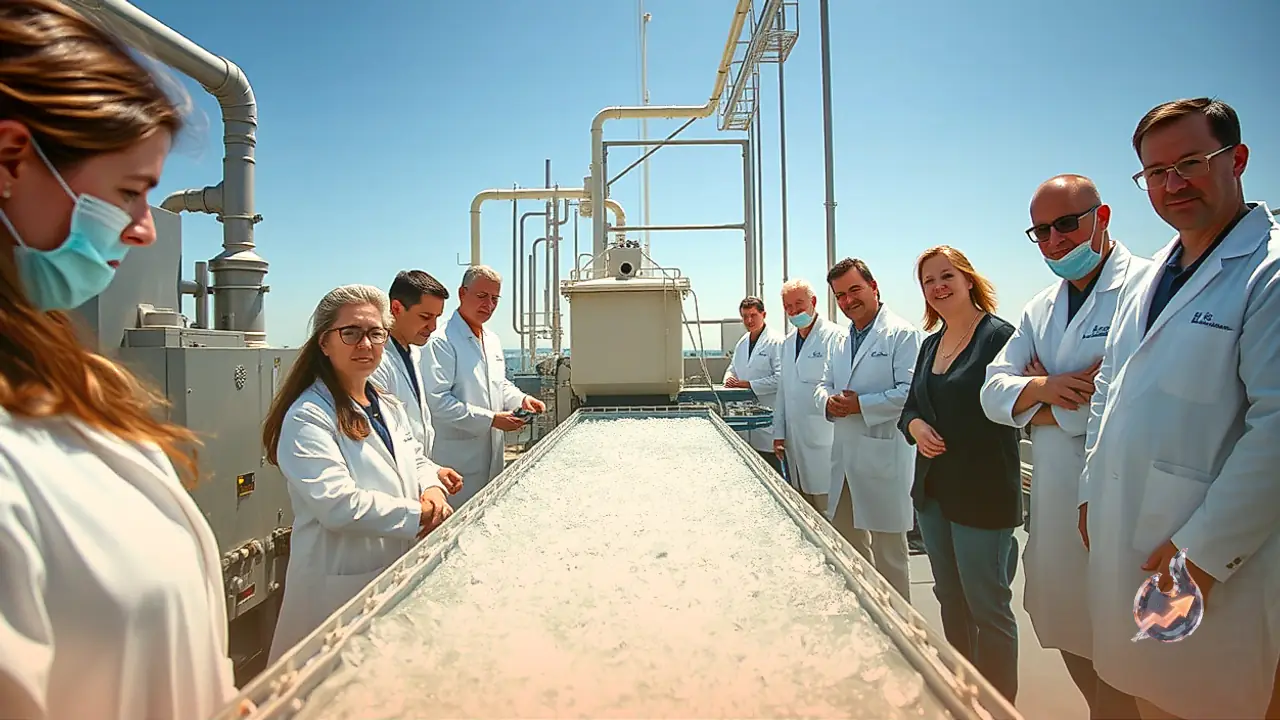






















The waters of the South China Sea have once again transformed into a high-stakes arena for global powers competing over vital natural resources. Energy corporations from the United States, Japan, and Russia are engaged in an intense race to extract vast undersea reserves of crude oil and natural gas located off the coast of Vietnam. With ongoing turmoil in the Middle East and persistent maritime disruptions around the Strait of Hormuz rattling international fuel markets, Vietnam is actively tapping into deep-water energy pockets to secure its expanding domestic power requirements. However, this offshore expansion goes far beyond basic commerce, representing a direct geopolitical stand where major international consortia are erecting massive drilling platforms right across from Beijing's contested Nine-Dash Line despite persistent maritime harassment by Chinese vessels.
Sao Vang-Dai Nguyet: Japan's 100-Billion-Yen Deep-Sea Bastion
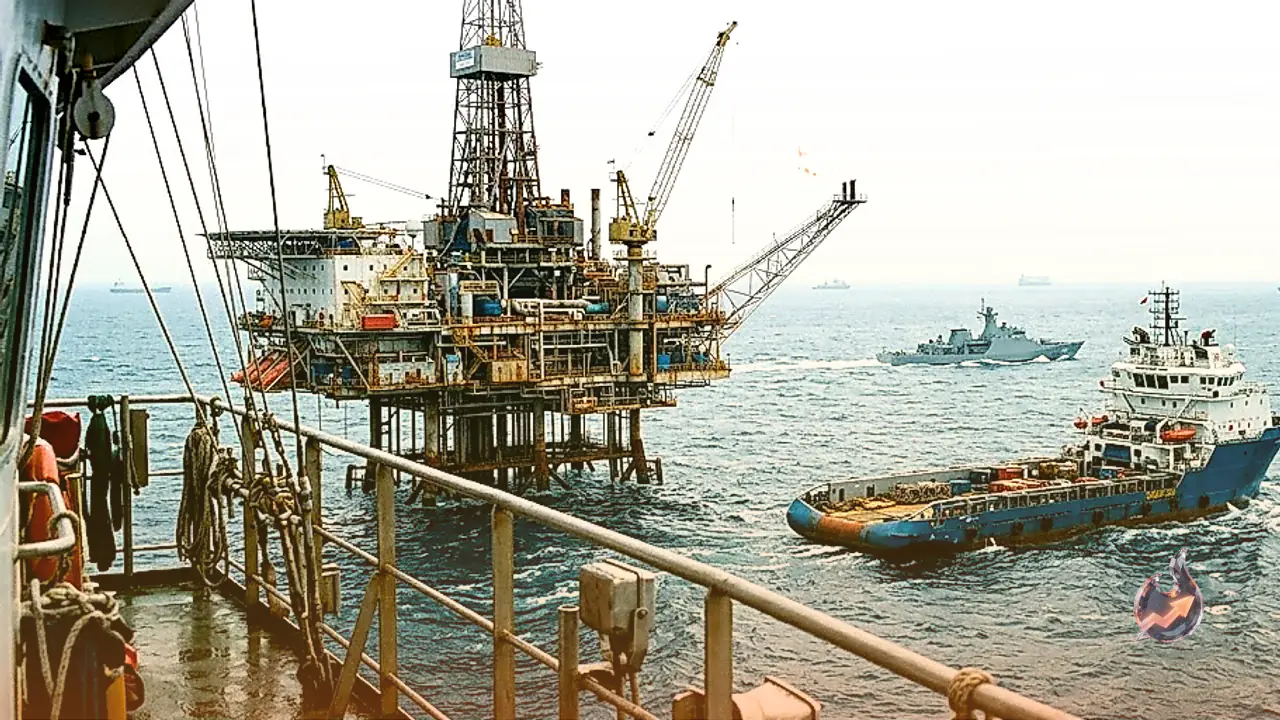
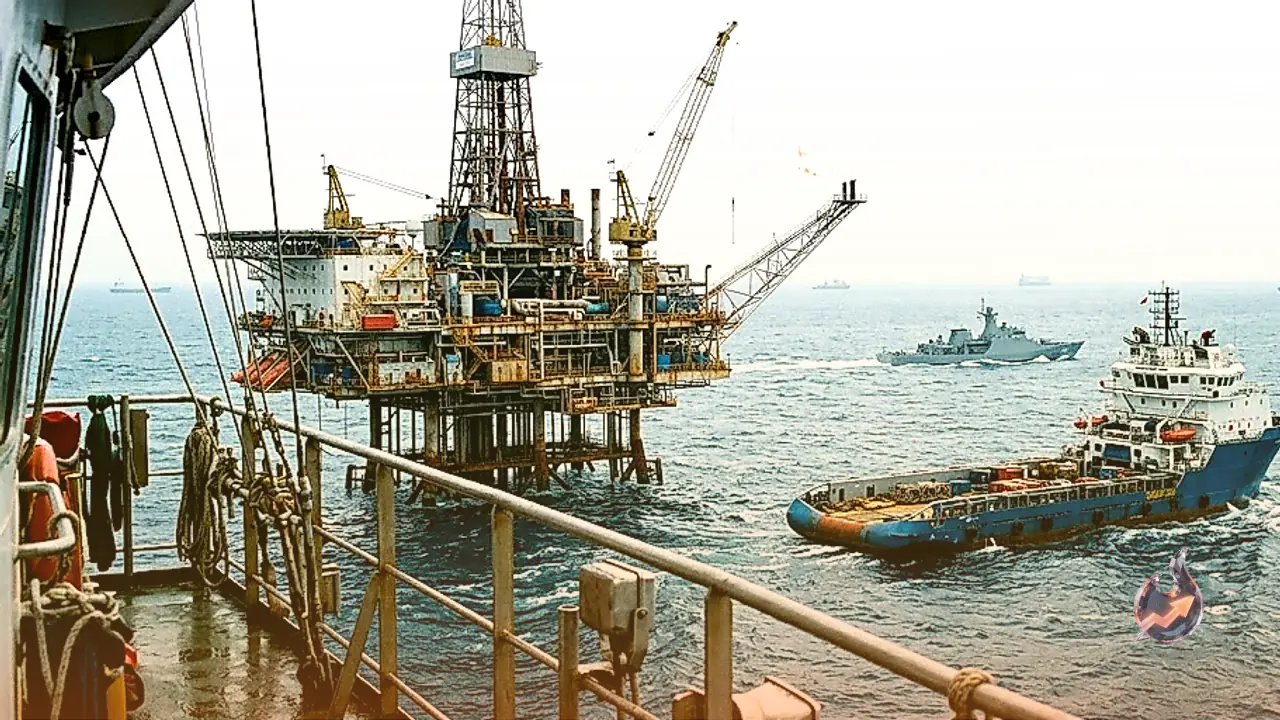
Positioned approximately 350 kilometres off Vietnam's southern coastline in the South China Sea sits a massive central processing platform operated by the Japanese energy firm Idemitsu Kosan. Built with an imposing orange steel structure, this offshore facility stands out in open waters as an advanced engineering stronghold. Constructing and installing this extensive offshore platform required an investment exceeding 632 million dollars, representing more than 100 billion yen.
Operational since 2020, the project drills thousands of metres beneath the seabed to extract roughly 4 million cubic metres of natural gas on a daily basis. Deep-water hydrocarbon exploration remains an exceptionally high-risk enterprise. Engineering specialists from the company note that out of ten exploratory wells drilled at a cost exceeding 10 billion yen each, on average only three yield commercially viable discoveries, and several among those never progress to full commercial production.
In terms of electrical generation, the platform's output is immense. If the entire volume of natural gas produced daily from this single facility were routed into electricity generation, it would generate power equivalent to the output of a 1-gigawatt nuclear reactor.
Chinese Maritime Intrusions and Tactical Harassment
The offshore field represents far more than capital expenditure, sitting directly along the active fault line of territorial friction with Beijing. The facility operates in close proximity to the perimeter of China's unilaterally declared Nine-Dash Line.
Chinese maritime forces have repeatedly attempted to disrupt normal operations in these waters. Beijing has been unable to establish lawful extraction activities within this specific maritime zone, yet it consistently seeks to prevent Vietnam from peacefully developing its sovereign waters. Whenever Vietnamese authorities take steps to expand offshore infrastructure, Chinese survey vessels and coast guard cutters are deployed to shadow operations and intimidate crews.
Jamie McPherson, head of production for the gas platform, pointed out that suspicious vessels originating from China and other states are observed patrolling the surrounding waters almost every day. Nevertheless, supported by robust security protocols and massive foreign capital commitments, Vietnam continues its offshore operations without interruption. During fuel shortages triggered by Middle Eastern instability, light crude oil supplied directly from this offshore installation kept Vietnamese domestic refineries functioning steadily.
Global Consortia Expanding Across Vietnam's Maritime Blocks
Following the diplomatic normalization between Vietnam and Western nations during the 1990s, several initial offshore energy ventures were established. With older, legacy oil fields now experiencing natural declines in output, a fresh wave of major offshore projects has entered development.
American energy firm Murphy Oil has partnered with South Korea's conglomerate SK Group to advance development at the Lac Da Vang oil field. Concurrently, US energy giant ExxonMobil is spearheading development at the Ca Voi Xanh gas field off the coast of Da Nang, a project poised to become the single largest natural gas field in Vietnam.
Japanese corporations have committed significant financial resources as well. Enterprises such as MOECO and Marubeni are actively developing the Block B project located in the Gulf of Thailand, which is slated to begin regular natural gas production starting next year.
Russia's involvement in the region spans over four decades of continuous cooperation. Russian state-owned enterprise Zarubezhneft has been extracting oil and gas from Vietnamese maritime blocks for forty years. In June 2026, Vietnamese Prime Minister Le Minh Hung held high-level discussions with the Russian company's chief executive, formally reaffirming full state backing for expanded Russian investments across upcoming offshore concession blocks.
Aggressive Headhunting and Surging Salaries in Energy Sector
The intensifying rush to extract offshore hydrocarbon reserves across the South China Sea has triggered unprecedented demand for specialized engineering talent within Vietnam. Recruitment competition has reached a point where personnel working inside Idemitsu Kosan offices routinely receive headhunting calls and lucrative job offers during business hours.
American corporations in particular are aggressively recruiting seasoned petroleum engineers and technical operators by offering substantial salary hikes, lavish compensation packages, and enhanced career benefits. This cross-border competition for specialized industry talent continues to intensify rapidly.
Vietnam's Industrial Growth and the Imperative of Energy Security
Vietnam's fast-growing manufacturing economy has caused domestic electricity demand to surge dramatically in recent years. Historically, the nation has relied primarily on a combination of coal-fired thermal generation and hydroelectric dams to power its national grid.
Within the country's existing electricity generation mix, approximately 50 percent of power is generated by coal, while hydroelectric sources supply around 30 percent. The remaining share is covered by natural gas, solar installations, and wind energy farms.
To support sustained economic development, the Vietnamese government formulated an extensive national energy master plan targeting 2030. Under this comprehensive blueprint, authorities plan to dramatically scale up domestic gas-fired electrical generation capacity to 37 gigawatts.
In January, Vietnam officially commissioned its very first LNG-to-power plant. However, heavy reliance on imported liquefied natural gas carries severe fiscal and geopolitical risks. Regional conflicts involving Iran and broader tensions across the Middle East frequently cause international spot gas prices to spike abruptly. To protect its domestic power grid from these unpredictable international commodity price shocks, Vietnam is prioritizing the rapid extraction of domestic natural gas reserves in collaboration with foreign corporate partners.
Technical Complexities and Operating in Deep Water
While American, Japanese, and Russian conglomerates continue to deploy billions of dollars into Vietnamese offshore ventures, operational obstacles remain formidable. Vietnam's remaining undiscovered and untapped hydrocarbon reservoirs are located in challenging deep-water maritime zones requiring specialized deep-sea extraction technology. Navigating these harsh underwater environments while managing ongoing maritime surveillance from Chinese coast guard units presents a continuing operational challenge for international operators working across these contested waters.