



















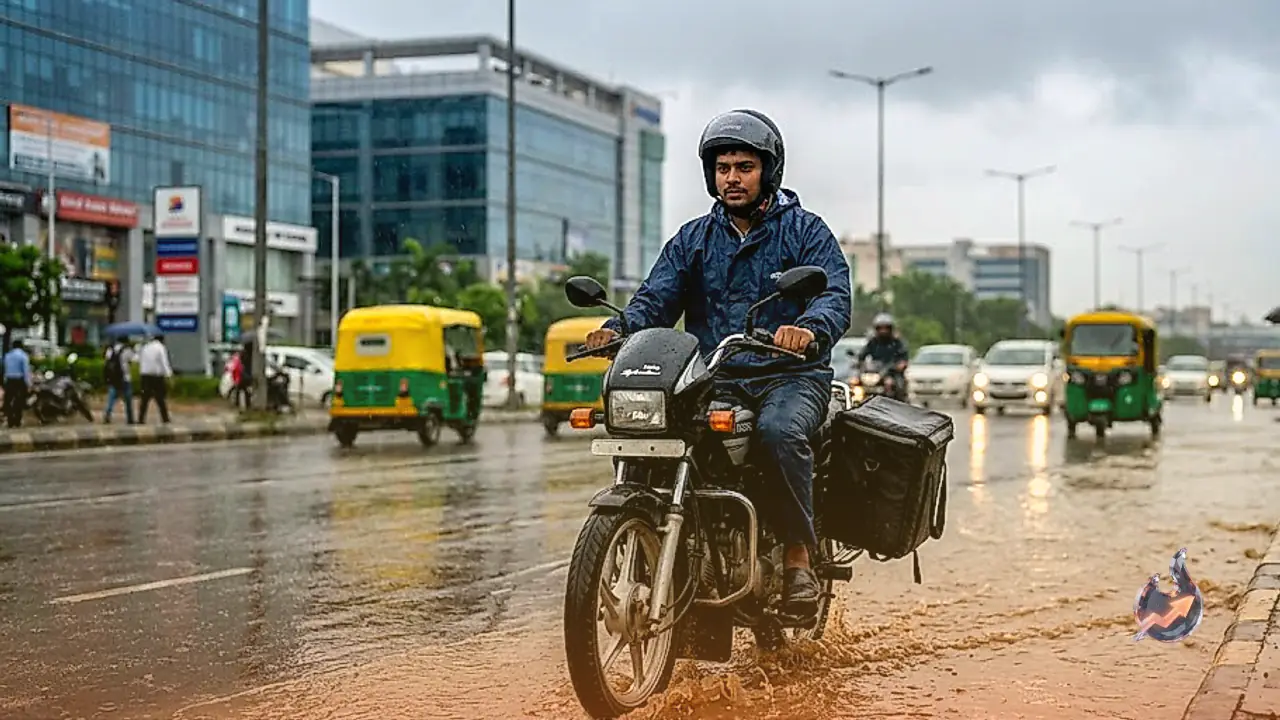

Monsoon activity has intensified across the National Capital Region, bringing widespread rain and persistent cloud cover to Delhi, Noida, Ghaziabad, and Gurugram. Heavy downpours accompanied by cool breezes have lowered temperatures significantly, providing much-needed respite from high humidity. The India Meteorological Department (IMD) has issued a yellow alert for the region, warning residents that multiple spells of rain are likely to continue throughout the day. However, with wet roads and potential waterlogging, commuters are advised to check traffic updates before embarking on their journeys.
IMD Forecast and Temperature Outlook
According to the IMD weather forecast, dense cloud cover will keep the sun hidden behind the clouds for most of the day. Meteorologists indicate that light to moderate rainfall will prevail from the morning through the afternoon across various parts of Delhi-NCR. The evening and night hours are also expected to witness light showers, ensuring that conditions remain cool and damp across the territory.
This extended spell of precipitation will lead to a notable drop in mercury levels. The maximum temperature in the region is projected to hover between 32°C and 34°C, while the minimum temperature will range from 22°C to 25°C. This temperature dip offers significant relief to citizens who have been enduring uncomfortable sticky weather over the past several days.
Traffic Disruption Risks and Travel Advisory
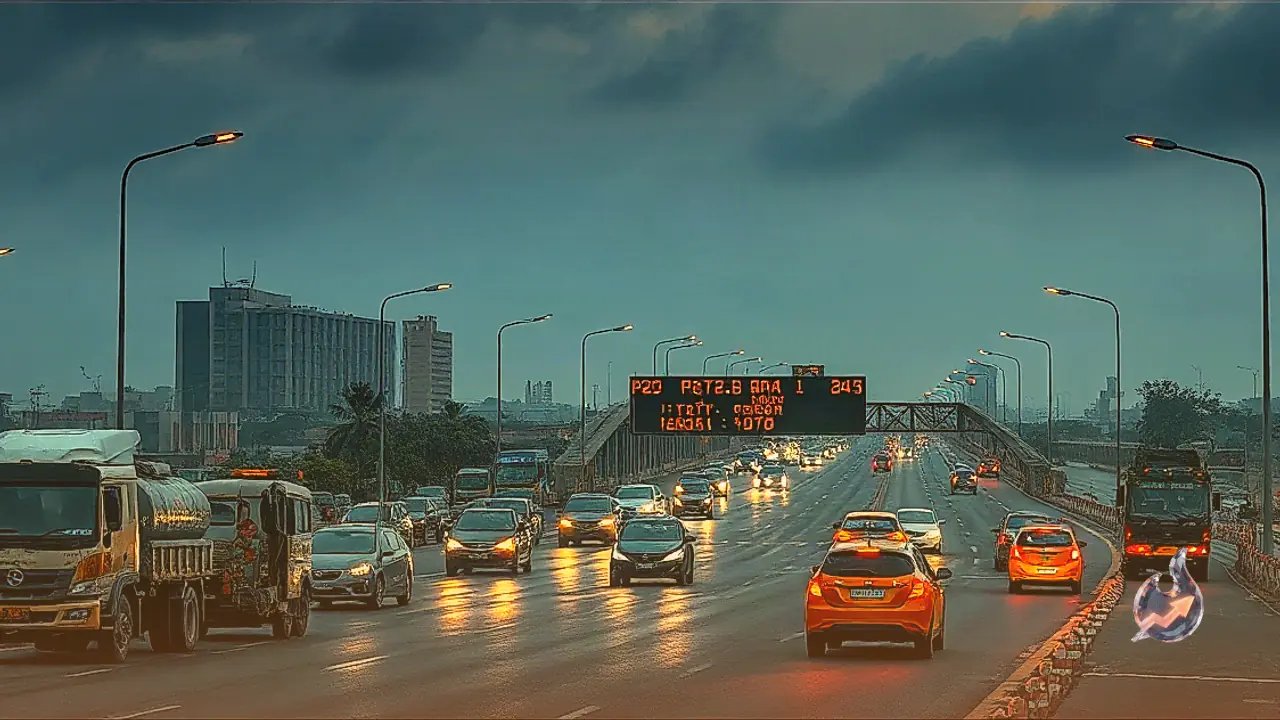
The persistent rainfall poses a high risk of localized waterlogging, which could slow down vehicular movement on key arteries. Routes connecting Delhi and Gurugram, key highways heading towards Ghaziabad, and major intersections in Noida are particularly vulnerable to congestion during peak commuting hours. Weather and transport officials strongly urge commuters to exercise extra caution while traveling and stay updated on active traffic advisories.
To avoid getting stranded in heavy traffic snarls, commuters are encouraged to swap private vehicles for the Delhi Metro, which offers a more reliable alternative during rainy conditions. Furthermore, motorists should consider taking designated alternate routes to bypass low-lying stretches known for severe drainage overflows.