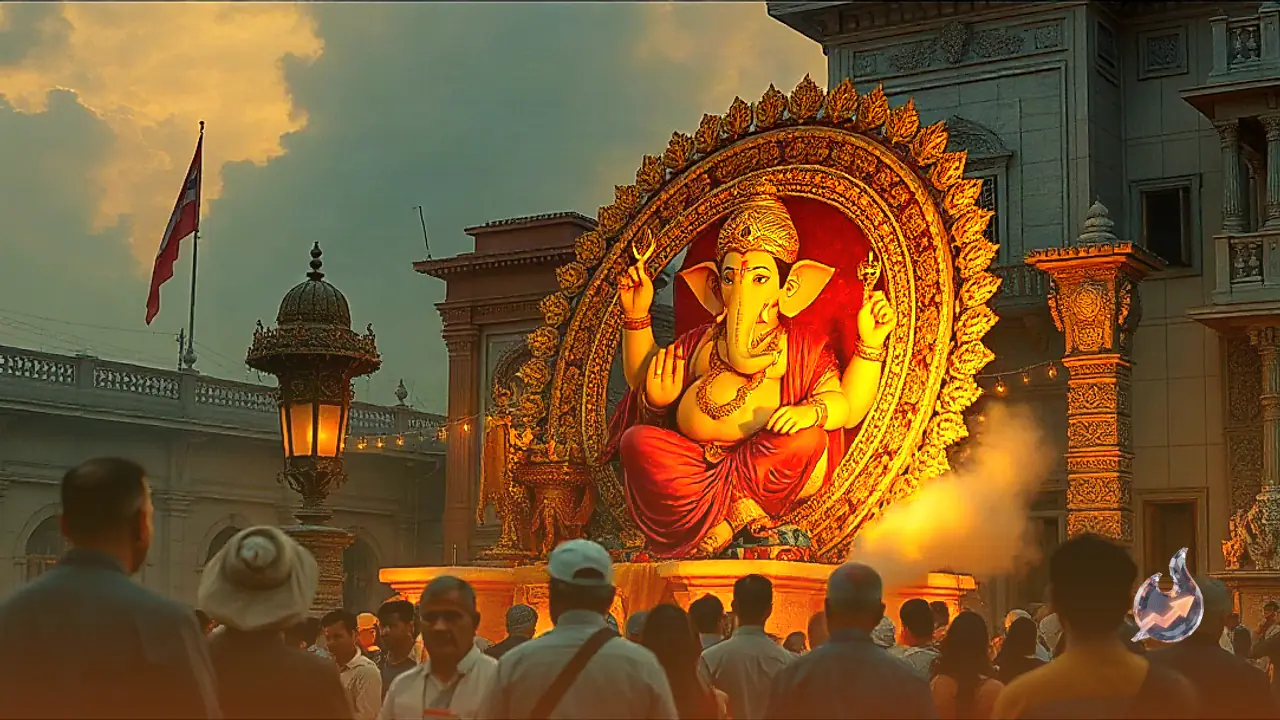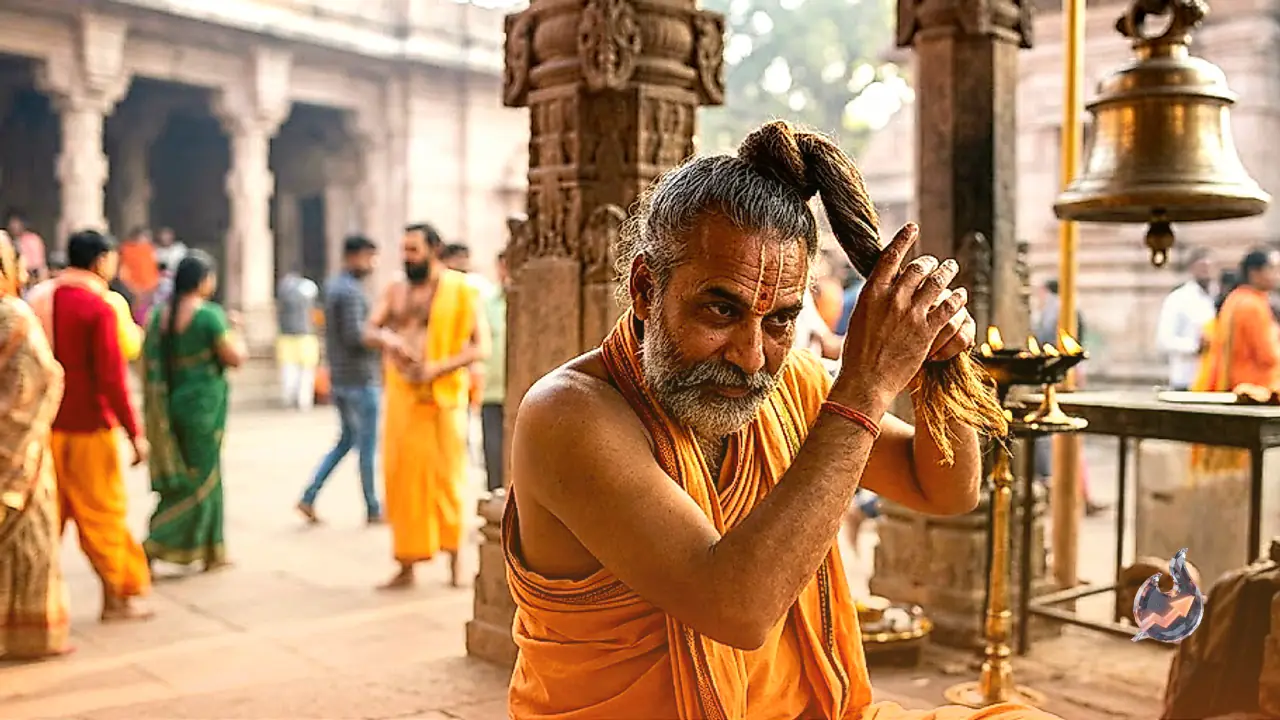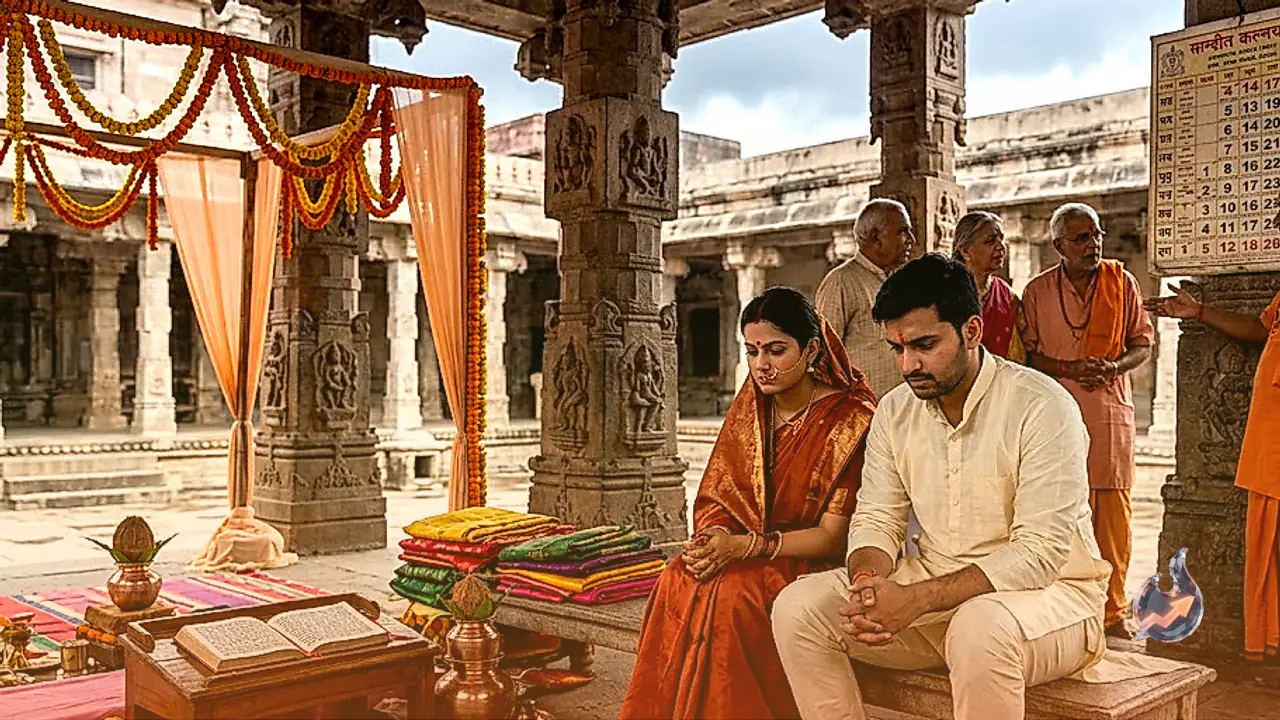

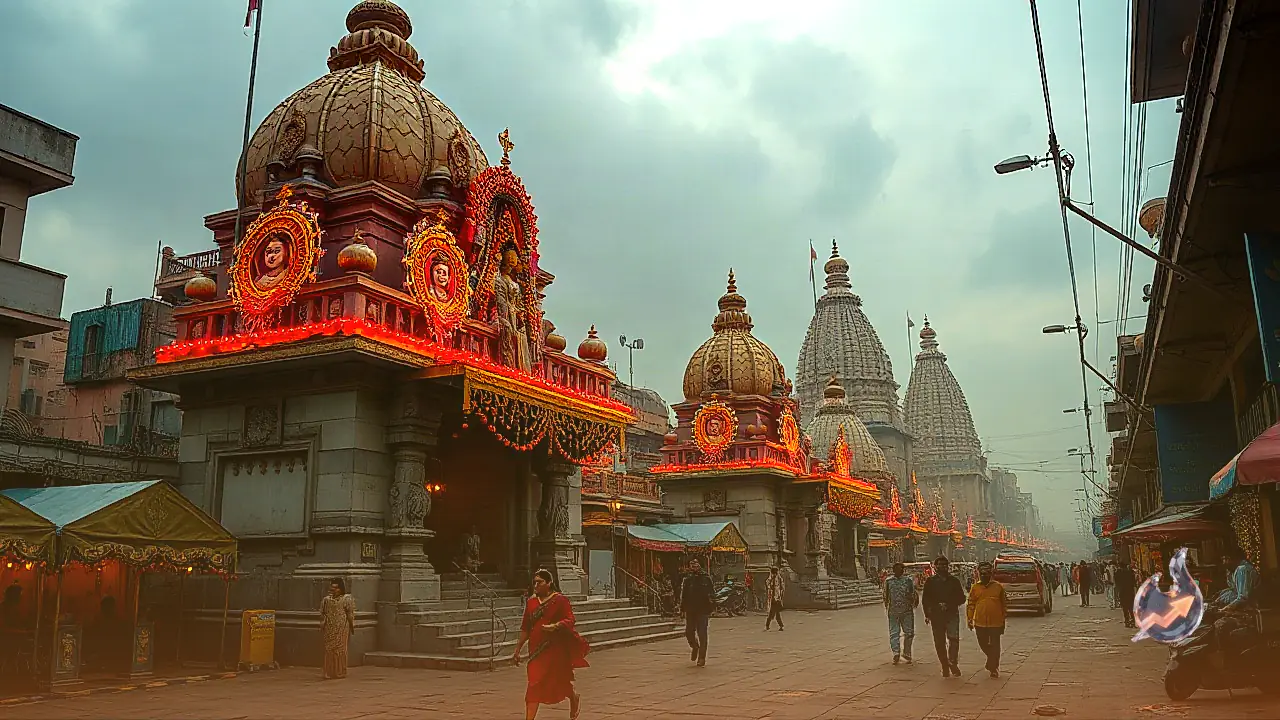
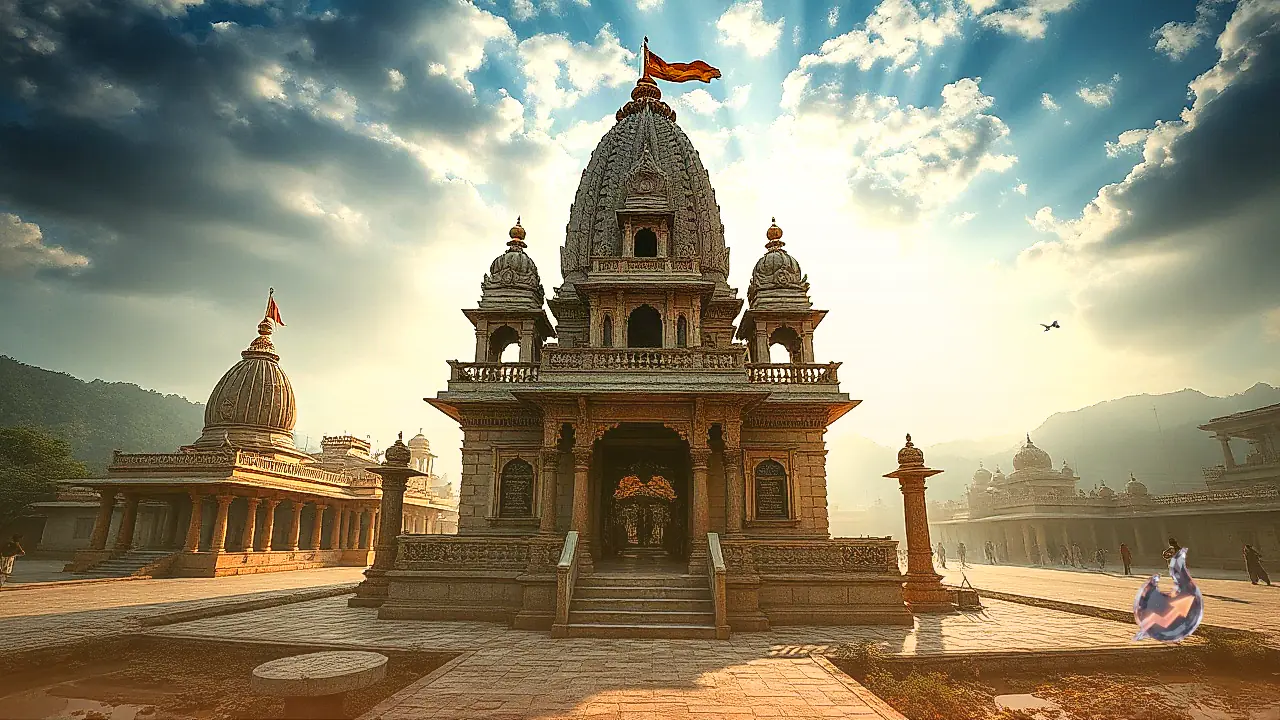


















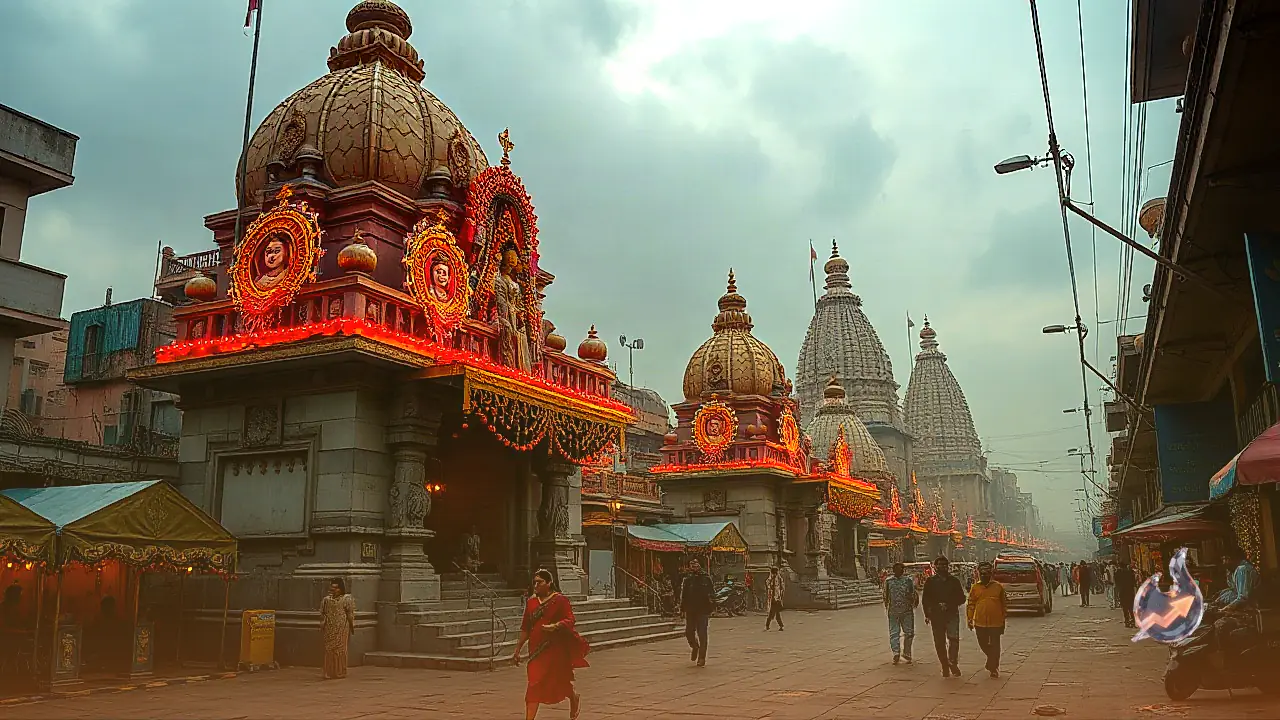

Devotees across the country, especially throughout Barsana and Vrindavan, are observing the sacred festival of Radha Ashtami with profound devotion and elaborate temple rituals. Falling annually on the Ashtami Tithi of the Shukla Paksha in the month of Bhadrapada, the day honors the appearance of Radha. Shrines and households have organized continuous devotional singing, elaborate floral decorations, and ritualistic baths. This year, the observance coincides with an array of auspicious planetary alignments, including Saubhagya Yoga and Ayushman Yoga, which are traditionally believed to dispel malefic astral influences and foster household well-being through heartfelt worship of the divine couple.
Observance Window and Commencement of Mahalakshmi Vrat
According to astronomical calculations, the Ashtami Tithi commenced on September 18 at around 1:00 PM in the afternoon. The lunar phase is scheduled to conclude on September 19 at 3:26 PM. Following the traditional sunrise-based reckoning known as Udayatithi, devotees are observing the primary fast on September 19. This date also marks the formal beginning of the extensive 16-day Mahalakshmi Vrat, a prolonged spiritual period focused on austere vows and prayers dedicated to goddess Lakshmi for prosperity and resilience.
Spiritual Significance and Braj Celebrations
In traditional theology, Radharani stands as the supreme embodiment of pure divine love, humility, and steadfast surrender. Devotees undertake daylong fasting to seek divine benedictions and cultivate selflessness in their spiritual lives. The festivities gain extraordinary vibrancy across the Braj region, where thousands of pilgrims travel to Barsana to witness the opulent clothing, intricate jewelry displays, and ceremonial abhishek conducted in historic temples from the early morning hours.
Midday Puja Window and Astrological Alignments
Unlike many festivals observed at dawn or midnight, the appearance of Radha is traditionally worshiped during the midday period. The designated auspicious puja window on September 19 spans from 11:01 AM to 1:28 PM, providing worshipers an exact duration of 2 hours and 27 minutes to conduct formal worship and offerings.
Astrologically, the day features an exceptionally powerful confluence of planetary combinations. Beyond the presence of Saubhagya Yoga, Ayushman Yoga, and Ravi Yoga, elevated celestial positions create classical royal yogas. Jupiter's placement in an exalted state forms the Hansraj Yoga, while Venus positioned comfortably in Libra gives rise to Malavya Rajyoga. Concurrently, the conjunction of the Sun and Mercury in Virgo creates the auspicious Budhaditya Yoga, traditionally regarded as favorable for wisdom, learning, and spiritual clarity.
Ritual Steps and Offerings
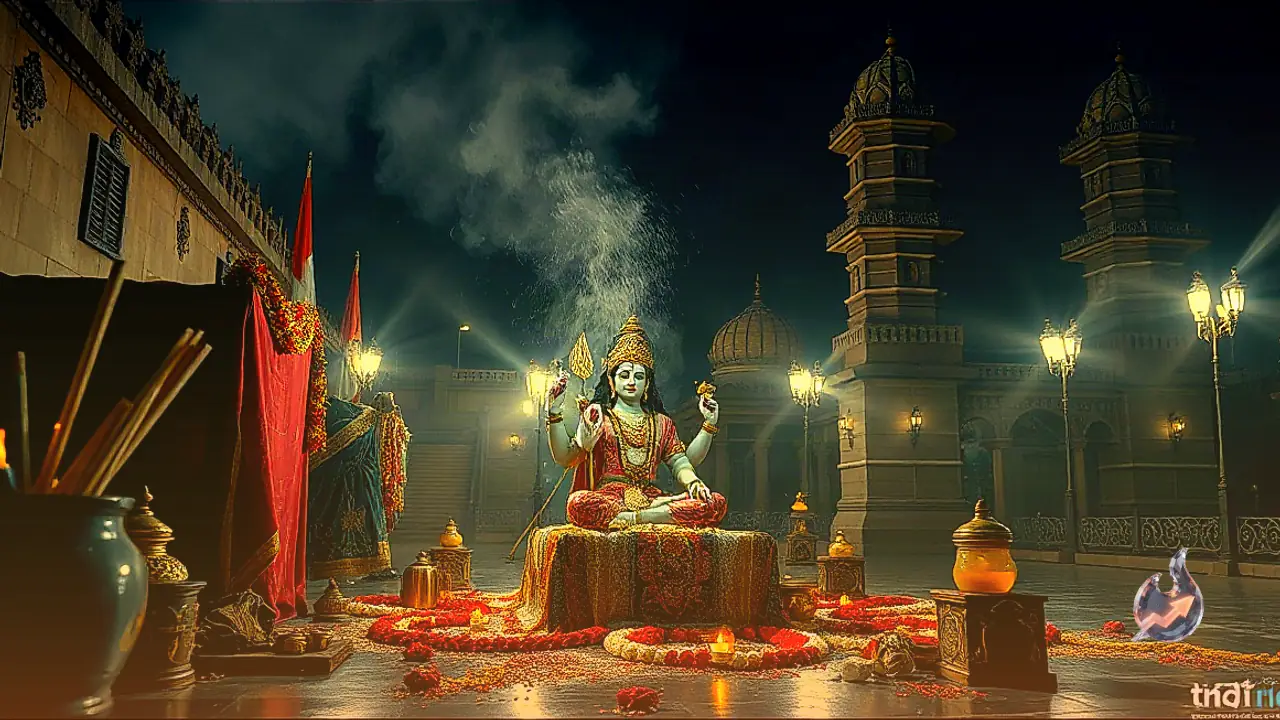
Observants begin the day with a purifying morning bath and clean attire before arranging their prayer corner. A clean platform draped in red or yellow cloth holds the representations of Radha and Krishna. As midday approaches, the ritual area is sprinkled with sacred water. Deities are bathed using panchamrit, followed by the presentation of new garments, fragrant garlands, and sacred ornaments.
Sandalwood paste, vermilion, unbroken rice grains, incense, and lamps are presented systematically. The offering of pure vegetarian foods typically includes freshly churned butter with sugar candy, sweet rice pudding, and seasonal fruits. Worshipers then engage in meditative mantra recitation, listen to the sacred appearance narrative, and culminate the service by chanting the traditional aarti before distributing the sanctified offerings.
Sacred Chants and Concluding Aarti
Scriptural recitation remains central to the observance. Seekers recite foundational chants, including the primary seed mantra, the Radha Gayatri mantra invoking divine enlightenment, and dedicated invocations honoring the consort of Krishna. Devotional sessions conclude with the singing of the traditional वृषभानुसुता (Vrishbhanusuta) aarti, marking the culmination of the festive midday service.