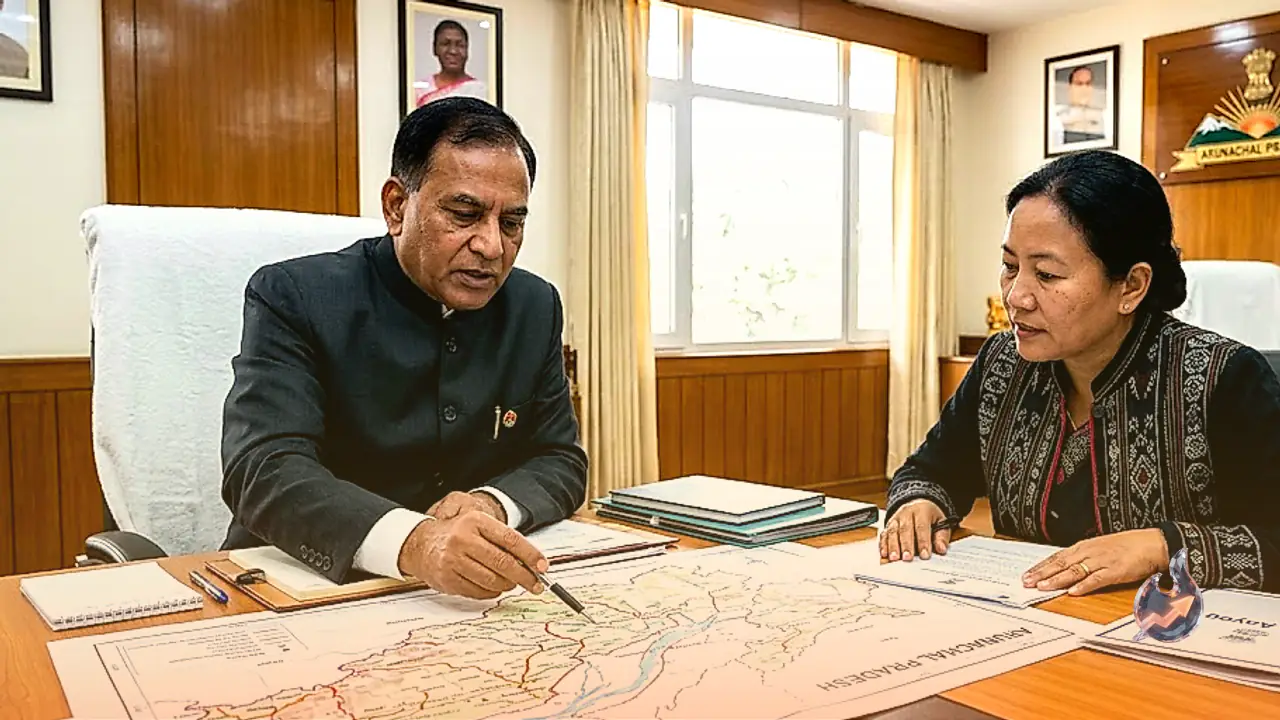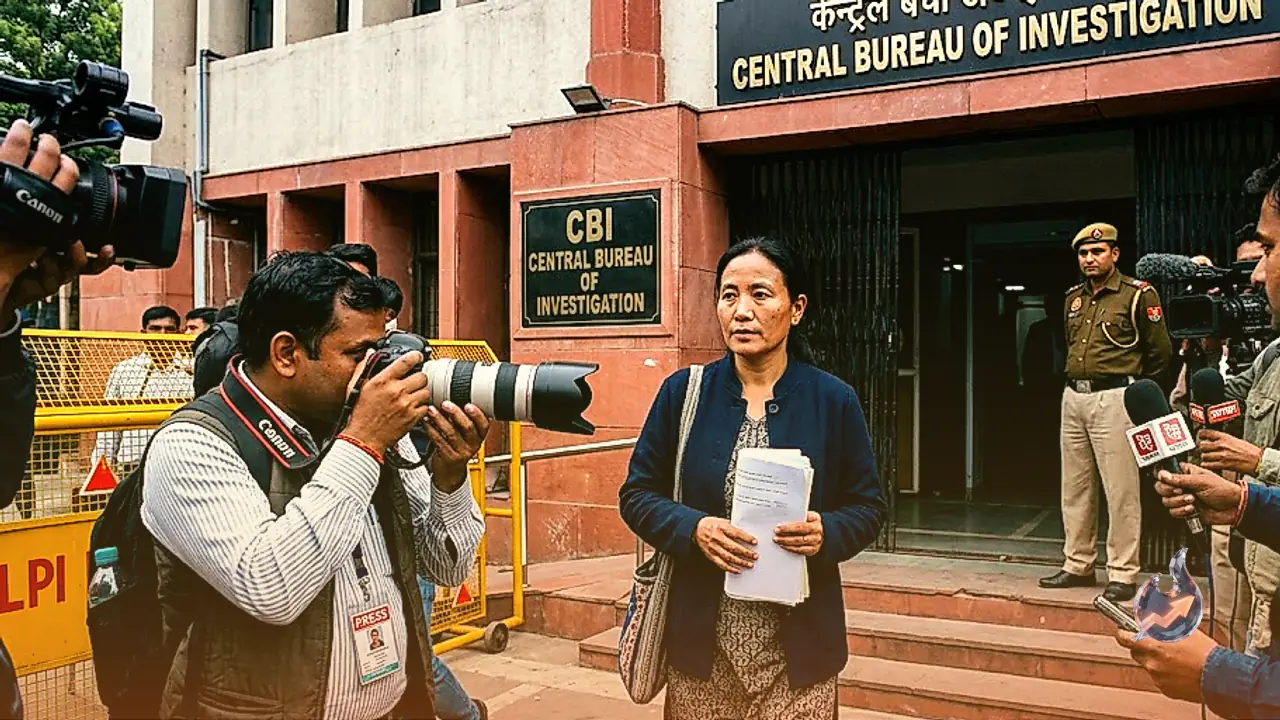



















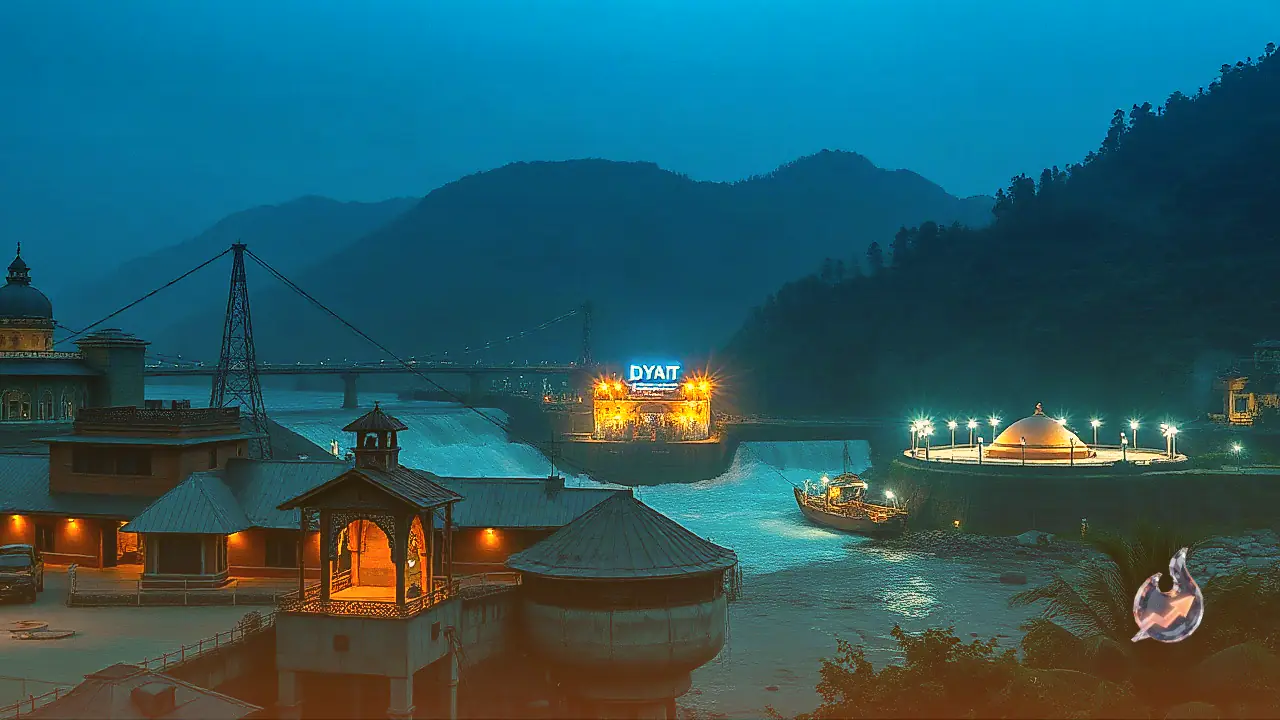

Arunachal Pradesh is positioning itself as a cornerstone in the countrywide push toward sustainable power generation. Speaking in New Delhi at Bharat Mandapam during the second day of the conference titled 'Financing India’s Journey towards a Viksit Bharat', Deputy Chief Minister Chowna Mein addressed a dedicated session on 'Financing Energy Transition' organized by the Ministry of Finance. He underscored that harnessing the frontier state’s water resources is a critical national strategic opportunity that directly bolsters nationwide energy security while complementing variable renewable sources like solar and wind power.
National Significance and Long-Term Generation Goals
Assessments indicate that Arunachal Pradesh possesses nearly 58,000 MW of hydropower potential, representing approximately 40 percent of the overall potential across India. With a long-term roadmap anchored to national development horizons, the state has set an ambitious target to develop 40 GW of operational hydropower capacity by the year 2047. Because solar and wind installations depend heavily on weather conditions, large-scale hydroelectric plants offer continuous baseload power that preserves stability across regional transmission networks.
Installed Capacity Milestones and Subansiri Lower Project
The state has seen substantial progress in commissioning generation assets over the last decade. Back in 2016, the total installed hydropower capacity across Arunachal Pradesh stood at just 405 MW. Steady project execution pushed that figure to around 1,200 MW, before climbing sharply to 2,270 MW following the commissioning milestones of the Subansiri Lower Project. This step-by-step expansion demonstrates the growing execution capability within the northeastern region.
Decade of Hydropower and Economic Multipliers
State planners have outlined an extensive campaign known as the 'Decade of Hydropower 2025–35', aiming to add 19 GW of generation capacity backed by an investment pipeline valued at around Rs 1.9 lakh crore. At present, roughly 19,000 MW of capacity is progressing through varied planning and approval stages, with 4,880 MW actively under construction. Beyond producing megawatts, these capital-intensive undertakings are projected to generate over 30,000 direct jobs alongside 16,000 indirect employment opportunities, stimulating regional entrepreneurship and local commerce.
“With nearly 58,000 MW of assessed hydropower potential and a vision to harness 40 GW by 2047, Arunachal Pradesh is committed to becoming a major contributor to India’s clean energy transition.”
Transmission Infrastructure and Terrain Constraints
Realizing the benefits of these power stations requires matching investments in power evacuation corridors. Given the remote locations and rugged mountain topography typical of Arunachal Pradesh, coordinated planning between generation and transmission networks is vital. Reliable power lines must be ready in tandem with turbines to feed electricity into local distribution networks as well as high-capacity interstate power grids, ensuring clean electricity reaches industrial and consumer demand hubs across the country.