














The twelfth-century Battle of Palnadu stands as one of the most consequential military engagements in South Indian history, fundamentally reshaping the political landscape of the Deccan region. Although the central battleground is situated at Karempudi in modern Andhra Pradesh, this epic chapter shares an unbreakable bond with the glorious Kakatiya dynasty of Telangana and the shared heritage of Telugu-speaking communities. Historian Sri Lekha Abu Bura points out that the historical borders of the Palnadu region lie directly adjacent to present-day Telangana districts such as Nalgonda and Suryapet, weaving their cultural memories tightly together across contemporary state boundaries.
The Kurukshetra of Telugu History and Its Political Fallout
The conflict erupted during the 12th century between Palnati Brahmanayudu, the minister of Macherla, and Nayaku Nagamma, the influential minister representing Gurajala. The dispute stemmed from fierce political rivalry as well as sharp divisions regarding authority and social reform initiatives. The resulting combat along the banks of the Nagaleru river produced casualties on an unprecedented scale, earning this confrontation the enduring title of the Kurukshetra of Telugu history. The prolonged carnage left both local ruling houses utterly depleted and weakened. This power vacuum directly benefited Kakatiya ruler Rudradeva of Warangal, who capitalized on the regional exhaustion to accelerate the rapid territorial expansion of the Kakatiya empire across Telangana and surrounding territories.
Ancient Arsenal Preserved at Veerula Gudi
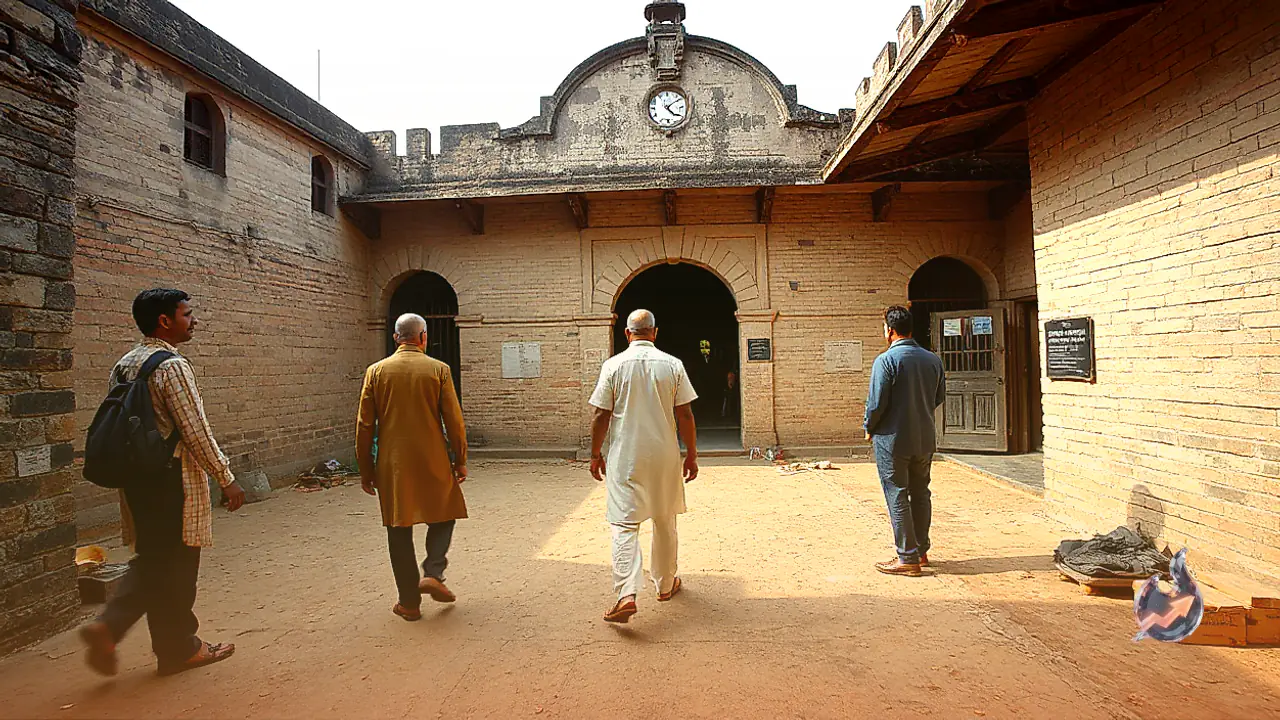
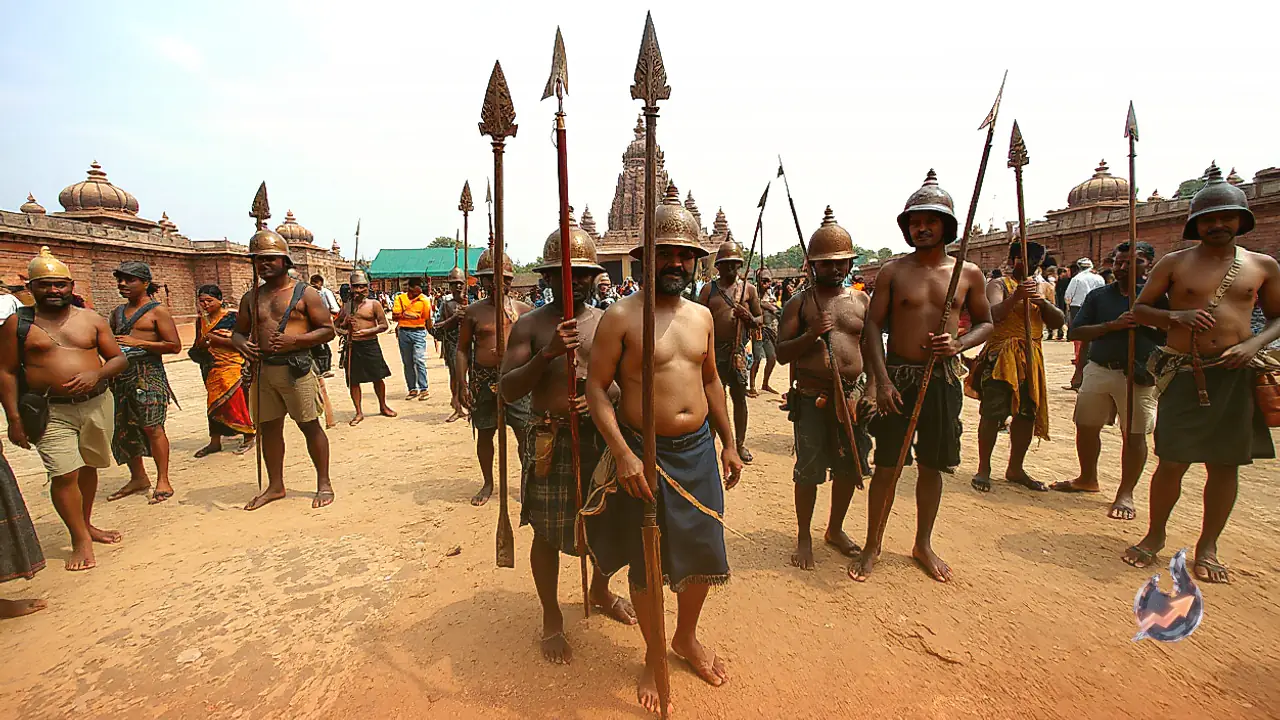
To honor the memory and supreme sacrifice of the warriors who perished during this devastating conflict, genuine weaponry from that medieval period is preserved to this day inside the Veerula Gudi temple at Karempudi. The ancient armory includes formidable battle swords of immense weight, long spears, metal tridents, and sharp daggers that were wielded on the battlefield centuries ago. These relics are not merely museum artifacts; they receive ritual veneration and systematic preservation in accordance with centuries-old spiritual traditions.
Doors Unsealed Annually for Karthika Amavasya Festival
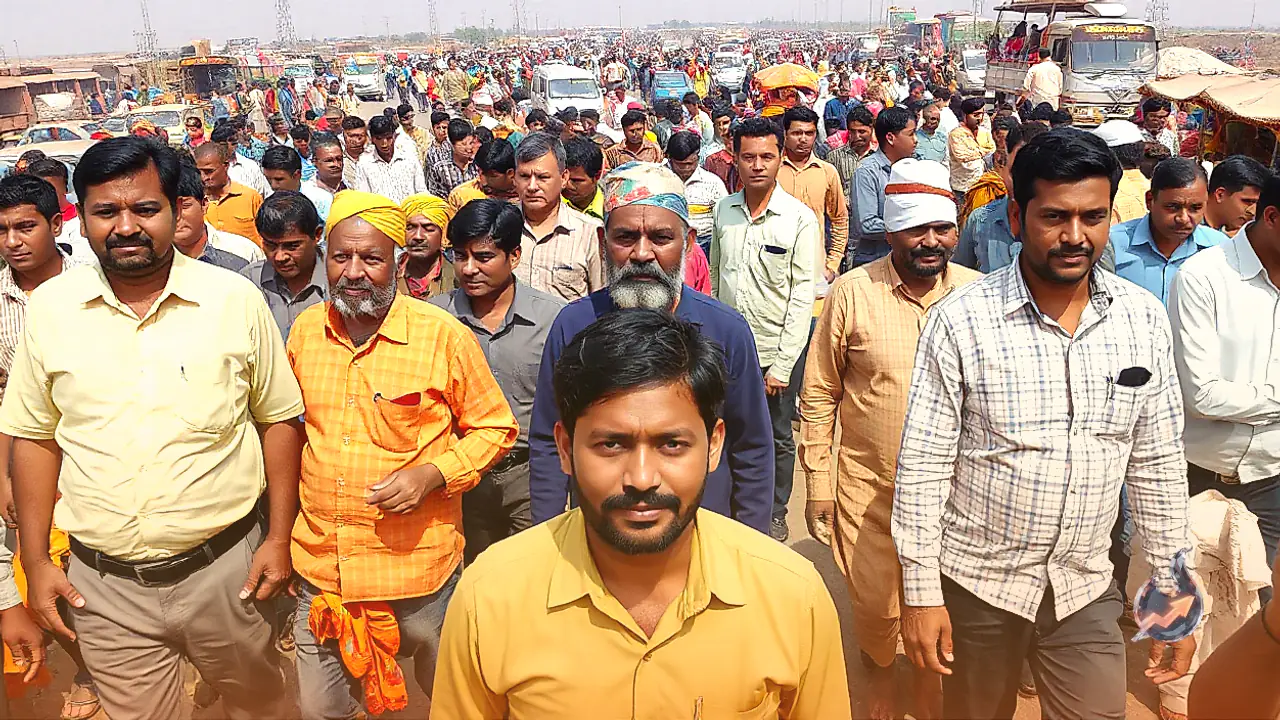
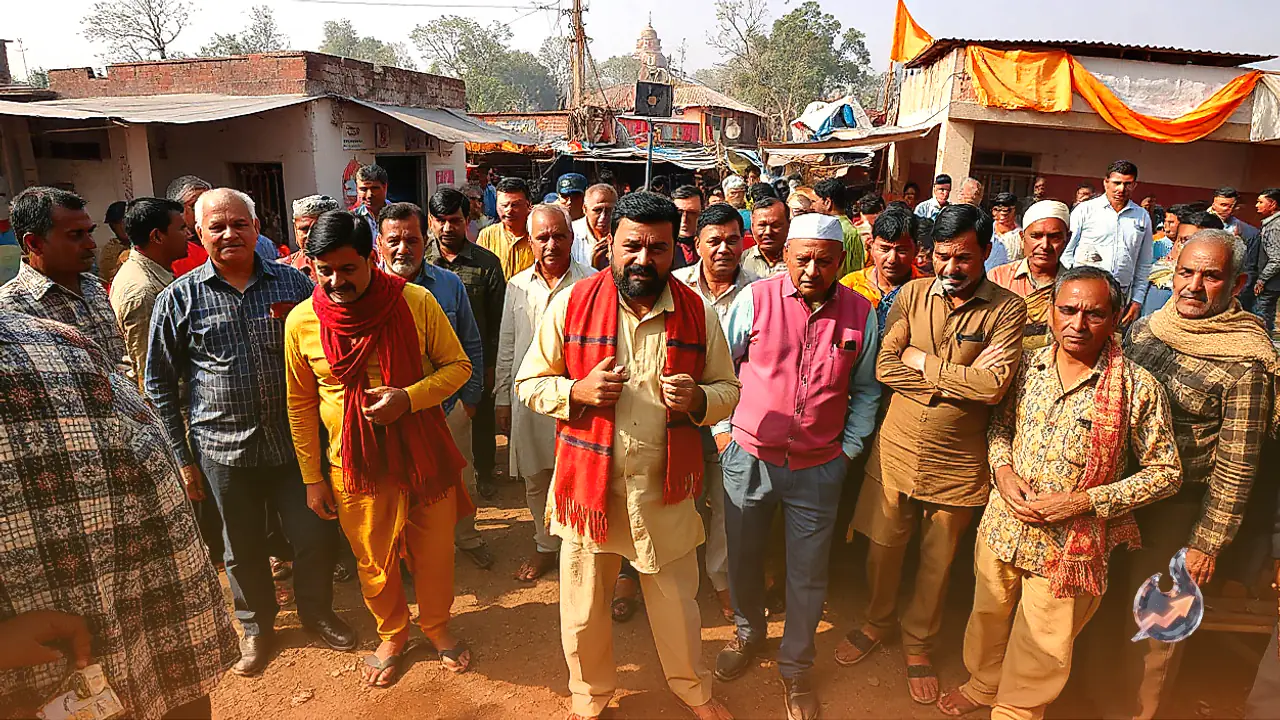
Under the traditional Telugu calendar, the temple hosts the grand five-day Palnati Veerula Aradhana festival every year starting on Karthika Amavasya. The temple sanctum remains shuttered for the rest of the year, with its heavy doors opening to the public exclusively across these five sacred days. During this ceremonial window, the ancient weapons are sanctified with turmeric and kumkum, adorned in fresh ceremonial garments, and worshiped with elaborate Vedic rituals. Devotees and history enthusiasts travel in large numbers from Telangana districts including Hyderabad, Nalgonda, Khammam, and Suryapet to witness this vibrant heritage, ensuring that the gallantry and sacrifices of ancestral heroes continue to inspire subsequent generations.