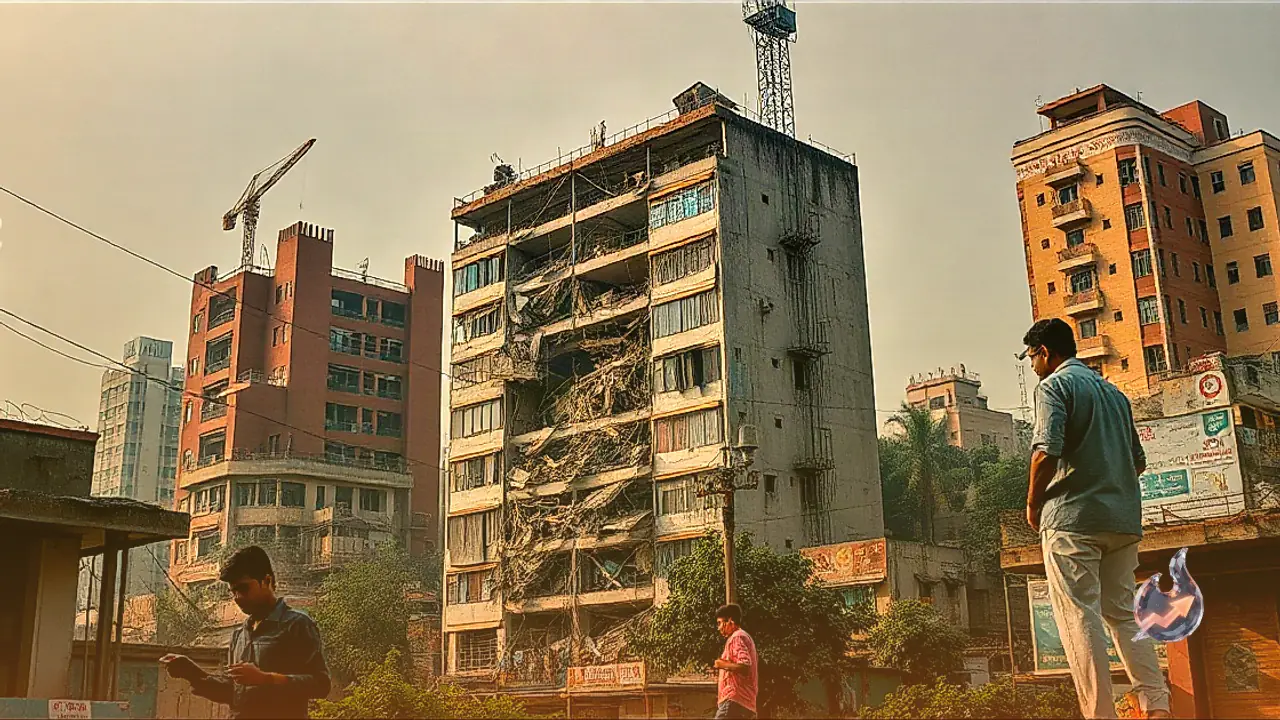























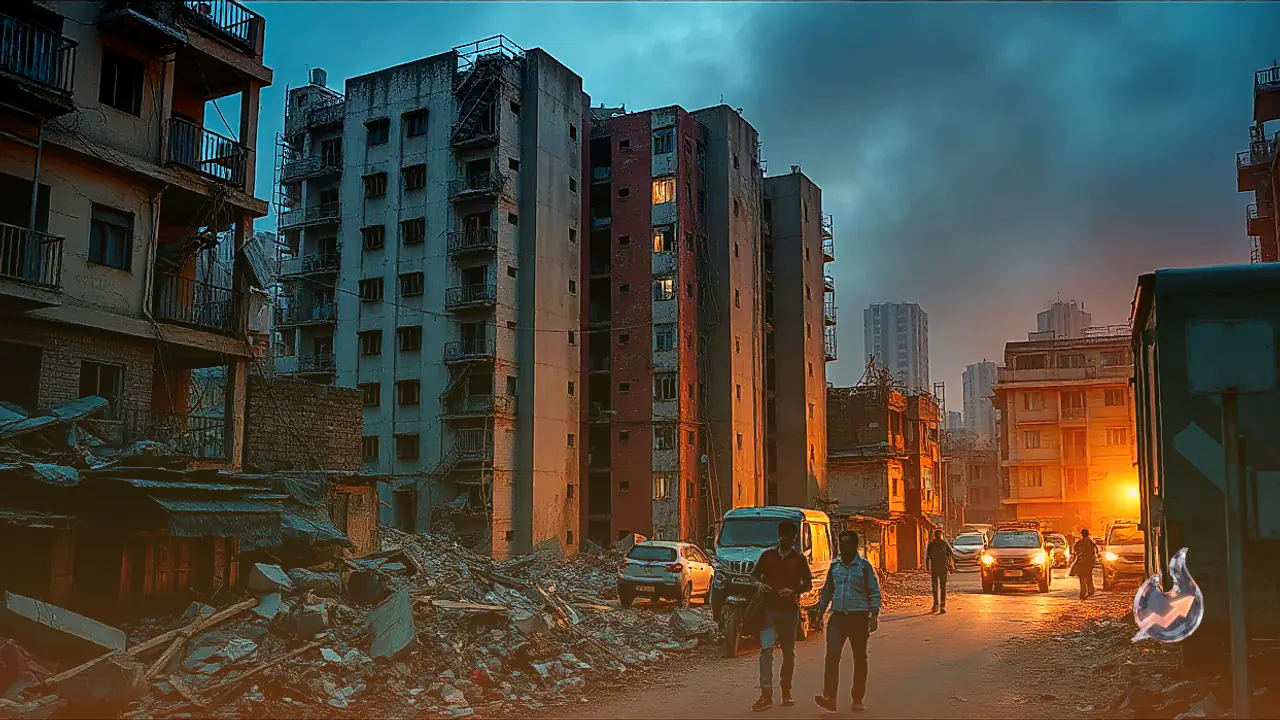

A tragic building collapse in the Satya Niketan locality of the national capital Delhi has highlighted severe deficiencies in urban infrastructure management. On Sunday, a nearly 50-year-old five-storey building that was being operated as a paying guest accommodation for students suddenly collapsed. Emergency response teams conducted an intensive search and rescue operation that lasted for approximately 27 hours to extract individuals trapped beneath the rubble. Official casualty figures confirm that 7 people lost their lives in the disaster, while 5 others sustained serious injuries. The incident has left nearby residents in a state of profound shock and fear. Terrified by the memory of the disaster, many students are vacating their local accommodations and demanding that the government provide safe public hostel facilities.
Over 33,000 Fatalities Recorded Across 5 Years Nationally
The catastrophe in Satya Niketan represents only a fraction of a much broader nationwide crisis concerning structural safety and civic management. Between the years 2020 and 2024, more than 33,000 people across India lost their lives in incidents involving building collapses, fire breakouts, and falls into open potholes or manholes. Official records indicate that a significant majority of these fatal events occurred within urban centers. Data compiled by the National Crime Records Bureau, also known as the NCRB, demonstrates that thousands of these annual deaths stem from preventable hazards. Experts emphasize that the true loss of life is likely higher than official statistics indicate, as comprehensive data regarding road accidents within municipal boundaries and fatalities linked to contaminated drinking water are not reflected in these numbers.
Investigation Findings and Arrests in the Satya Niketan Tragedy
Preliminary investigations into the Satya Niketan disaster have identified several structural vulnerabilities that contributed to the collapse of the 50-year-old building. Authorities reported that ongoing renovation work, structural weakness, and severe waterlogging inside the basement are believed to be the primary factors behind the structural failure. Following initial inquiries into negligence and safety non-compliance, law enforcement officials arrested three members of the building owner's family. In the wake of this disaster, there is a growing public demand across Delhi for strict administrative action against unsafe and illegally modified structures. Local residents and student groups are calling for mandatory safety audits of old residential buildings to protect lives.
Systemic Governance Failures and Urban Safety Hazards
Urban safety analysts point out that a large proportion of the 33,000 deaths over the past 5 years could have been avoided through timely maintenance, regular inspections, and strict enforcement of building control regulations. Beyond structural collapses, recurring civic crises such as severe waterlogging and massive garbage accumulation across various parts of Gurgaon and Delhi expose the deteriorating state of municipal governance. The widespread presence of unmaintained public infrastructure, unsafe commercial and residential buildings, and poor oversight by local civic bodies continue to pose grave risks to public safety every day.