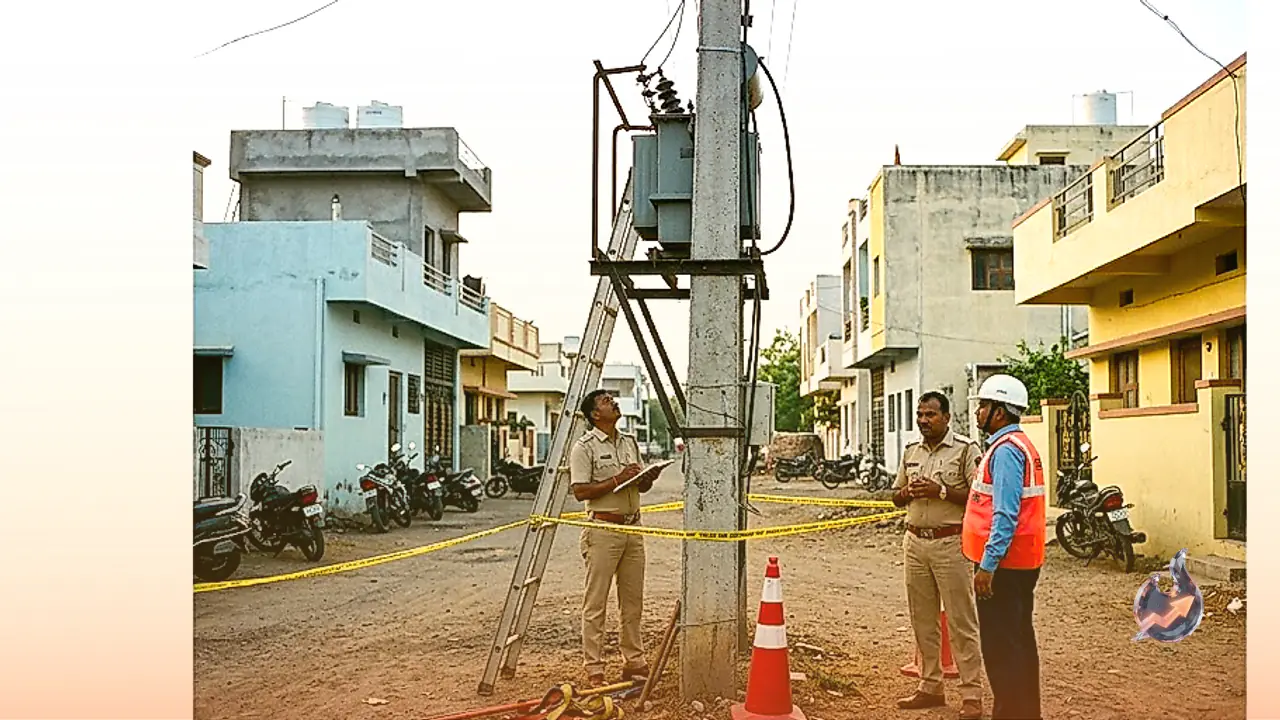






















In a major effort toward sustainable urban wastewater management and water conservation, the industrial city of Kanpur in Uttar Pradesh has achieved a vital milestone. A newly commissioned Tertiary Treatment Plant (TTP) located in Bingawan has begun supplying 40 million liters per day (MLD) of high-grade purified water to the Panki Thermal Power Plant. This recycled water is being effectively utilized in the cooling towers of the power generation facility. By replacing fresh water with treated effluent, the power plant has significantly scaled down its reliance on natural water bodies, ensuring that clean, irrigable water remains reserved for regional agriculture.
Infrastructure Blueprint: Rs 249.92 Crore Project and 18-Kilometer Pipeline
The Bingawan facility already operates a Sewage Treatment Plant (STP) with a secondary treatment capacity of 210 MLD. In this existing setup, domestic sewage undergoes initial primary and secondary biological purification. The effluent is then routed into the integrated Tertiary Treatment Plant, where advanced filtration processes, specifically Reverse Osmosis (RO) and Ultrafiltration (UF) membrane technologies, are deployed to achieve optimal clarity and purity levels. Ultrafiltration removes suspended particulates, while Reverse Osmosis extracts dissolved minerals and salts.
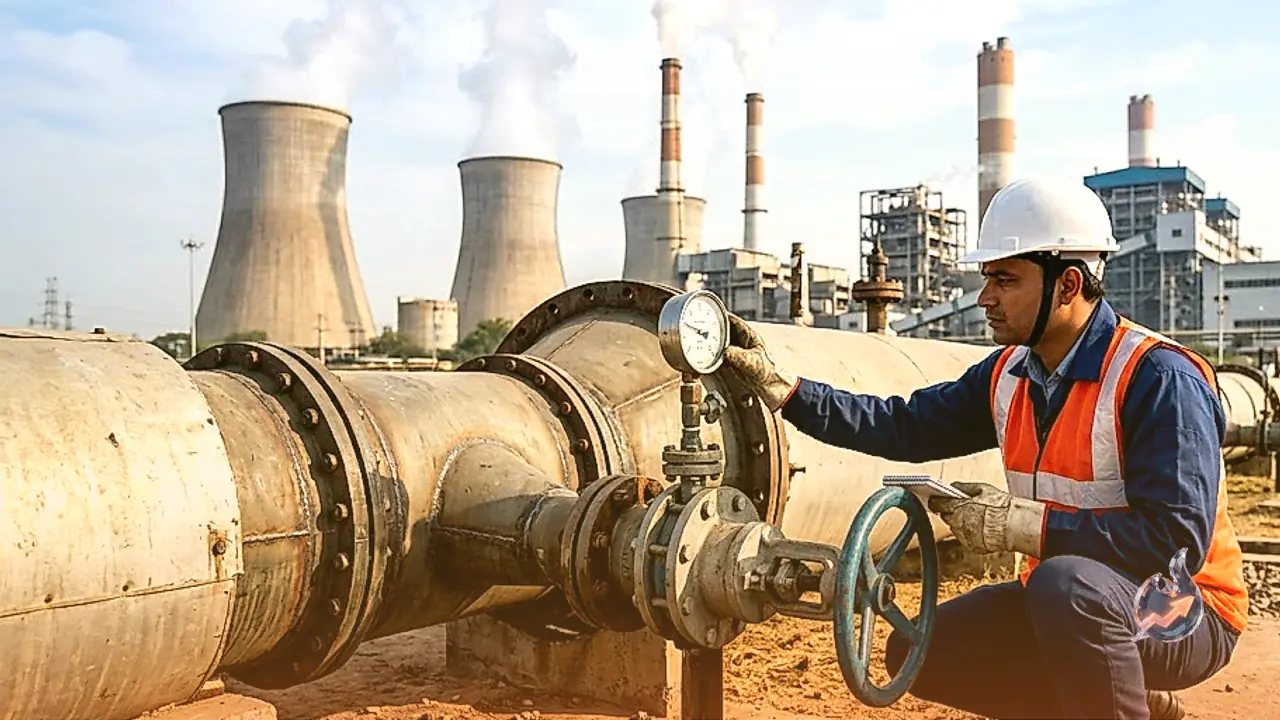
Constructed at an aggregate expenditure of approximately Rs 249.92 crore, the comprehensive infrastructure includes an 18-kilometer dedicated pipeline with a diameter of 600 millimeters. This pipeline bridges the Bingawan plant directly with the Panki Thermal Power Station, enabling the uninterrupted daily transfer of 40 MLD of high-purity recycled water.
Technical Imperative: Why Power Plant Cooling Systems Require Ultra-Clean Water
Thermal power generation generates intense heat, demanding continuous circulation of vast water quantities through cooling towers to maintain operational equilibrium. Utilizing untreated or standard-quality water in these high-temperature environments leads to severe operational hazards. Dissolved solids and impurities cause scaling, forming thick mineral crusts inside condensers and supply pipes, while accelerating metallic corrosion.
Such degradation dampens thermal efficiency, forces frequent shutdown cycles, and sharply elevates maintenance expenditures. To eliminate these technical risks, the Bingawan TTP utilizes RO and UF membrane filtration to remove total dissolved solids, organic contaminants, and microscopic particulates. This ensures the recycled water satisfies the stringent technical standards needed for power plant machinery.
Environmental Impact: River Restoration and Agricultural Preservation
The primary advantage of this closed-loop recycling initiative lies in its environmental sustainability. Previously, after receiving secondary treatment, substantial volumes of treated sewage were discharged into natural watercourses and river basins, adding to aquatic pollution burdens. Under the current framework, this wastewater is upgraded to industrial grade and redirected toward electricity production.
This approach delivers double environmental dividends. On one hand, it diminishes the volume of municipal sewage flowing into open river ecosystems. On the other hand, it curbs the thermal station's intake of fresh groundwater and canal water by 40 million liters every day. Consequently, precious freshwater resources are conserved for local farming communities, strengthening agricultural water security.
Alignment with Tariff Policy 2016 and Strategic Pioneer for Uttar Pradesh
This project directly fulfills the requirements set forth in India's Tariff Policy 2016, which mandates that thermal power stations situated within a 50-kilometer radius of any sewage treatment facility must utilize treated sewage water for their operational cooling requirements. In strict compliance with these national guidelines, the 40 MLD TTP was constructed in Bingawan.
The facility was constructed by NTPC, while its ongoing operations and routine maintenance are overseen by Uttar Pradesh Jal Nigam (Urban). Operating on RO and UF membrane tech, this plant stands as the very first tertiary treatment facility of its kind in Uttar Pradesh. Kanpur's successful model now serves as a benchmark for water recycling and industrial sustainability, paving the way for similar projects across other industrial hubs in the state.