



















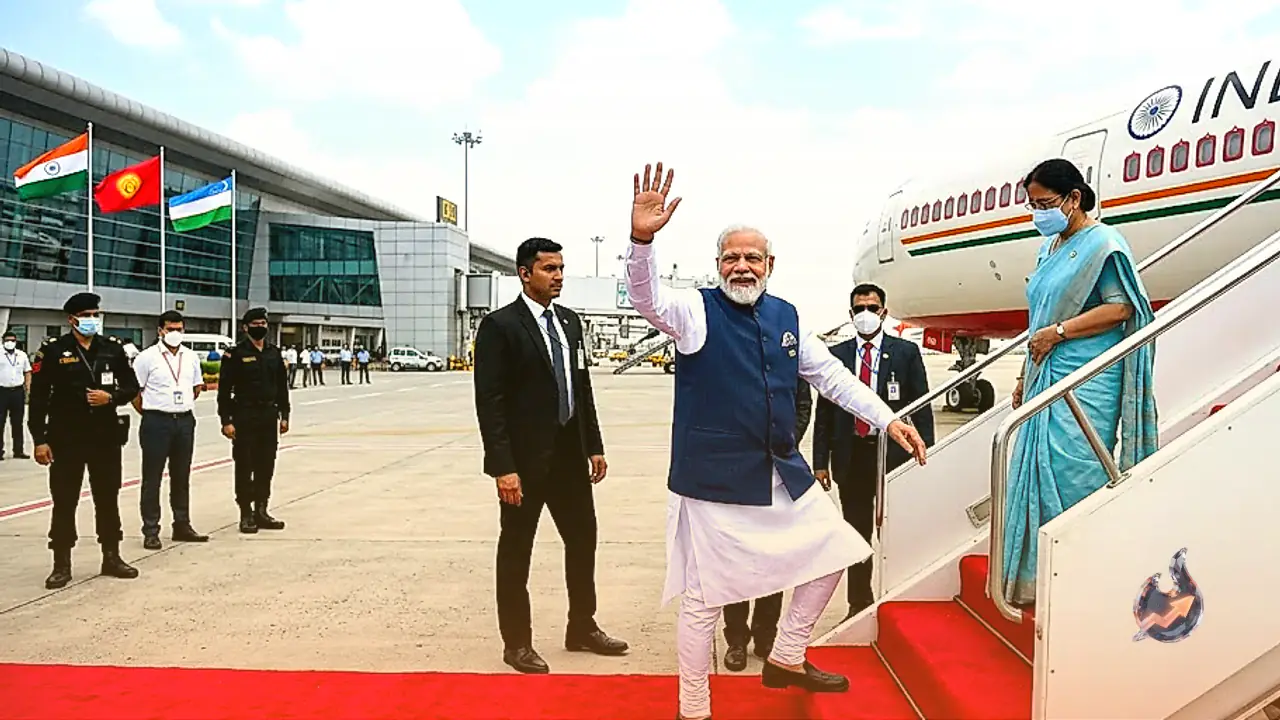

Prime Minister Narendra Modi is setting off on a highly consequential four-day diplomatic visit to Central Asia, marking a strategic chapter in India's foreign policy. The global community, including policymakers in Washington, Beijing, and Islamabad, is keeping a close watch on this tour as the Prime Minister travels to Uzbekistan and Kyrgyzstan to attend the Shanghai Cooperation Organization (SCO) Summit. The presence of global heavyweights such as Russian President Vladimir Putin and Chinese President Xi Jinping underlines the high geopolitical stakes of this mission. Through this visit, India aims to reinforce its long-term energy security, enhance regional trade connectivity, and upgrade its national defense capabilities.
Detailed Itinerary: Visits to Uzbekistan and Kyrgyzstan
The schedule for Prime Minister Narendra Modi's four-day diplomatic tour of Central Asia has been systematically structured to balance bilateral partnerships with multilateral engagements. On August 29 and August 30, the Prime Minister will be in Uzbekistan for bilateral discussions focused on trade expansion, regional security, and defense cooperation. Following his stay in Uzbekistan, he will travel to Kyrgyzstan on August 31 and September 1. In Kyrgyzstan, the primary focus will be the annual summit of the Shanghai Cooperation Organization (SCO), where leaders will deliberate on regional security frameworks and economic integration.
The high point of the SCO Summit in Kyrgyzstan will be the scheduled high-level bilateral interaction between Prime Minister Modi and Russian President Vladimir Putin. Their dialogue is expected to center on securing India's long-term energy supplies and navigating global supply chain dynamics. Chinese President Xi Jinping is also attending the summit, though confirmation regarding an official bilateral meeting between Prime Minister Modi and the Chinese leader remains open. The summit serves as a crucial platform for India to assert its strategic autonomy while maintaining engagement with key Eurasian powers.
SCO Summit Dynamics and Geopolitical Counterweights
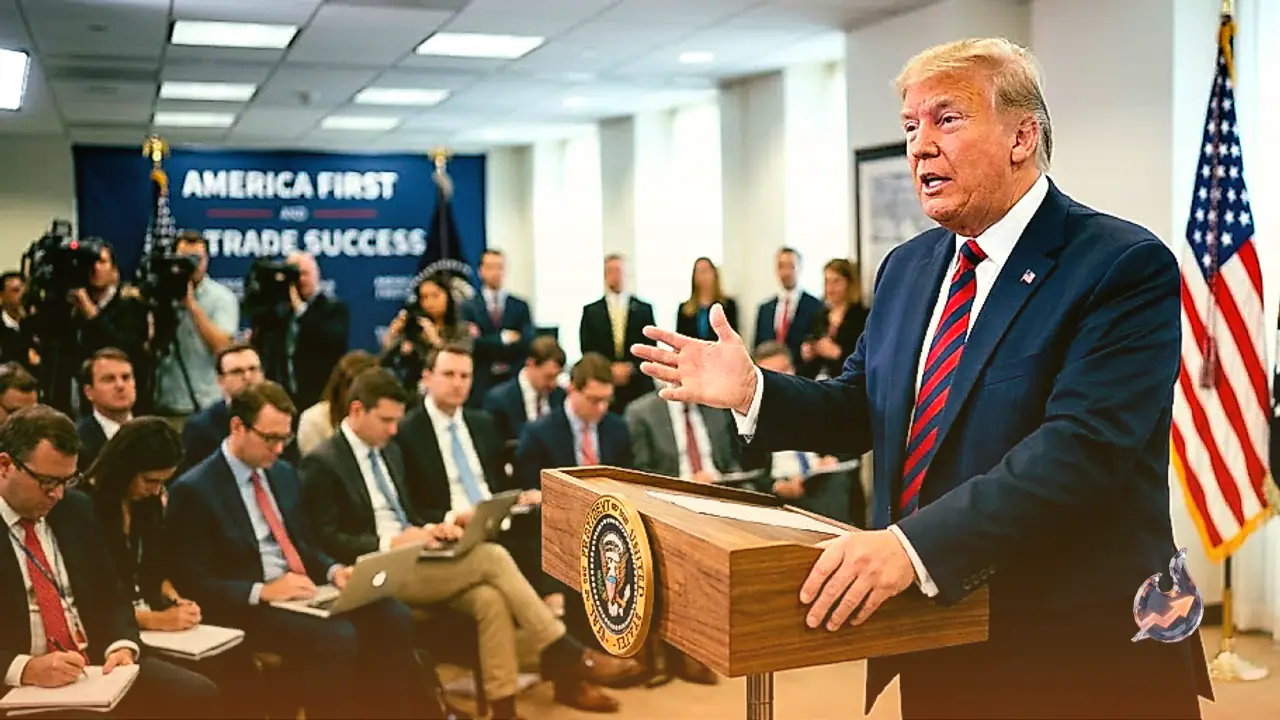
The convergence of India, Russia, and China at the SCO Summit routinely shapes global geopolitical calculations. During a previous SCO Summit held in China, the close interactions among Modi, Putin, and Xi created significant unease for then US President Donald Trump. A similar alignment among these leaders in Kyrgyzstan would send strong signals to Western capitals regarding Eurasian economic and security cohesion. Furthermore, India plans to utilize the SCO platform to firmly address cross-border terrorism, directly calling out state-sponsored terror networks operating in the region.
The diplomatic progress achieved in Kyrgyzstan during the SCO Summit is also expected to lay the groundwork for the upcoming BRICS Summit hosted by India. By engaging with Central Asian partners right before attending the SCO sessions, India is strengthening its standing across Eurasia. As Pakistan attempts to forge new regional alliances, such as the Mecca Pact with Saudi Arabia and Turkey, India's active presence in Uzbekistan provides a strong strategic counterbalance in Central Asia.
Central Asian Strategy and Countering China's BRI
Uzbekistan holds a crucial position in Central Asian geopolitics due to its central geography and direct border with Afghanistan. Given the ongoing diplomatic frictions between Afghanistan and Pakistan, Uzbekistan emerges as a vital partner for India's regional diplomacy. India has consistently raised concerns over terrorist networks operating out of Central and South Asia, making security and intelligence cooperation with Uzbekistan a key priority.
Trade expansion between India and Central Asia faces a major obstacle due to the lack of direct land access, caused by Pakistan blocking transit routes. To bypass this barrier, India has been actively investing in alternative trade corridors, including the Iranian port of Chabahar and the International North-South Transport Corridor (INSTC). Deepening ties with Uzbekistan allows India to expand its trade footprint across Central Asia, where China has already invested heavily through its Belt and Road Initiative (BRI). India aims to build a robust counter-presence by increasing collaboration in defense, digital technology, energy, and commercial infrastructure.
Balancing Russia Ties with the US Javelin Missile Agreement
While Prime Minister Modi reinforces India's strategic partnership and energy security ties with Russian President Vladimir Putin in Kyrgyzstan, India is simultaneously advancing its military collaboration with the United States. In a major defense development aligned with this diplomatic tour, India and the United States have finalized an agreement for the procurement of advanced Javelin Anti-Tank Guided Missile (ATGM) systems.
Under the terms of this defense contract, India will acquire 100 FGM-148 Javelin missile rounds along with 25 Lightweight Command Launch Units. The total financial outlay for this military purchase is estimated at approximately ₹436 crore. The Javelin system is recognized globally as one of the most effective shoulder-launched anti-tank weapons, offering infantry units high mobility and precision firepower against heavy armor.
Javelin Technology and Domestic Co-Production via Make in India
The FGM-148 Javelin missile utilizes advanced fire-and-forget technology equipped with an infrared thermal tracking seeker. Once launched, the missile independently tracks the target's thermal signature, allowing the operator to immediately take cover. Designed specifically to neutralize modern main battle tanks and armored personnel carriers, the latest variant of the Javelin features an effective engagement range of up to 4 kilometers.
The system operates in two distinct engagement modes: direct attack mode and top attack mode. In top attack mode, the missile climbs vertically after launch before diving down onto the top of the armored vehicle. Because main battle tanks feature heavy frontal armor but relatively thin roof protection, the Javelin's top attack profile maximizes destruction. This capability was demonstrated extensively during the Ukraine conflict, where thousands of US-supplied Javelin missiles were deployed against armored vehicles.
Beyond importing completed systems, India's broader strategic goal is to establish local manufacturing facilities for the Javelin missile. In February 2025, Bharat Dynamics Limited signed a Memorandum of Understanding (MoU) with the Lockheed Martin Javelin Joint Venture to explore domestic co-production opportunities in India. This step aligns directly with India's Make in India initiative, ensuring technology transfer and domestic production capabilities for frontline anti-tank weaponry.