

















While the date of August 15, 1947, was fixed for India's independence and preparations were underway across the nation, August 13 offered little calm or resolution. Amid border partition announcements, fears of riots, and intense political negotiations, a series of unprecedented events unfolded within 24 hours that fundamentally altered India's geopolitical landscape. In Kolkata's Beliaghata, Mahatma Gandhi faced violent demonstrations and stone-pelting at Hyderi Manzil, while in the Congress Working Committee meetings, Jawaharlal Nehru's firm stance on holding a referendum in the North-West Frontier Province resulted in the loss of that strategic region. On the very same night, the Lahore station of All India Radio permanently altered its identity to announce the official broadcast launch of a new nation.
Violent Protests at Beliaghata's Hyderi Manzil and Gandhi's Calm Response
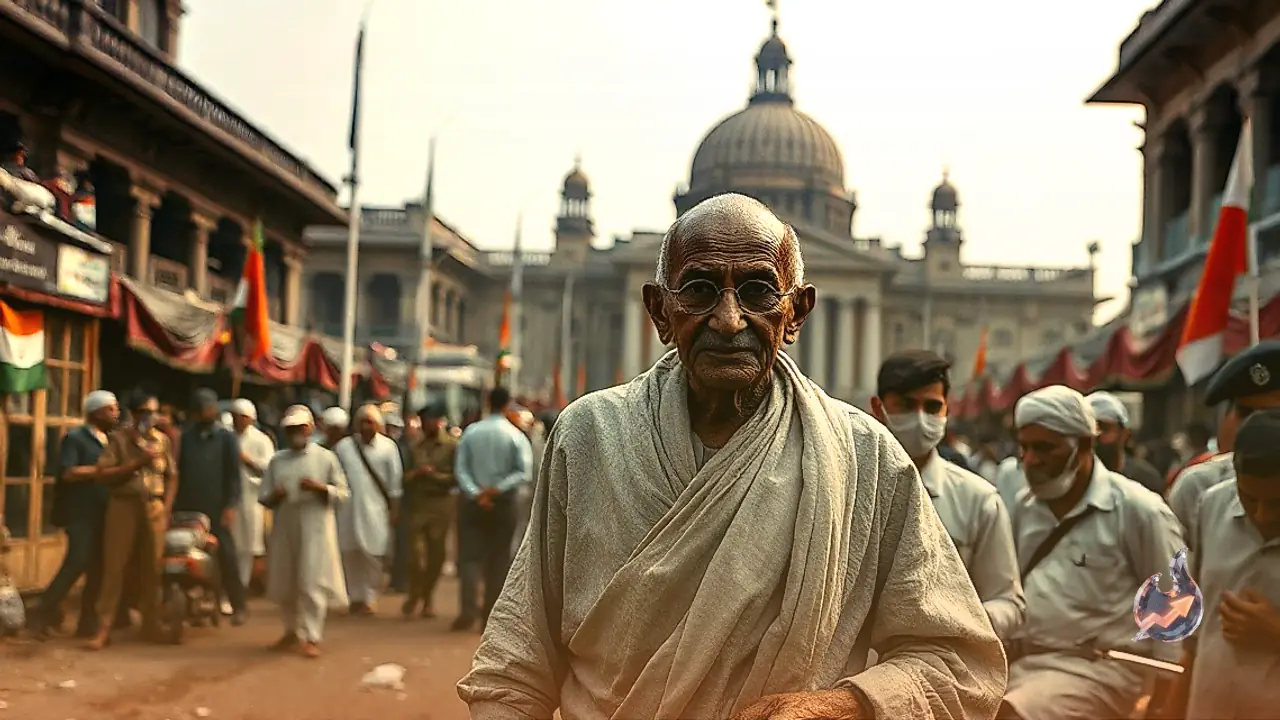
At approximately 3:00 PM on August 13, 1947, Mahatma Gandhi arrived at Hyderi Manzil in Kolkata's troubled Beliaghata neighborhood. Accompanied by Mahadev Bhai, Manu, and several dedicated associates, Gandhi had traveled to Bengal to help soothe communal tensions and oversee relief efforts. However, upon arrival, he was greeted by intense hostility from local demonstrators. A large crowd gathered outside the residence and began chanting aggressive slogans against him. The atmosphere rapidly escalated as protestors began hurling glass bottles and stones at the building.
Author Prashant Pole provides a detailed account of this confrontation in his book 'Ve Pandrah Din'. According to the text, even as projectiles pelted the structure, Mahatma Gandhi remained entirely unperturbed. Assessing the volatile situation, Gandhi stepped outside the building and raised his hand to gesture for peace. His calm and courageous posture immediately influenced the crowd, bringing an abrupt halt to the shouting. He then proceeded to address the hostile gathering directly, transforming the tense environment.
Addressing the demonstrators, Gandhi stated, "If you return to violence and madness, I will not be a living witness to it." He explained that his sole purpose in Kolkata was to serve both Hindu and Muslim communities equally, surrendering his personal safety to their care. He appealed directly to the Hindu residents to ensure that no Muslim citizen in Kolkata suffered any harm. Gandhi emphasized that by remaining in Beliaghata, he was attempting to protect the lives of Hindus affected by violence in Noakhali. Following his brief and emotional address, he quietly retreated back inside Hyderi Manzil.
The NWFP Accession Debate and the Rift Between Nehru and Patel
Simultaneously, as Gandhi worked to restore peace in Kolkata, a major territorial debate concerning the North-West Frontier Province was reaching a climax. Historically, the Pashtun population of the province maintained deep differences with Pakistani Punjabis. Consequently, the local Pashtun leadership and majority population had expressed a strong preference for merging with India rather than joining Pakistan.
The political structure of the provincial assembly also heavily favored integration with India. In the 1945 provincial elections, despite the region being Muslim-majority, the Muslim League suffered a decisive defeat, allowing the Congress party to secure a clear majority and form the government. Based on constitutional principles, the accession of the province to India via a parliamentary vote seemed virtually assured. However, as accession discussions progressed, a procedural demand by Jawaharlal Nehru altered the outcome.
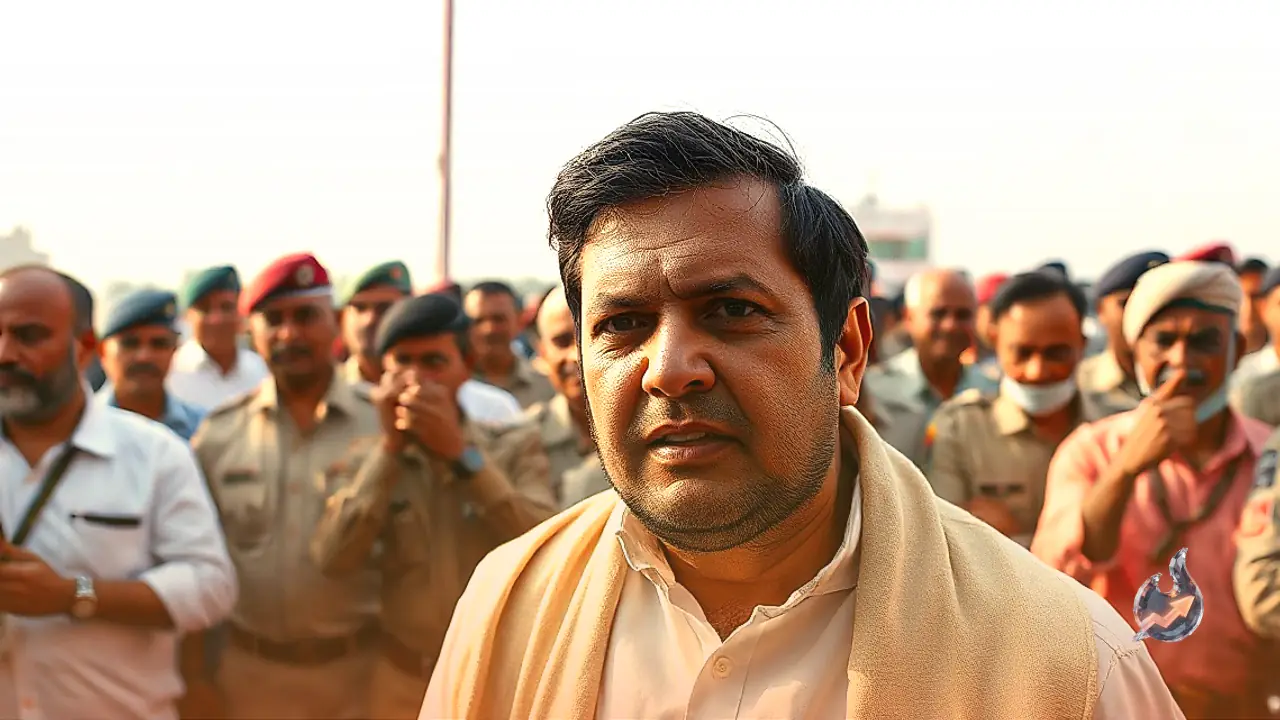
Jawaharlal Nehru insisted that the final decision regarding the North-West Frontier Province must be made through a popular referendum rather than a vote in the provincial assembly. When this matter was brought before the Congress Working Committee, Sardar Vallabhbhai Patel strongly opposed Nehru's position. Sardar Patel argued that because assembly majorities were determining accession in all other provinces, the same standard should apply to the frontier. Patel pointed out that provinces with Muslim League majorities were joining Pakistan through assembly decisions; therefore, fairness dictated that the Congress-majority assembly in the North-West Frontier Province should vote to join India. Despite these arguments, Nehru maintained his stance on holding a referendum, which ultimately led to the loss of this vital territory.
Midnight Broadcast Shift: AIR Lahore Station Transforms into Pakistan Radio
Beyond the political deliberations and social unrest, broadcast media recorded the final moments of undivided India. At approximately 11:50 PM on August 13, the Lahore station of All India Radio aired its final standard announcement. The broadcaster informed listeners that they were tuned to the Lahore station of All India Radio and requested them to stand by for a special announcement in a few minutes. Continuous musical pieces played over the airwaves for the next ten minutes, building anticipation across the region.
Precisely as the clock turned to 12:01 AM, a new greeting echoed across the frequency. The broadcast declared, "Assalam-o-Alaikum. Welcome to Pakistan's Broadcasting Service. We are speaking from Lahore. Qubool-e-Subah-e-Azaadi." With this single transmission, the identity of the All India Radio Lahore center ended. The midnight broadcast on August 13 formally marked the official media inauguration of Pakistan on the global stage.