


















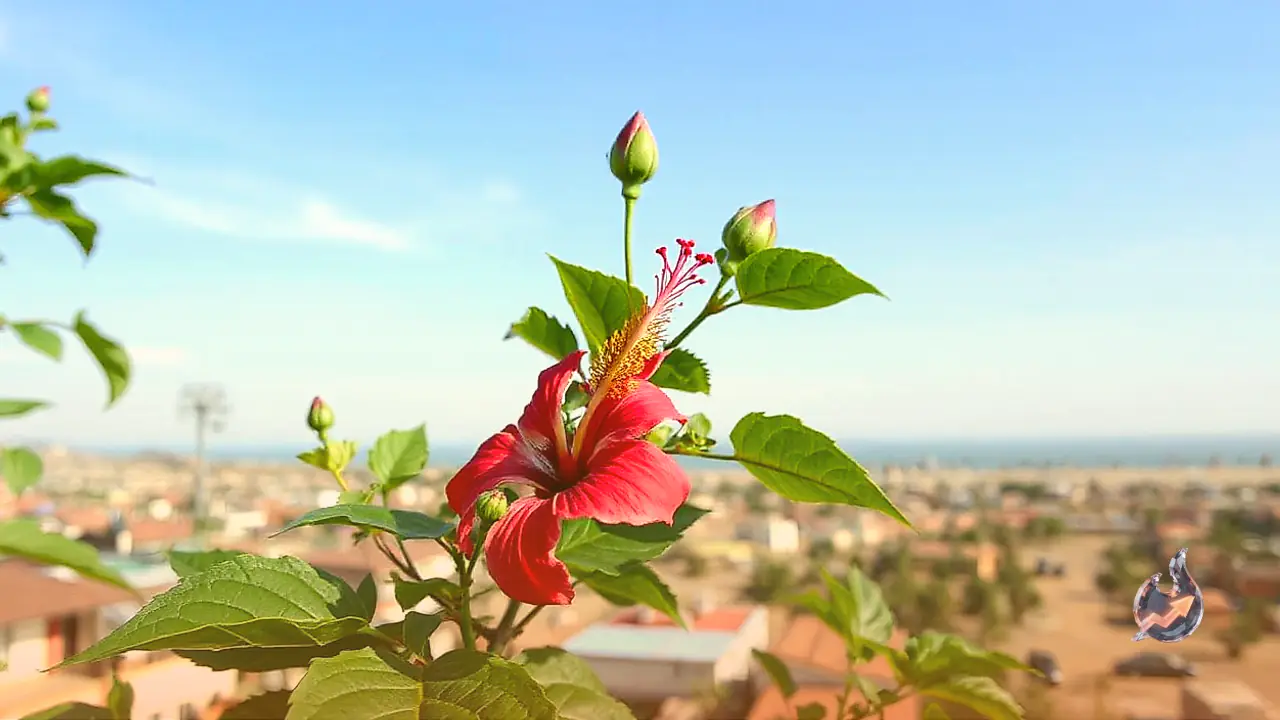

If your potted hibiscus plant looks lush and green but has failed to produce a single bloom for days, the first thing to check is the exact placement of the container. Sometimes, a spot in the balcony that receives bright morning sunlight might end up in the shadow of a wall or overhang by midday. As a result, the plant receives plenty of ambient light throughout the day, but lacks direct sunlight. Furthermore, moisture management can fluctuate, with water occasionally standing in the pot while at other times the soil dries out so severely that the leaves begin to droop. These environmental shifts can directly impact the developing flower buds. Amidst these common issues, a gardener has shared a simple homemade preparation method using raw potatoes, where the vegetable is ground with its skin intact, mixed with water, and then strained.
It is best to view this remedy as an experimental home treatment. Even when the plant is kept in optimal conditions and watered correctly, the frequency of daily blooms will ultimately depend on the current weather and the overall health of the plant. Generally, an individual hibiscus flower stays open for only about a day. Therefore, a single blossom wilting by evening and buds dropping off unopened are two entirely different phenomena.
How to Prepare the Homemade Potato Solution
According to the method suggested by the gardener, start with a medium-sized potato. Wash it thoroughly to remove any dirt clinging to the skin. Next, chop the potato into small pieces, keeping the peel on, and place them into a blender. Add a small amount of water to help blend the mixture into a smooth paste. Once the paste is ready, transfer it into a container. The instructions recommend taking one part of this potato paste and mixing it with approximately five parts of water, using the exact same measuring cup or bowl for both ingredients. After thorough mixing, strain the liquid through a fine-mesh sieve or a clean cotton cloth to separate all the pulp and coarse potato fibers.
Check Soil Moisture Before Applying the Solution
Instead of spraying this homemade mixture over the foliage, the solution is poured directly into the potting soil. If you wish to test this method, check the moisture level of the soil with your finger first. If the soil is already damp or if standing water is visible in the saucer beneath the pot, avoid adding any more liquid that day. It is also unnecessary to pour the entire batch of solution from a single potato into just one pot, especially since smaller containers saturate very quickly. While potatoes naturally contain nutrients, the concentration in a DIY mixture like this remains unmeasured and variable. Therefore, there is no clear scientific basis for using it as a direct substitute for measured fertilizers or establishing a strict monthly routine.
Evaluate How Much Direct Sunlight the Pot Receives
Over the course of a morning, check your balcony two or three times to observe whether direct sunlight is actually hitting the hibiscus leaves or if the area is merely bright. For indoor hibiscus plants, the University of Minnesota Extension recommends a location that receives four to five hours of direct sunlight daily. If your pot has lingered in a shaded spot for a long time, gradually move it toward a brighter area to give the plant ample time to adjust to the new environment. Winter shifts the angle of sunlight, so verify whether the corner that enjoyed great sunlight during summer still receives adequate light now.
Inspect Beneath the Pot After Watering
The soil around a hibiscus plant should maintain a gentle, consistent moisture level. Check the soil by touch before deciding whether it is time to water. If the earth still feels damp, hold off on watering. When you do water, pour it slowly over the soil so it reaches the roots and any excess drains smoothly out of the bottom holes. Empty any stagnant water collected in the saucer below. Winter temperatures mean soil dries much slower, so the daily watering routine used in summer will not apply year-round. If water pools on the surface or fails to drain from the bottom, inspect the drainage holes of the pot immediately.
Identify the Root Cause Before Adding Fertilizer
If buds are forming but dropping off before they ever open, review your care routine over the past few days. Did you suddenly move the container to a new spot? Is cold nighttime wind drafting directly across it? Did the soil ever dry out completely only to be flooded with water afterward? Insufficient light, erratic watering, and sudden temperature swings can all stress developing buds. Additionally, inspect the undersides of the leaves carefully. If you spot tiny pests, identify them first. If the plant enjoys good light, proper drainage, and genuinely requires feeding, choose a balanced fertilizer formulated for flowering potted plants and follow the exact dosage printed on the package.
Watch Out for Bud-Bearing Stems During Pruning
Dead or dry branches can be clipped away using clean shears. However, before trimming any green stem, examine it closely for tiny developing buds. If the plant has already set buds and you are eagerly awaiting those flowers, postpone heavy pruning. Cutting back active stems can remove the attached buds and force you to wait significantly longer for the next flush of blooms. Whenever you alter the plant's location or watering schedule, monitor the new leaves and buds closely over the next few days to understand how the plant is responding to the changes.