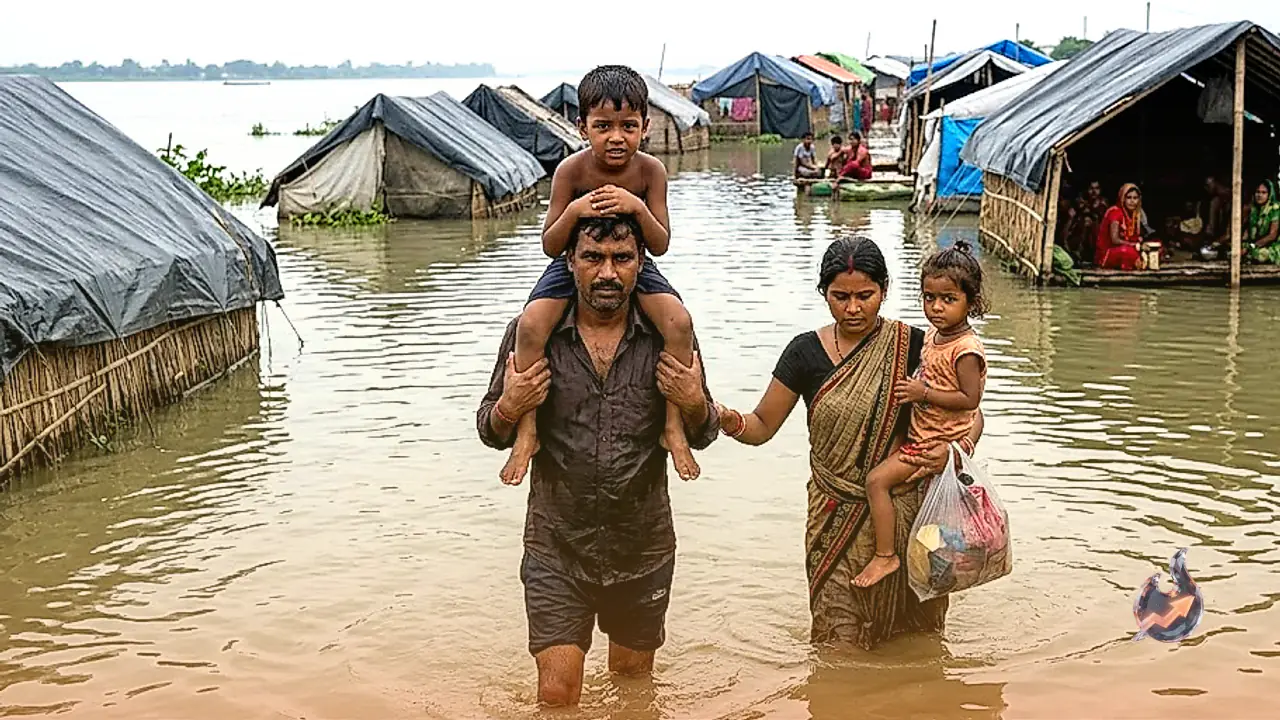

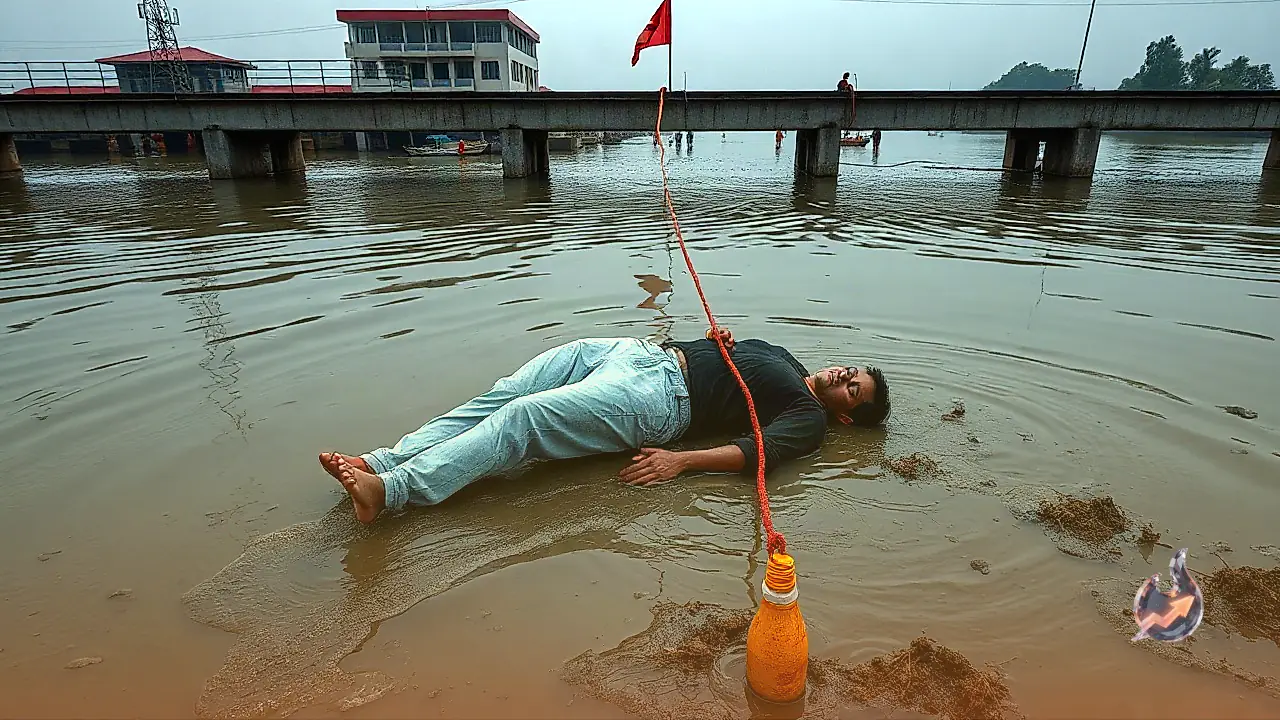


















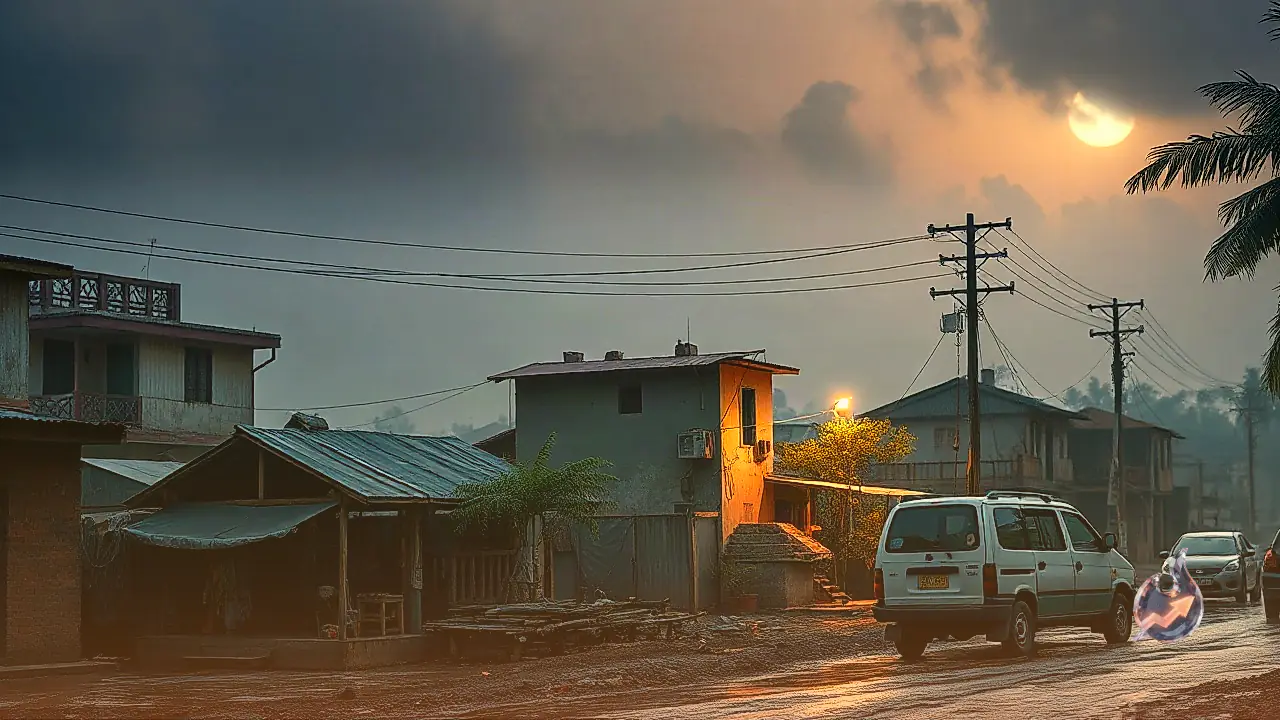

Floods have unleashed massive devastation across Samastipur, upending the daily lives and robbing families of their shelter and peace. The situation in the Mohanpur region has taken a severe turn, with floodwaters surging to the rooftops of residential houses. With kitchen hearths and essential household belongings submerged underwater, affected families have been left with no other option but to seek elevated ground. Local accounts highlight the extreme vulnerability of residents, as administrative and community support systems struggle to cope with the sheer scale of the displacement.
Submerged Homes and Health Concerns for Vulnerable Residents
Recounting the grim situation, Shokhanti Devi stated that conditions inside their homes have completely deteriorated with water flooding every corner. She expressed grave concern over her pregnant daughter-in-law, noting that the absence of proper medical facilities within the village has multiplied their worries during this critical period. While some family members remain trapped inside their waterlogged homes, others have been rescued and relocated to safety with the help of SDRF personnel. Residents spent multiple days surviving atop makeshift wooden platforms and cots. Nightfall brings heightened anxiety as there is neither any space left to cook food nor any basic amenity to sustain normal life amidst the relentless water currents.
Roadside Encampments and Severe Delays in Food Distribution
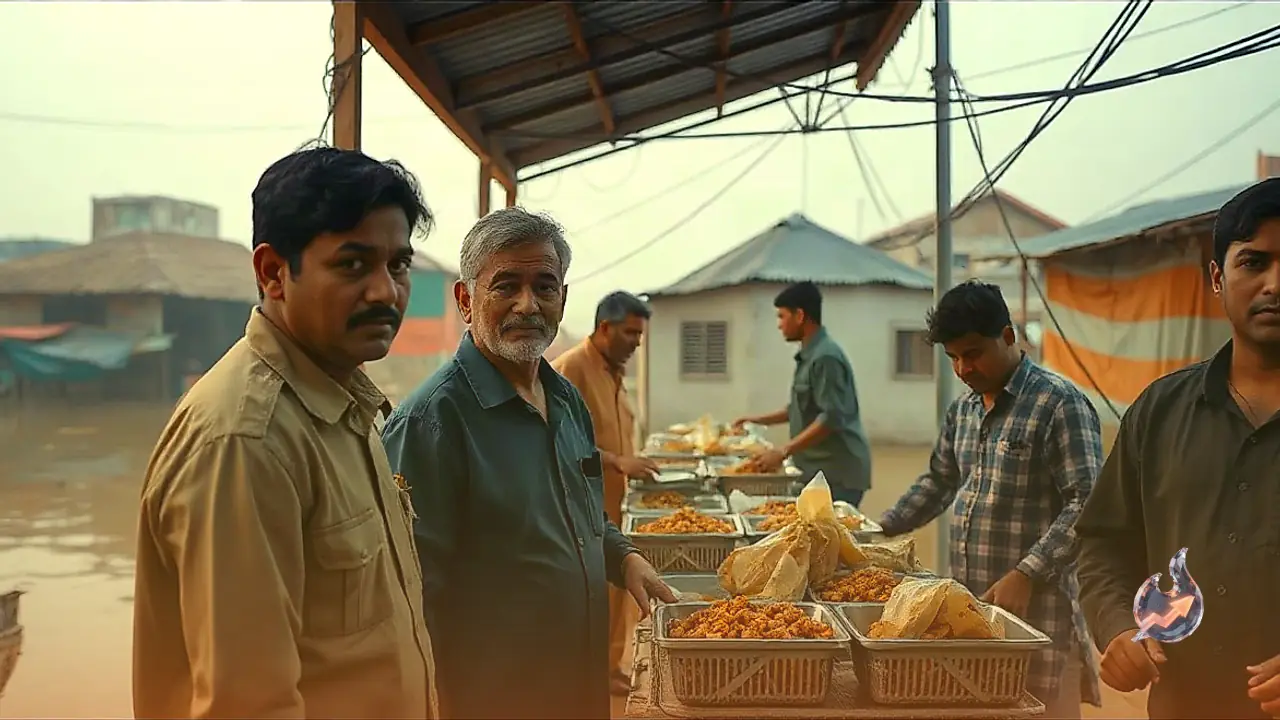
Displaced families have been forced to set up temporary shelters and huts along elevated roads and dividers. While a makeshift roof over their heads offers temporary shelter, basic survival necessities remain a massive challenge. Suman Devi remarked that the current floods have left an unforgettable scar on the community. According to her, food availability is the most pressing hurdle, with community kitchens experiencing chronic delays in food distribution. She pointed out that meals sometimes arrive as late as nine o'clock at night, followed by long delays before the next morning's meal. This extended wait proves particularly grueling for young children. In the absence of firewood or cooking gas, cooking along the roadside is entirely impractical. Furthermore, access to clean drinking water is scarce, forcing residents to rely on river water from the Ganga. The lack of proper sanitation and the necessity to defecate in the open has emerged as a major distress point, particularly for women.
Deep Waters and Critical Livestock Fodder Shortages
Parvati Devi from Matior shared a similar ordeal, emphasizing that nothing matches the safety and comfort of one's own home, which they were compelled to abandon. She noted that more than five feet of water has accumulated inside her house, creating dangerous conditions where anyone could easily drown. Living by the roadside after fleeing her home, she also depends on community relief kitchens, though timely meals remain a persistent issue. Beyond human suffering, the plight of domestic animals has added to her distress. With all green fodder submerged and destroyed by the floodwaters, owners are finding it nearly impossible to feed their cattle.