
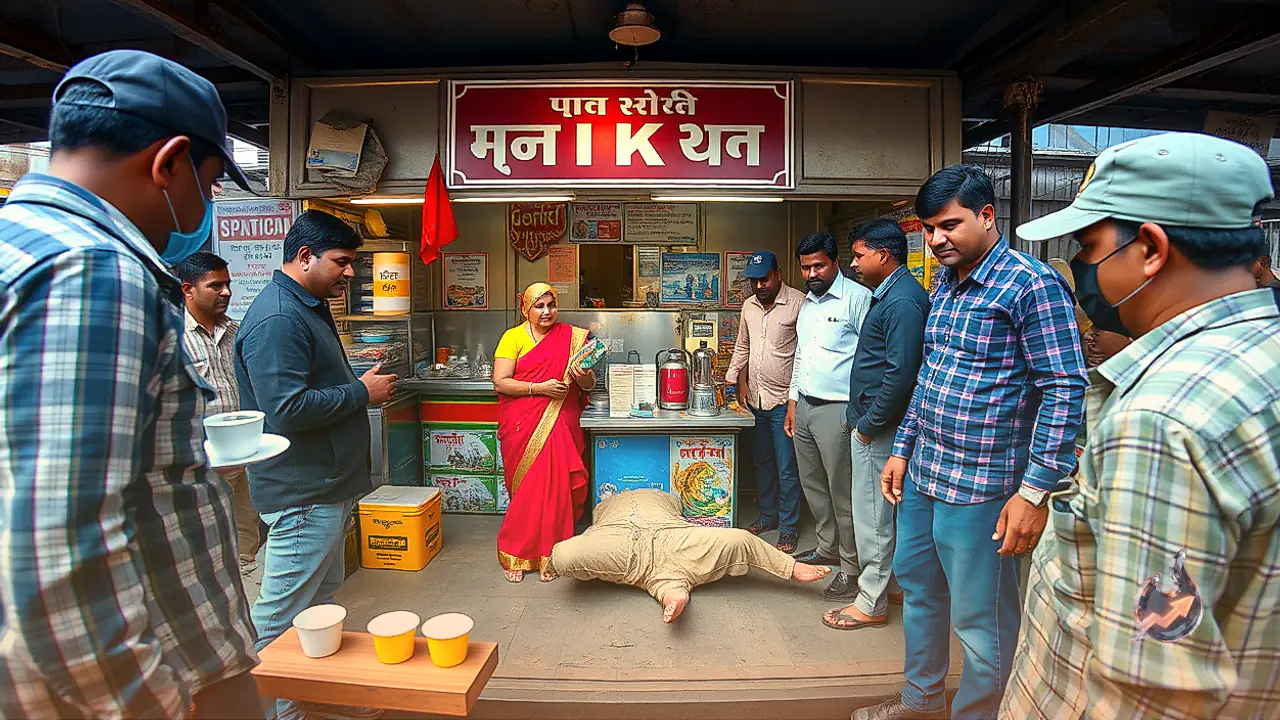



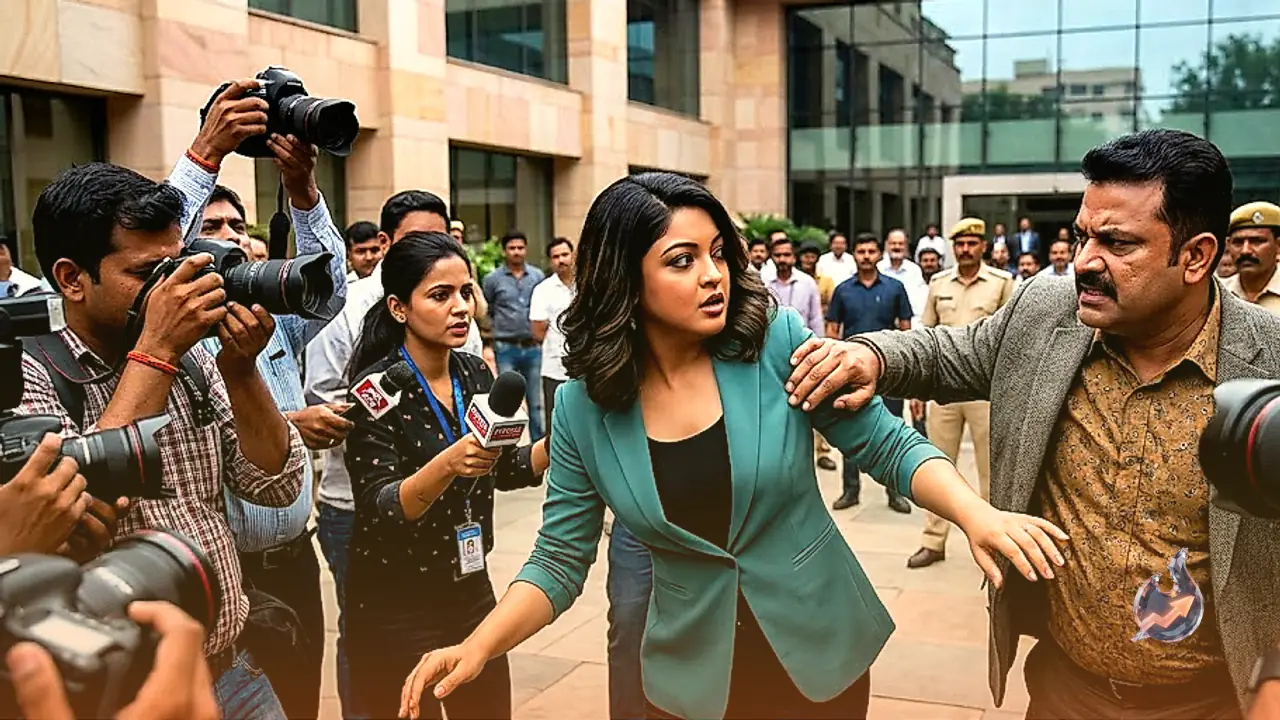
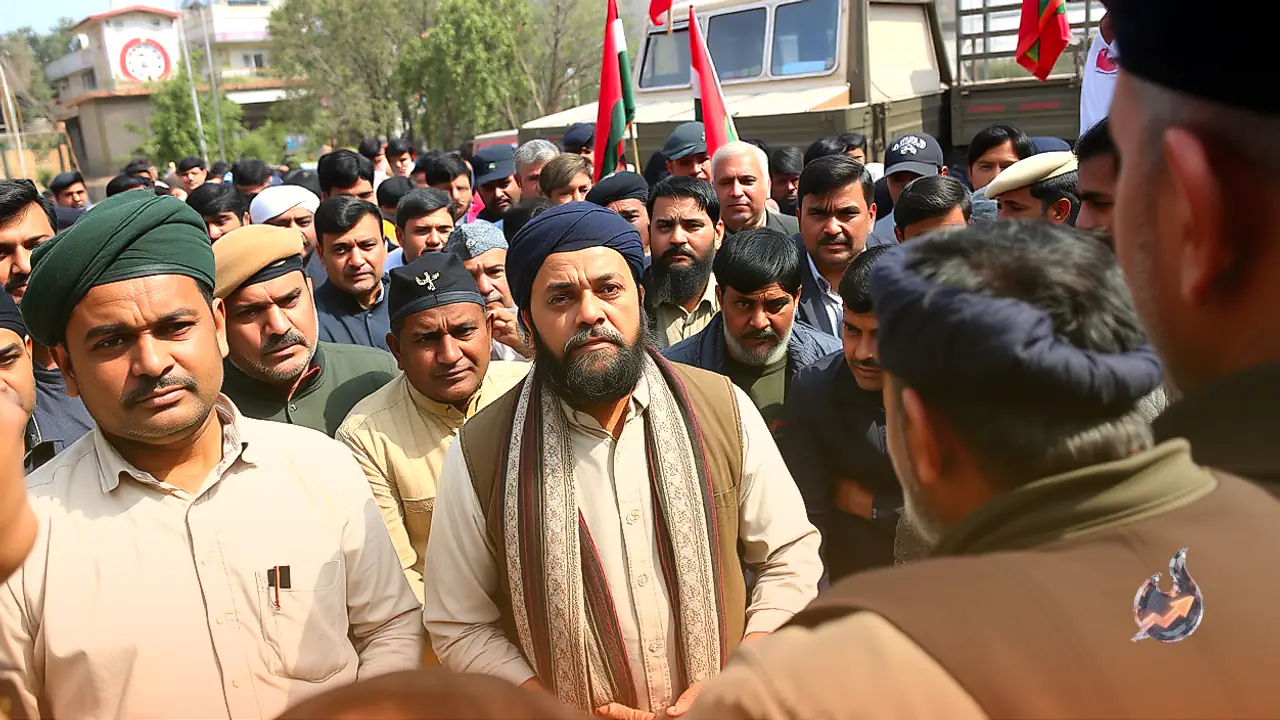














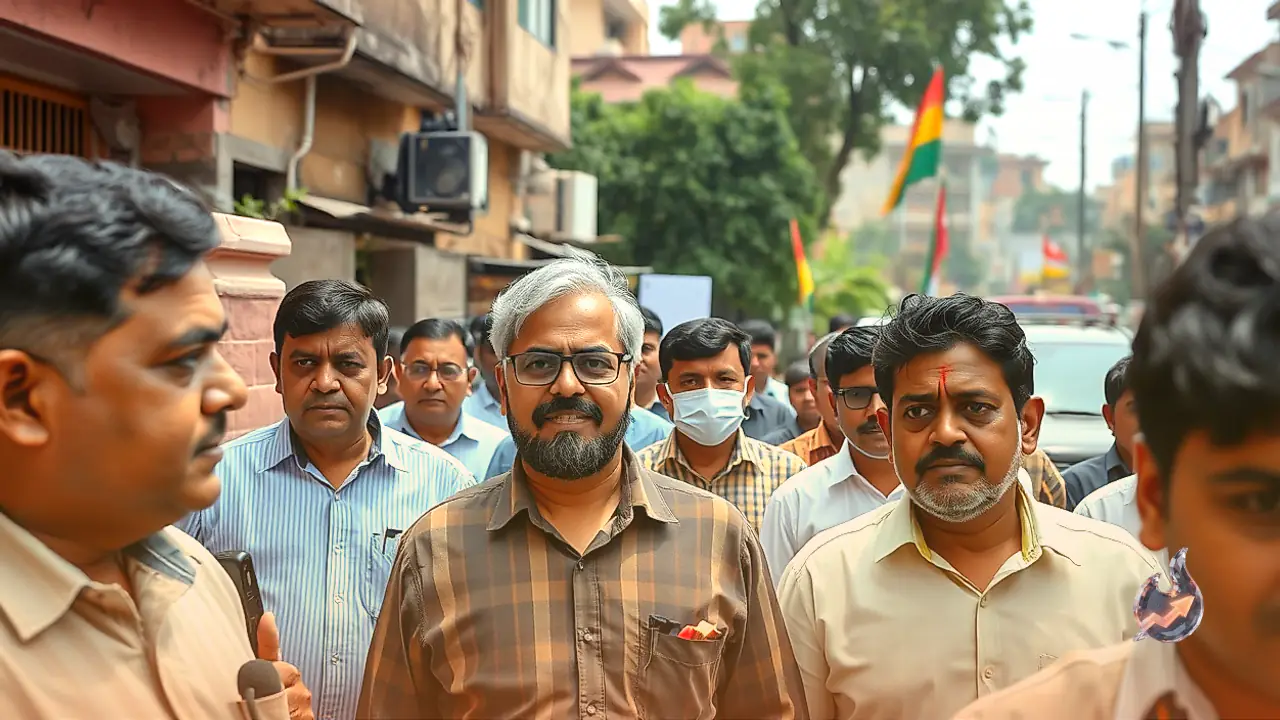

Authorities have significantly reinforced the security arrangements for Chief Election Commissioner (CEC) Gyanesh Kumar ahead of a planned mass demonstration at Jantar Mantar by opposition groups and student outfits. Kumar already holds Z+ category security, which is India's second-highest level of civilian protection. Rather than shifting him to a completely different security tier, security agencies have substantially strengthened the existing Z+ deployment by assigning additional tactical reserve personnel. This intervention comes after angry crowds targeted both his official residence in the national capital and his ancestral home in Uttar Pradesh.
Understanding the Z+ Security Architecture
A standard Z+ protection detail involves an extensive multi-layered security framework designed to counter high-level threats. The protocol includes a rotating contingent of more than 55 armed security personnel on duty across different shifts. This comprehensive team features round-the-clock Personal Security Officers (PSOs) and highly trained commandos from the Central Industrial Security Force (CISF). Furthermore, whenever the Chief Election Commissioner travels through public areas or between administrative headquarters, a specialized vehicle convoy escorts his movements to manage route safety and public interactions.
Specific Reinforcements at Residence and Headquarters
Following a comprehensive reassessment of potential threats, the Ministry of Home Affairs and CISF mobilized standby reserve units to secure critical locations. At Kumar's official residence in New Moti Bagh, New Delhi, additional paramilitary personnel have been stationed alongside continuous round-the-clock police van surveillance.
- Movement around the New Moti Bagh premises has been brought under rigorous control.
- All visitors are now required to produce valid identification and state a verifiable purpose before entering.
- Armed commandos have begun active patrolling sweeps across the external boundary.
- Internal access control points at Nirvachan Sadan, the Election Commission headquarters, managed by CISF, have been further reinforced.
- Strategic perimeter cordons around the commission's headquarters have been established using personnel from the Rapid Action Force (RAF), Central Reserve Police Force (CRPF), and Delhi Police.
- In Agra, additional state and central forces have been positioned to protect his elderly parents after recent property vandalism at his ancestral residence.
Incidents Leading to Heightened Surveillance
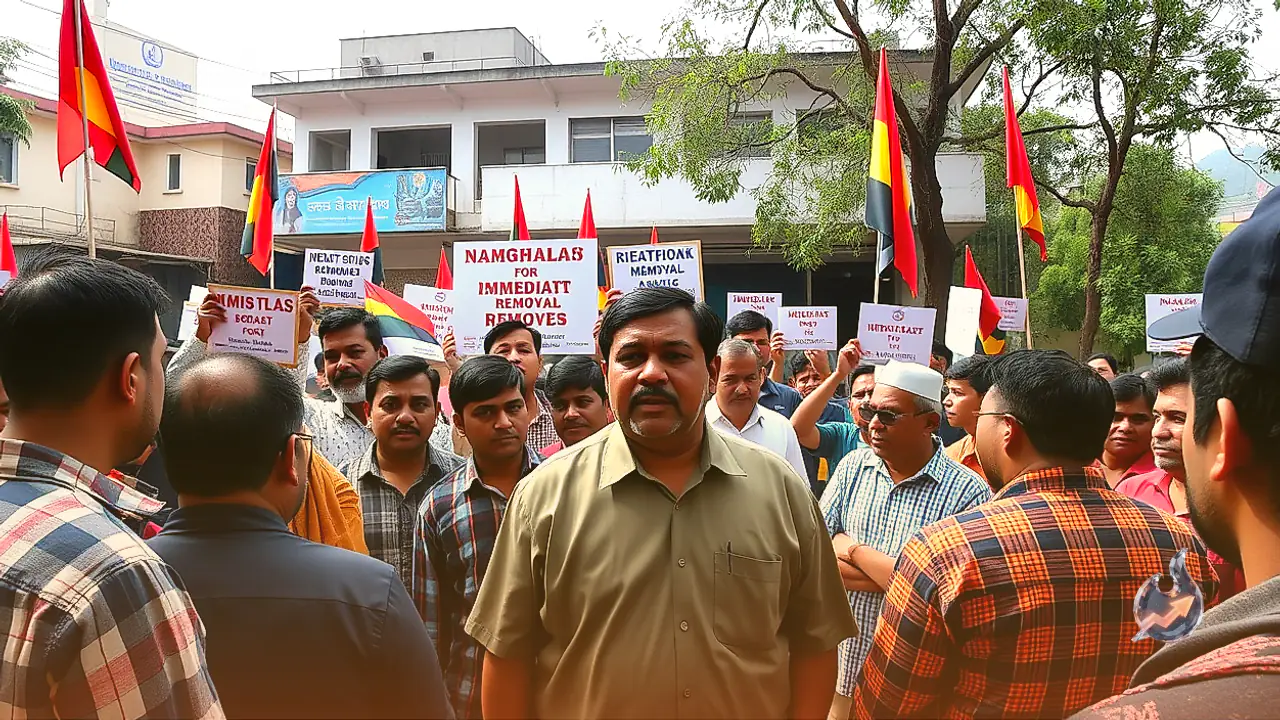
The revised threat appraisal was triggered by recent aggressive demonstrations at Kumar's government bungalow in New Moti Bagh, New Delhi, where protesters tracked down his residence, staged vocal demonstrations, and attempted to breach the boundary walls. Hostility also spilled over to his family home in Agra, where his elderly parents reside. The ancestral property was targeted by demonstrators who caused physical damage to the premises. These direct confrontations prompted security establishments to immediately reassess vulnerabilities and seal security gaps.
The Upcoming Jantar Mantar Mobilization and Political Fallout
The scheduled demonstration on October 10, dubbed 'Jantar Mantar 2.0', marks an escalating nationwide campaign demanding the immediate resignation of Chief Election Commissioner Gyanesh Kumar. The Cockroach Janata Party (CJP) issued an ultimatum seeking his resignation while threatening widespread civil unrest. Conversely, the Bharatiya Janata Party (BJP) stepped forward to defend the election chief. Political tensions escalated further as the Congress party intensified its criticism, with Rahul Gandhi accusing Kumar and the BJP of running a fixed match regarding the Special Intensive Revision (SIR) process.
Core Drivers of the Nationwide Agitation
The ongoing protests are organized jointly by political groups including the Cockroach Janata Party (CJP) and prominent student bodies such as the All India Students Association (AISA), backed actively by members of parliament from the opposition INDIA alliance. At the crux of this agitation is the intense dispute surrounding the Election Commission's Special Intensive Revision (SIR) of electoral rolls. Opponents have accused the election chief of arbitrary decision-making, specifically claiming that Kumar pushed unilateral structural amendments to Form 6, the primary registration form for enrolling new voters, without consulting fellow Election Commissioners.