







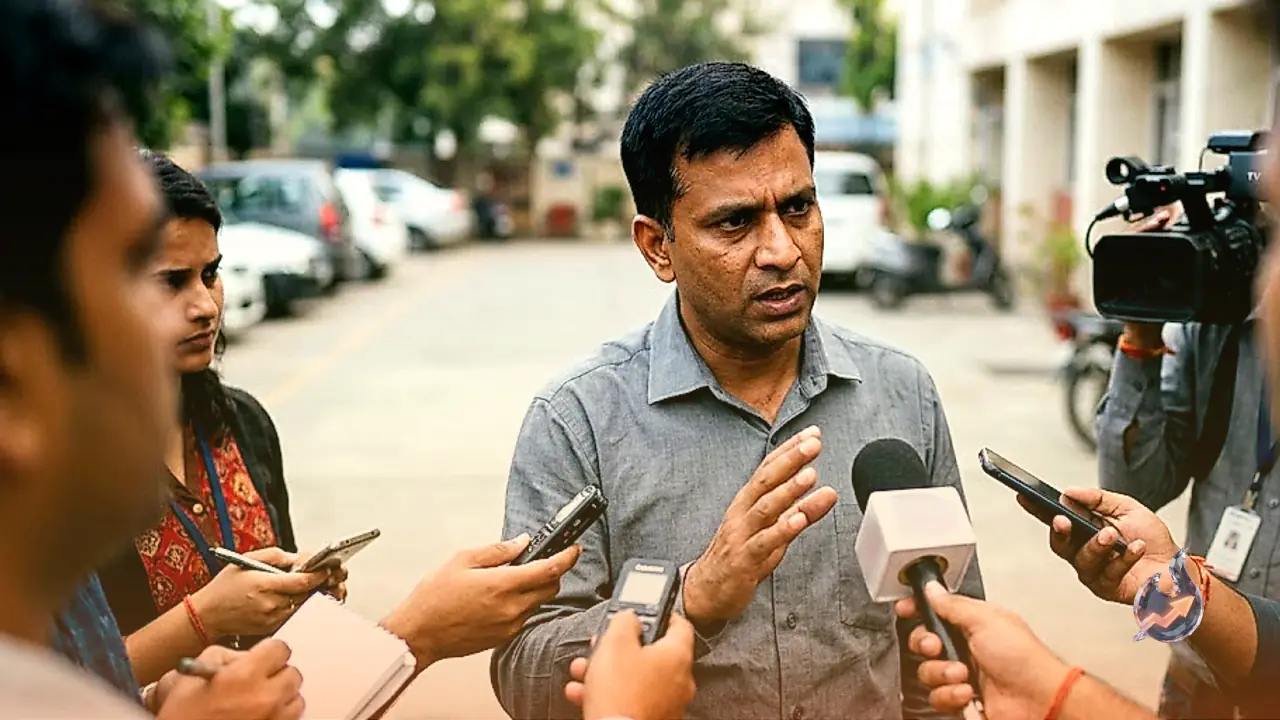















Farmers involved in guava cultivation often encounter unexpected drops in yield and degraded fruit quality despite putting in tremendous effort and financial investment. Unintentional mistakes during orchard setup and routine maintenance can easily lead to heavy monetary losses. According to Dr. Amit Kumar Goswami, Senior Scientist at the Division of Fruit and Horticulture within the Indian Council of Agricultural Research, growers can protect their investments and achieve bumper harvests by following a structured scientific management approach. By correcting fundamental errors in sapling sourcing, irrigation, tree spacing, and crop thinning, farmers can transform low-producing guava orchards into highly profitable agricultural enterprises.
Selecting Authentic Saplings from Recognized Institutions
The foundation of a successful guava orchard lies in choosing healthy, high-yielding plant varieties. Purchasing saplings from unverified local vendors frequently leads to poor fruit production and disease susceptibility later on. Senior Scientist Dr. Amit Kumar Goswami emphasizes that farmers planning to establish guava orchards should strictly obtain their planting material from nurseries accredited by the National Horticulture Board, official centers of the Indian Council of Agricultural Research, or recognized State Agriculture Universities. These premier institutes ensure the supply of genuine, disease-free, and high-quality guava varieties. Starting with certified saplings ensures that the orchard develops robust structural growth and achieves maximum yield potential upon reaching maturity.
Preventing Guava Wilt Disease and Waterlogging Damage
One of the most destructive threats facing guava growers is Ukhta, widely known as Guava Wilt disease. This severe condition is primarily caused by soil-borne fungal pathogens such as Fusarium spp. acting in combination with other harmful microorganisms. The infection spreads rapidly in fields suffering from water stagnation, causing healthy trees to dry up and die completely. To shield orchards from this lethal disease, farmers must avoid planting guava saplings in low-lying areas prone to water accumulation. Furthermore, open flood irrigation should be completely avoided. Instead, growers ought to implement drip irrigation systems or ring basin irrigation methods, which deliver controlled moisture directly to the root zone without creating stagnant water pools.
Proper Planting Spacing and Trunk Elevation Techniques
Achieving optimum plant architecture requires careful planning regarding field layout and sapling placement. Agricultural experts advise maintaining a precise spacing of three by three meters or four by four meters between guava plants. When transplanting young saplings, they should be set on slightly raised mounds rather than flat ground. Elevating the planting spot prevents direct contact between stagnant surface water and the main tree trunk, reducing root rot risks. As the saplings grow into larger trees, secondary shoots and basal suckers begin to emerge near the ground level. Pruning these lower shoots promptly allows the tree to direct its vital nutrients toward developing a strong main stem and healthy canopy.
Following the Three-Year Waiting Period for Maximum Yield
Patience plays a vital role in harvesting top-tier commercial guava crops over the long term. Dr. Amit Kumar Goswami points out that first-time guava growers should avoid harvesting any fruit during the initial three years after planting. Removing early blooms during this establishment phase enables the young trees to allocate all their energy toward building deep root systems and sturdy branching frameworks. Once the orchard completes three years of growth, the subsequent harvests become exceptionally heavy and consistent. Delaying production yields larger, superior-quality fruit that commands premium market prices, leading to significantly higher profit margins for farmers.
Adopting Chemical-Free Farming and Fruit Thinning Methods
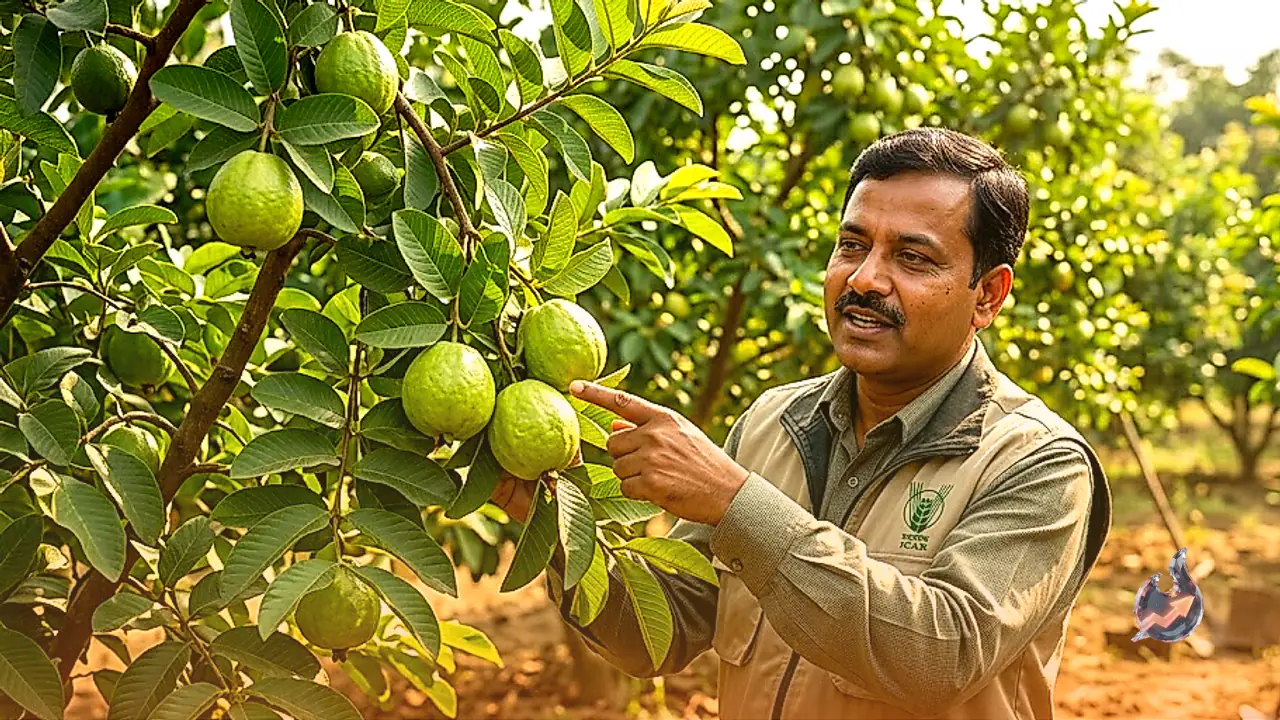
In line with the Government of India's emphasis on chemical-free agriculture, guava growers are encouraged to minimize or completely eliminate synthetic chemicals in their management practices. Utilizing organic inputs preserves soil health while ensuring safe, residue-free produce. Additionally, implementing manual fruit thinning is essential for upgrading crop quality. During the fruit setting stage, guavas typically develop in clusters of three from a single node. Farmers should prune away the two outer fruits in each cluster, retaining only the central guava. Concentrating the tree's nutrition into the single middle fruit results in larger, sweeter, and visually appealing guavas that fetch top rates in the market.