




















Seven years have elapsed since the Central Government took the landmark constitutional decision on August 5, 2019, to abrogate the principal provisions of Article 370 along with Article 35A. This structural overhaul led to the reorganization of the state into two distinct Union Territories, namely Jammu and Kashmir and Ladakh. Over the past seven years, the region has undergone major transformations across governance, tourism, security, and civilian rights, even as the decision continues to evoke varied political and social perspectives across the nation.
Historical Background and the 2019 Reorganization
The accession of Jammu and Kashmir to the Indian Union occurred in 1947 when Maharaja Hari Singh executed the Instrument of Accession. Following the merger, special constitutional status was accorded to the region under Article 370, while Article 35A guaranteed specific rights and privileges to permanent residents of the state. The withdrawal of these provisions on August 5, 2019, fundamentally altered the administrative architecture of the territory by splitting it into two separate Union Territories. Seven years later, the constitutional change remains a central subject of national political discussion.
Civic Stability, Tourism Surge, and Changing Atmosphere at Lal Chowk
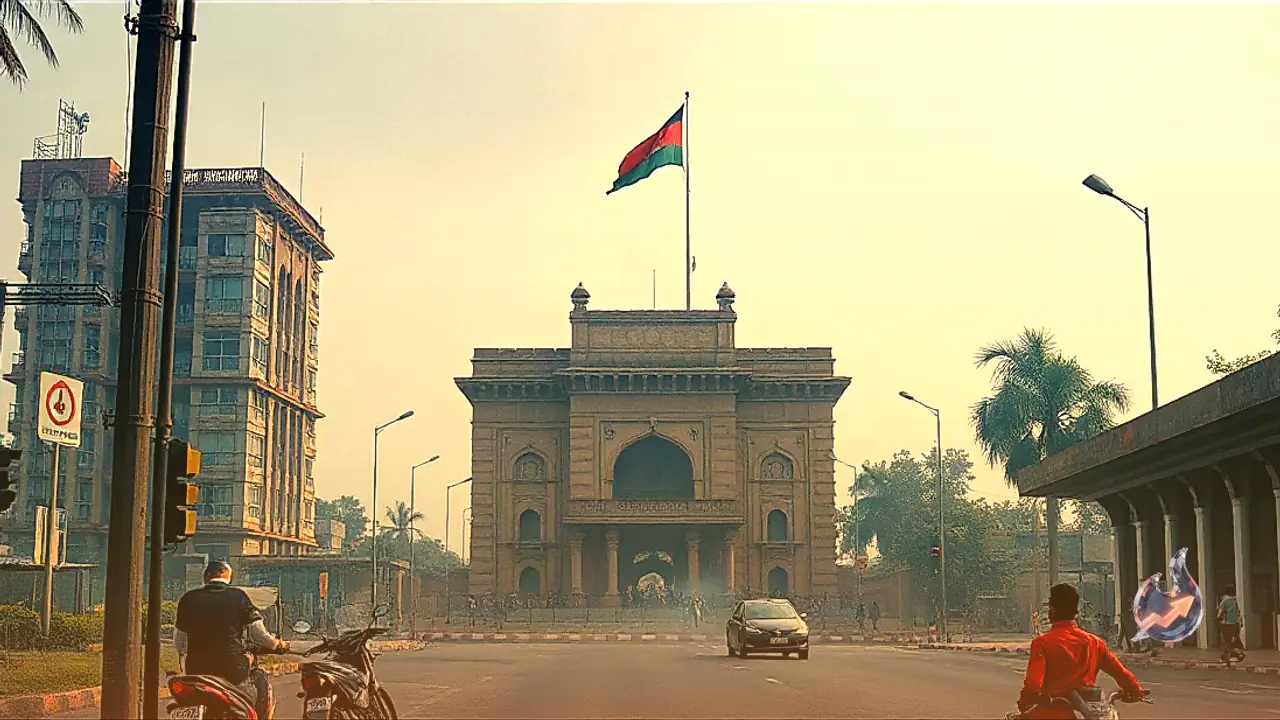
Observing the shifts on the ground, resident Vimal Mehra noted that significant positive changes have unfolded across Jammu and Kashmir since August 5, 2019. Today, tourists move freely around Lal Chowk in Srinagar, taking photographs alongside the national flag and creating videos for social media platforms. A location that was historically associated with security tension now features the fluttering Tricolor, supported by the Har Ghar Tiranga campaign, regular religious gatherings, and the reopening of several long-closed temples.
Sharing another perspective on public order, resident Deepak Singh highlighted that the Kashmir Valley previously faced frequent strikes, forced shutdowns, and curfew-like restrictions. Following the removal of Article 370, the frequency of such disruptions has reduced substantially, accompanied by a marked decline in stone-pelting incidents compared to earlier years.
Economic Expansion, Rail Connectivity, and Ongoing Security Concerns
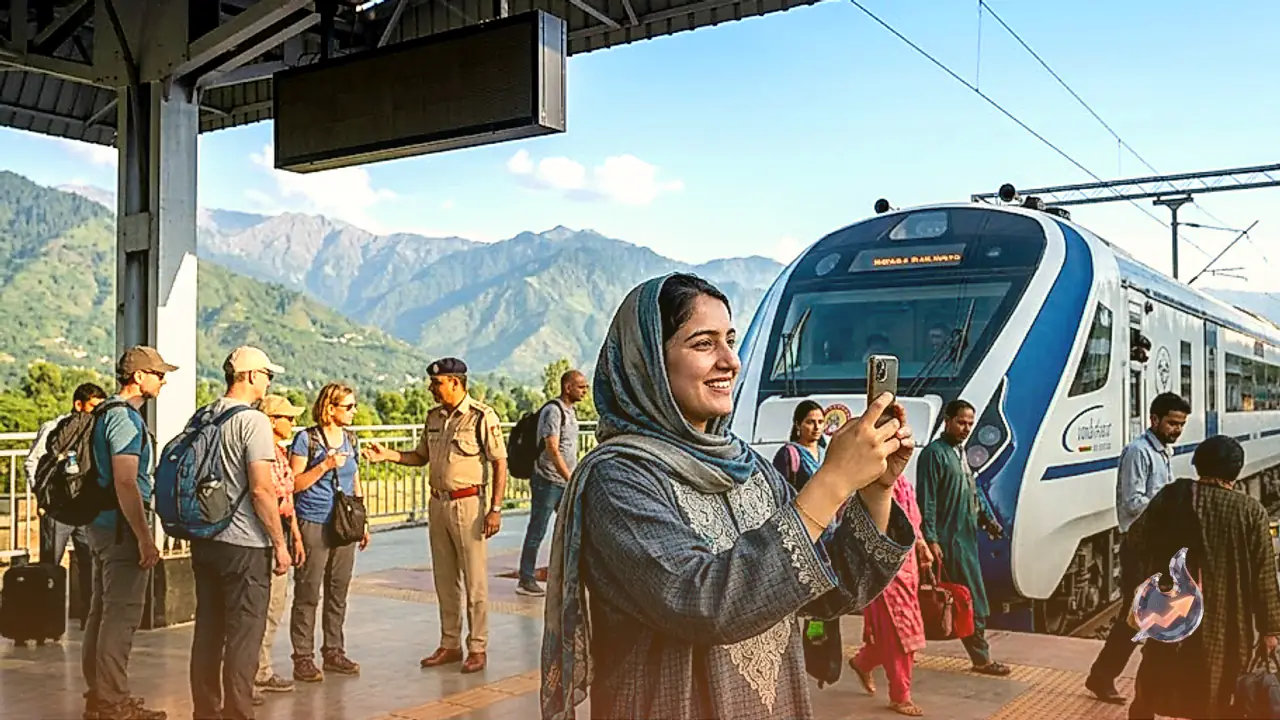
Providing an economic perspective, Arun Gupta, President of the Jammu Chamber of Commerce and Industry, stated that the pace of development has accelerated over the past seven years. Railway services have successfully reached into the Kashmir Valley, enhancing transportation links, boosting the tourism economy, and driving multiple infrastructure projects. While terrorist incidents have seen an overall drop, Arun Gupta added that recent attacks remain a notable concern for local commerce and safety.
Civic Rights for Marginalized Groups and Pilgrim Safety
Detailing the social impact, Purushottam Dadhichi, President of Shri Sanatan Dharam Sabha, explained that the abrogation of Article 370 granted long-overdue political and employment rights to historically disenfranchised groups. Members of the Gorkha community, the Valmiki community, and individuals displaced from POJK (Pakistan Occupied Jammu and Kashmir) have secured voting rights and the ability to participate fully in the democratic process. Furthermore, Purushottam Dadhichi observed that visiting tourists from across India and devotees traveling to the shrine of Vaishno Devi experience a heightened sense of safety.
Continued National Discourse After Seven Years
As seven years complete since the historic legislative reform, Jammu and Kashmir reflects a blend of infrastructural progress and evolving security dynamics. While strides have been made in public mobility and socio-economic integration, political parties, social institutions, and local residents maintain diverse views on the long-term impact of the move, keeping the topic active in mainstream governance debates.