






















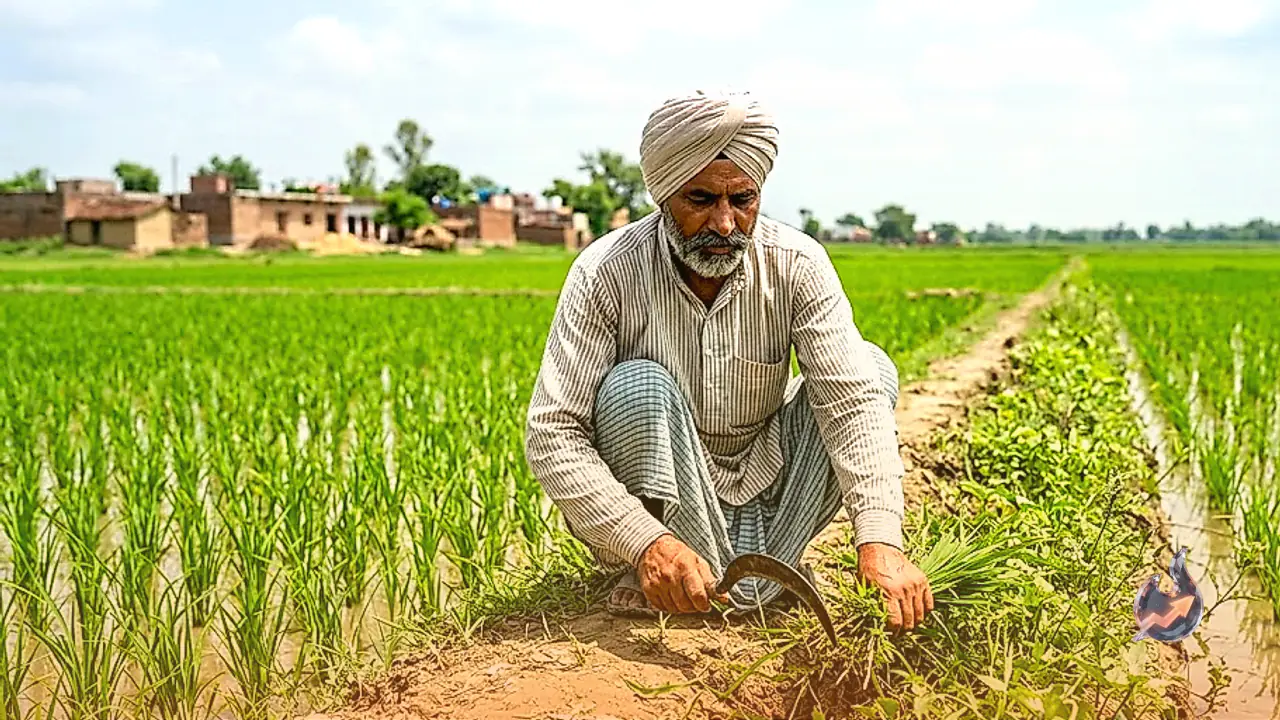

Proper management of field bunds is a crucial yet frequently overlooked aspect of paddy cultivation that directly influences crop yields and plant health. In Shahjahanpur, farmers routinely invest significant effort into maintaining their main paddy fields while ignoring the thick weeds growing along the bordering bunds. These unmanaged boundary ridges eventually transform into breeding grounds for devastating agricultural pests and diseases. Timely trimming and cleaning of bunds offer a simple, highly effective strategy to protect crops, reduce chemical inputs, and conserve precious irrigation water.
Preventing Pest Infestations and Fungal Pathogens
The dense grass growing on uncleaned boundary bunds provides a safe haven for harmful pests like termites, stem borers, and sap-sucking insects. During the early crop stage, these insects hide in the bund vegetation to deposit eggs and nurture larvae. As paddy plants mature, the pests migrate directly onto the crop. Regularly scraping and cleaning bunds destroys insect eggs and larvae at the initial stage, preventing destructive organisms like leaf folders, stem borers, and gundhi bugs from colonizing the fields.
Sharing his practical farming experience, progressive young farmer Ranjod Singh emphasizes that keeping bunds completely clear is essential for disease prevention. According to Ranjod Singh, "Trimming bunds before transplanting and during the crop cycle cuts pesticide costs in half while delivering great yields." Maintaining clear bunds establishes a natural barrier, significantly lessening the need for expensive chemical pesticide sprays throughout the season.
Controlling Rodent Damage and Preventing Water Loss
Rodents pose a severe threat to paddy crops by constructing intricate burrows inside tall, bushy field bunds. Under the cover of night, rats emerge to slice through rice stems, causing extensive crop loss. Scraping and leveling the bunds eliminates rodent hiding spots entirely. Furthermore, well-maintained bunds prevent water leakage through rat tunnels, ensuring that fields maintain uniform water levels without experiencing accidental drainage or localized waterlogging.
Optimizing Fertilizer Efficiency and Soil Moisture
Deep-rooted weeds along field borders aggressively absorb soil nutrients and moisture intended for paddy plants. Clearing this unwanted growth ensures that applied fertilizers feed the primary crop rather than boundary weeds. Properly repaired and reinforced bunds also retain standing irrigation water effectively, optimizing field water management and minimizing overall water wastage.
Recommended Maintenance Schedule and Tools
Agricultural practices suggest cleaning field bunds two to three times per season, beginning prior to crop transplanting and continuing through the growth cycle. Farmers can utilize tools such as a khurpi, spade, or mechanical grass cutter to uproot weeds completely. In cases of severe weed infestation, suitable herbicides may be sprayed under expert guidance. Following weed removal, fresh soil should be packed onto the bunds to strengthen, level, and stabilize the field boundaries.