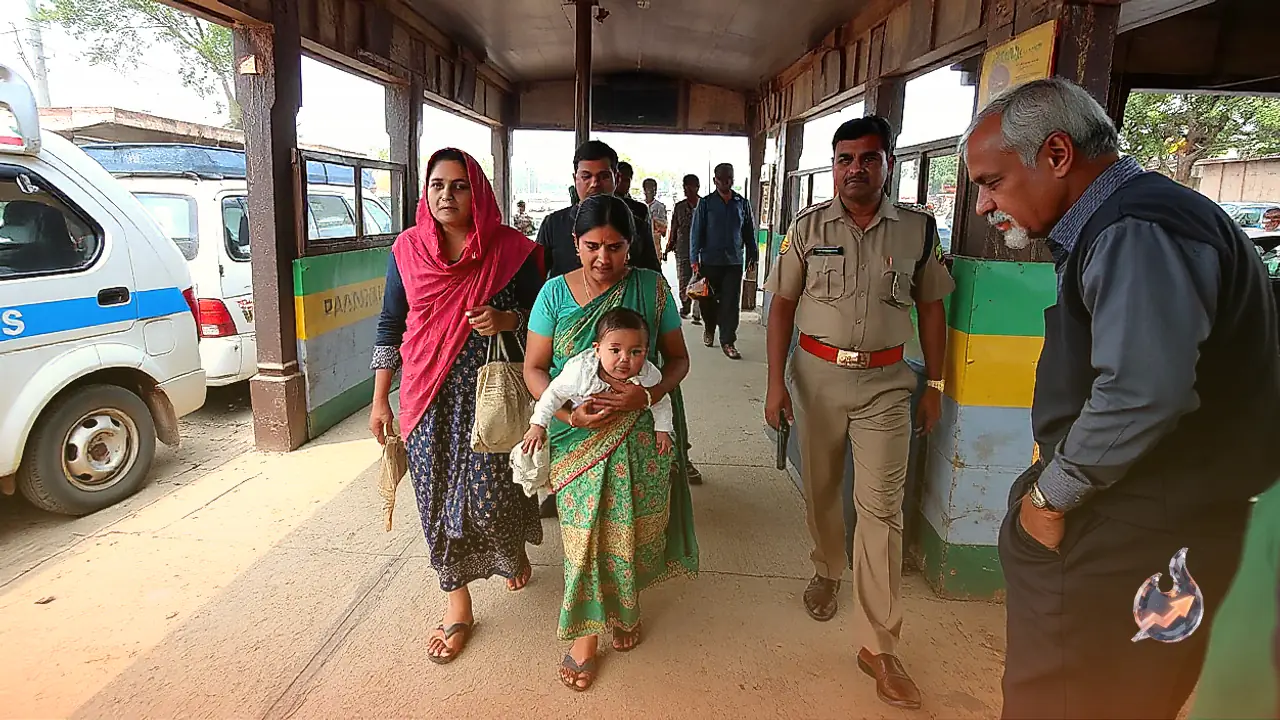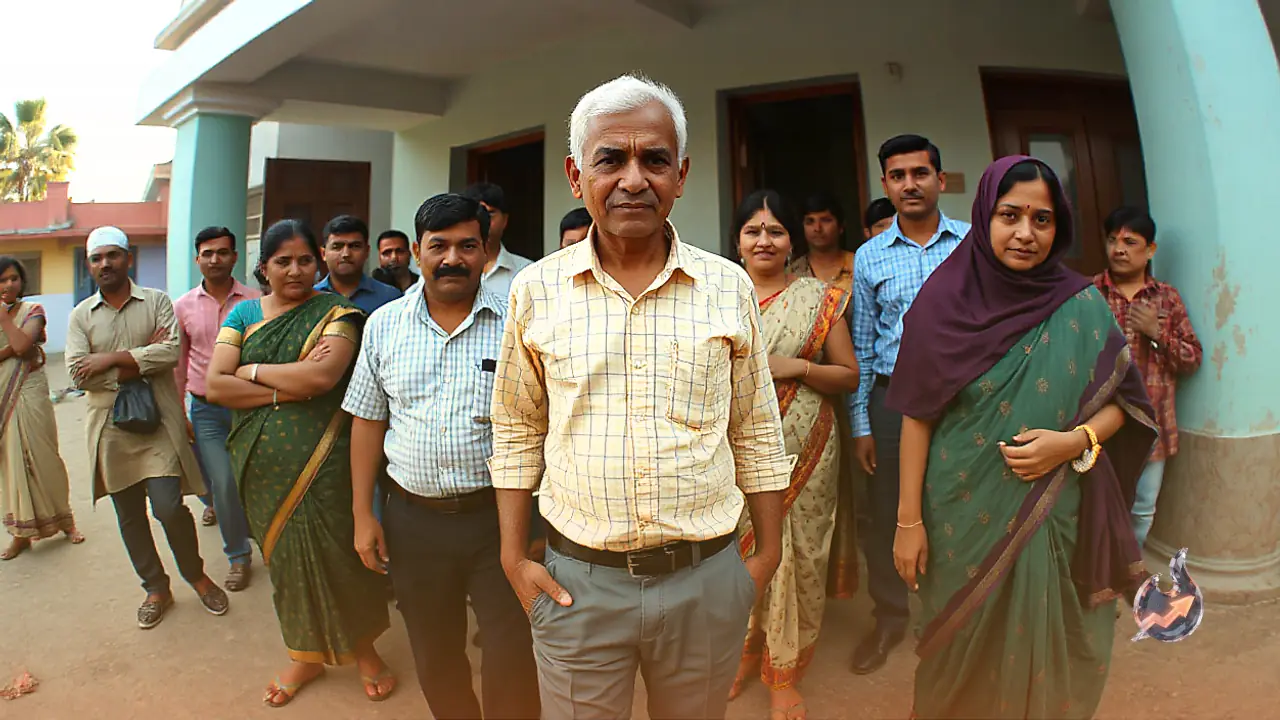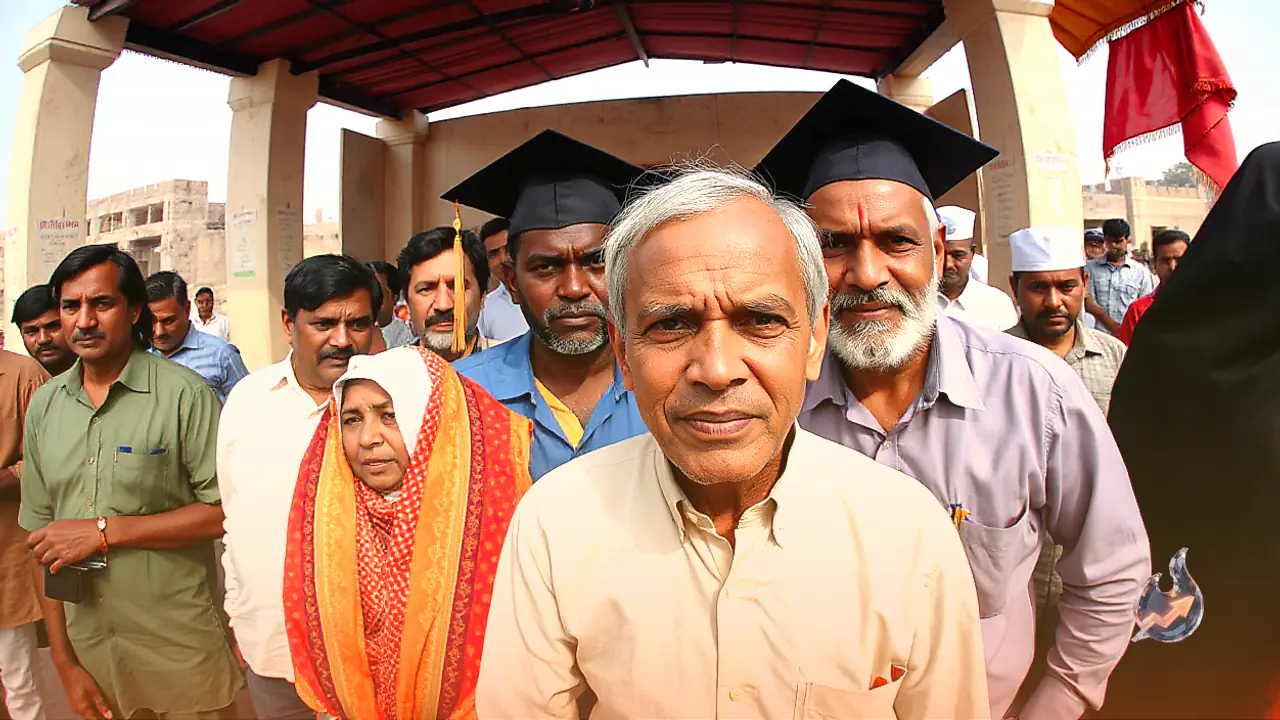




















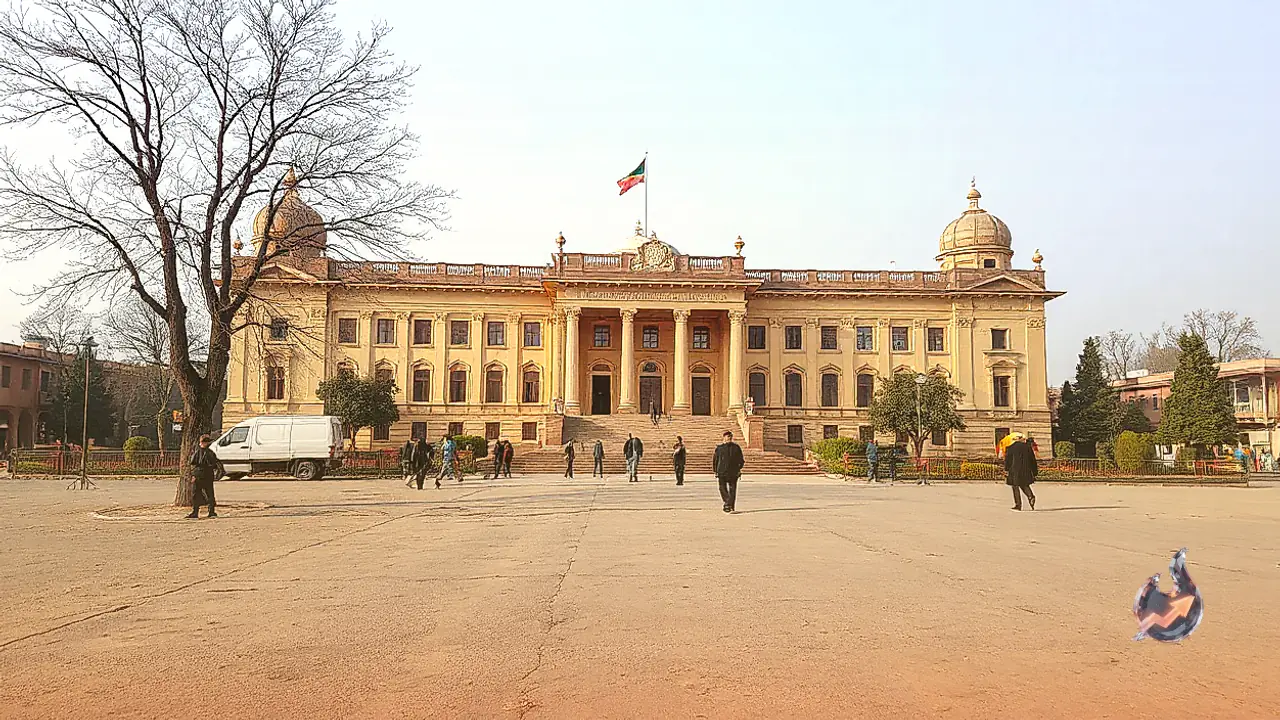

Administrative operations across Jammu and Kashmir officially resumed from Jammu on Monday, marking the completion of the seasonal transition of government offices from Srinagar. Marking the opening day at the civil secretariat in the winter capital, legislative assembly speaker Abdul Rahim Rather stated on November 2 that the decision to reinstate the bi-annual transfer mechanism in 2025 was driven directly by the wishes and expectations of the local populace.
A 154-Year Administrative Practice Started in 1872
The practice of shifting key government offices and personnel between the two capital cities dates back 154 years. Introduced in 1872 by the Dogra rulers, this bi-annual exercise was designed to run governance from Srinagar during the summer season and from Jammu during the winter stretch. In 2021, the administration led by the Lieutenant Governor decided to halt this long-standing arrangement. However, in October 2025, the government headed by Omar Abdullah reversed that cessation and restored the biannual administrative shift.
Fulfilling Regional Expectations Across Both Divisions
Speaking to journalists inside the legislative assembly premises in Jammu, Rather remarked that the shifting of offices represents an established system rather than an unfamiliar experiment. Acknowledging that the transition had remained suspended for a brief interval before its formal revival last year, he emphasized that government machinery served the people in Kashmir for a full six-month stretch and will now dedicate the identical duration to serving residents across the Jammu region. Rather stressed that this historic governance rhythm has effectively catered to both divisions for decades and will continue to function in the public interest.
Legislative Experience and the Upcoming Budget Session
Looking ahead to the upcoming legislative agenda, Rather expressed total confidence in the orderly conduct of the budget session scheduled early next year. Citing his legislative track record spanning four decades, he explained that steering parliamentary proceedings presents no unfamiliar hurdles. He highlighted that during the preceding budget session, legislators across every political formation, including opposition benches, were given ample scope to voice their constituency issues and viewpoints, leading to widespread member satisfaction regarding the overall management of house proceedings.
Expectations from the Expanded Council of Ministers
Addressing the induction of four new ministers into the council of ministers, the assembly speaker outlined his expectations from the leadership team. Rather noted that both newly inducted and seasoned members within the ministerial ranks are counted upon to deliver governance strictly aligned with the core demands, development aspirations, and interests of the citizens.