



















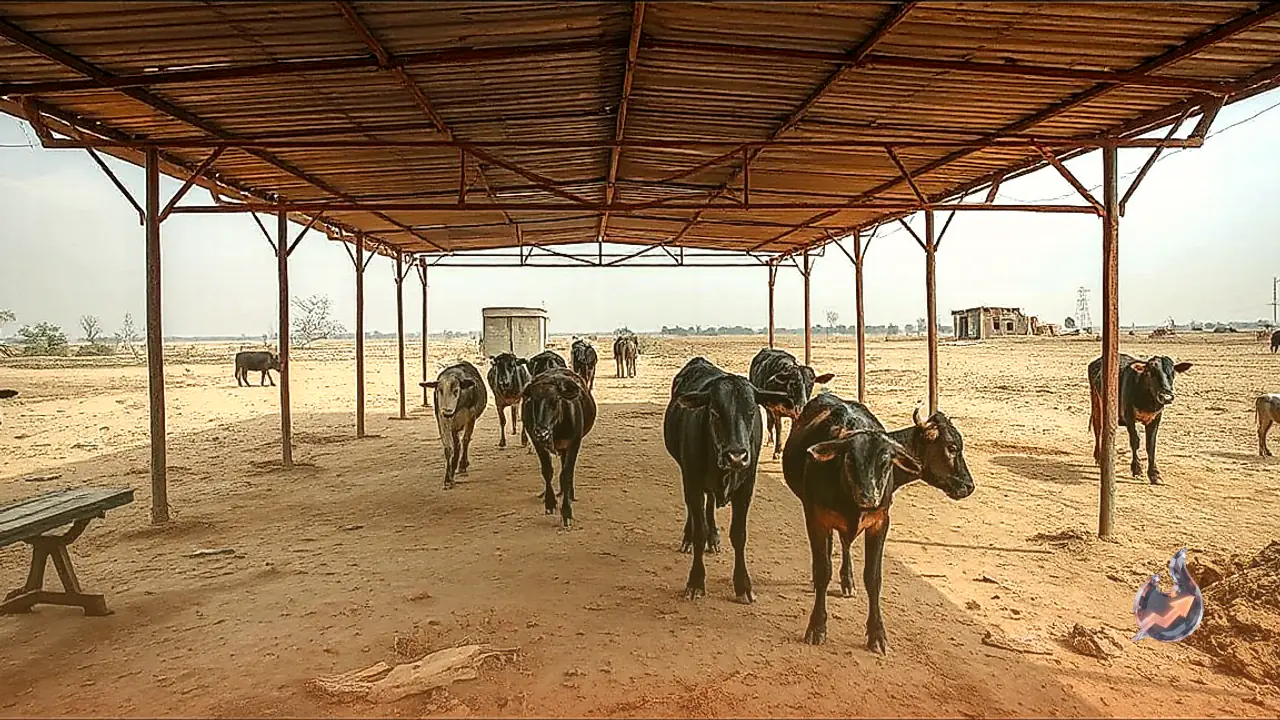

With the onset of milder winter temperatures, seasonal transitions, and the presence of tainted fodder or water, livestock face an escalated threat from life-threatening conditions. In the Nagaur region, cattle owners are confronting a severe bacterial challenge known as Black Quarter, commonly referred to as quarter ill or lame fever. This fatal infection primarily targets young, thriving animals that display vigorous health and well-developed muscle mass. Livestock specialists point out that calves aged between 6 months and 2 years represent the most vulnerable demographic exposed to this pathogen.
How the Bacterial Infection Spreads and Damages Muscle Tissue
Black Quarter is driven by durable soil-borne bacteria whose spores can persist in the ground for years without losing viability. Healthy livestock pick up the infection when grazing on contaminated pastures, resting on infected soil, or ingesting contaminated feed and unclean water. Once inside the animal's digestive tract and bloodstream, the microorganisms settle into dense muscle structures. They specifically concentrate around the shoulders, neck, and hindquarters, triggering gas-filled, swollen lesions. Pressing these infected muscular swellings produces an audible crackling or crepitating sensation caused by trapped gas pockets beneath the hide. The disease escalates rapidly throughout the body, frequently resulting in death if medical intervention is not administered immediately.
Clinical Symptoms and Warning Signs in Affected Animals
Veterinary doctor Vishal Prajapati explained that the affliction manifests initially as an intense, sudden spike in body temperature. The stricken animal quickly loses its appetite, stops chewing the cud, and avoids drinking water. As the bacterial toxins spread, the beast begins breathing heavily and rapidly, while its eyes turn distinctly red. Systemic stiffness begins to spread across various limbs and muscle groups.
During early progression, the affected animal develops a pronounced limp. As the painful, gas-laden swellings enlarge over the shoulders and hind legs, the creature completely loses its ability to stand or move around. In advanced stages of the disease, the animal's body temperature drops sharply below normal levels, which is a terminal indicator preceding death.
Safe Disposal of Carcasses to Prevent Ground Contamination
Vishal Prajapati cautioned that abandoning the carcass of an animal that succumbed to Black Quarter in open fields presents catastrophic risks to surrounding herds. Decomposing remains left exposed can seed soil with virulent spores that endure for seasons. Farmers must handle carcass disposal strictly in alignment with directives from local administrative and veterinary authorities.
Safe containment typically involves burying the deceased animal in a dedicated pit dug 5 to 6 feet deep, layered with lime and salt to neutralize pathogens and prevent scavengers or neighboring cattle from contacting contaminated remains. Livestock owners are urged to strictly adhere to the specific disposal protocols set out by local veterinary officers rather than relying on unguided routines.
Vaccination Schedules, Sanitation, and Timely Action
Preventing outbreaks requires a disciplined combination of regular vaccination and sanitary barn management. Herd owners should ensure their young stock receive scheduled Black Quarter immunizations well before high-risk periods. Drinking troughs must be supplied exclusively with clean water, and herds should be fed mold-free, high-quality forage stored away from ground moisture. Sheds and resting pens must be kept dry, sanitized, and clear of stagnant water pools. If any calf displays sudden lameness, high fever, or swelling in heavy muscle zones, farmers should bypass home remedies and immediately engage a certified veterinarian. Early symptom detection and rapid clinical therapy offer the only dependable path to saving infected cattle.