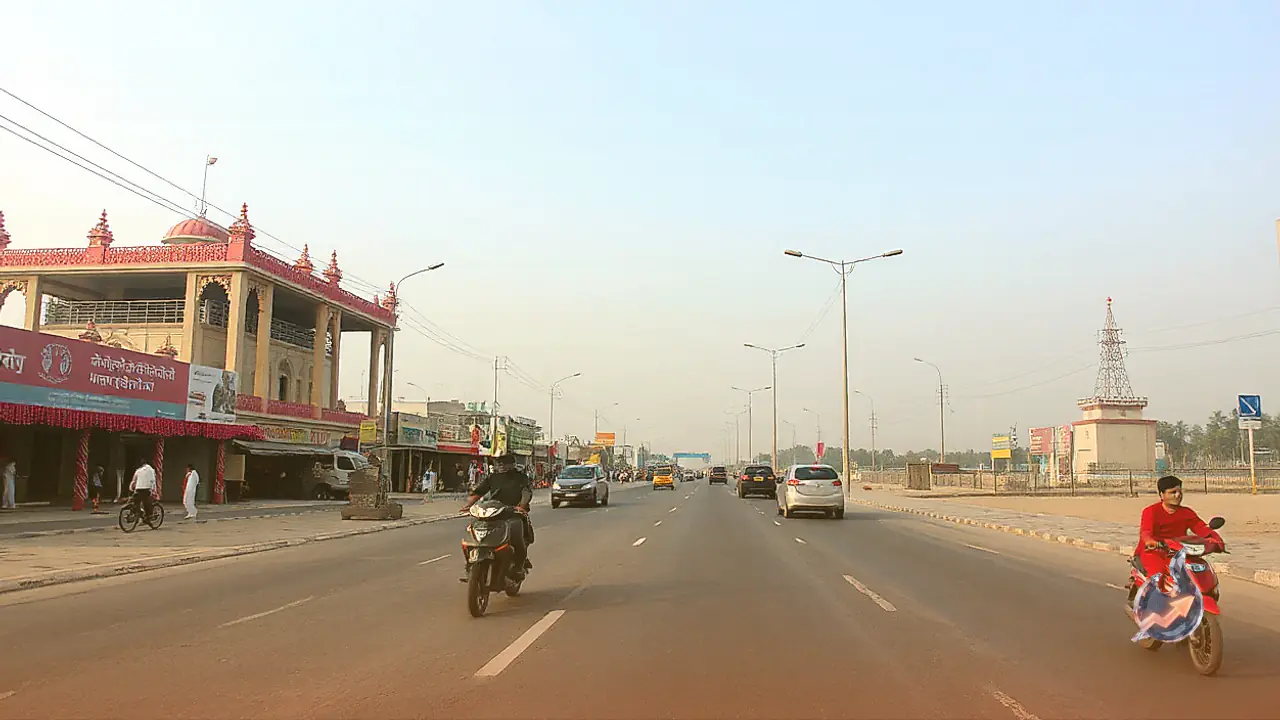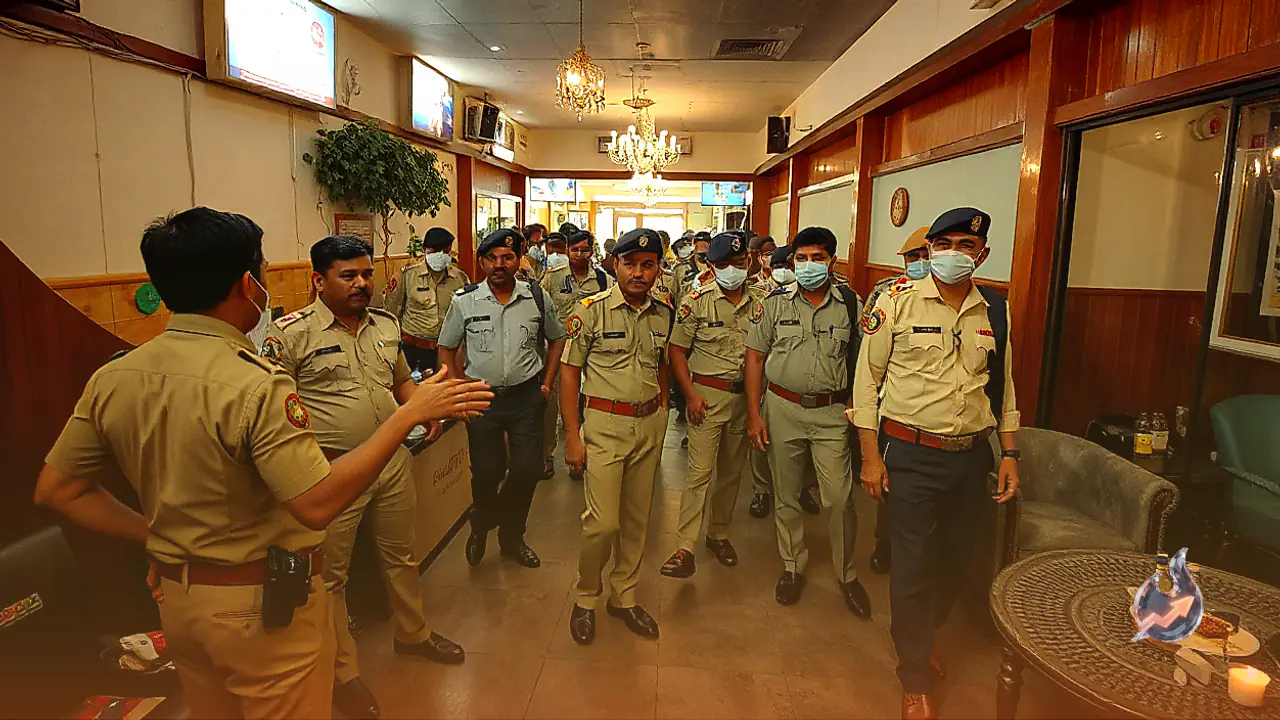


















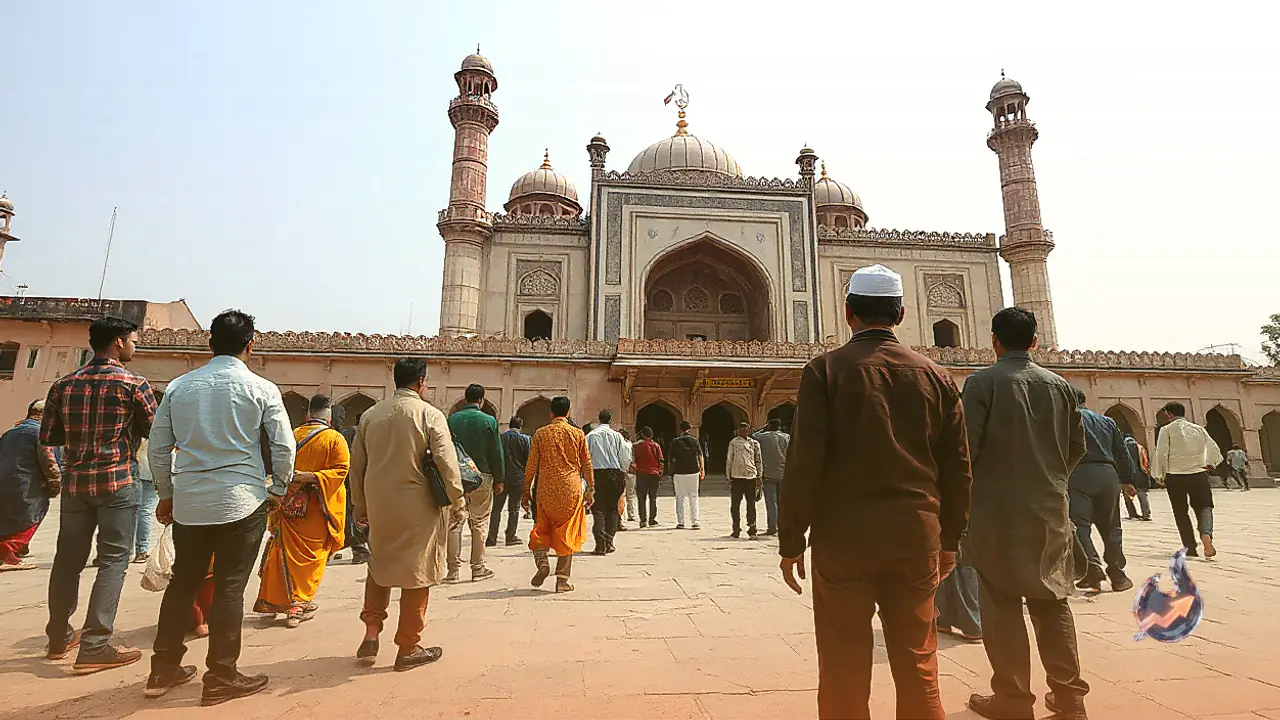

A significant legal and communal debate has emerged surrounding the religious identity of the fourteenth-century Jami Masjid situated in the historical city of Bharuch, Gujarat. The matter has reached the Gujarat High Court following assertions by petitioners that an idol depicting Lord Mallinath, revered as the nineteenth Tirthankara in Jain traditions, rests within the subterranean basement of the historic complex. Based on these findings, the petitioners have formally requested judicial intervention to declare the premises a Jain and Hindu shrine under the traditional titles of Ashvavabodha Tirth and Shakunika Vihar. The legal plea also urges the court to permit community members to conduct religious prayers inside the structure and mandate strict protective safeguards. Addressing these submissions, the Gujarat High Court issued comprehensive notices on October 26 to the Union government, the state administration, the Archaeological Survey of India, the Bharuch District Collector, and the local mosque management, directing them to file detailed responses by November 2.
Arguments Presented Before the High Court
During preliminary proceedings before the bench, counsel appearing on behalf of the petitioners underscored the pressing need to preserve all architectural relics, iconography, and ancient artifacts situated inside the fourteenth-century structure. The petitioners sought specific directions mandating that the Archaeological Survey of India actively protect these remnants, alongside granting the community official permission to carry out worship rituals. Significantly, legal counsel representing the archaeological authority did not dispute the physical existence of the idol within the building during the hearing. The state government equally placed strong emphasis on securing the artifact, maintaining through its legal representative that preserving the sculpture remains a paramount duty of the site's custodians, while advocating for the preservation of the status quo. On the other hand, advocates representing the mosque trust argued that the property has been officially designated and registered as an active mosque for approximately 122 years, functioning continuously under official archaeological custody.
Escalation of Social Campaigns and Mobilisation
The friction regarding the monument gained significant momentum during 2026 after an organization named the Rashtriya Dharohar Sanrakshan Samiti initiated a coordinated public drive concerning the historical status of the building. Beginning in May, the group spearheaded extensive signature campaigns and public gatherings designed to mobilize backing for recognizing the site as an ancient Jain sanctuary. By June, these localized activities caught the attention of central heritage custodians and district administrators. On June 10, the Vadodara Circle of the Archaeological Survey of India issued an urgent communique to the Bharuch District Collector, highlighting severe concerns over viral social media messages rallying people to gather in large numbers at the monument. The heritage agency explicitly warned that uncontrolled congregations could endanger the physical fabric of the medieval monument and potentially ignite inter-community friction in the locality.
Administrative Action and Local Allegations
In its formal correspondence, the archaeological department reminded local administrators that the Bharuch Jami Masjid stands as a protected monument of national importance under the statutory provisions of a government gazette notification dated May 26, 1909. The agency urged local law enforcement and civil officials to institute immediate preventive measures to secure the perimeter. Concurrently, the mosque managing trust approached local police authorities and district officials, lodging complaints regarding alleged security lapses. Trust representatives alleged that on March 3, an unauthorized group managed to gain entry into the interior precincts of the mosque, where they lit ritual lamps and offered flowers. The mosque administration further complained that police personnel present in the vicinity permitted the group to walk into the complex, thereby heightening local anxieties.
Significance of Protected Status Under Heritage Regulations
The Archaeological Survey of India carries a statutory mandate to preserve the structural integrity and historical character of protected monuments across the nation. Because the Bharuch edifice was brought under formal central protection through the 1909 notification, regulations strictly bar unauthorized structural modifications or arbitrary alterations to its historic fabric. Within the ongoing judicial dispute, the role of the archaeological body has become central, as the petitioners seek formal recognition, expert conservation of newly highlighted religious artifacts, and worship privileges, whereas the governing trust maintains that century-long administrative records and statutory protection as a mosque must be upheld without disruption.