
























Stop Meddling With The Himalayas: Environmentalist Bhawreen Kandhari Warns Nepal Disaster Is A Alarm Bell For India And ChinaIndia
31 Aug 2026, 8:08 am (57 min ago)· 2

Stop Meddling With The Himalayas: Environmentalist Bhawreen Kandhari Warns Nepal Disaster Is A Alarm Bell For India And China

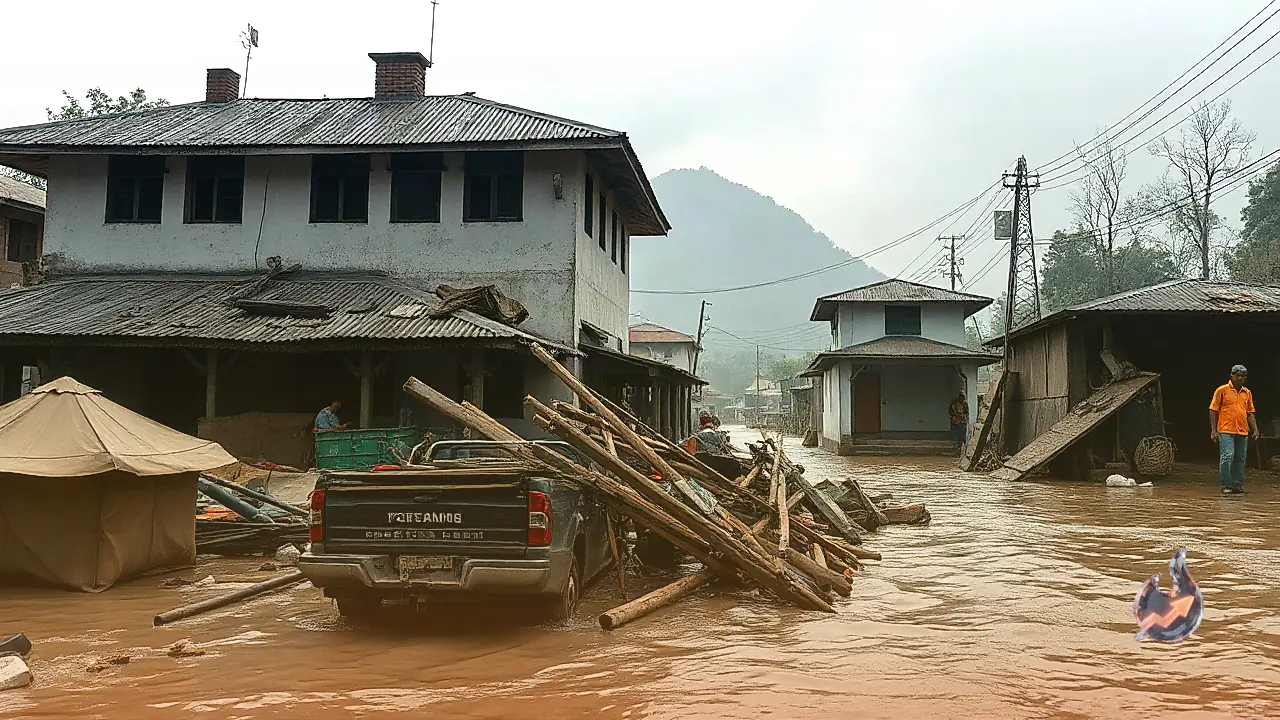
Environmentalist Bhawreen Kandhari has expressed grave concern over the flash floods in Nepal, attributing the disaster to climate change, melting glaciers, and reckless human interventions. She has called for urgent cross-border cooperation involving India and China to protect the fragile Himalayan ecosystem.

Environmentalist Bhawreen Kandhari has voiced deep concern over the sudden floods in Nepal, urging authorities and society to view the disaster as a severe wake-up call regarding climate change, melting glaciers, and mounting threats to the Himalayas. Pointing to rising water levels in regions like Chitrakoot, she emphasized the immediate necessity for sustainable development and preparedness.

Fragile Geography Meets Reckless Intervention

Discussing the disaster, Bhawreen Kandhari noted that labeling such events as purely natural disasters is misleading because glaciers naturally experience disruptive events. However, she stressed that the Himalayas are a relatively young mountain range that has not yet fully settled and will likely take millions of years to achieve complete stability. While natural events occur, human actions are actively making them far more severe and catastrophic.

Also read

Rising Temperatures and Construction Pressures

Temperatures are climbing steadily due to mounting pollution and rampant construction activities inside eco-sensitive zones. Unchecked blasting and development are compounding the vulnerability of the region. Instead of dismissing these events solely as acts of nature, systemic human errors must be corrected. She suggested that all nations sharing the Himalayan ecosystem must unite to devise effective protective measures.

Overlooking Environmental Thresholds

Extensive studies and assessments already highlight that the current situation is extremely fragile with zero margin for error. The entire crisis must be evaluated holistically, encompassing coal production, large-scale hydropower projects, heavy tourist influx, and the resulting surge in carbon footprints. Similar reckless mistakes and tree-felling projects have already been clearly witnessed in states like Uttarakhand and Himachal Pradesh.

The Urgency of Cross-Border Collaboration

Stressing the importance of transcending national borders for environmental preservation, Bhawreen Kandhari highlighted that cooperation is required not just between India and Nepal, but also with China. Every nation connected to the Himalayan range needs to collaborate closely, leveraging early warning systems and advanced signaling mechanisms to mitigate future catastrophes.


Questions & Answers

Who expressed concern over the sudden floods in Nepal?
Environmentalist Bhawreen Kandhari expressed deep concern regarding the disaster in Nepal.
What primary factors were blamed for the disaster?
Climate change, melting glaciers, rising temperatures, and construction activities inside eco-sensitive zones were cited as primary factors.
What geographical fact was highlighted about the Himalayas?
The Himalayas are a very young mountain range compared to others and will likely take millions of years to fully stabilize.
Which countries did Bhawreen Kandhari suggest should cooperate?
She suggested that India, Nepal, China, and all nations connected to the Himalayan range must collaborate across borders.
Which Indian states were cited as having experienced similar mistakes?
Uttarakhand and Himachal Pradesh were noted as states where similar mistakes involving tree-felling projects were clearly witnessed.

Comments 2

Karan Malhotra@karan-malhotra·28m ago

This issue concerning Nepal's disaster and mounting human intervention in the Himalayas is not merely an environmental matter, but a critical concern deeply tied to national security and public safety. The looming threat driven by unplanned construction, mountain blasting, and reckless development invites massive displacement, loss of life, and severe law-and-order crises in the future. If neighboring nations like India, China, and Nepal fail to take concrete legal and strategic steps toward joint security and disaster management in time, the situation could spiral entirely out of control.

Arjun Mehta@arjun-mehta·28m ago

This crisis goes beyond mere environmental degradation, posing severe geopolitical and strategic security risks to border regions. When climate vulnerabilities and unchecked construction trigger massive disruptions, they directly threaten national borders, water security, and local populations. If South Asian neighbors fail to institutionalize robust water diplomacy and joint ecological governance immediately, this escalating vulnerability will soon transform into transboundary friction and severe regional instability.

Citizen journalism

Become a TrendKia journalist

Voice of the people

Share news, photos and videos from your area with TrendKia and let your voice reach the nation. Every citizen a journalist.

Join now
CH 01 LIVE
TrendKia TV ON AIR