
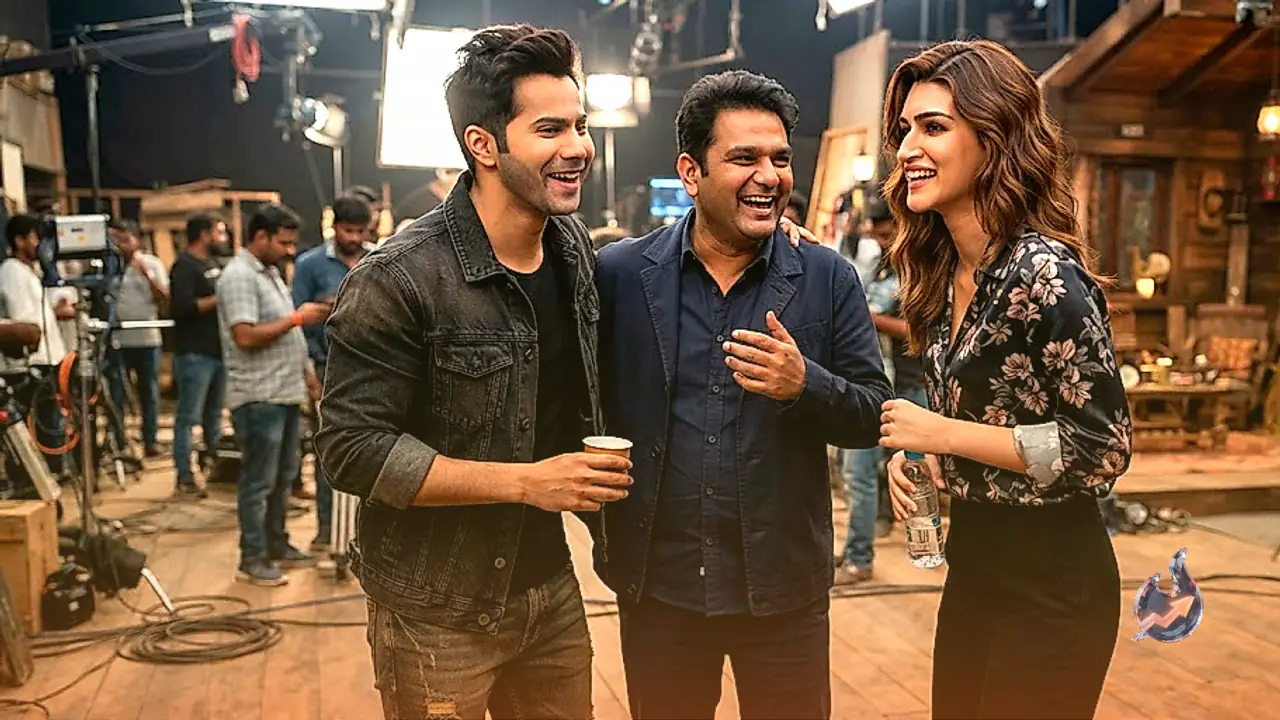














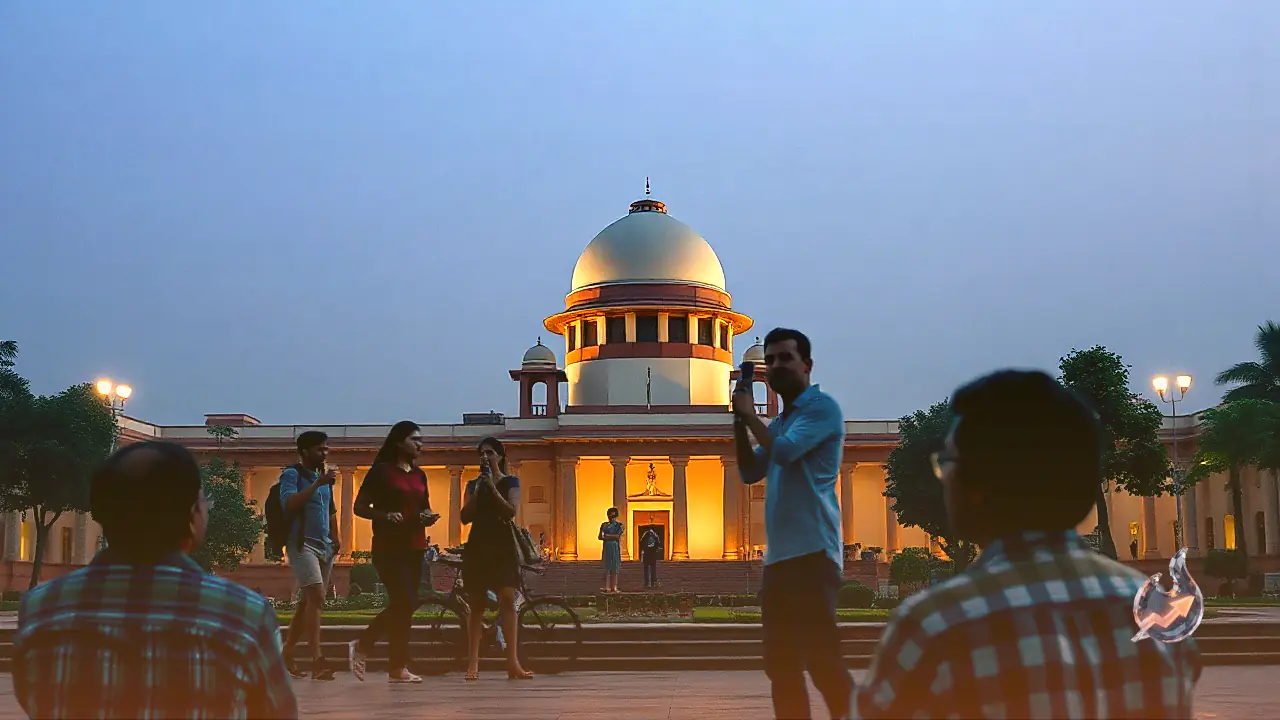

In a major legal relief for the digital entertainment industry, the Supreme Court of India on 14 August 2026 quashed all first information reports (FIRs) and pending criminal proceedings across various states against popular standup comedian Samay Raina and four fellow artists. The decision comes after the performers successfully satisfied judicial expectations by organizing awareness campaigns and raising funds dedicated to the welfare of persons with disabilities following a controversy surrounding their show 'India's Got Latent'.
Bench Composition and Beneficiaries of the Order
The order was delivered by a three-judge bench of the apex court comprising CJI Surya Kant, Justice Joymalya Bagchi, and Justice V. Mohana. Formally closing proceedings against respondents numbered 6 through 10 in the litigation, the bench terminated all active prosecutions stemming from the disputed episode. Alongside Samay Raina, the other individuals who received complete legal clearance include Vipul Goyal, Balraj Paramjeet Singh Ghai, Sonali Thakkar (also known as Sonali Aditya Desai), and Nishant Jagdish Tanwar. The verdict has brought widespread quiet and relief among independent content creators and comedy circles nationwide.
Judicial Appreciation for Social Welfare Efforts
The primary factor influencing the Supreme Court to nullify the FIRs was the post-controversy conduct of the accused comedians. Adhering to directives previously laid down by the top court, the group actively organized events aimed at raising public consciousness regarding disability rights while simultaneously executing fundraising drives for disabled citizens. Commending these constructive actions during the hearing, the bench observed that genuine and sincere efforts invariably yield positive outcomes. The judges highlighted the talent of the young performers, noting that redirecting their creative capabilities toward constructive social causes will produce impactful and beneficial results for society.
Genesis of the Controversy and Online Removal
The legal dispute originated from an episode of Samay Raina's widely viewed YouTube show titled 'India's Got Latent', during which comments perceived as insensitive and derogatory toward individuals with disabilities were broadcast. The incident sparked intense backlash, prompting multiple police complaints and criminal FIRs to be lodged in multiple jurisdictions against Samay Raina, guest contributor Ranveer Allahbadia, and other participants associated with the broadcast. In response to the growing public outrage, Samay Raina subsequently removed all published episodes of 'India's Got Latent' from his official YouTube channel. Concurrently, Ranveer Allahbadia issued a formal public apology acknowledging the inappropriateness of the remarks. The fallout triggered an intense nationwide discourse regarding digital freedom of speech, ethical boundaries in online comedy, and accountability for digital creators.
Broader Proceedings to Frame Digital Content Guidelines
While the court has formally terminated criminal action against the five named comedians, it emphasized that the overarching legal matter remains open. The Supreme Court intends to continue hearings on the systemic questions raised by the dispute to establish structured mechanisms for regulating and monitoring digital content. The bench plans to solicit inputs and recommendations directly from disabled individuals and advocacy groups. Based on these consultations, the court will eventually formulate comprehensive national guidelines aimed at preventing insensitive content and maintaining decorum across streaming and social media platforms.