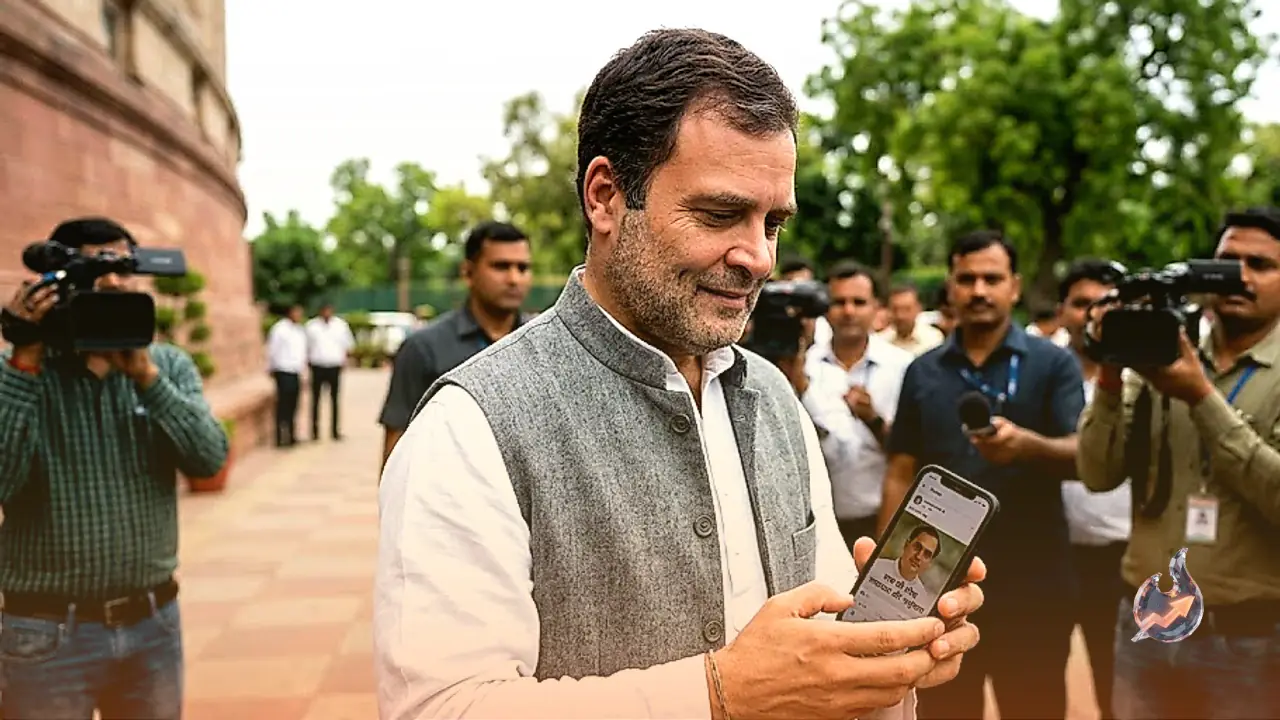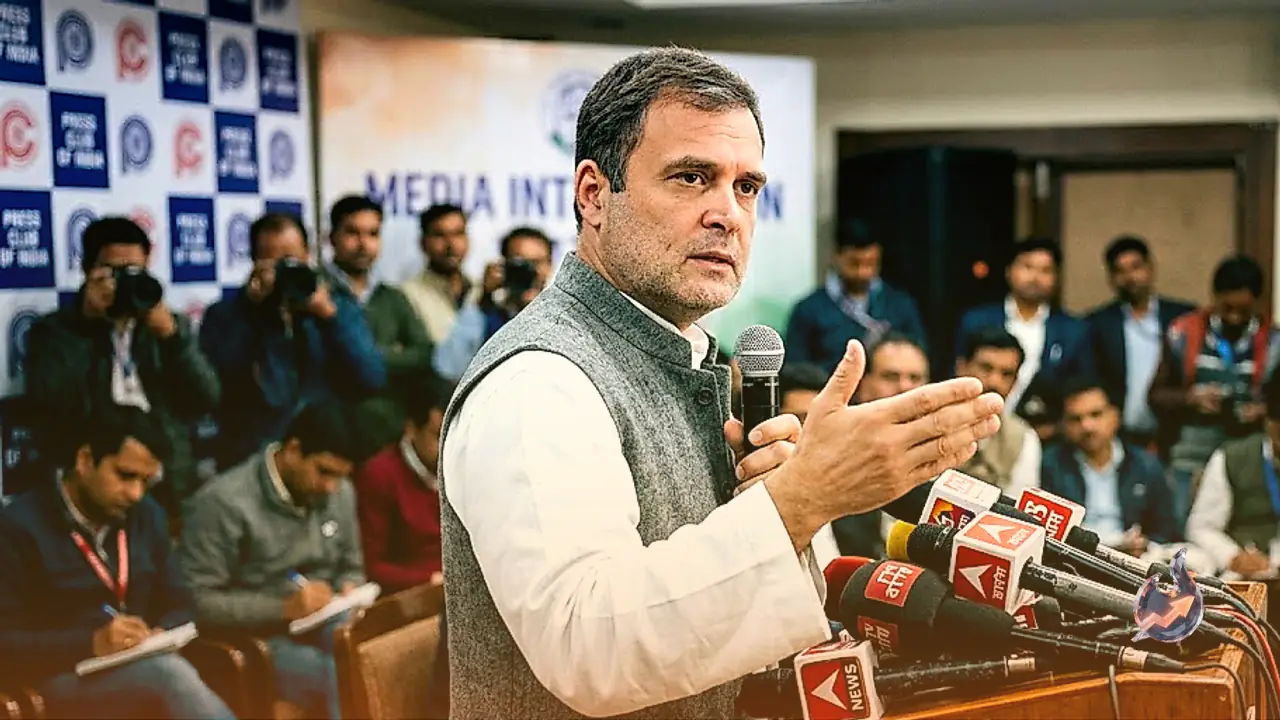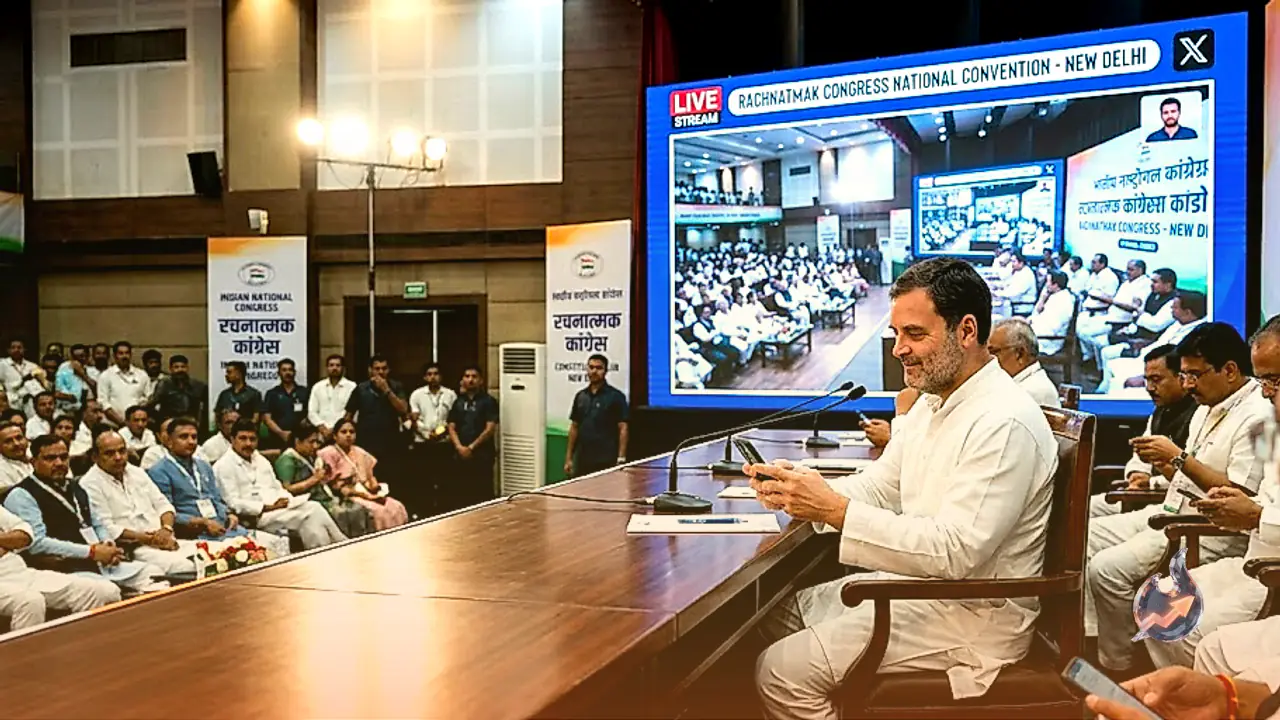

















Rahul Gandhi has initiated a broad public conversation on social media by inviting women across India to share their personal experiences, struggles, and aspirations. Ahead of an upcoming public gathering, he urged women to speak about their individual journeys without being constrained by family or societal expectations.
An Invitation for Authentic Personal Stories
Posting on his official social media account, Rahul Gandhi posed a direct question asking what it means to be an Indian woman. He expressed a deep interest in understanding how women truly feel in their daily lives, encouraging them to listen to their own inner voices rather than conforming to external pressures.
The post highlighted key themes including personal battles, daily obstacles, unique perspectives, and future dreams. By asking women to share their story, the message sought to create an open space where authentic experiences from diverse backgrounds can be voiced and heard.
Context of the Pune Women's Rally
This digital outreach is linked to a major event scheduled for August 22 at the AISSMS College Ground in Pune, Maharashtra. The upcoming women's rally aims to bring together students and women from various walks of life to discuss rights, gender equity, and social opportunities.
By soliciting responses online prior to the event, the campaign intends to collect real world insights into the challenges faced by women today. These perspectives are expected to inform the discussions and focal points during the Pune assembly.
Wider National Discourse on Women's Rights
The initiative comes amid ongoing national conversations regarding women's participation across all sectors of society. From sport achievements on international stages to professional milestones, women continue to shape the country's progress. At the same time, national health surveys show demographic shifts, such as the total fertility rate reaching 1.9, reflecting changing family structures and societal dynamics.
Key topics such as work life balance, workplace safety, equal compensation, and legal awareness remain central to the dialogue surrounding women's empowerment. Analysts emphasize that comprehensive development relies heavily on ensuring active participation and equal protection for women in every sphere.
Public Reaction on Social Media
The online post drew a wide range of responses from social media users. Many women responded by detailing their quiet determination in overcoming cultural barriers and fighting for independent choices. Other commentators brought up political questions and highlighted the ongoing challenges women face in public and online spaces. Overall, the prompt generated an active exchange on the real lived experiences of women in contemporary India.