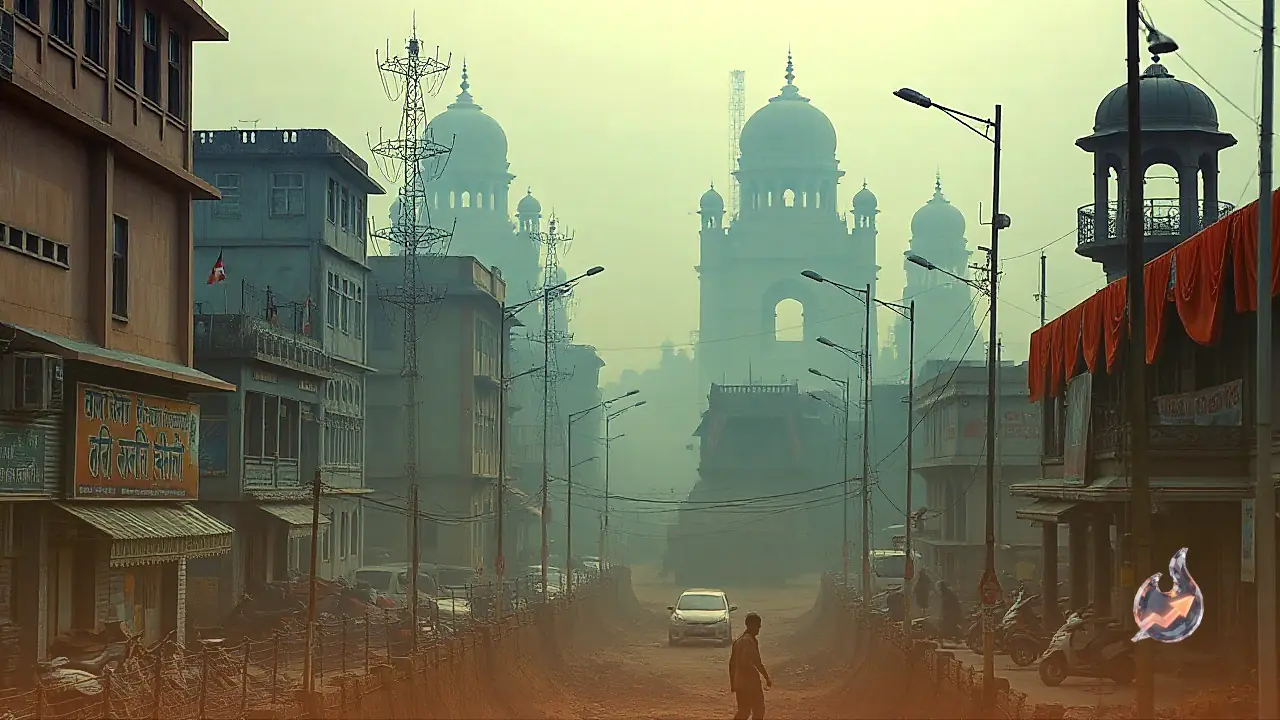






















Severe rainfall in the historic city of Prayagraj, Uttar Pradesh, has created a critical waterlogging situation, significantly disrupting daily life and civic infrastructure. Rising water levels on railway tracks have forced authorities to temporarily suspend train operations at the key Rambag station. The urban crisis has also triggered a sharp political debate, with Samajwadi Party leader Akhilesh Yadav publicly questioning the state government's urban governance and infrastructure development projects. Highlighting the distress of thousands of submerged households, the opposition leader criticized the administration for failing to deliver efficient drainage systems despite massive financial allocations.
Train Services Halted at Rambag Station amid Heavy Inundation
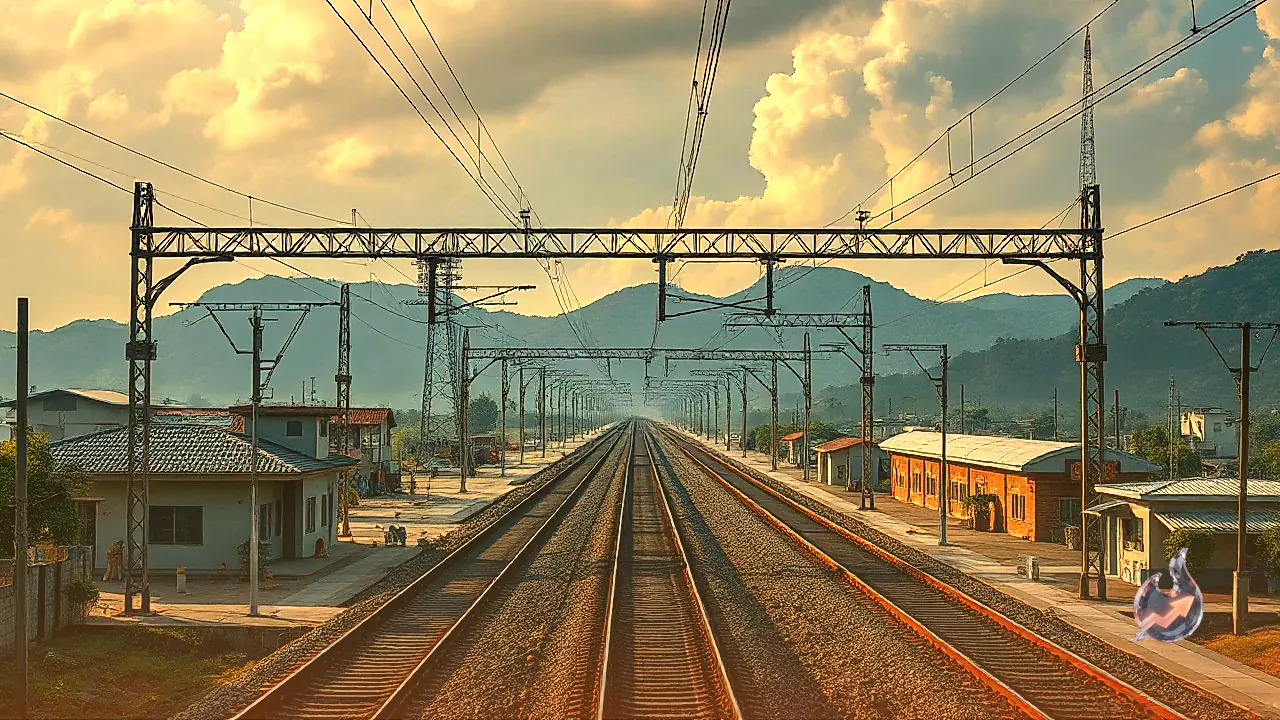
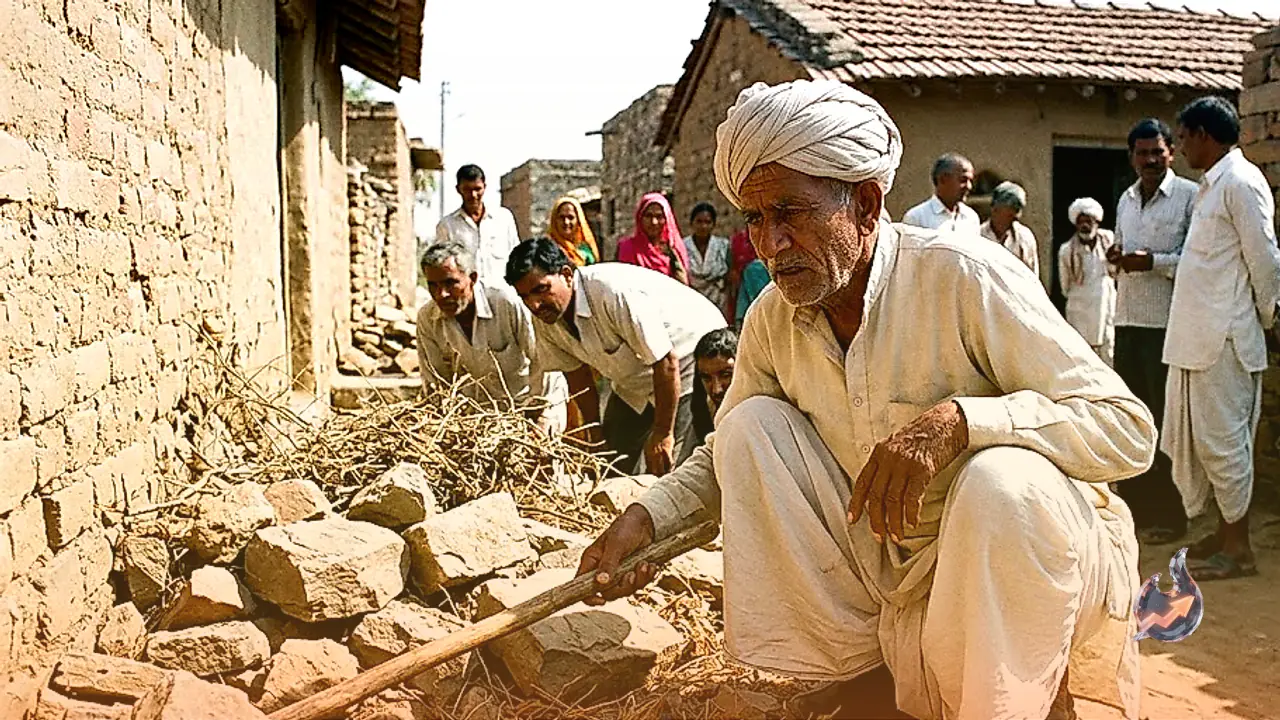
The intense downpour across Prayagraj has resulted in flood-like conditions across several localities. Reports indicate that nearly 60 municipal wards have been severely affected by water accumulation, entering residential houses and causing immense hardship to residents. The most immediate impact was observed on public transportation. Floodwaters inundated the premises and tracks at Rambag railway station, prompting railway officials to halt train movements for safety reasons. Several trains have been diverted or short-terminated. Local residents expressed frustration over poor urban planning, pointing out that even moderate rainfall causes knee-deep water accumulation on main arterial roads.
Akhilesh Yadav Attacks Government Over Infrastructure Funds
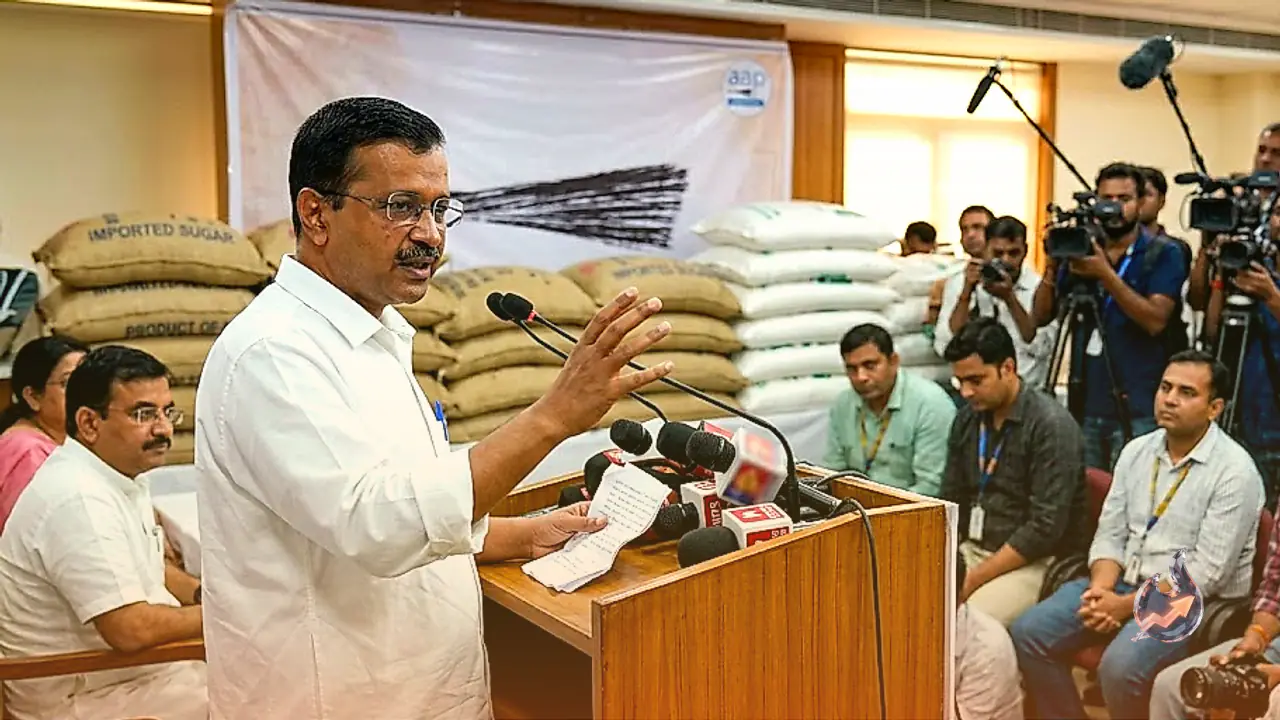
Reacting to the emerging crisis, Samajwadi Party chief Akhilesh Yadav launched a scathing attack on the state government via a social media statement. He pointed out that while approximately Rs 1 lakh crore was earmarked for the development and modernization of Prayagraj, thousands of families are currently suffering in submerged homes. Yadav remarked that changing a city's name does not automatically translate into improved governance or better public amenities. He urged the administration to reform its work culture and operational integrity, asserting that the tall claims of turning Prayagraj into a smart city have dissolved in the very first major spell of monsoon rain.
Administrative Response and Emergency Relief Measures
Responding to the situation and political allegations, the local administration assured the public that emergency relief measures are actively underway. Heavy-duty drainage pumps have been deployed across inundated wards and low-lying sectors to clear stagnant water. Teams from the National Disaster Response Force (NDRF) and State Disaster Response Force (SDRF) have been mobilized to assist affected citizens and manage emergency evacuations if necessary. Authorities clarified that major rivers in the region, including the Ganga and Yamuna, remain below the danger mark, and the waterlogging is primarily driven by localized heavy rainfall and choked stormwater drains.
Pattern of Infrastructure Strain During Major Events
This is not the first time Prayagraj has experienced immense pressure on its civic infrastructure and urban transit systems. As one of the country's prominent spiritual hubs, the city routinely witnesses massive gatherings that test its public utilities. During the recent Magh Mela, a record crowd of 4 crore 52 lakh (45.2 million) pilgrims assembled at the Triveni Sangam on the auspicious occasion of Mauni Amavasya, while total footfall during the mela reached 3 crore 56 lakh. Similarly, during preparations for the Mahakumbh, over 2.5 crore visitors arrived within a span of just two days, resulting in massive 30-kilometer traffic snarls across 7 major entry routes and necessitating the closure of Sangam Ghat station until 14 February. These recurring incidents underscore the urgent necessity for comprehensive, long-term drainage and traffic infrastructure upgrades.
About Prayagraj
Prayagraj is a major historical and cultural city in the state of Uttar Pradesh, India. Located at the holy Triveni Sangam—the confluence of the Ganga, Yamuna, and the mythical Saraswati rivers—it holds immense religious significance. The city hosts the sacred Kumbh Mela every 12 years and the Ardh Kumbh every 6 years, drawing tens of millions of pilgrims from across the globe. Historically, Mughal Emperor Akbar constructed a grand fort near the confluence and named the surrounding settlement Allahabad. In October 2018, the Uttar Pradesh government officially restored the city's ancient name, renaming it Prayagraj.
Public Reaction
Public reactions on social media reflected diverse perspectives on the flooding. While numerous citizens expressed indignation over urban management failures and questioned smart city expenditures, others pointed out the intensity of the monsoon downpour and praised the front-line rescue teams working to restore normalcy.