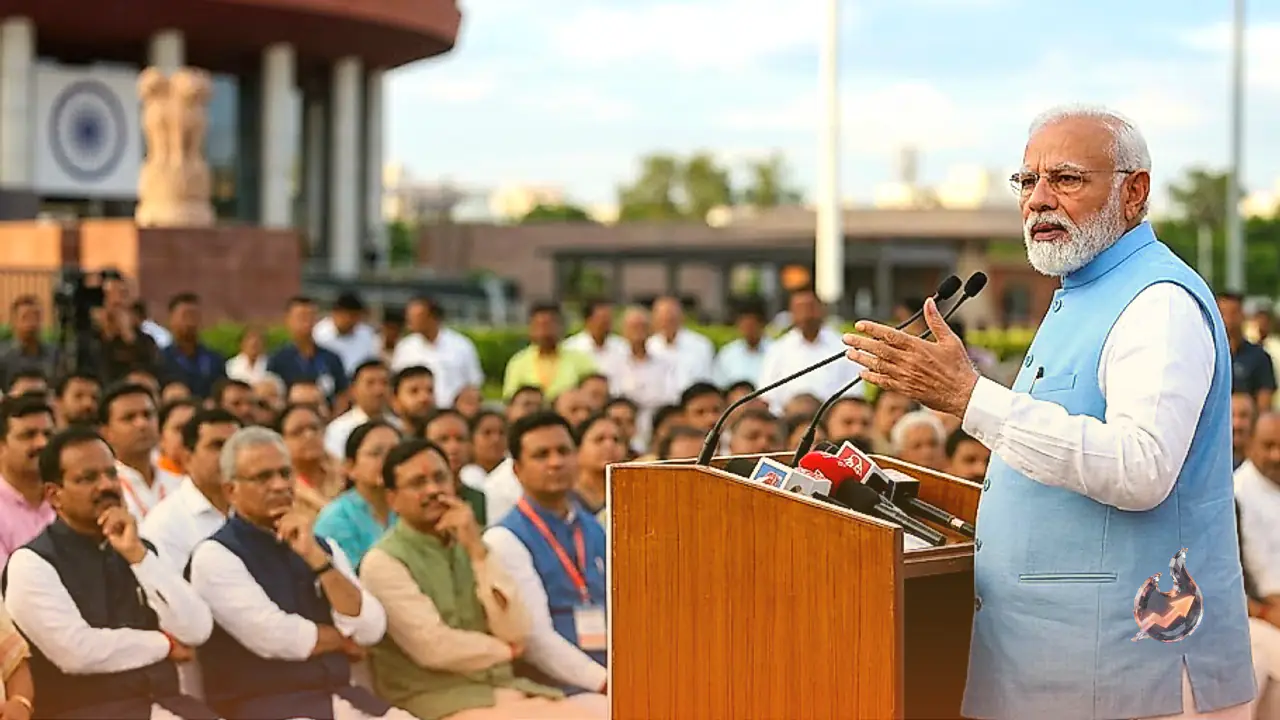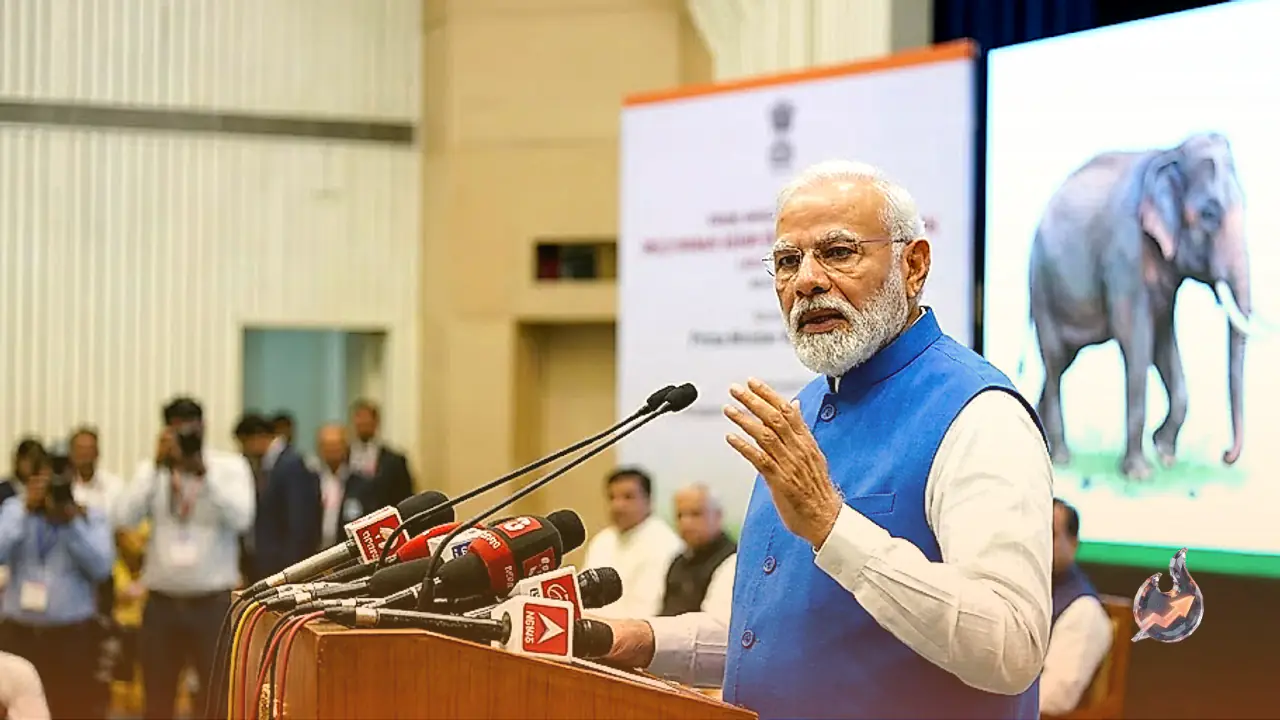
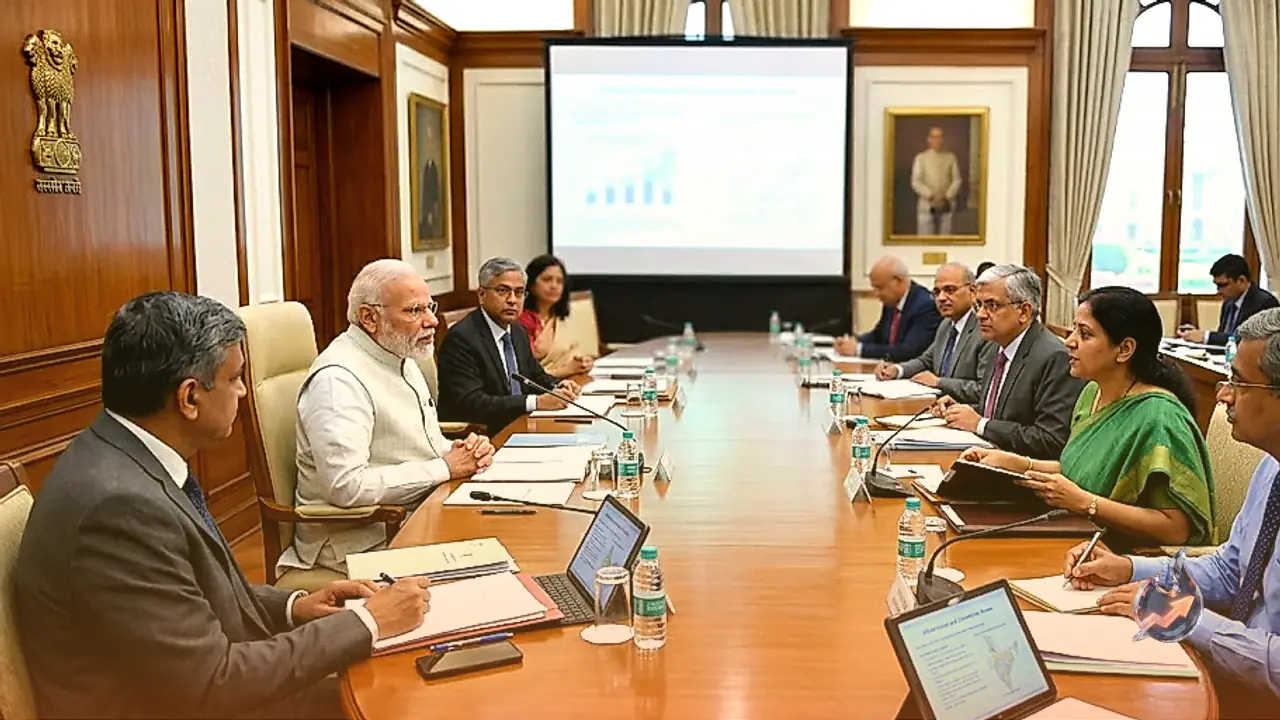






















A key high-level review meeting was convened in New Delhi to outline the future action agenda for various ministries and administrative departments of the Government of India. Presiding over the meeting, Prime Minister Narendra Modi engaged in comprehensive discussions covering critical sectors including infrastructure, connectivity, national security, and external affairs. While evaluating different facets of governance, he emphasized the need for administrative mechanisms to operate with enhanced efficiency, coordination, and transparency.
Inter-Departmental Synergy and Long-Term Vision
This third high-level interaction with government secretaries focused heavily on reforming administrative workflows to achieve strategic national objectives. A primary highlight of the deliberations was the call to eliminate departmental silos, encouraging ministries to move away from isolated functioning and adopt an integrated policy implementation framework. Senior bureaucrats were urged to transcend short-term administrative priorities and structure governance roadmaps aligned with the country's overarching long-term goals.
Infrastructure Expansion, Security, and AI Integration
The core agenda of the session encompassed accelerating infrastructure projects, upgrading logistics and connectivity networks, and fortifying national security architectures. Discussions also extended to external affairs and strengthening economic diplomacy on global platforms. Highlighting the role of modern technology in decision-making, the meeting stressed incorporating Artificial Intelligence into policymaking and public administration to enhance operational productivity and advance the ease of doing business across sectors.
Public Reaction
Following the public update regarding the high-level meeting, citizens expressed diverse viewpoints across online platforms. While several commentators welcomed the initiative as a proactive measure toward administrative efficiency and structural modernization, others raised queries regarding student concerns, public policy implementation, and procedural governance transparency.