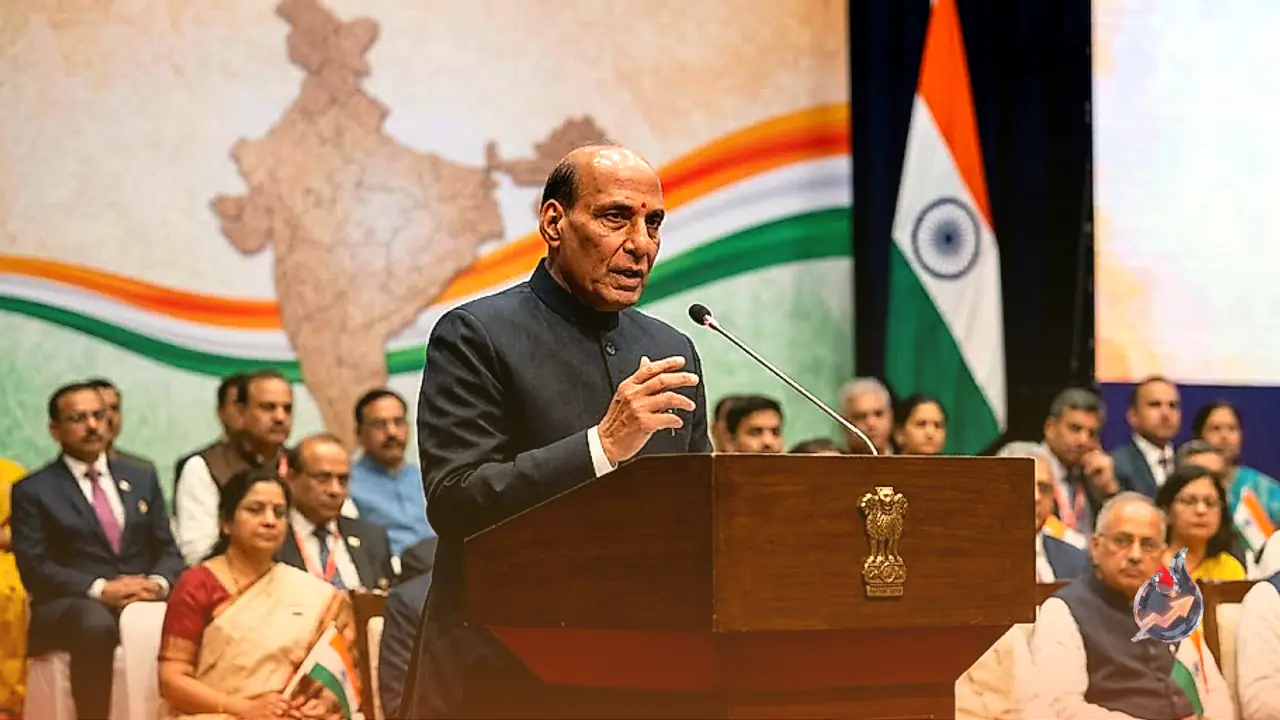




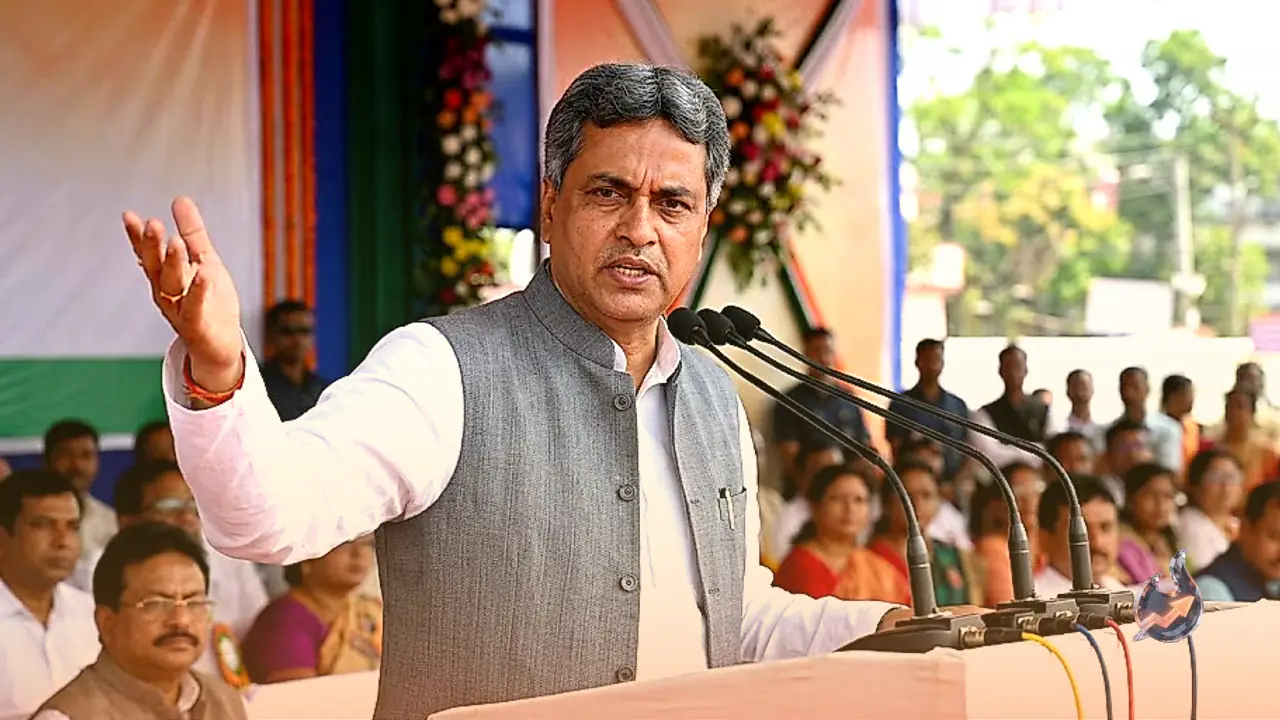



















July 1, 2026 marks eleven years since Digital India was set in motion as a flagship government initiative, designed to harness technology for transparent governance and citizen empowerment. On the occasion, Rajnath Singh posted on X, describing the programme as a visionary effort that has changed the nation's digital landscape and brought in a new era of citizen-centric governance. Prime Minister Narendra Modi also marked the anniversary, stating that Digital India has given the country a new identity on the world stage and that the initiative has succeeded in transforming governance while genuinely empowering citizens.
UPI: Making India the World's Payments Capital
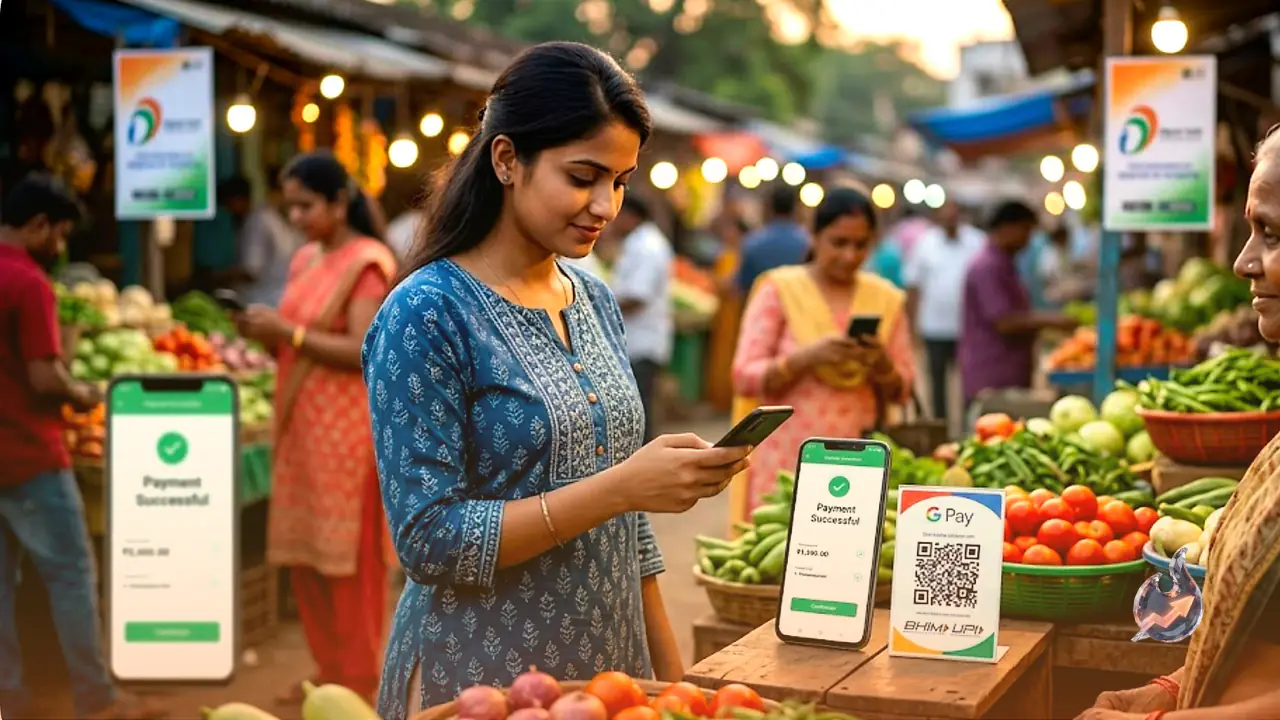
The most visible face of Digital India's achievement is the Unified Payments Interface, or UPI. More than 14 billion transactions now take place on UPI every single month, a volume that amounts to 46 percent of the entire world's real-time digital payments. In under a decade, India has become the largest real-time payments market globally, a transformation that would have seemed implausible when the programme was first launched in 2015. Small shopkeepers, street vendors, and large businesses alike have been drawn into a cashless ecosystem that barely existed before.
The Jan Dhan-Aadhaar-Mobile Trinity
The social backbone of Digital India rests on three pillars working in combination: Jan Dhan bank accounts, Aadhaar biometric identity, and mobile connectivity. Together they brought 52 crore people into the formal banking system for the very first time, many of whom had never held a bank account before. Building on that foundation, Direct Benefit Transfer channelled Rs 34 lakh crore directly into the accounts of beneficiaries, eliminating the layers of intermediaries who previously siphoned off a significant share of public welfare funds. The result has been a measurably more transparent and efficient system of government support.
CoWIN and DigiLocker: Health and Identity Reimagined
When the COVID-19 pandemic tested India's administrative systems under extraordinary pressure, the country's digital infrastructure proved its worth in full view of the world. The CoWIN app coordinated the tracking and delivery of 220 crore vaccine doses from a single digital platform, drawing attention from health systems around the globe. On the identity and documentation front, DigiLocker has grown to serve 22 crore users who can now store and access official documents ranging from birth certificates to driving licences entirely in digital form, doing away with the need to carry physical paperwork.
27 Crore People Out of Poverty: The Welfare Connection
A World Bank report found that approximately 27 crore people in India have been lifted out of extreme poverty over the past eleven years. Digital India's role in this shift has been substantial. By making welfare delivery precise, fast, and free of leakage, the initiative ensured that government support actually reached the people it was meant for rather than disappearing into administrative layers. Technology, in this sense, became a practical instrument of social justice, not just an urban convenience.
What Comes Next: Semiconductors, 6G and High-Speed Rail
Digital India is now entering an ambitious new chapter. India Semiconductor Mission 2.0 aims to build domestic chip manufacturing capacity from the ground up. Global standardisation and adoption of Bharat 6G is being actively pursued, and a globally standardised high-speed railway programme is also among the objectives on the horizon. India is positioning itself as a global leader in artificial intelligence and semiconductor technology, building directly on the eleven years of digital infrastructure investment that the programme represents. Modi described this trajectory as a continuation of an effort that has already reshaped how the country is governed and how its citizens live.
Public Reaction
The anniversary generated widespread enthusiasm across social media, with citizens sharing personal accounts of how UPI, DigiLocker, and Jan Dhan accounts have changed their daily routines, while many also raised pointed questions about bridging the remaining gap in reliable digital access for rural and underserved communities.