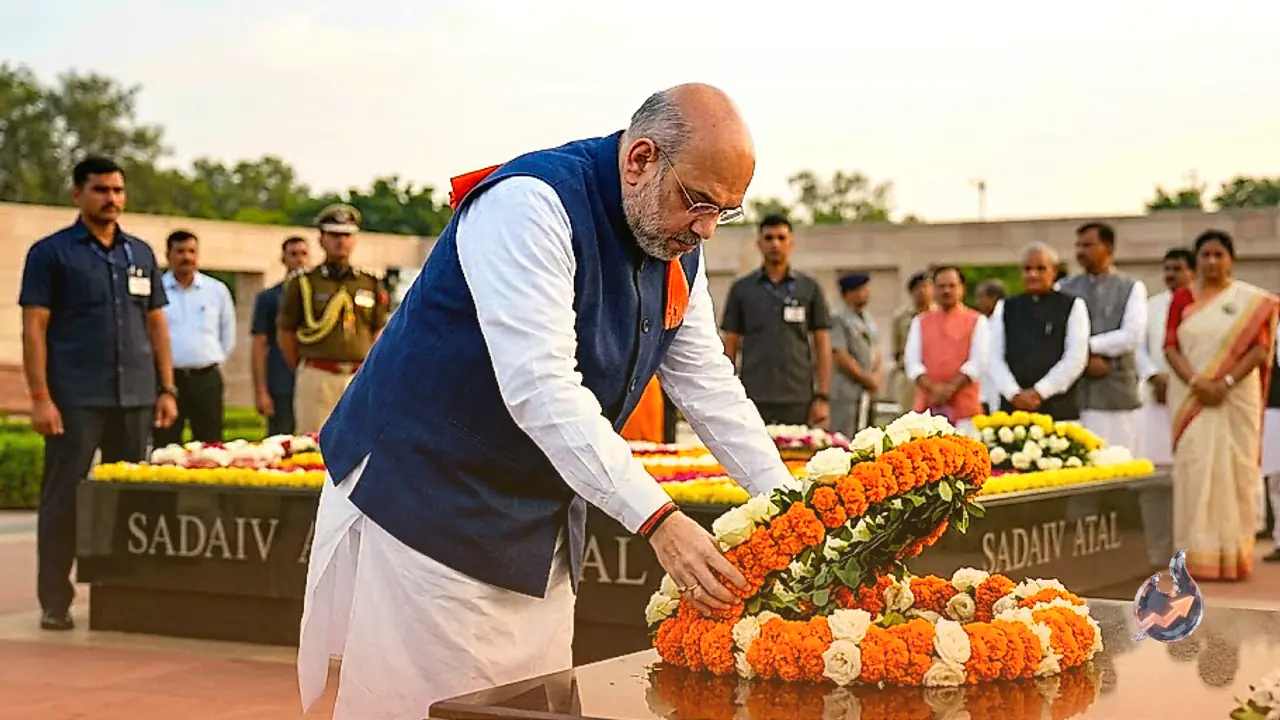


















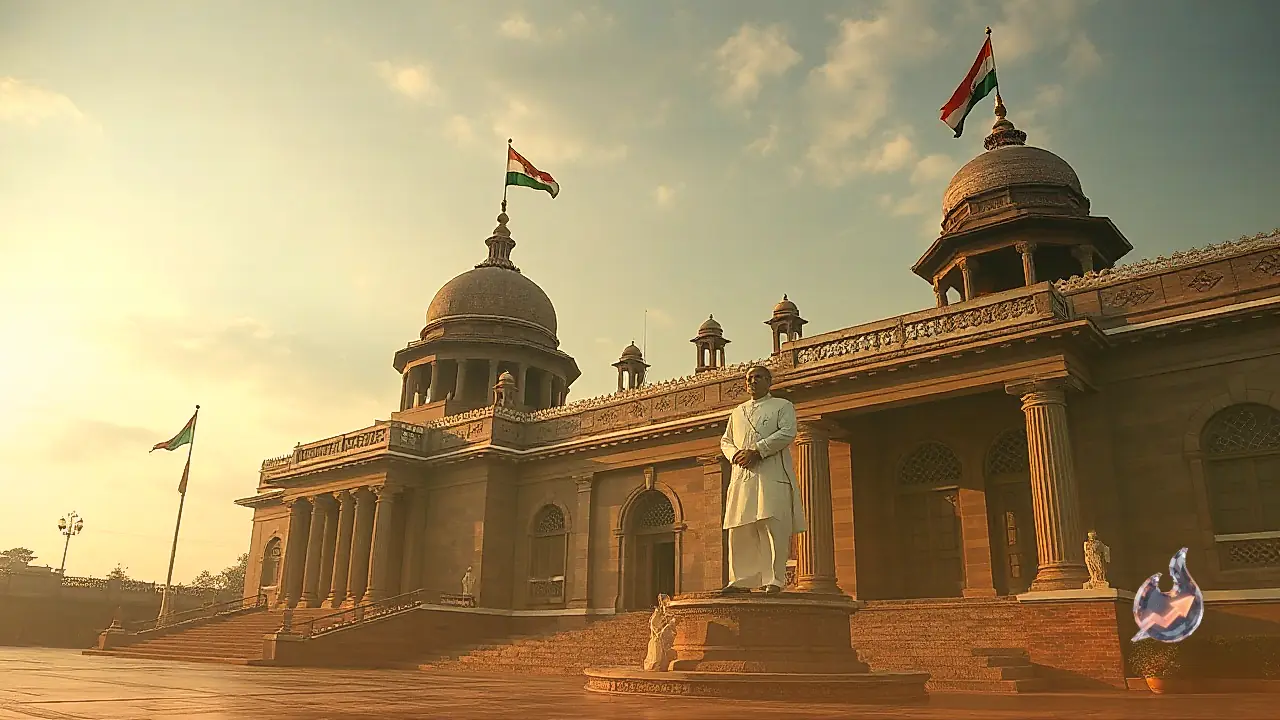

India paid solemn tribute to former Prime Minister and Bharat Ratna Atal Bihari Vajpayee on his death anniversary on 16 August 2026. President Droupadi Murmu, Prime Minister Narendra Modi, External Affairs Minister S Jaishankar, and several senior leaders gathered at the Sadaiv Atal memorial in New Delhi and shared tributes across digital platforms, honoring his visionary leadership and foundational work in national development.
External Affairs Minister S Jaishankar Pays Tribute
External Affairs Minister S Jaishankar remembered the legendary statesman through a dedicated post on social media platform X. Jaishankar emphasized that Vajpayee's indelible contributions to India's security, economy, and diplomacy will always be remembered and cherished. He highlighted how Vajpayee laid robust foundations that continue to shape India's global standing and strategic autonomy today.
Leaders Gather at Sadaiv Atal Memorial
At the Sadaiv Atal memorial site, President Droupadi Murmu, Prime Minister Narendra Modi, Home Minister Amit Shah, and senior political figures paid floral tributes. Uttar Pradesh Chief Minister Yogi Adityanath remarked that Vajpayee's entire life serves as a living example of the nation-first spirit. BJP leader Nitin Nabin noted that Vajpayee made good governance the fundamental mantra of Indian politics, while former Indian hockey captain Sardar Singh also expressed his respects to the late prime minister.
Legacy and Historic Contributions of Atal Bihari Vajpayee
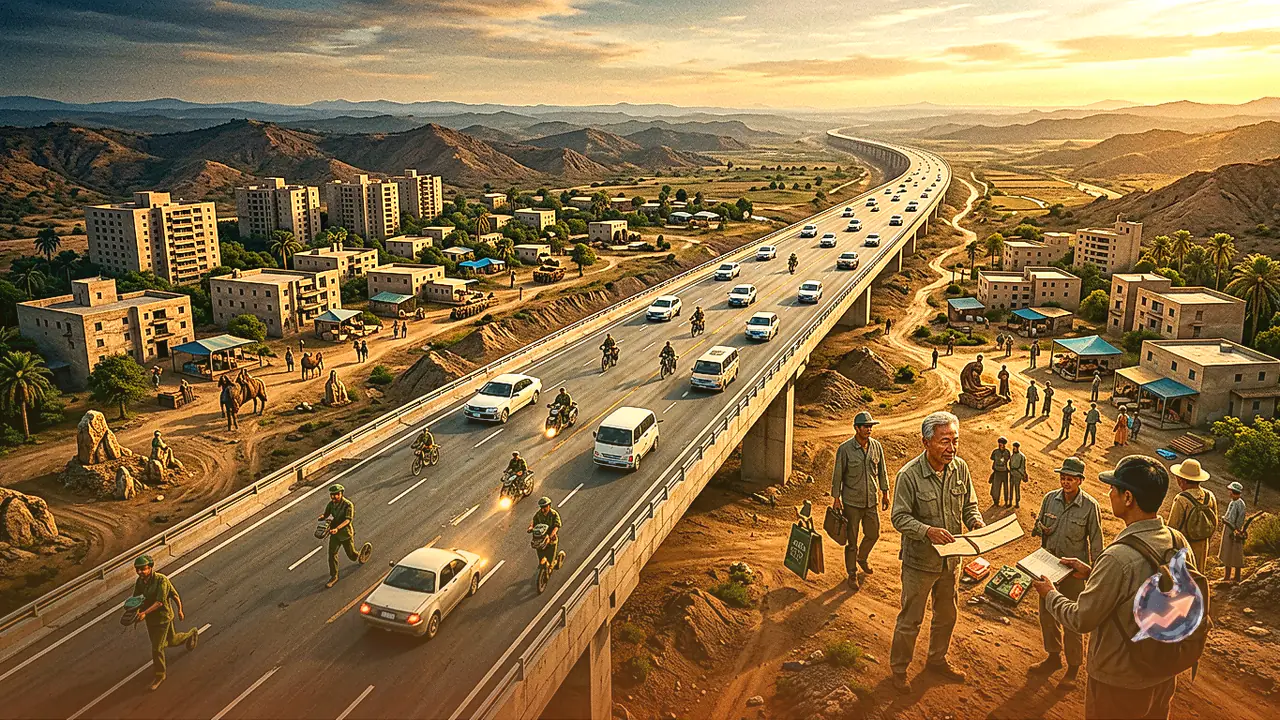
Atal Bihari Vajpayee was an acclaimed poet, writer, and extraordinary statesman who served as India's Prime Minister in 1996 for two weeks and again from 1998 to 2004. He holds the distinction of being the first non-Congress prime minister to complete a full five-year term in office. As a co-founder of the Bharatiya Janata Party and a former full-time volunteer for the Rashtriya Swayamsevak Sangh, Vajpayee harmonized cultural nationalism with democratic pluralism. His tenure was marked by pivotal achievements, including the Pokhran-II nuclear tests in 1998 that established credible nuclear deterrence, decisive leadership during the 1999 Kargil conflict, and ambitious infrastructure projects like the Golden Quadrilateral highway network that transformed national connectivity.
Public Reaction
Citizens and admirers across social media reflected on Vajpayee's statesmanship, sharing memories of his eloquent speeches and political wisdom. Many commentators highlighted his balanced approach to governance and his unwavering resolve during critical security challenges, describing his era as a golden chapter of humility and strength in Indian politics.