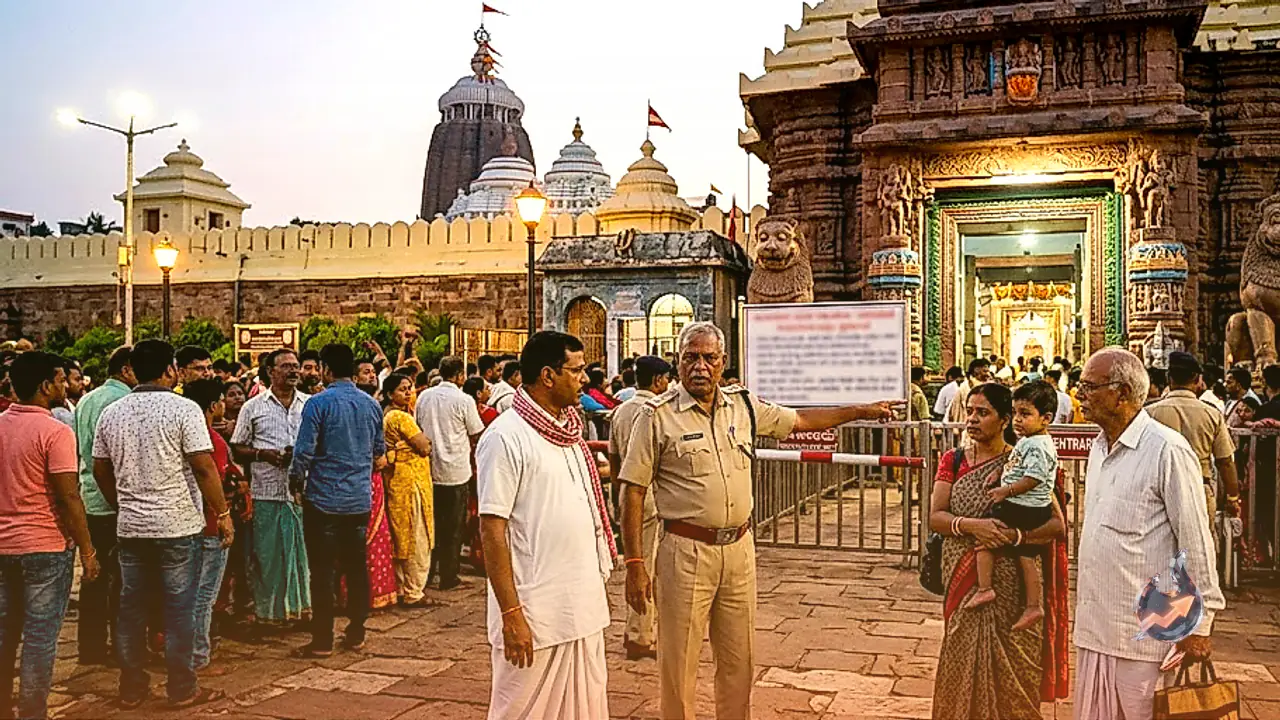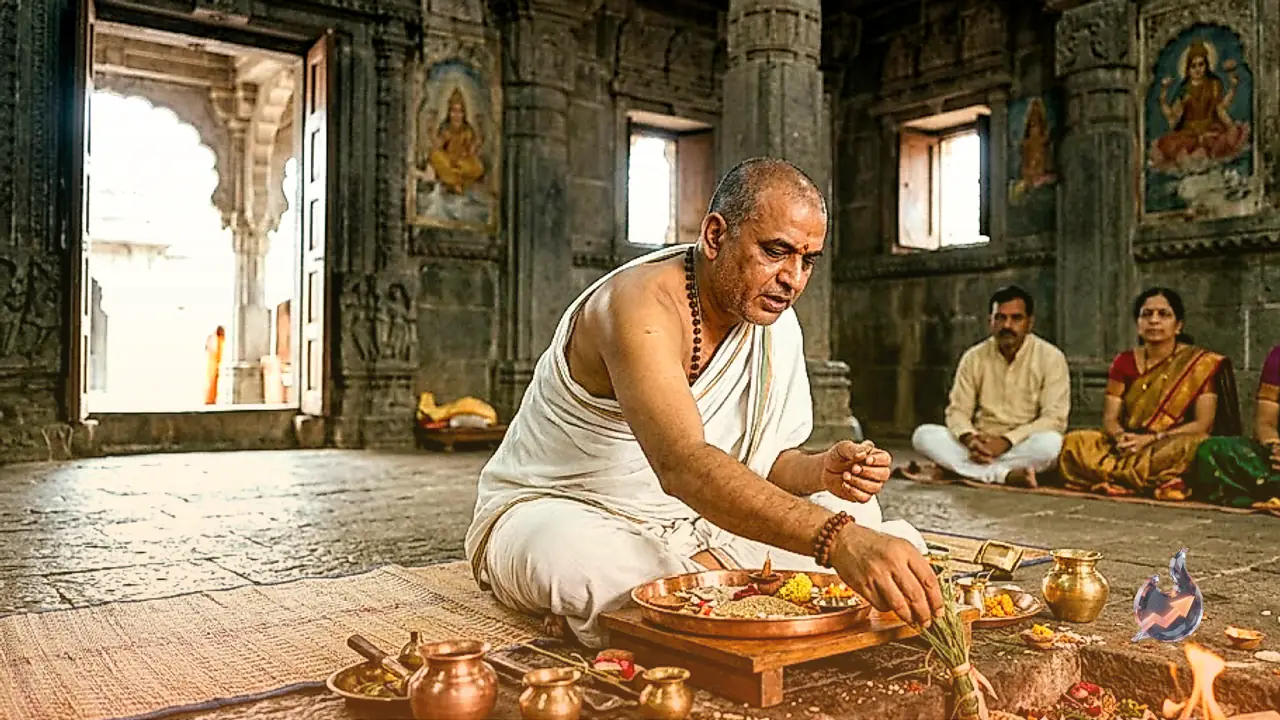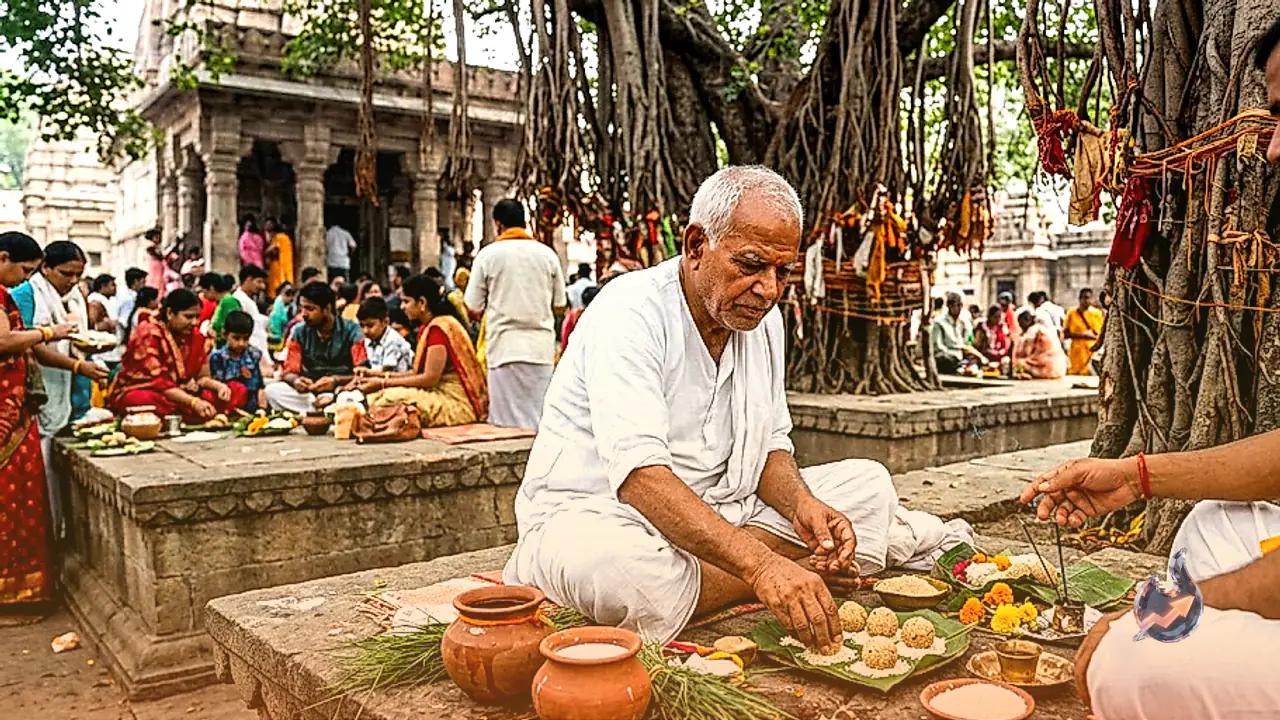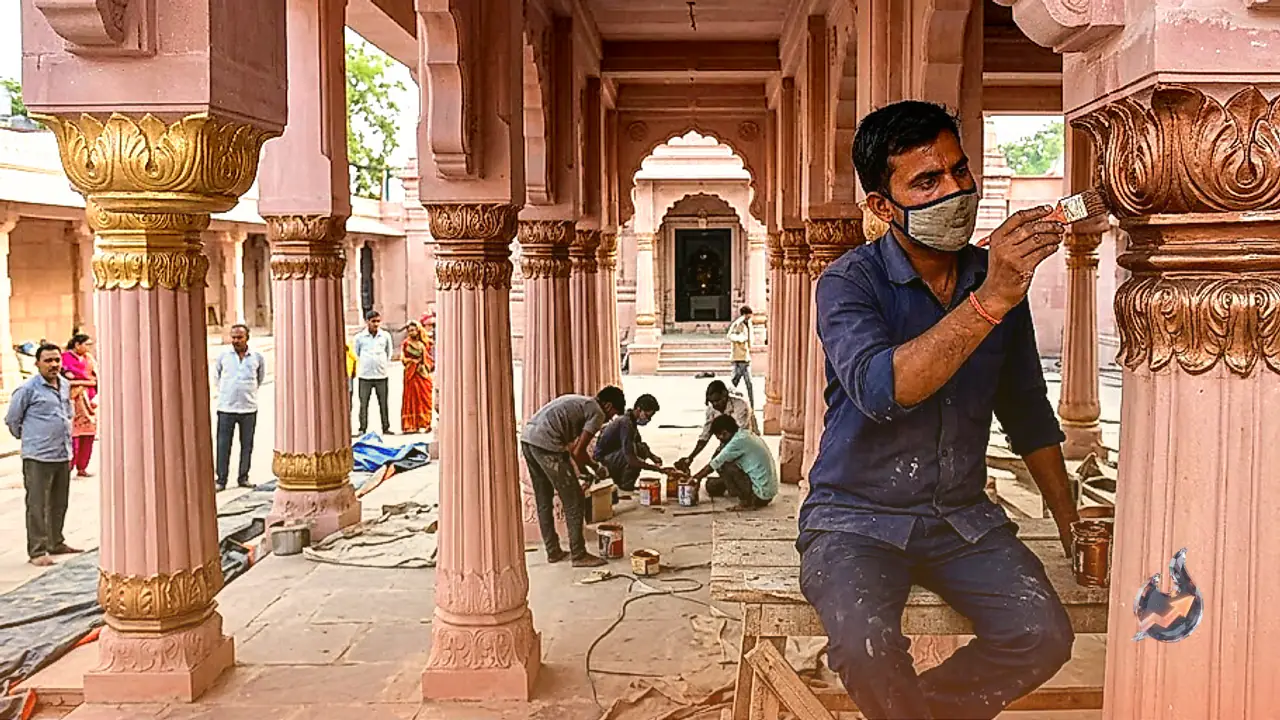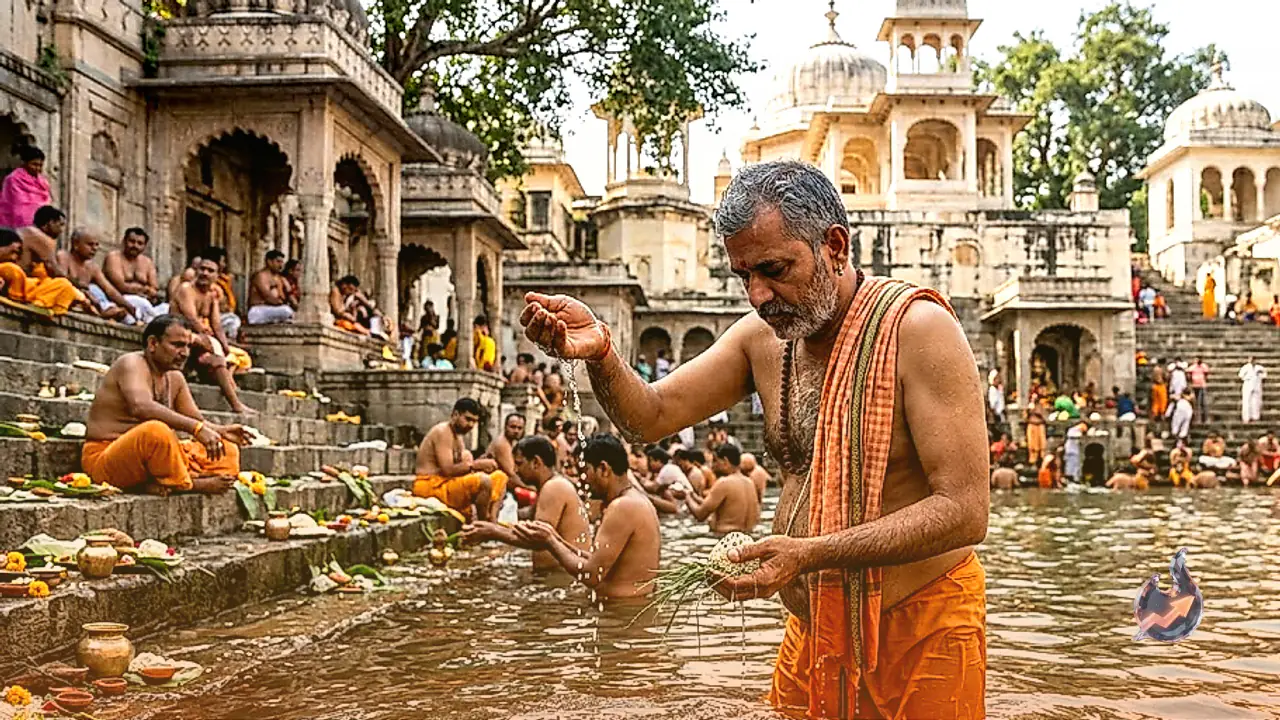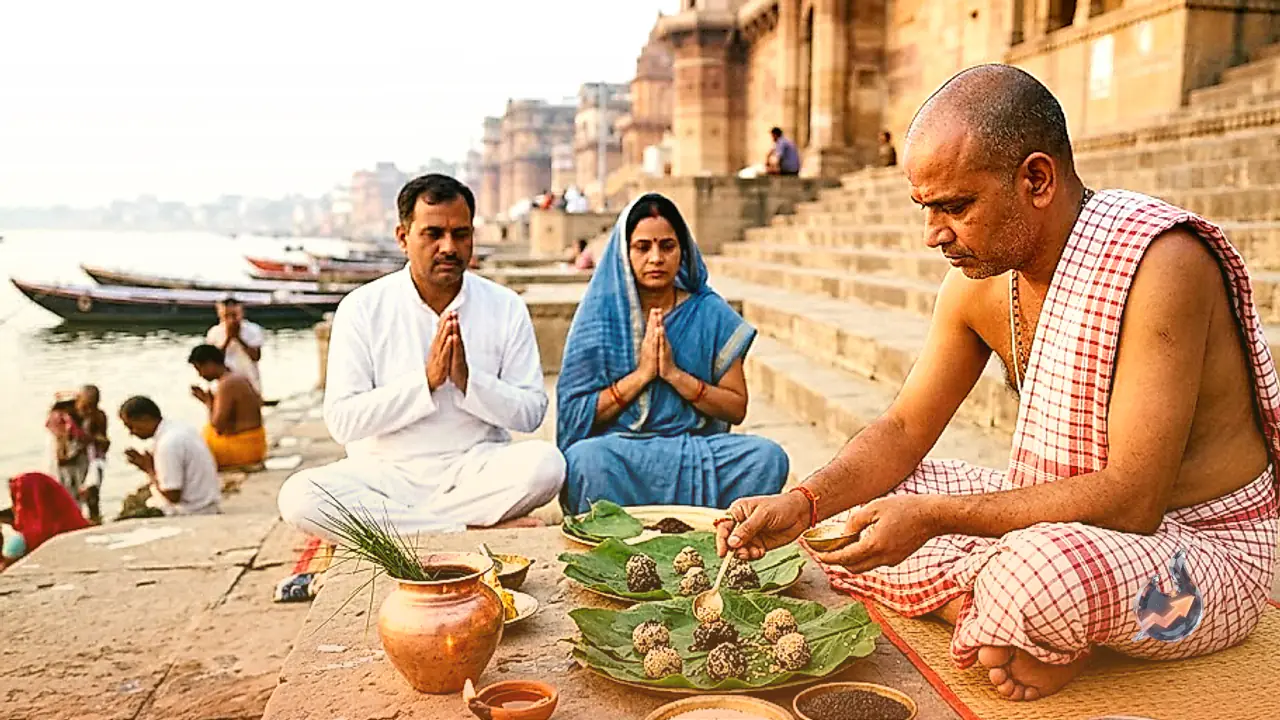














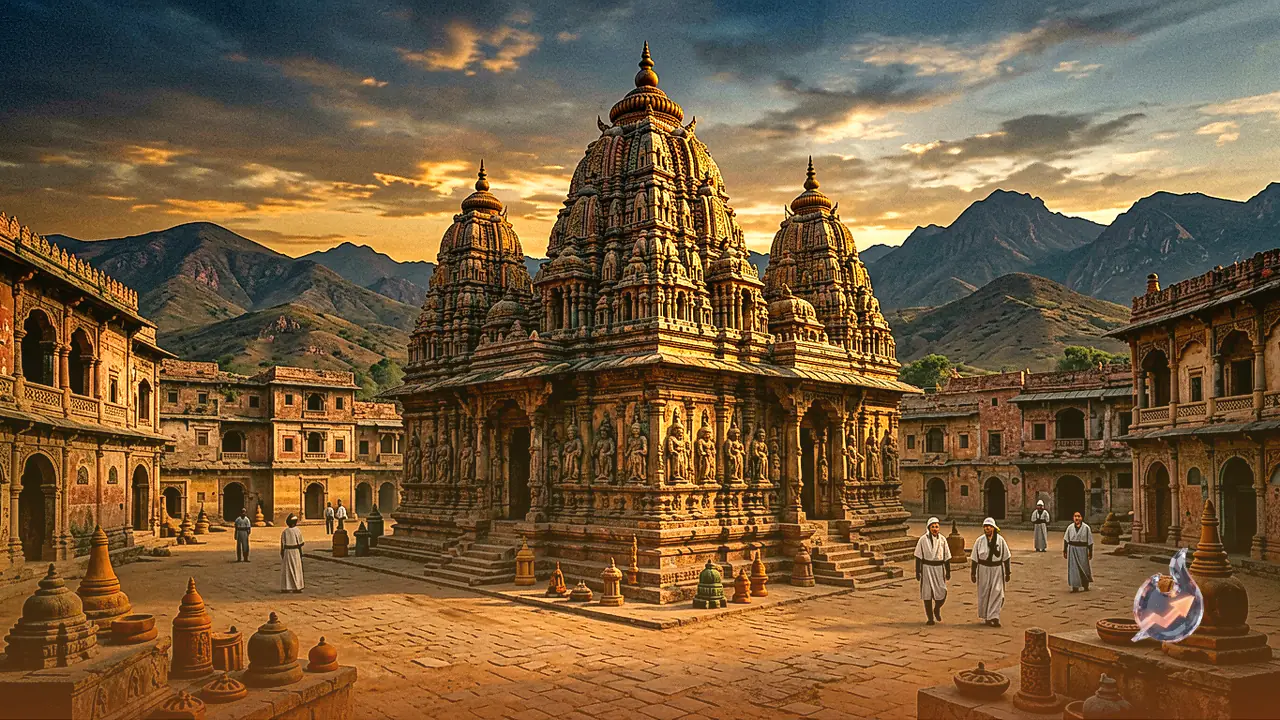
The historic Gorakhnath temple in Chowk Bazar of Maharajganj district in Uttar Pradesh continues to preserve the ancient legacy of the Nath Sampradaya. Alongside this revered site, prominent Gorakhnath temples are also situated in nearby Gorakhpur and neighboring Nepal. Drawing lakhs of devotees every year, these shrines represent a deep-rooted spiritual tradition that spans centuries.
Historical Foundations and the Harappan Civilization Connection
According to Dr. Brijesh Pandey, lecturer in history at Rajendra Prasad Tarachand College in Nichlaul, the roots of the Nath Sampradaya extend back to antiquity. Historical evidence suggests that the fundamental tenets of yogic tradition operated long before modern recorded history.
Some historians note that the famous priest statue recovered during excavations of the Harappan civilization depicts an Adi Yogi figure. While it cannot be definitively asserted that the artifact represents Gorakhnath himself, experts believe it points to an early practitioner of a yogic order. Consequently, scholars trace the foundational origins of the Nath Sampradaya to the era of the Harappan civilization.
Opposition to Tantrayana Practices and the Rise of the Nine Naths
Over time, religious evolution gave rise to sub-sects such as Mantrayana and Tantrayana, which incorporated Panchamakara concepts involving practices centered around items like wine, intercourse, and specific ritual gestures. These practices led to widespread distortions within religious and social traditions.
To counter these malpractices, the Nath Sampradaya and the Siddha tradition emerged as reform movements. This lineage gave rise to the Nine Naths, among whom Gorakhnath held a prominent position. Gorakhnath strongly opposed the Tamsik rituals of Tantrayana and led a widespread movement against Panchamakara ideologies.
Nationwide Journey and Establishing Seats from Chowk Bazar to Gorakhpur
In his quest to dismantle corrupt practices and spread pure yogic discipline, Gorakhnath traveled extensively across India. His journeys took him through Northern India and into Nepal, after which he arrived at Chowk Bazar in Maharajganj. Following his stay in Chowk Bazar, he proceeded to Gorakhpur, where he established his central spiritual seat. Today, the shrine at Chowk Bazar remains an enduring symbol of his travels and spiritual legacy.