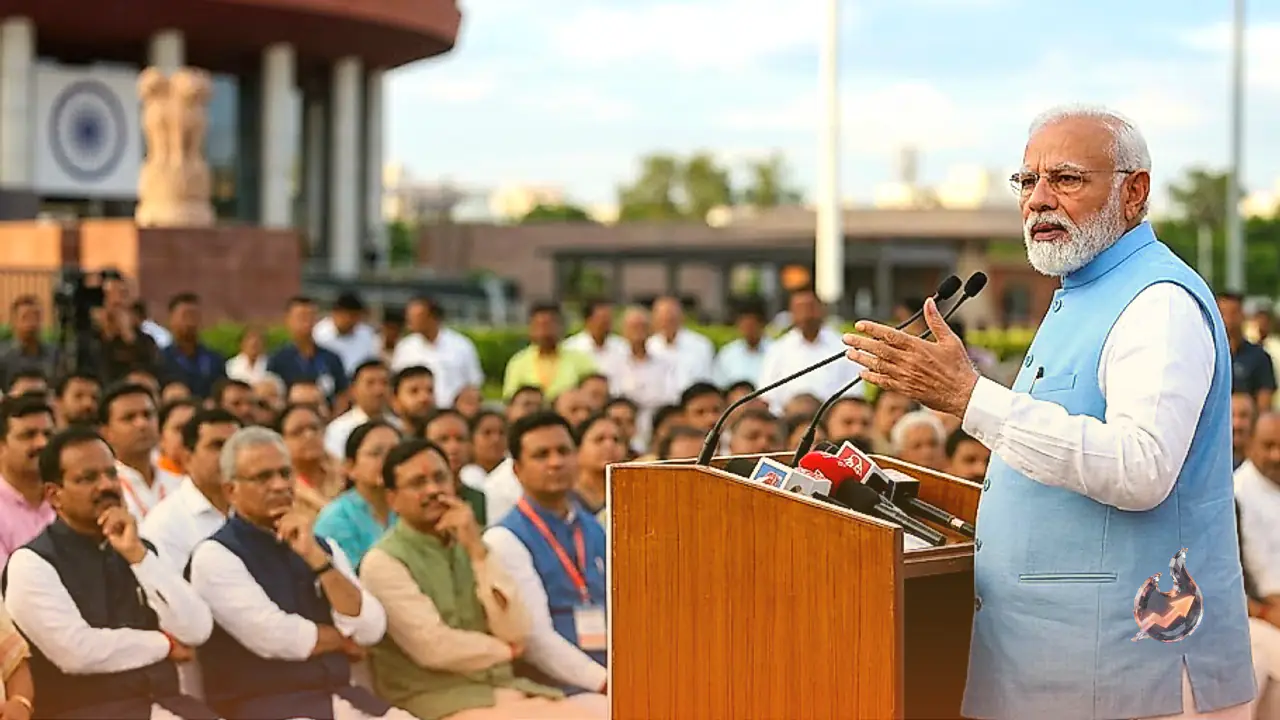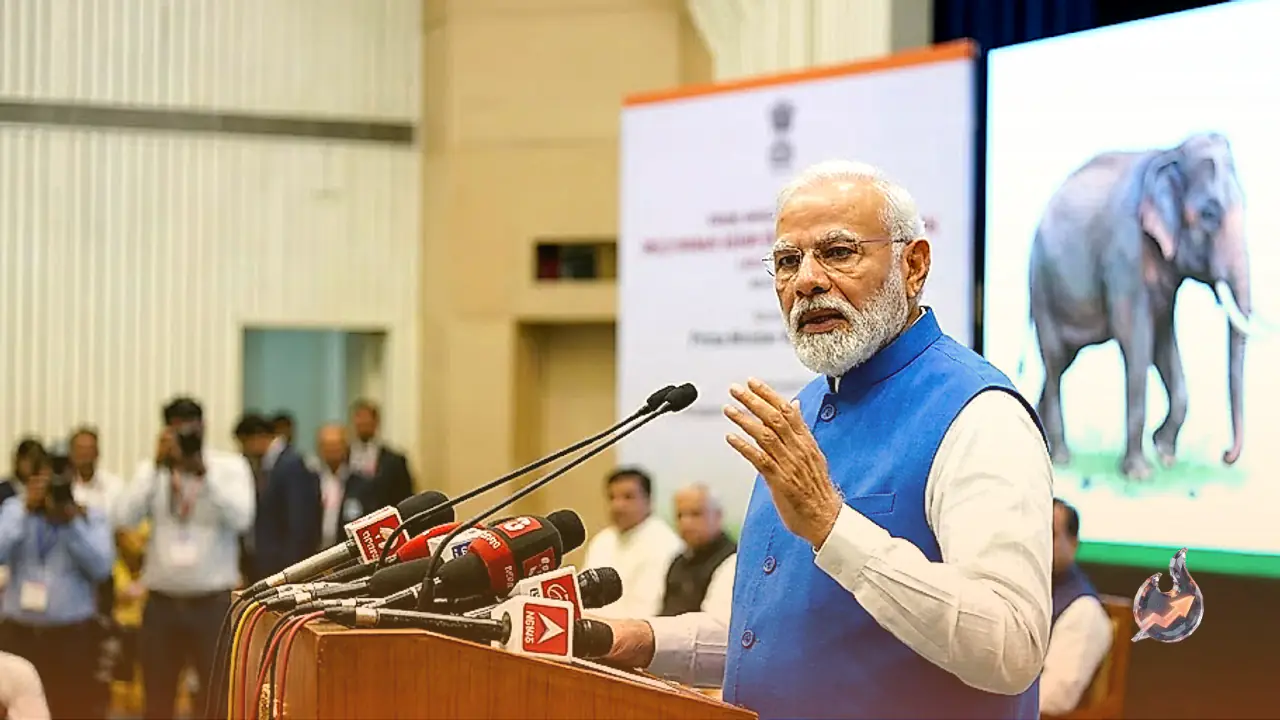























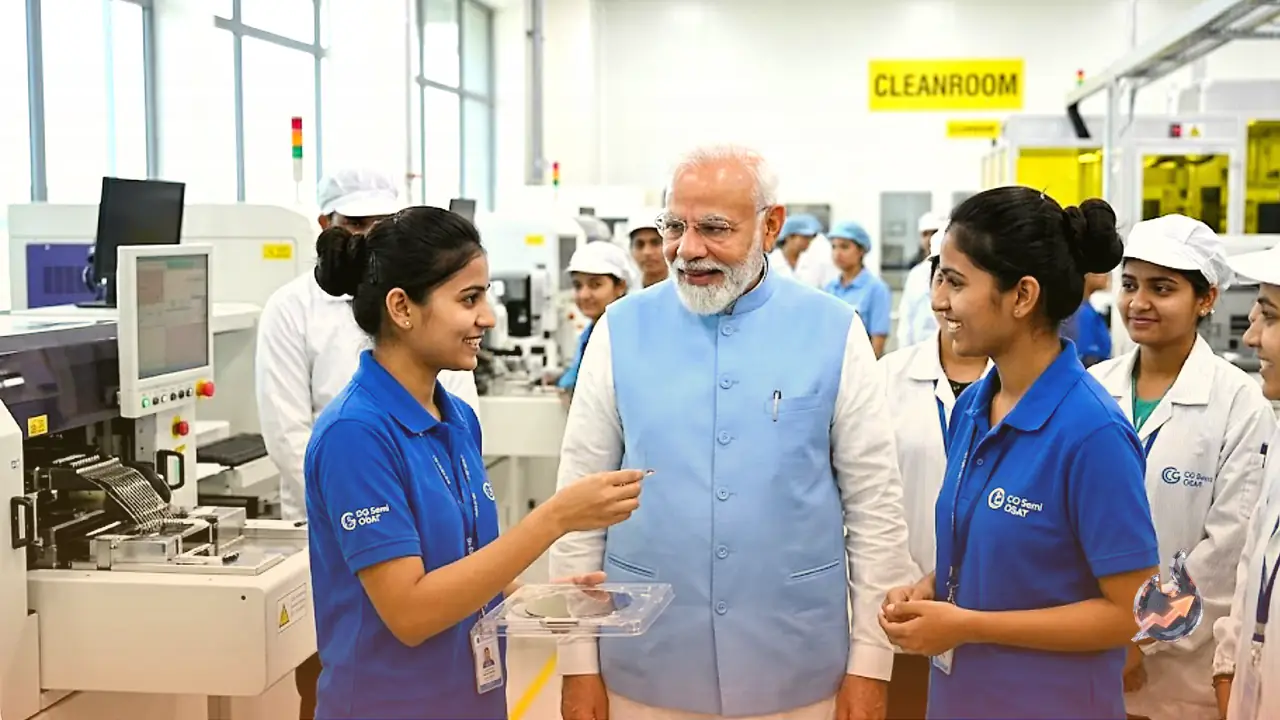

Prime Minister Narendra Modi has shared a personal account on the social media platform X of what he called one of the most special moments of the day he attended the inauguration of the CG Semi Outsourced Semiconductor Assembly and Test, or OSAT, facility in Sanand, Gujarat.
What Modi said
In his post from the handle @narendramodi, Modi wrote that the highlight of the inauguration event was getting the chance to interact directly with the young workers employed at the new plant. He pointed out that a large share of this workforce is made up of women, many of whom have come from remote parts of the country to take up jobs at the facility.
Why the Sanand plant matters
OSAT stands for Outsourced Semiconductor Assembly and Test, a stage of chip making that comes after a semiconductor wafer has been fabricated. At this stage, individual chips are packaged, tested and made ready to be fitted into devices ranging from smartphones to cars. Setting up such a facility on Indian soil means that at least part of this specialised assembly and testing work, which is currently carried out almost entirely overseas, can now happen within the country. The choice of Sanand is notable in itself, since the town in Gujarat has for years been known as an automobile and industrial manufacturing hub, and now finds itself hosting a plant tied to India's semiconductor ambitions as well.
Jobs for young people, especially women
Modi's post placed particular emphasis on the fact that women form a significant part of the workforce at the plant, and that many of these women have travelled from remote areas to work there. For a high precision manufacturing facility of this kind, that detail matters because it signals that the jobs being created are not confined to workers from established industrial centres, but are reaching young people, and young women in particular, from smaller towns and villages who might otherwise have had limited access to such opportunities.
Public reaction
Responses to Modi's post on X have been a mixed bag. Several users expressed pride and appreciation, praising the employment opportunities created for India's youth and calling it a proud moment for the country. Others were more skeptical, questioning how much of the plant's work actually amounts to self reliant manufacturing given that components are sourced from abroad. A few comments veered off topic entirely, ranging from tributes paid to unrelated public figures to unrelated grievances about fuel policy, reflecting how such posts often become a catch all space for varied public opinion rather than sticking strictly to the subject at hand.