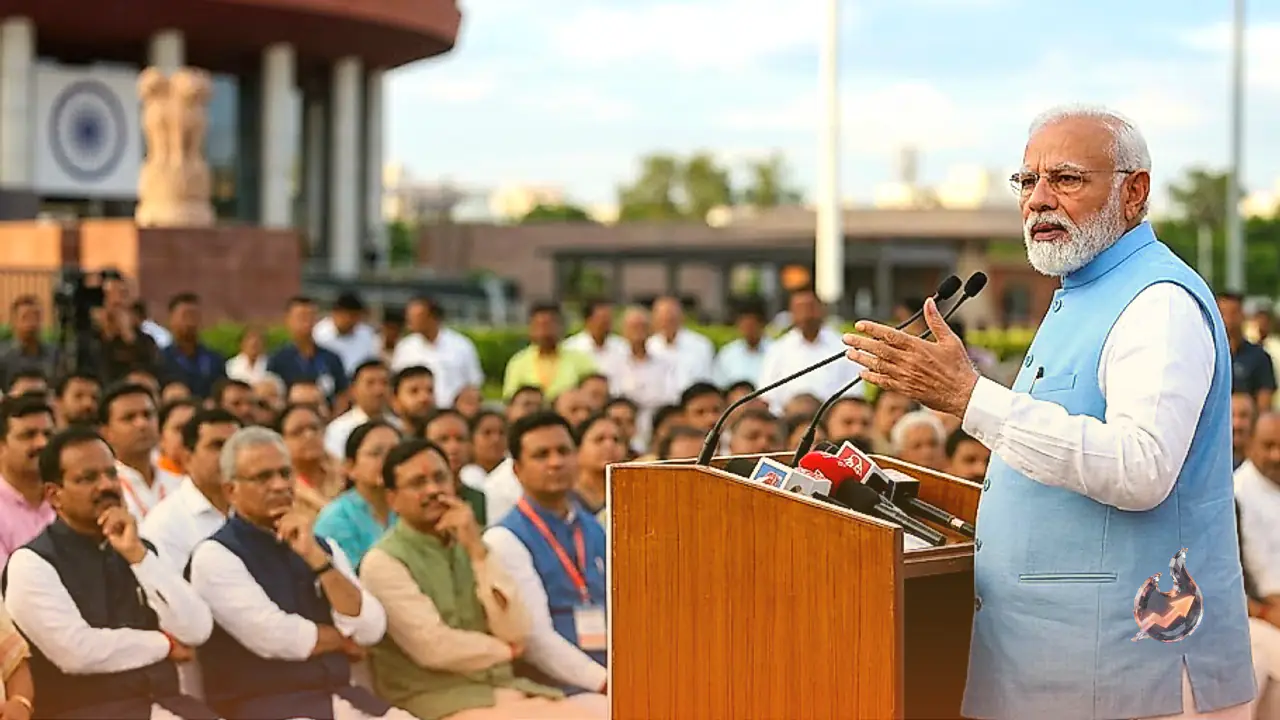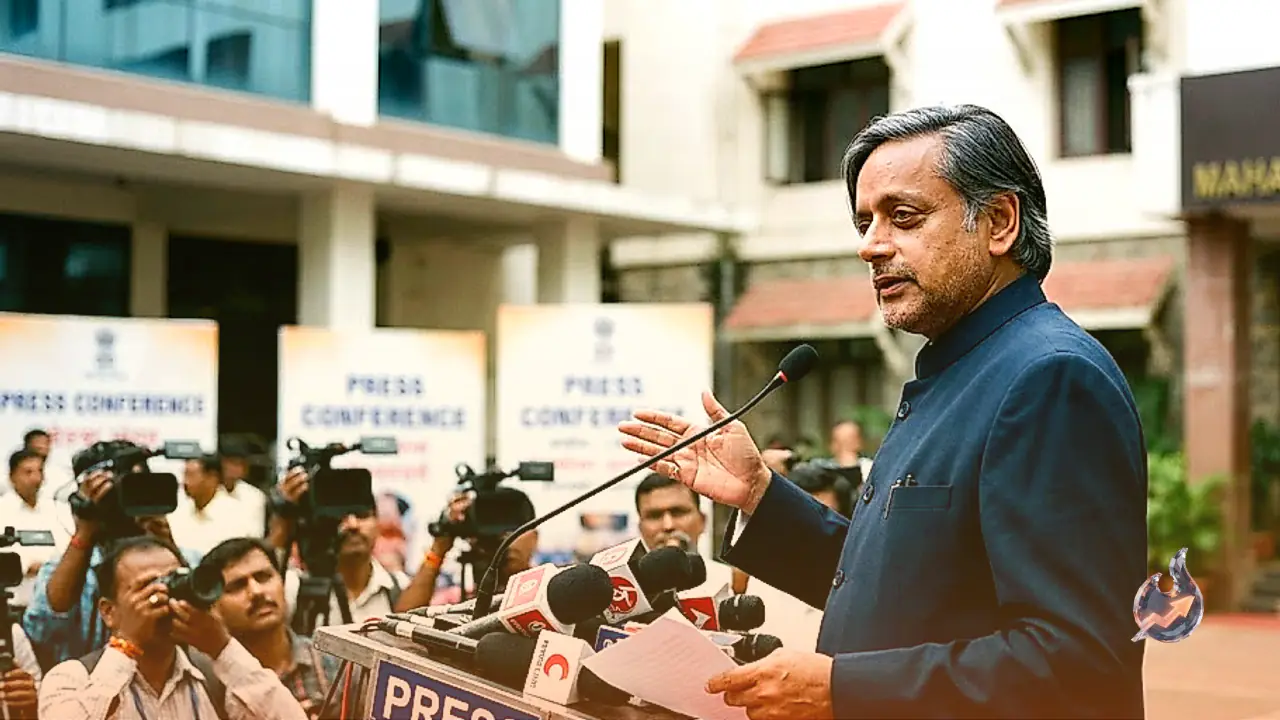























Prime Minister Narendra Modi shared a thought-provoking Sanskrit verse on the social media platform X, reflecting on the true purpose of human existence and the values of selfless service. The post underlines the philosophy that a person's life achieves genuine fulfillment when their capabilities and resources are directed toward the welfare of others.
Understanding the Ancient Sanskrit Verse
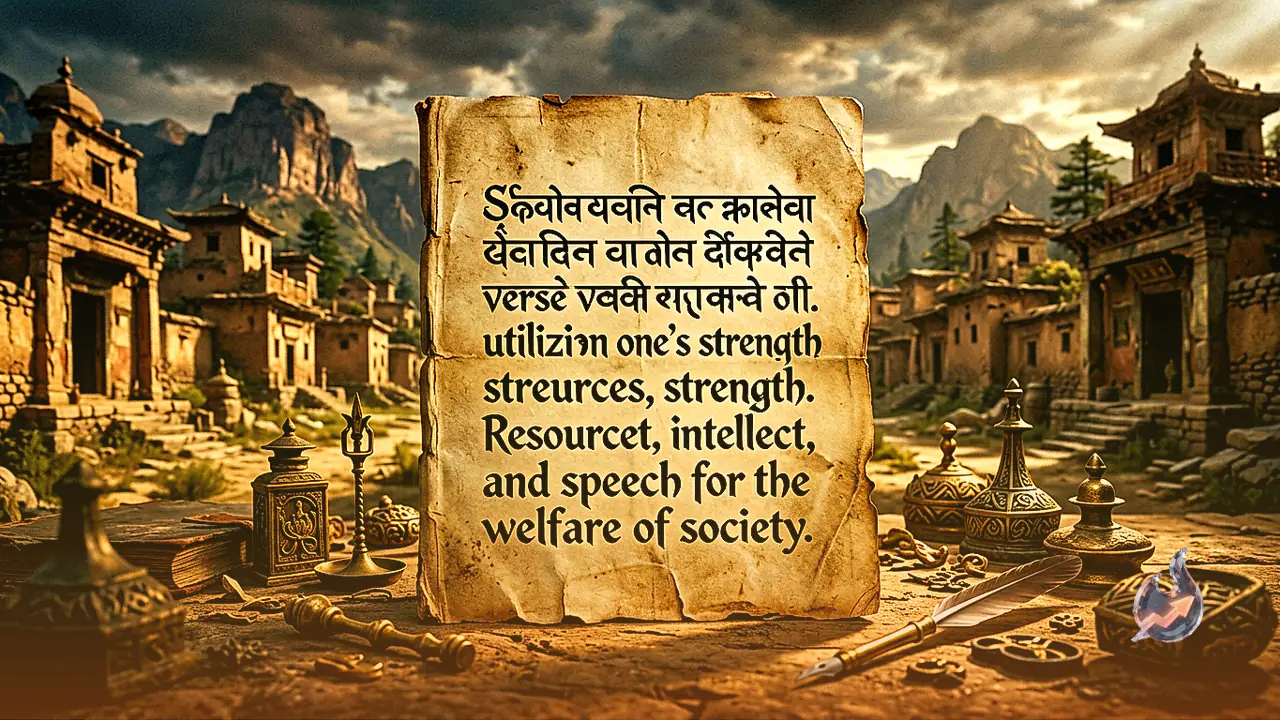
The verse shared by the Prime Minister reads as follows
Etavaj janma-saphalyam dehinam iha dehisu,
Pranair arthair dhiya vaca sreya evacaret sada.
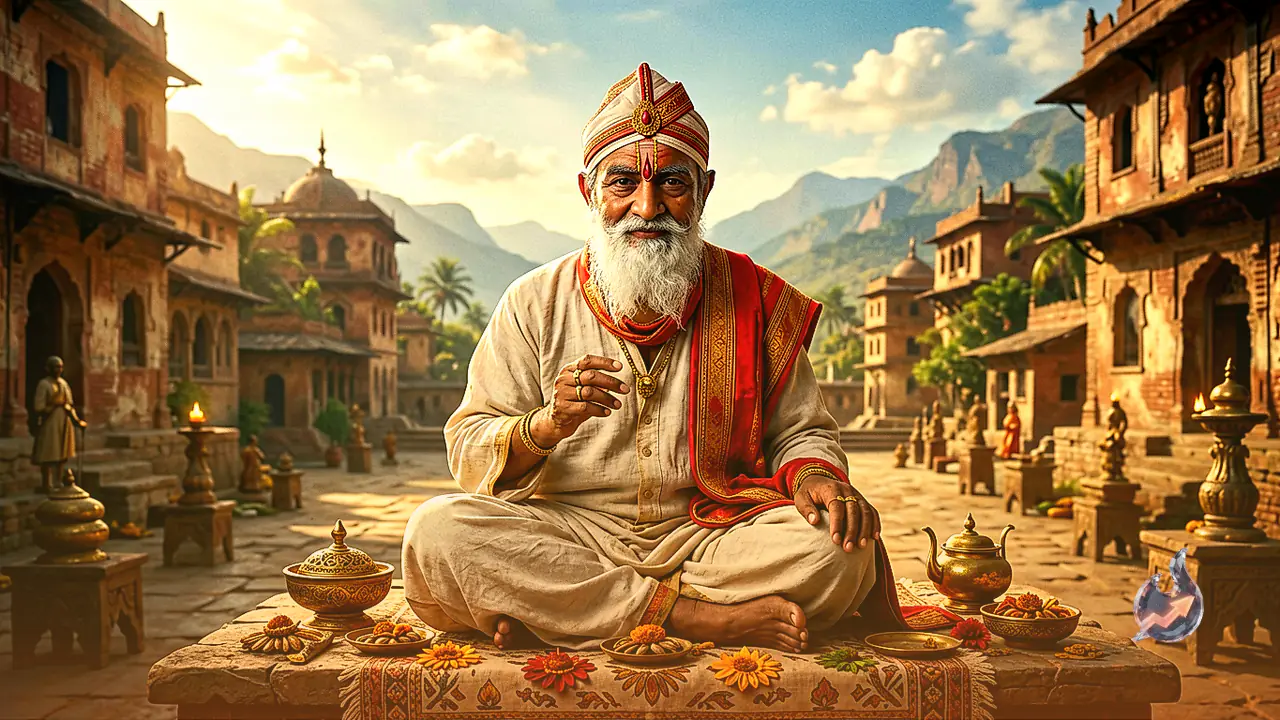
This ancient shloka teaches that the ultimate success of human life in this world lies in constantly performing actions for the greater good of others through one's life energy, wealth, intellect, and words.
The Four Pillars of Welfare and Responsibility
The scripture breaks down human responsibility into four distinct dimensions. The first is Prana, or physical energy and vitality, which should be used to assist those in need. The second is Artha, referring to material resources and wealth, which finds its highest utility when contributed toward social development and uplifting the vulnerable.
The third dimension is Dhiya, denoting intellect and wisdom. Individuals are encouraged to apply their knowledge and reasoning to guide others toward constructive paths. The fourth pillar is Vacha, or speech, emphasizing that truthful, gentle, and encouraging words should be used to bring peace and positivity to surrounding lives.
Public Reaction
Social media users responded to the Prime Minister's post with diverse viewpoints. While many appreciated the timeless wisdom and shared detailed interpretations of the ancient verse, others used the opportunity to highlight civic concerns, taxation matters, and ongoing regional developments.