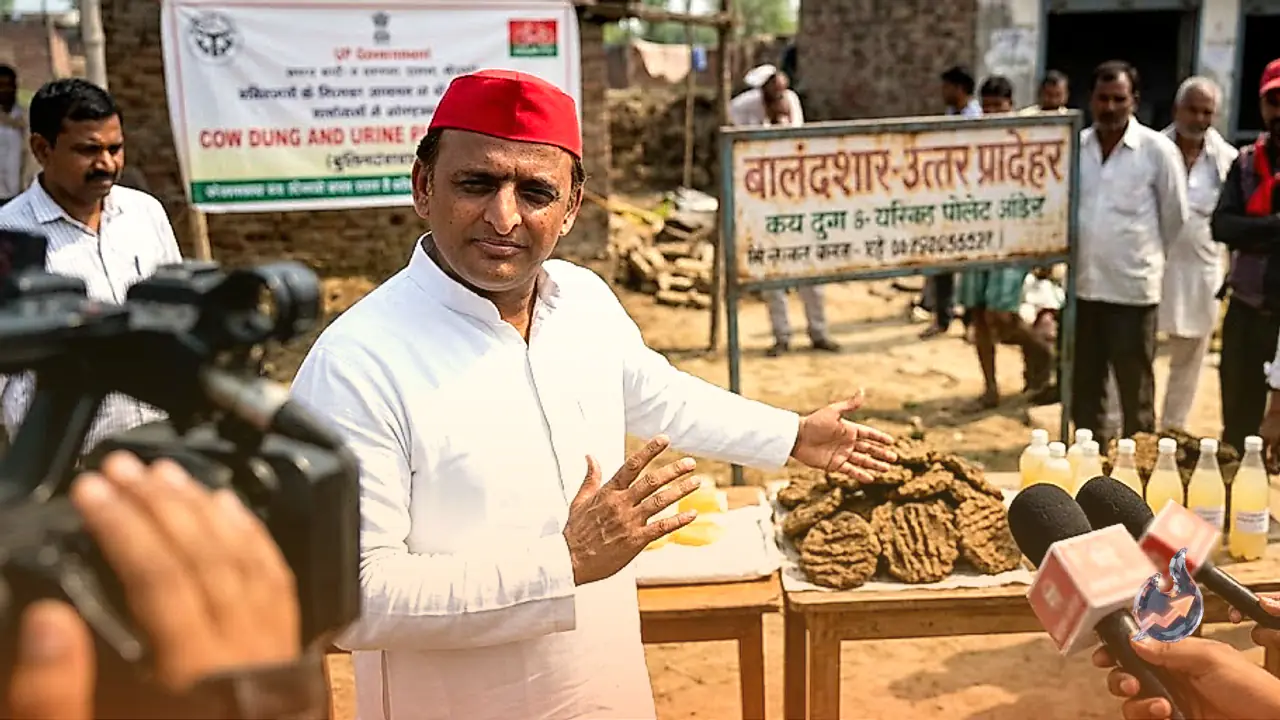

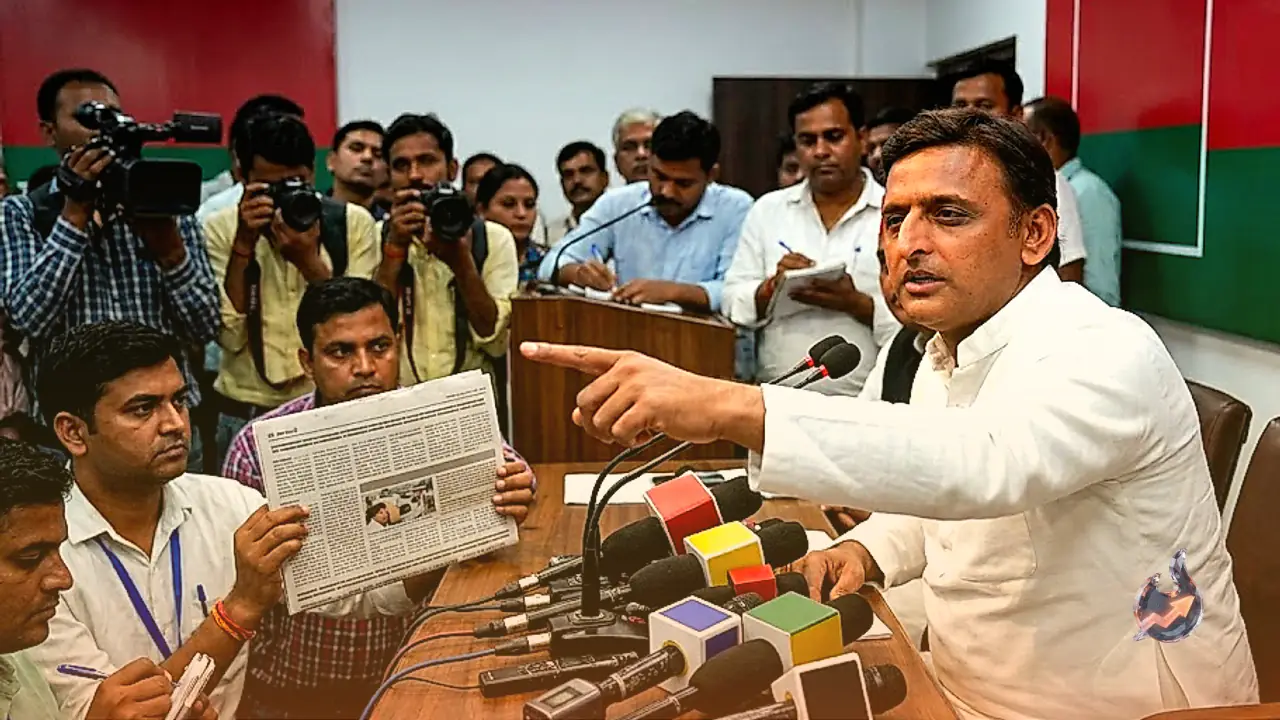





















Amid growing debate over the implementation of E20 petrol and its potential effect on vehicle engines, Akhilesh Yadav has launched a sharp critique against the central government. In a post shared on social media platform X, he highlighted what he described as a clear contradiction between official government assurances and warning statements issued by economic advisors. He emphasized that vehicle owners struggling with malfunctioning cars and motorcycles are demanding clear answers regarding who is actually presenting the facts.
Contradiction Between Government Assurances and Expert Advice
In his online post, Akhilesh Yadav raised fundamental questions about the government's communication regarding E20 fuel. He pointed out that while the government continues to maintain that everything is fine with E20 petrol, its own economic advisors have flagged potential risks to motor vehicles. He questioned who would clarify the ground reality to ordinary citizens, urging the administration to provide complete transparency rather than leaving consumers in confusion.
Chief Economic Advisor's Recommendation Sparks Controversy
The controversy gathered momentum following recent observations by Chief Economic Advisor V. Anantha Nageswaran, who suggested reintroducing E10 petrol for older vehicles to prevent engine damage. His recommendation countered claims made by the Petroleum Ministry, which has consistently maintained that E20 fuel is technically safe and poses no harm to engines. The difference in stance between policy advisors and the ministry has heightened concerns among motorists across the country.
Economic Benefits versus Vehicle Maintenance Concerns
The central government has actively pursued ethanol blending to lower crude oil import dependencies and conserve foreign exchange reserves. Blending 20 percent ethanol into petrol supports domestic sugarcane and maize farmers while keeping capital within the national economy. However, owners of non-E20 compliant vehicles frequently report reduced fuel efficiency and accelerated wear on engine components, arguing that the policy places an unfair maintenance burden on ordinary commuters.
Calls for Dual Fuel Options at Petrol Pumps
Many vehicle owners and industry observers argue that fuel stations should offer E10 petrol alongside E20 so that drivers of older vehicles are not forced to use higher ethanol blends. They note that unexpected engine repairs create an additional financial strain on vehicle owners, making the Chief Economic Advisor's suggestion a practical compromise for protecting older fleet inventory.
Public Reaction
The post by Akhilesh Yadav triggered widespread discussion among social media users. A section of commentators supported his questions, noting that higher ethanol blends have led to increased maintenance costs and lower mileage for older vehicles. Conversely, other users defended the ethanol blending initiative, arguing that it significantly reduces foreign oil import costs while channelling crucial funds directly to Indian agricultural communities.