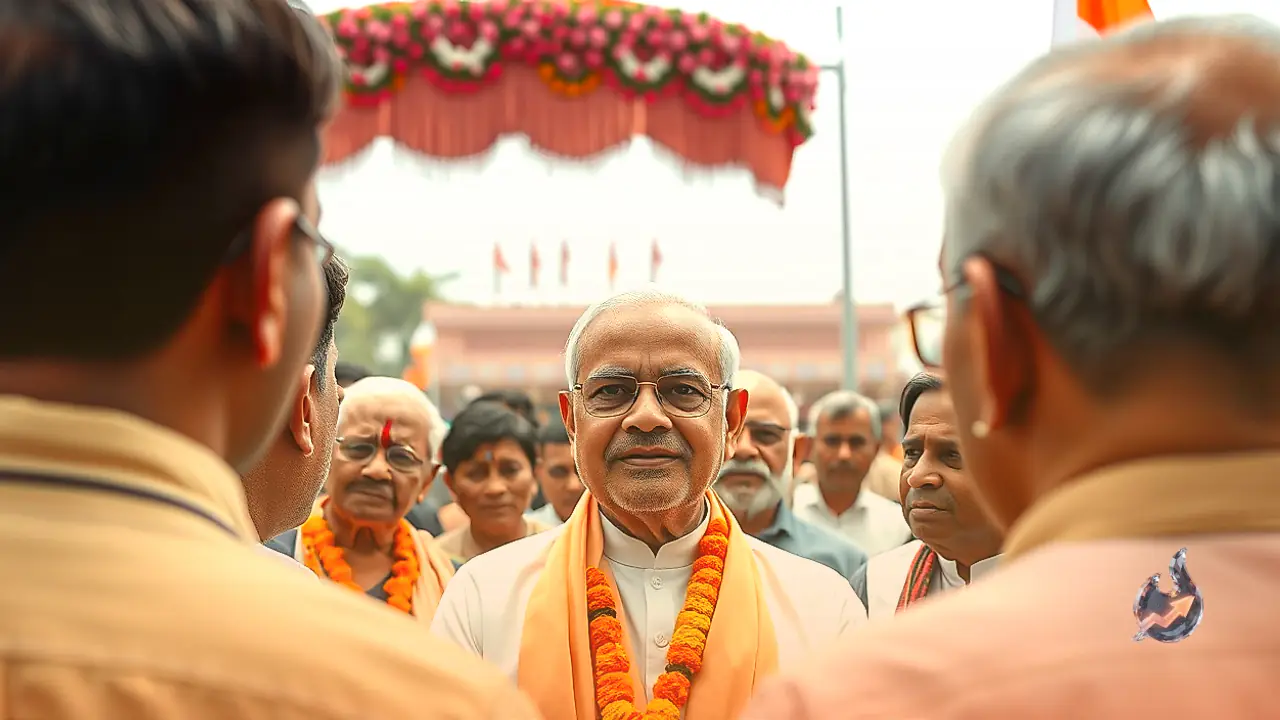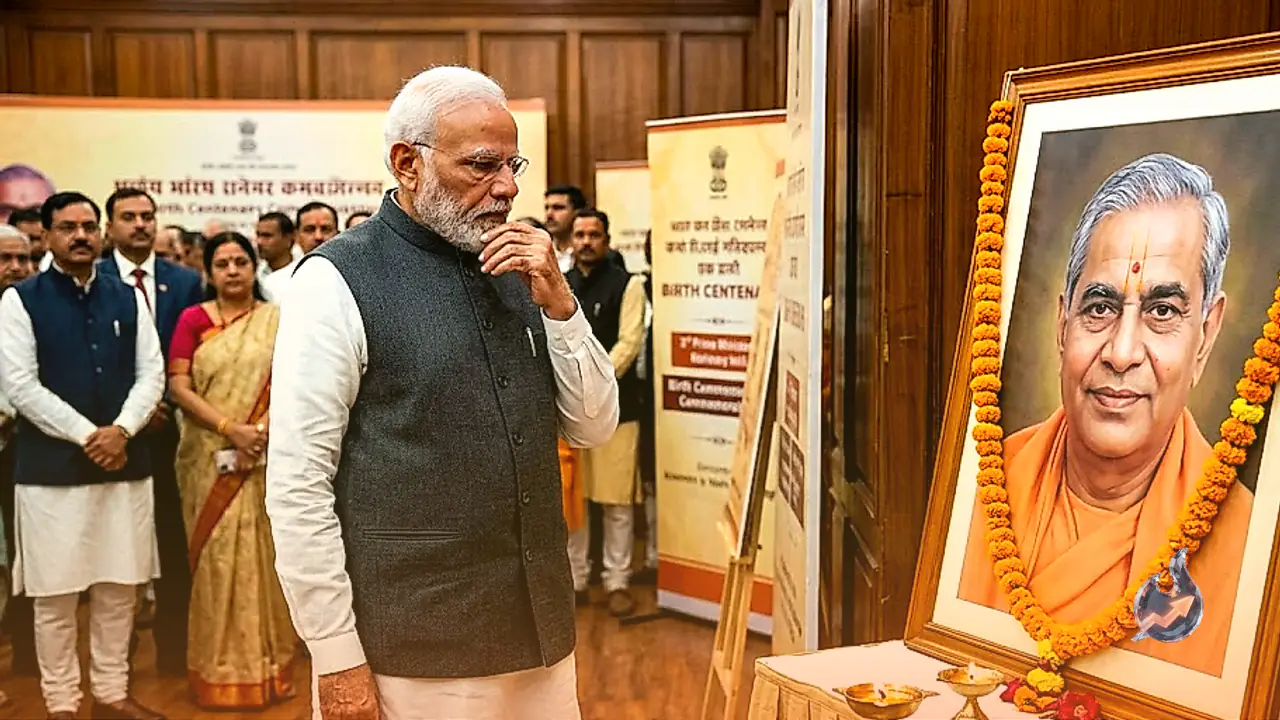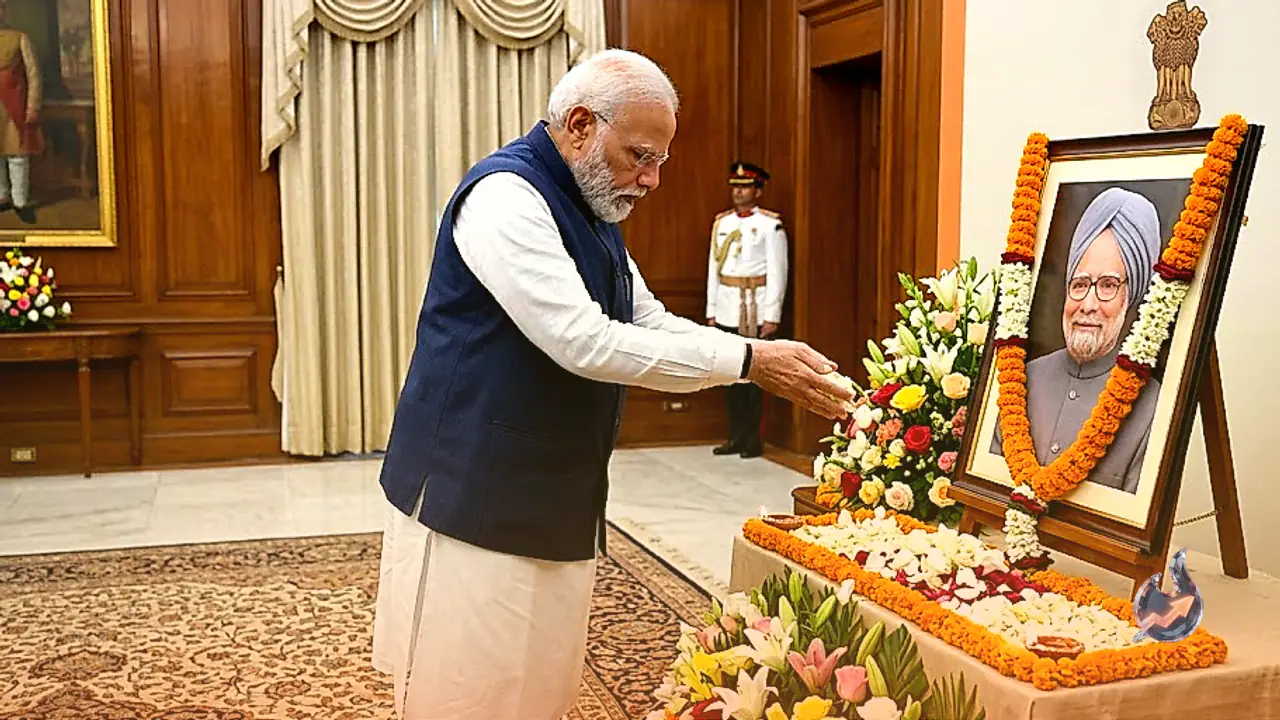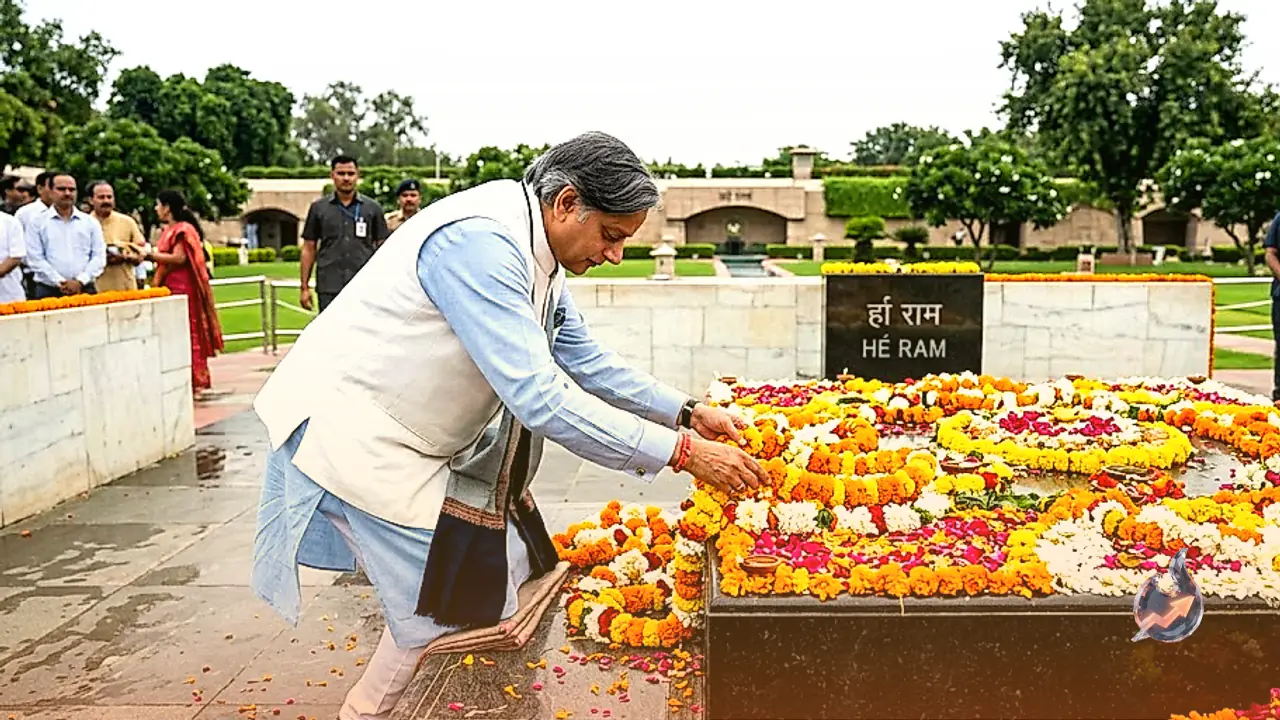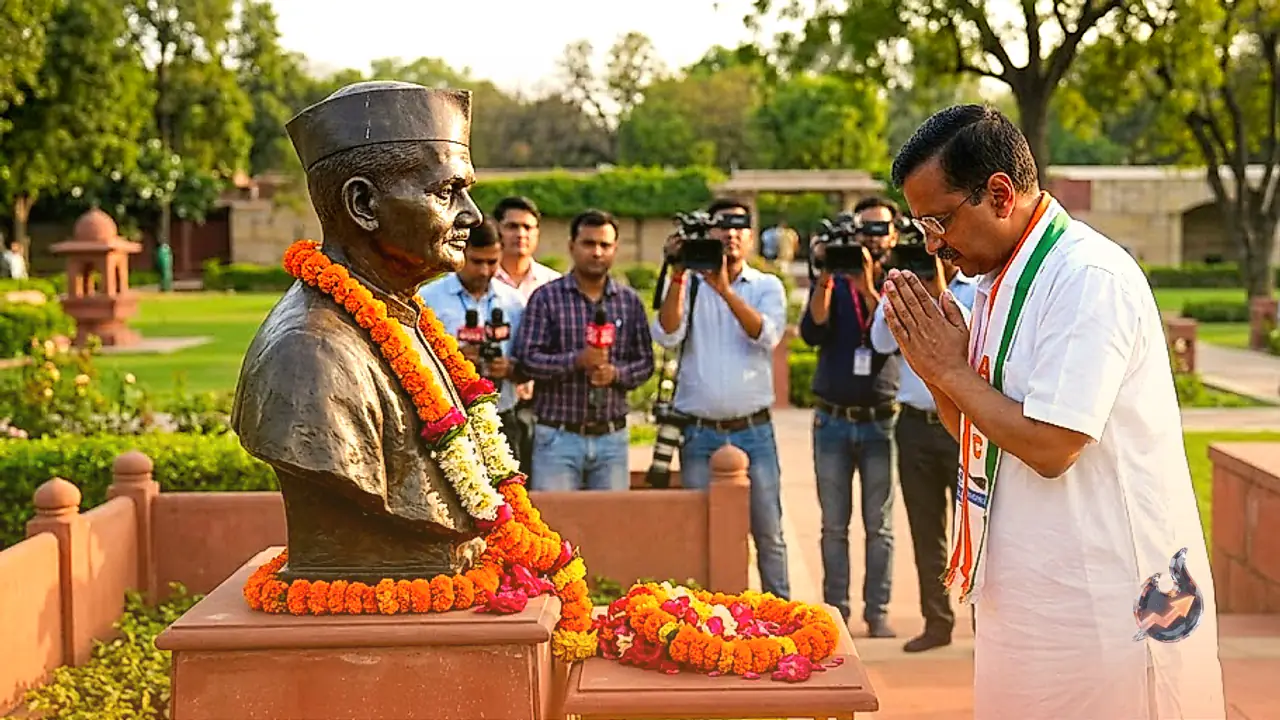


















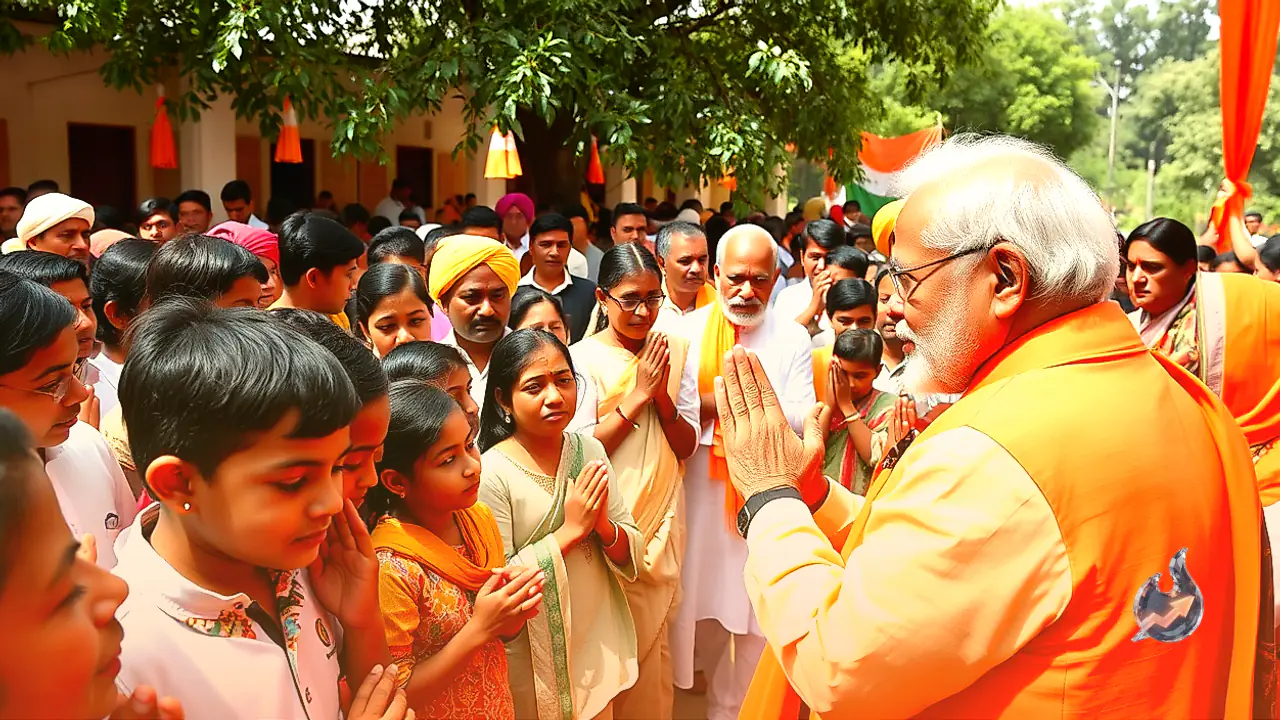

Prime Minister Narendra Modi marked Gandhi Jayanti by attending an interfaith prayer assembly at Gandhi Smriti in New Delhi to pay tribute to Mahatma Gandhi. During the gathering, participants reflected on the enduring ideals of truth, peace, and harmony advocated by the Father of the Nation. A memorable highlight of the visit was the Prime Minister's interaction with the young schoolchildren who attended the ceremony. Annual commemorative gatherings of this nature are held at the historic site on October 2 to reflect upon national values and promote communal solidarity across diverse traditions.
Reflections Shared by Narendra Modi
Reflecting on the solemn occasion, Narendra Modi wrote on X that he joined the prayer meeting at Gandhi Smriti, where attendees recalled the timeless message of Bapu. The Prime Minister specifically noted that interacting with his young friends stood out as a key highlight of his visit. His public message underscored the enduring relevance of Mahatma Gandhi's philosophies in guiding society toward mutual respect and shared progress.
Interfaith Observance and Remembering National Leaders
The interfaith prayer meet at Gandhi Smriti brought together representatives and spiritual leaders from diverse religious traditions, who recited prayers and devotional hymns. The occasion coincided with the birth anniversary of Lal Bahadur Shastri, allowing attendees to simultaneously celebrate the legacy of both iconic leaders. Commemorative events on this day regularly serve to reinforce national unity, mutual understanding, and the ethical principles championed by India's founding figures throughout modern history.
Engaging Young Minds Through Learning and Creativity
The presence of children added an inspiring atmosphere to the gathering, as students participated in commemorative presentations and engaged directly with the Prime Minister. Observances involving youth frequently emphasize hands-on activities that foster cognitive development, observational focus, and basic creative skills through recreational problem-solving exercises.
Understanding the Connect the Dots Puzzle
One classic activity long associated with early childhood learning is the connect the dots puzzle. This puzzle consists of a sequence of numbered dots printed across a page. When a solver draws continuous lines connecting each consecutive dot in sequence, the hidden outline of an object or figure is gradually revealed. These puzzles frequently feature simple line art to enhance the finished illustration or help detail complex sections of the image. While predominantly designed for young children developing coordination, adult variations employ letters, abstract symbols, or multi-stage puzzlehunt rules, including specialized crossword formats created by Liz Gorski.
Public Reaction and Online Engagement
The Prime Minister's post drew widespread engagement from members of the public across digital platforms. Commentators expressed diverse perspectives, with many applauding the tribute to national icons while others raised general political observations and local civic concerns.