


















The nation observed Gandhi Jayanti on October 2 by revisiting the foundational principles of peace, truth, and selfless community engagement established by Mahatma Gandhi. Across diverse commemorative gatherings nationwide, civic leaders and citizens reaffirmed their commitment to human dignity and ethical conduct, viewing Gandhian philosophy as an indispensable moral compass for navigating contemporary social challenges.
The Core Message and Philosophical Reflection
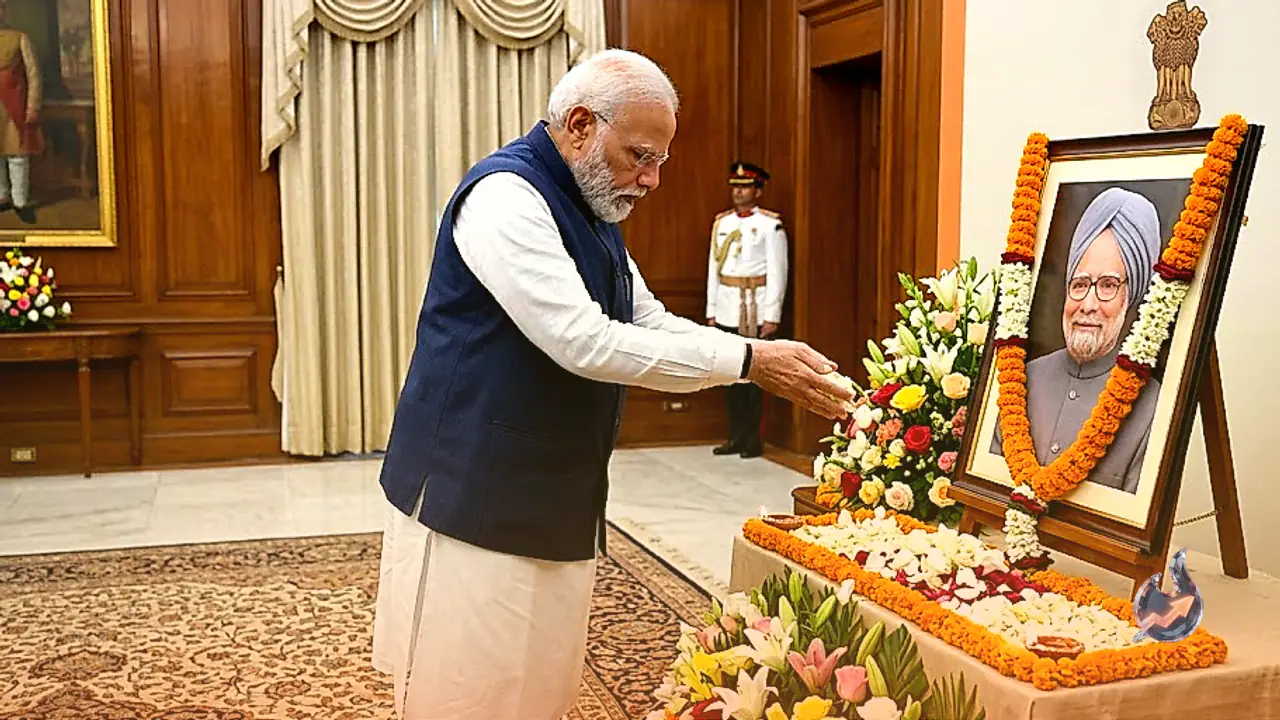
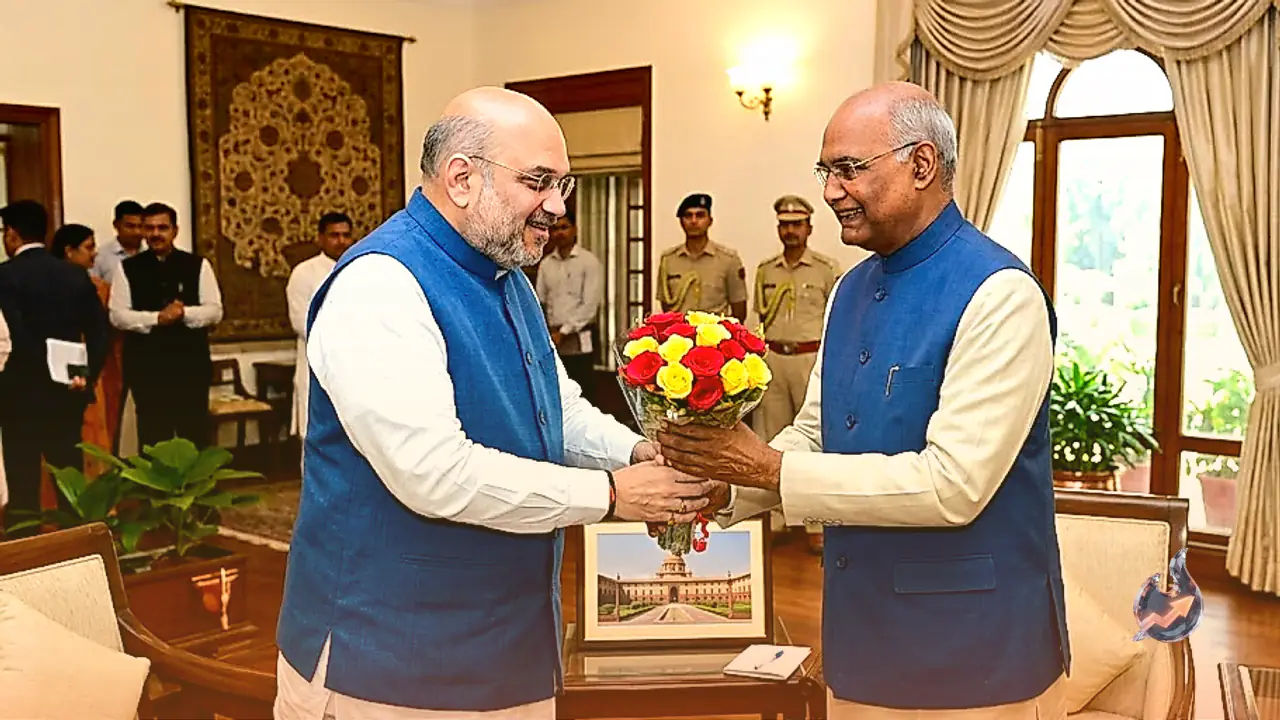
Commemorating the occasion on social media platform X, Narendra Modi reflected on the profound spiritual and moral legacy left by the father of the nation. In his public statement, he noted that Bapu's life represents an enduring beacon of truth, non-violence, compassion, and dedicated service that will continually guide humanity across generations.
Alongside his tribute, he incorporated a classical verse emphasizing universal goodwill, absence of malice toward all living beings, freedom from ego, detachment from possessiveness, and equanimity in both pleasure and pain. The reflection underscored the enduring virtue of forgiveness and mental balance, illustrating how internal self-restraint and empathy form the true bedrock of principled leadership.
Enduring Relevance of Peace and Moral Resistance
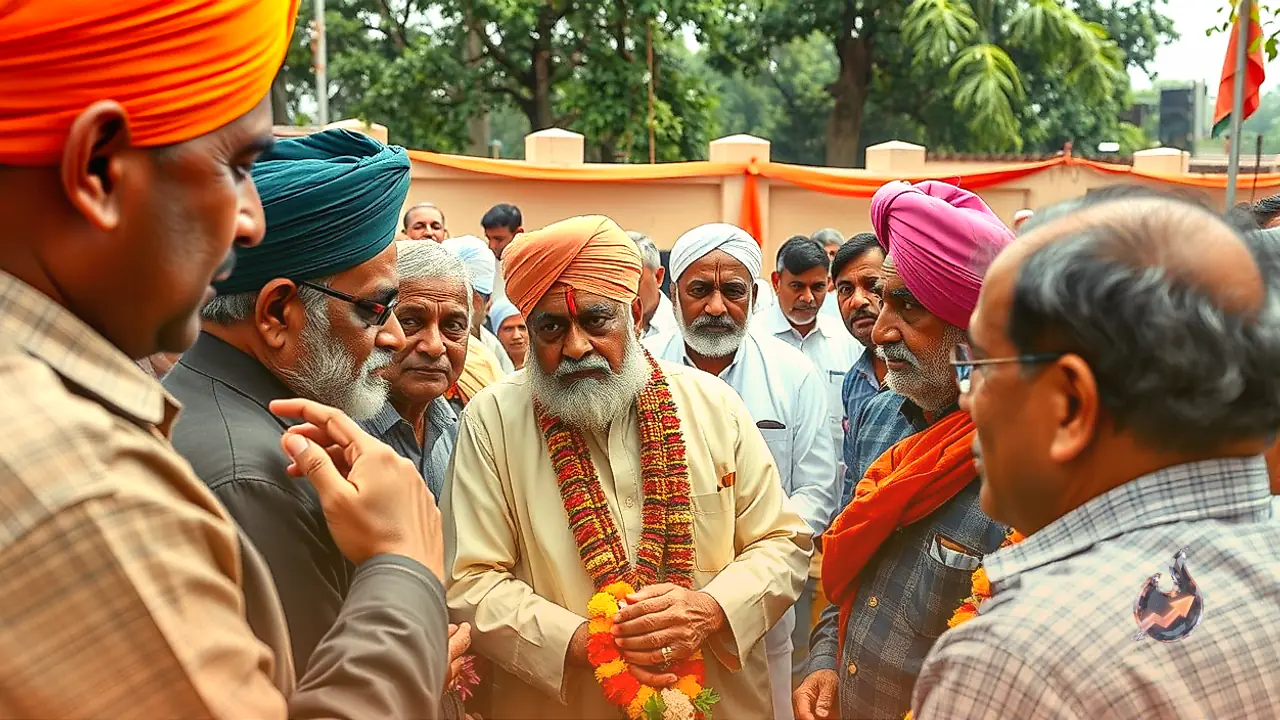
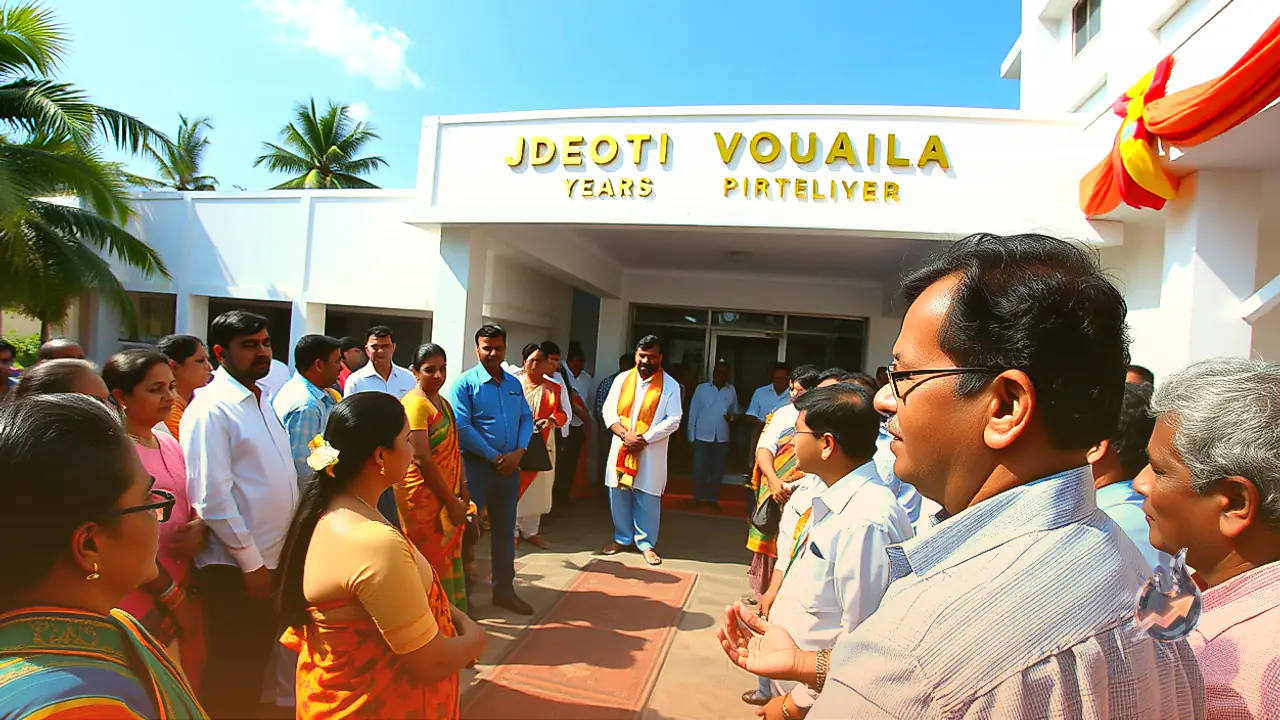
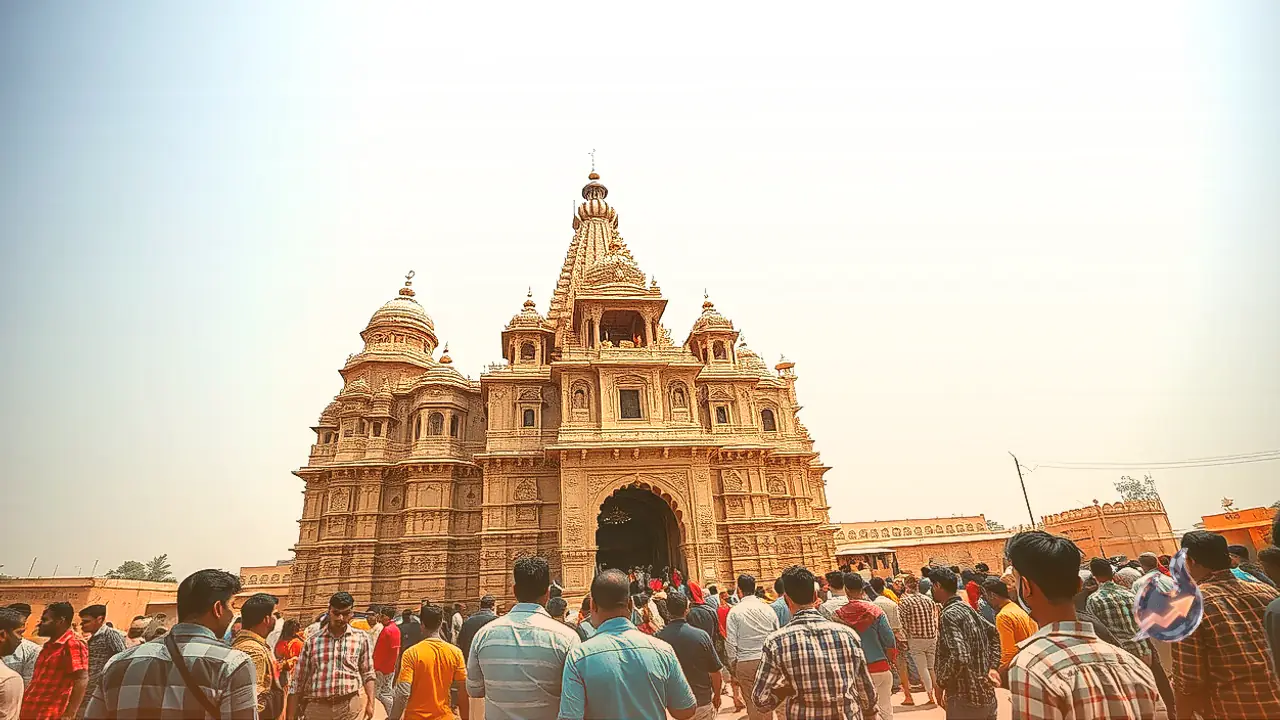
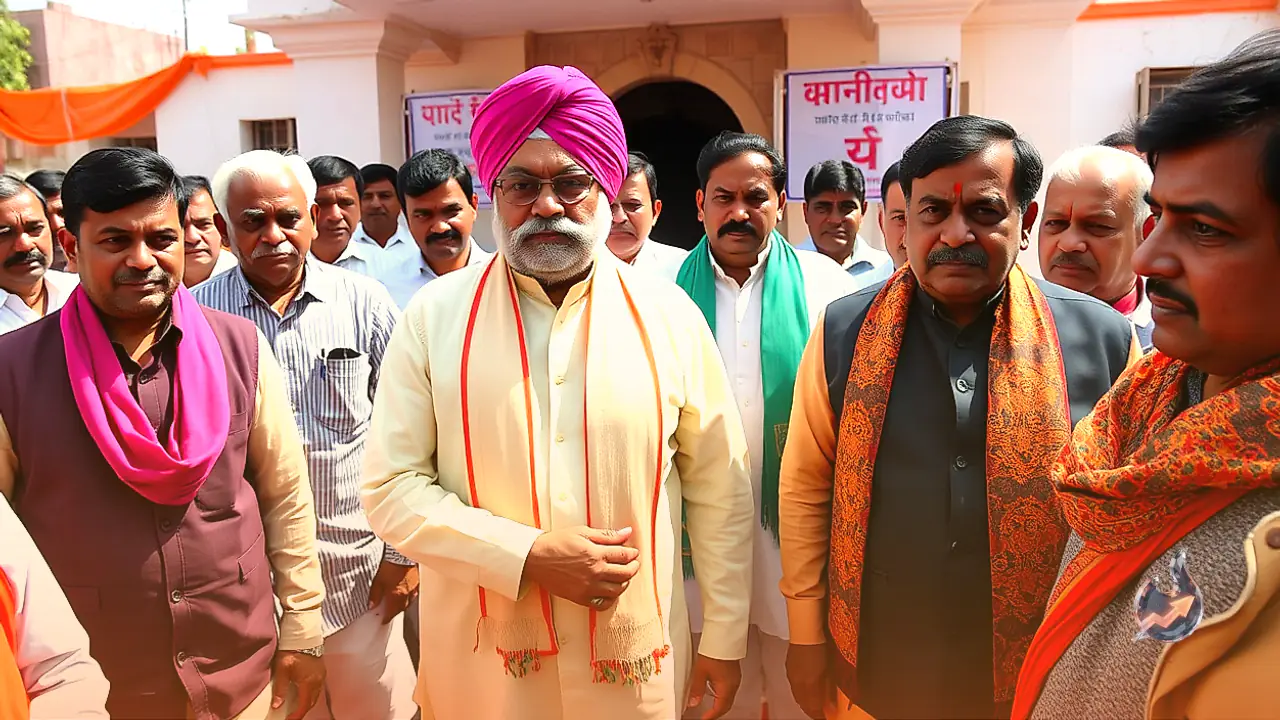
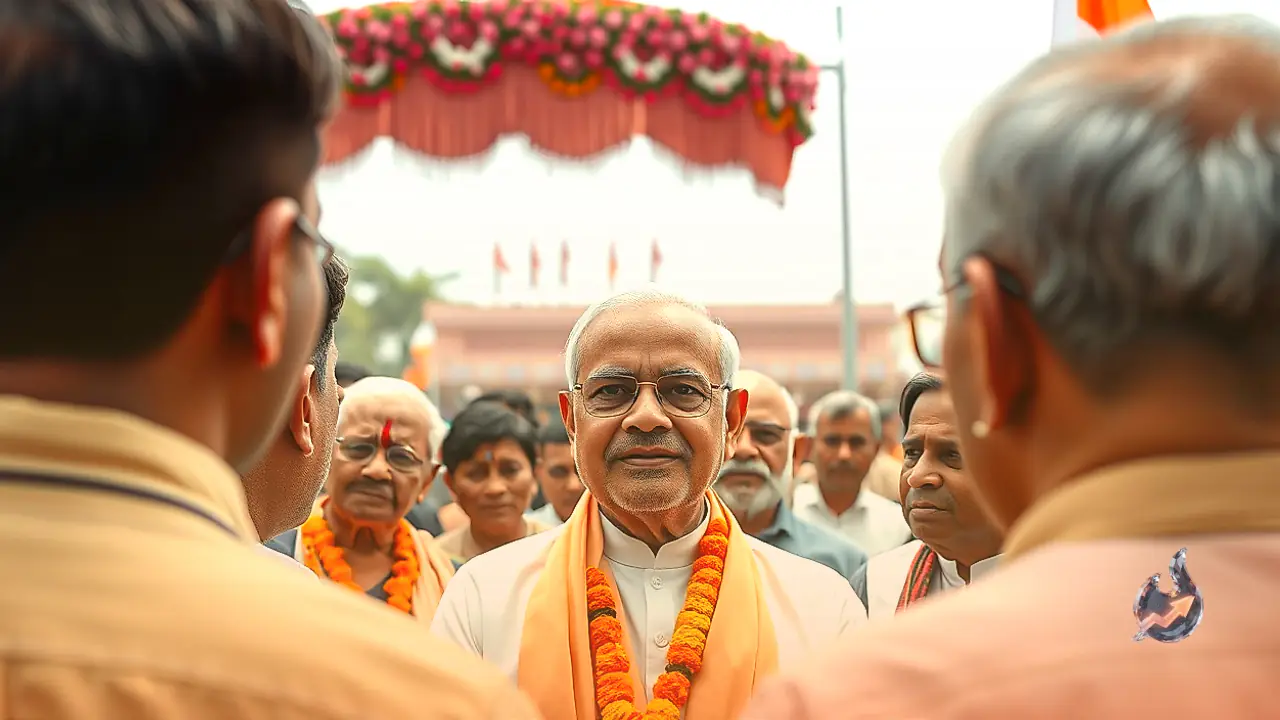
Commemorative events held in various regions, including civic programs in Bhabua, highlighted that Gandhi's teachings remain practical tools rather than historical artifacts. Observers pointed out that the methods of non-violent resistance and ethical persuasion not only anchored India's independence movement but also offer vital solutions for healing modern societal divides.
Community leaders and scholars stressed that practicing compassion and active social service is vital for sustaining communal harmony. When facing complex socio-political divisions, the ability to view the well-being of others as interconnected with one's own serves as an essential framework for national cohesion and meaningful progress.
Public Reaction
The tribute generated widespread discussion across public platforms, with many commentators praising the reaffirmation of peaceful resolution and ethical governance as crucial guidance for the youth. Concurrently, other participants voiced historical critiques and questioned ideological perspectives, reflecting divergent views on national history and political legacies.