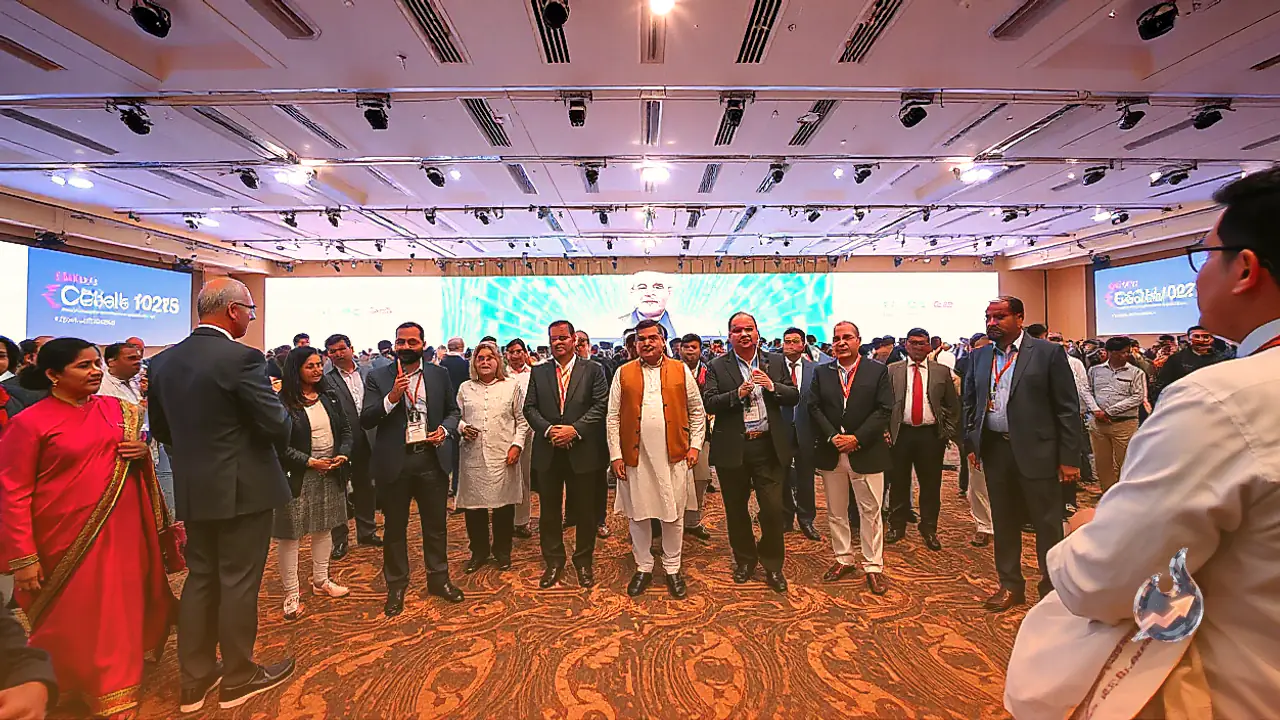



















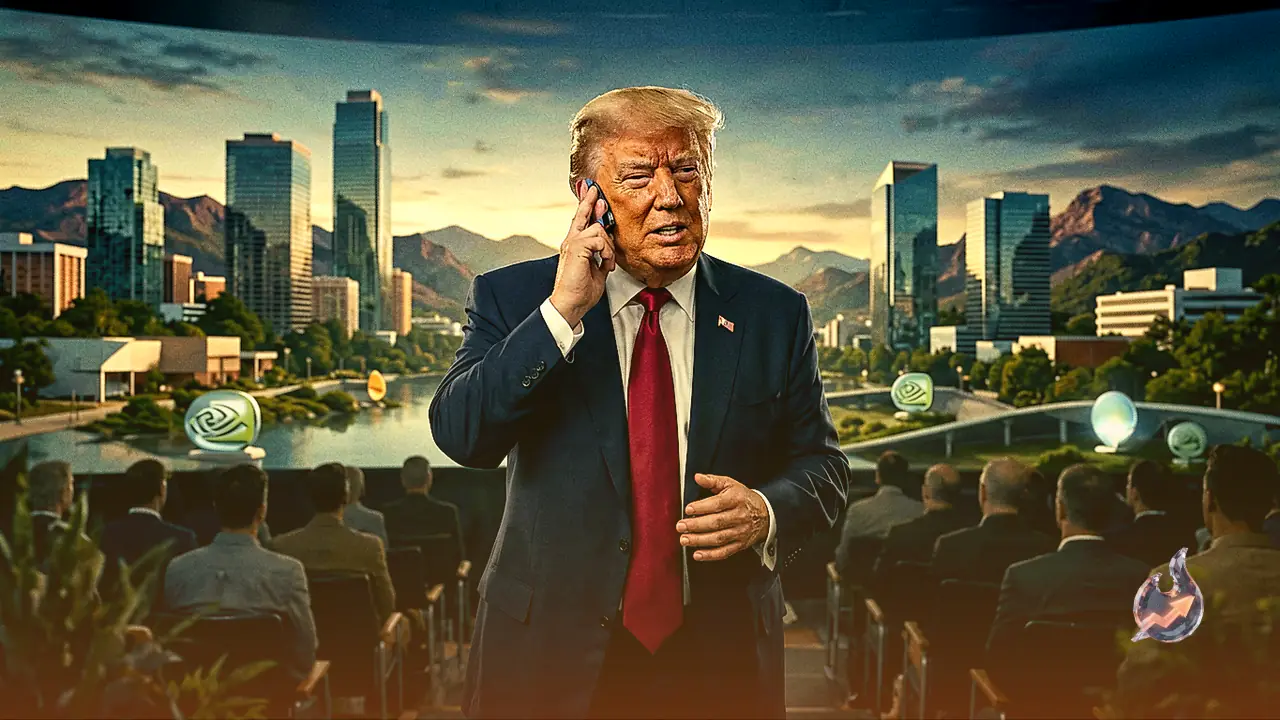

During an internal all-hands meeting at Nvidia's corporate headquarters in Santa Clara, California, Chief Executive Officer Jensen Huang paused his presentation to answer an unexpected phone call from Donald Trump. Thousands of remote employees watching via virtual livestream, along with staff present in the auditorium, witnessed Huang step to the side of the stage to take the call. Attendees could clearly hear Trump's distinct voice picked up by Huang's active stage microphone, although the specific details of their discussion remained unintelligible. In less than a minute, Huang concluded the brief call, returned to center stage, and resumed leading the corporate event. Official company representatives declined to comment on the occurrence, though the interaction rapidly became a central topic of conversation among employees.
Presidential Praise and Strong Quarterly Results
Later that evening, Trump posted a public statement on social media congratulating Huang on Nvidia's remarkable financial performance and positive revenue forecast for the coming fiscal year. The public message arrived shortly after Nvidia announced its official second-quarter financial statements on Wednesday. The semiconductor giant posted $96 billion in quarterly revenue, reflecting a 106 percent increase compared to the corresponding period last year. Huang frequently travels to Washington to present Nvidia's strategic interests before federal government officials, focusing on high-performance chip sales and artificial intelligence infrastructure expansion.
Political Engagement and Merger Negotiations
While Huang has previously held closed-door discussions with Trump, this direct telephone communication occurred alongside significant strategic announcements from Nvidia. Earlier on Thursday, the company announced the launch of an employee-funded Political Action Committee (PAC) designed to contribute to federal candidates amidst ongoing legislative debates over artificial intelligence regulation. Historically, Nvidia and the Trump administration have held differing policy stances regarding restrictions on advanced semiconductor exports to China and open-source AI regulations. Concurrently, Nvidia has been engaged in advanced negotiations to acquire Hugging Face, an open-source development platform that supplies AI datasets, models, and tools to software engineers. Valued at potentially more than $13 billion, any finalized deal of this magnitude would require regulatory approval from United States antitrust authorities.