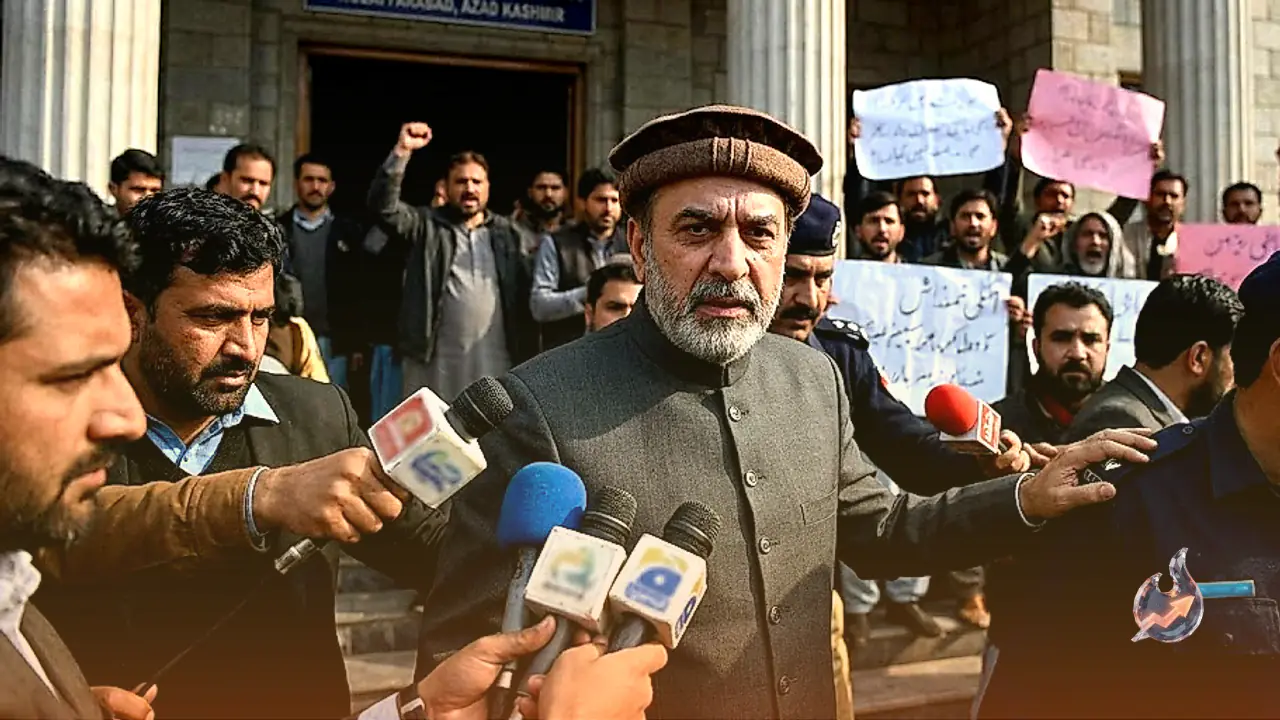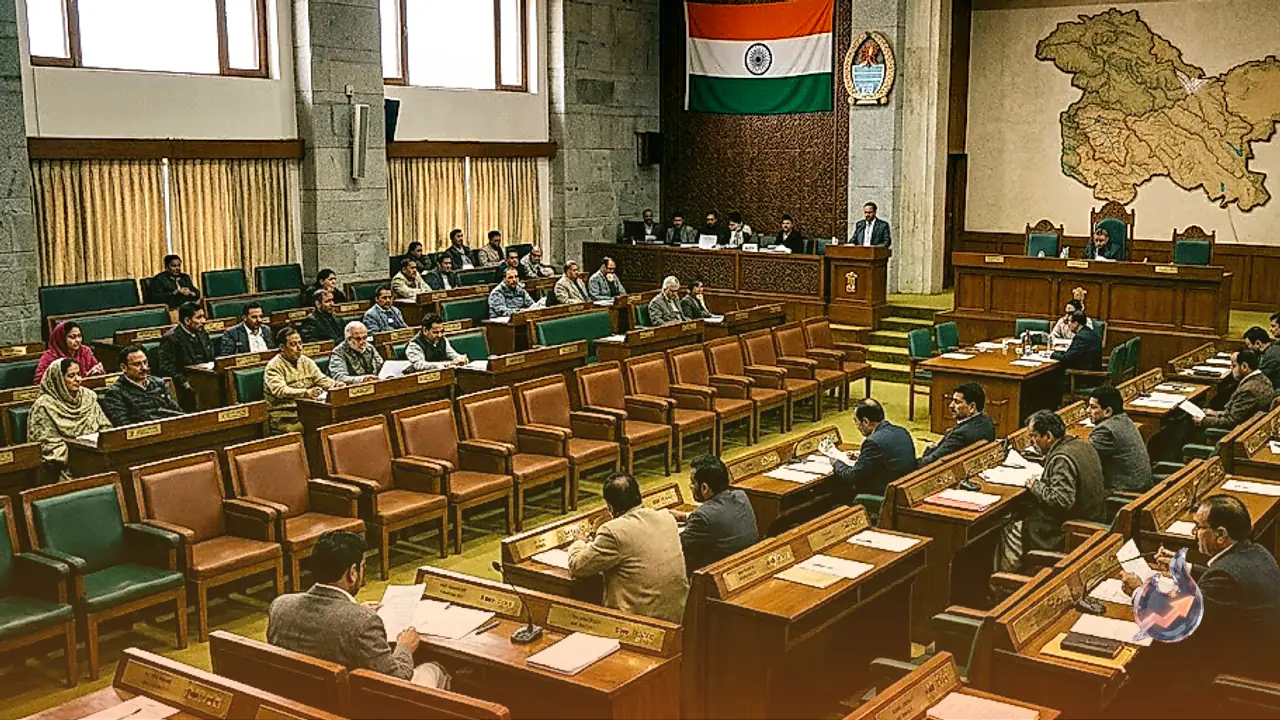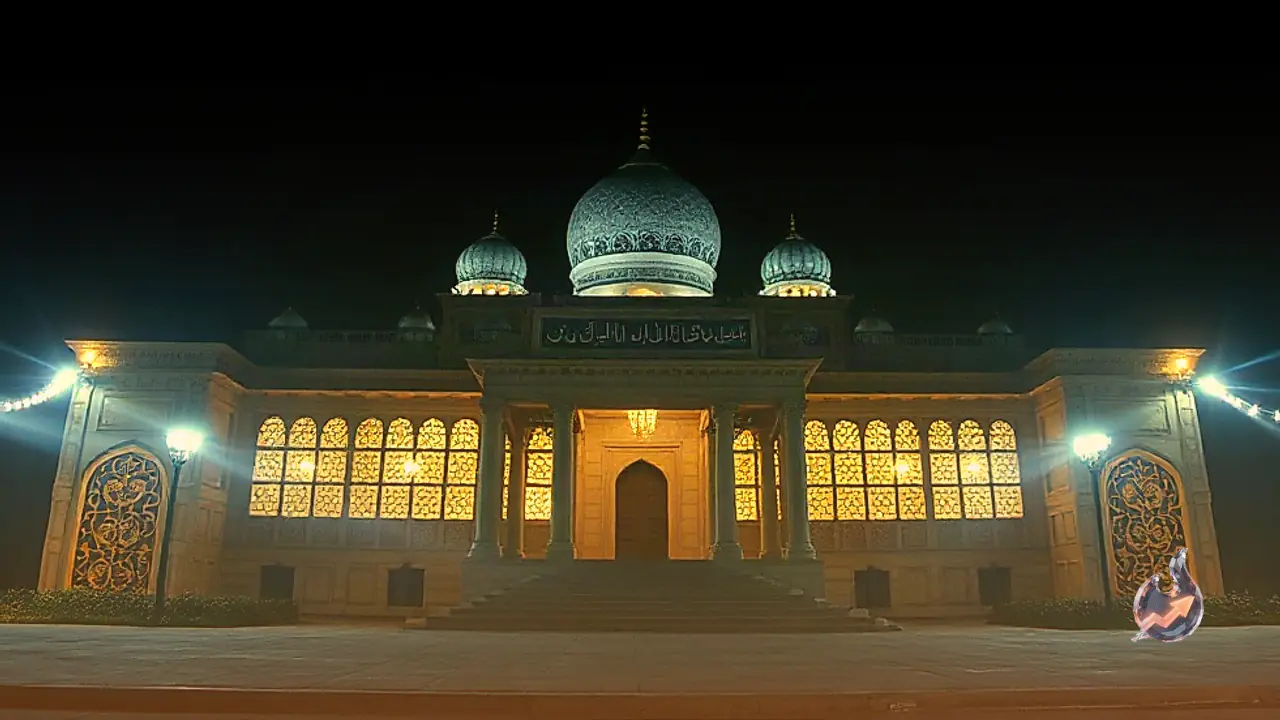




















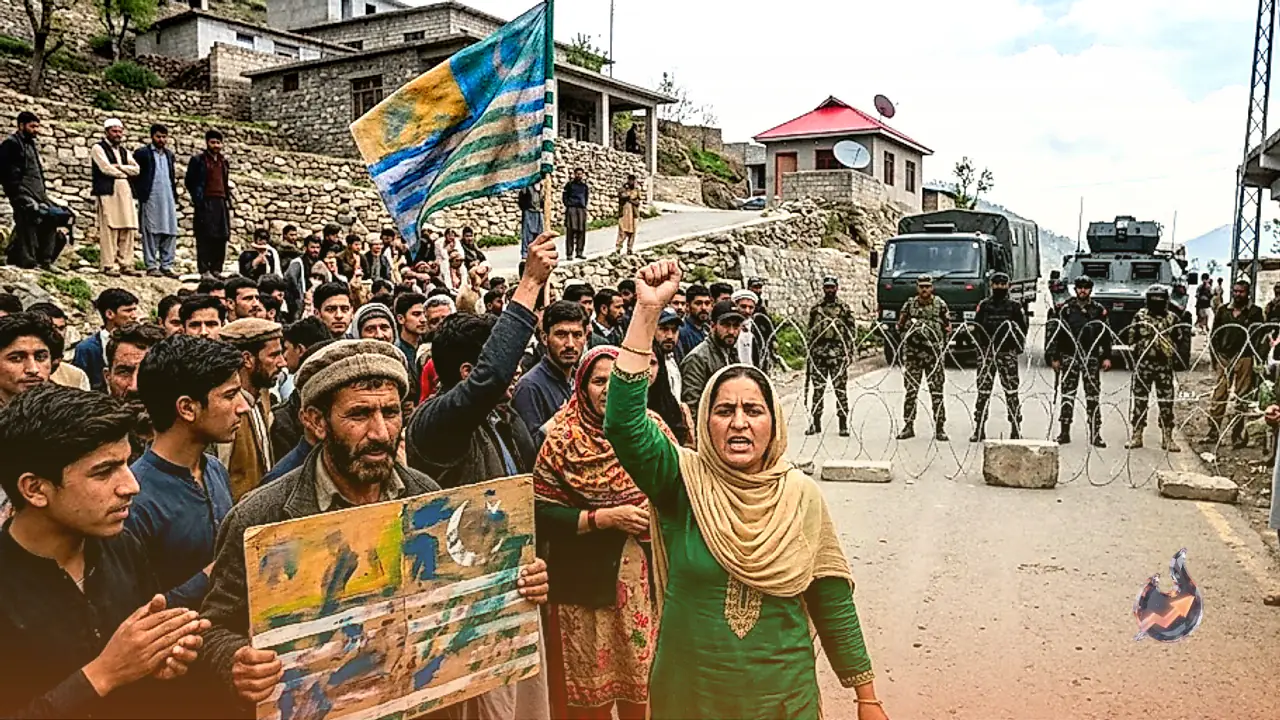

Widespread civil unrest has escalated across Pakistan-occupied Kashmir (PoK) as local civic groups prepare to launch a new wave of massive public demonstrations against the Pakistani military. The Jammu Kashmir Joint Awami Action Committee (JKJAAC) has issued a fresh call for large-scale protests to challenge security force blockades and the militarization of essential public infrastructure. The ongoing takeover of educational institutions and healthcare centers by security personnel, alongside severe movement restrictions, has severely disrupted daily life, driving civil society organizations to intensify their agitation across the region.
Strategic Roadmap Drafted at Rawlakot Assembly
A crucial organizational meeting was convened in Rawlakot to finalize the strategy and structure of the upcoming demonstrations. Attended by civic leaders, student representatives, local merchants, and social activists, the assembly outlined an extensive plan for civil resistance. Addressing the gathering, prominent movement leader Umar Nazir Kashmiri emphasized that the heavy deployment of security forces and arbitrary checkpoints have effectively stripped residents of their fundamental rights to education and healthcare. Kashmiri appealed directly to students, parents, and community members to join the upcoming sit-ins in large numbers.
The leadership outlined that local anger has reached a tipping point due to prolonged administrative apathy and military dominance over civilian life. To ensure the message reaches beyond local borders and brings global attention to their plight, solidarity rallies have also been planned across key international locations, particularly in Britain and Continental Europe.
Public Outrage Over Military Control of Schools and Hospitals
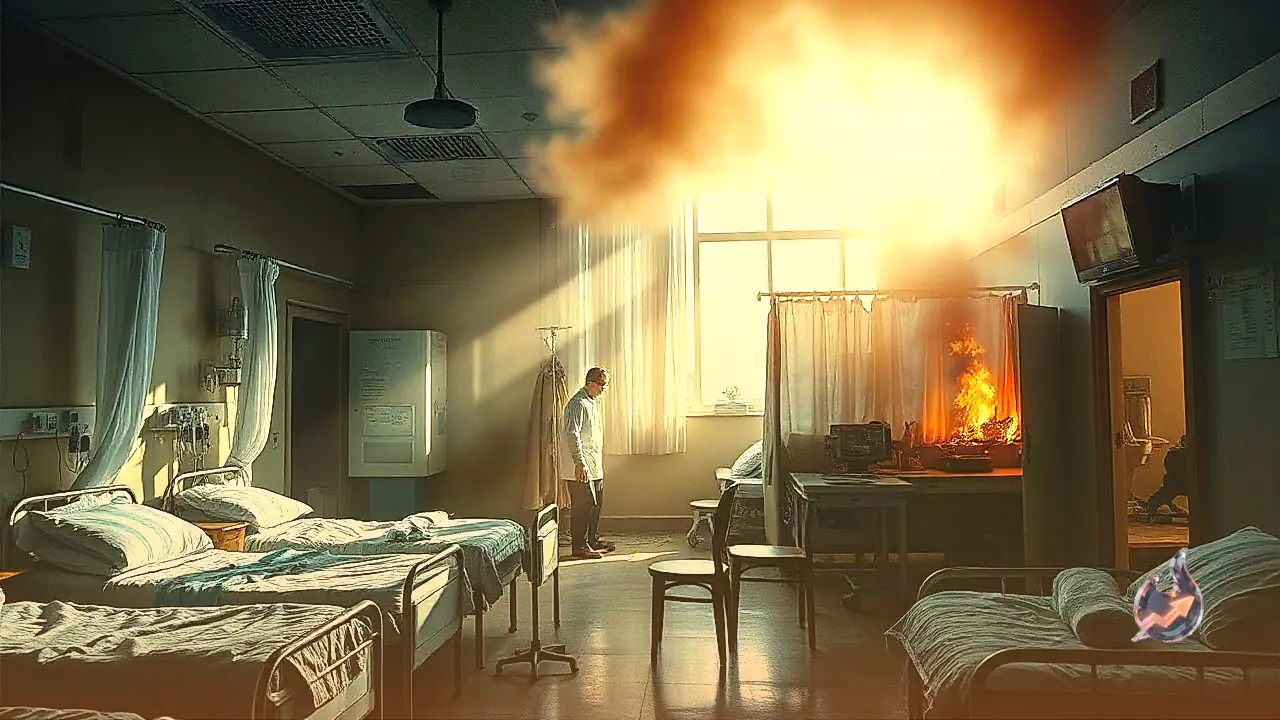
The core catalyst behind the renewed protest movement is the occupation of vital civic facilities by Pakistani security forces in Poonch and other sensitive districts. According to the JKJAAC, military personnel have established security hubs and encampments within major schools, colleges, and regional medical centers. This heavy military presence, combined with strict curfews and security blockades, has severely impaired access to emergency healthcare.
Numerous reports indicate that critically ill and injured citizens are either unable to navigate the security cordons or are turned away from medical centers without receiving treatment. Simultaneously, the military takeover of academic campuses has forced educational institutions to close, leaving thousands of students unable to attend classes and completely halting academic activities across the district.
Symbolic Protest in Dhirkot: Students to March in School Uniforms
To exert maximum administrative pressure on authorities, the JKJAAC has structured a multi-tiered protest schedule across various divisions. The centerpiece of the campaign will be a major demonstration in Dhirkot, located within the Poonch division, scheduled to commence at 1:30 PM. Organizers have made a specific appeal to mothers, sisters, and female students to take the lead in heading the march.
Families across the region have been instructed to bring their children to the demonstration wearing their formal school uniforms and carrying their backpacks. This symbolic gesture is designed to highlight how military blockades and facility takeovers are directly depriving the younger generation of their fundamental right to schooling, creating a visual statement against the closure of educational institutions.
Solidarity Demonstrations Planned in Mirpur, Muzaffarabad, and Europe
Recognizing the need for a unified front, movement organizers are expanding the scope of the campaign beyond Poonch. In districts where educational institutions remain partially operational, residents are being mobilized to show solidarity with affected communities. The JKJAAC has called upon students and citizens in the Mirpur and Muzaffarabad divisions to hold simultaneous solidarity rallies, ensuring a synchronized show of support for the people of Poonch division.
In addition to local mobilization, the JKJAAC is taking its grievances to the international arena to highlight alleged human rights violations and administrative blockades. Solidarity marches have been scheduled in Birmingham, Britain, and across Italy. Movement leaders have urged the Kashmiri diaspora residing in Europe to participate in large numbers, seeking to draw international scrutiny to the military restrictions and administrative heavy-handedness in the region.
Movement Pledges Peaceful Resistance Until Demands Are Met
This latest escalation comes after months of mounting friction between local civil society groups and security personnel in the region. Persistent blockades and recurring internet blackouts have paralyzed commerce, transportation, and routine daily life across multiple towns in PoK. Local traders and transporters have also expressed growing frustration over economic stagnation caused by military restrictions.
The JKJAAC has affirmed that peaceful demonstrations will persist until all administrative and military blockades are lifted. The committee's core demands include the complete withdrawal of security forces from educational and medical facilities, the immediate reopening of all schools and hospitals, the removal of security checkpoints, and the unconditional release of all detained local activists.