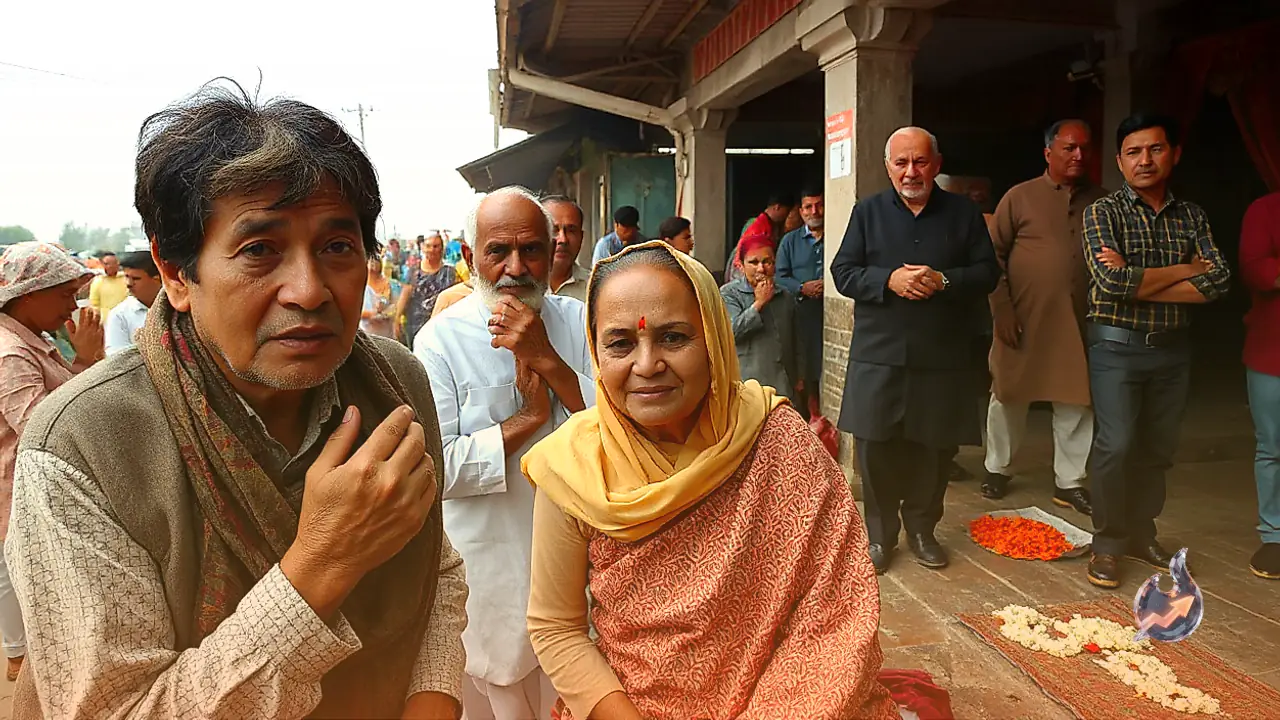



















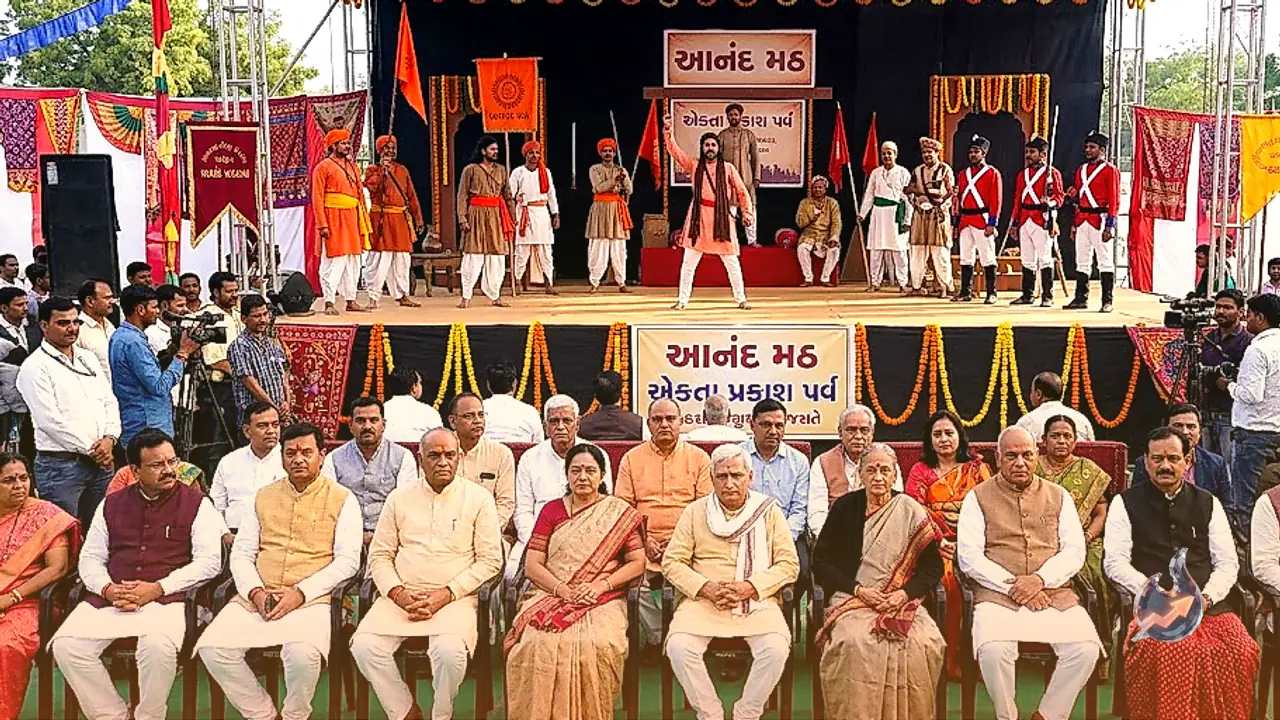

Prime Minister Narendra Modi attended a special theatrical adaptation of the celebrated literary work 'Anand Math' during the Ekta Prakash Parv celebrations at Ekta Nagar in Gujarat. As part of his visit, the Prime Minister also spent time exploring the picturesque Valley of Flowers located in the precinct. The occasion gained notable significance with the presence of descendants of legendary author Bankim Chandra Chattopadhyay, who joined the gathering to witness the dramatic presentation.
Celebrating Cultural Heritage and National Awakening
Penned by Bankim Chandra Chattopadhyay, the historical novel 'Anand Math' played a pivotal role in awakening patriotic sentiment across India during the freedom movement. The work introduced the national song 'Vande Mataram', serving as a rallying cry that motivated generations of freedom fighters. The theatrical production staged at Ekta Nagar brought the profound narrative and its historical resonance vividly to life through expressive stagecraft.
Reflections Shared by the Prime Minister
Reflecting on the event, Narendra Modi wrote on X that he watched a wonderful theatrical presentation of Anand Math, noting that the timeless work ignited the spirit of nationalism among people. He highlighted that having the descendants of the iconic writer present made the cultural evening particularly memorable and meaningful, underscoring the enduring relevance of the literary classic in modern India.
Festivities at Ekta Prakash Parv
The staging took place against the broader backdrop of Ekta Prakash Parv, a cultural festival designed to showcase national unity, art, and patriotic heritage. Alongside witnessing the stage play, the Prime Minister toured the expansive landscapes of the Valley of Flowers at Ekta Nagar, an area developed to highlight ecological beauty alongside national monuments.
Public Reaction
Social media users responded with enthusiasm to the event, praising the initiative to honour Bankim Chandra Chattopadhyay's historic literary legacy. Observers noted that celebrating such foundational works strengthens national cultural identity and connects contemporary audiences with freedom-era ideals.