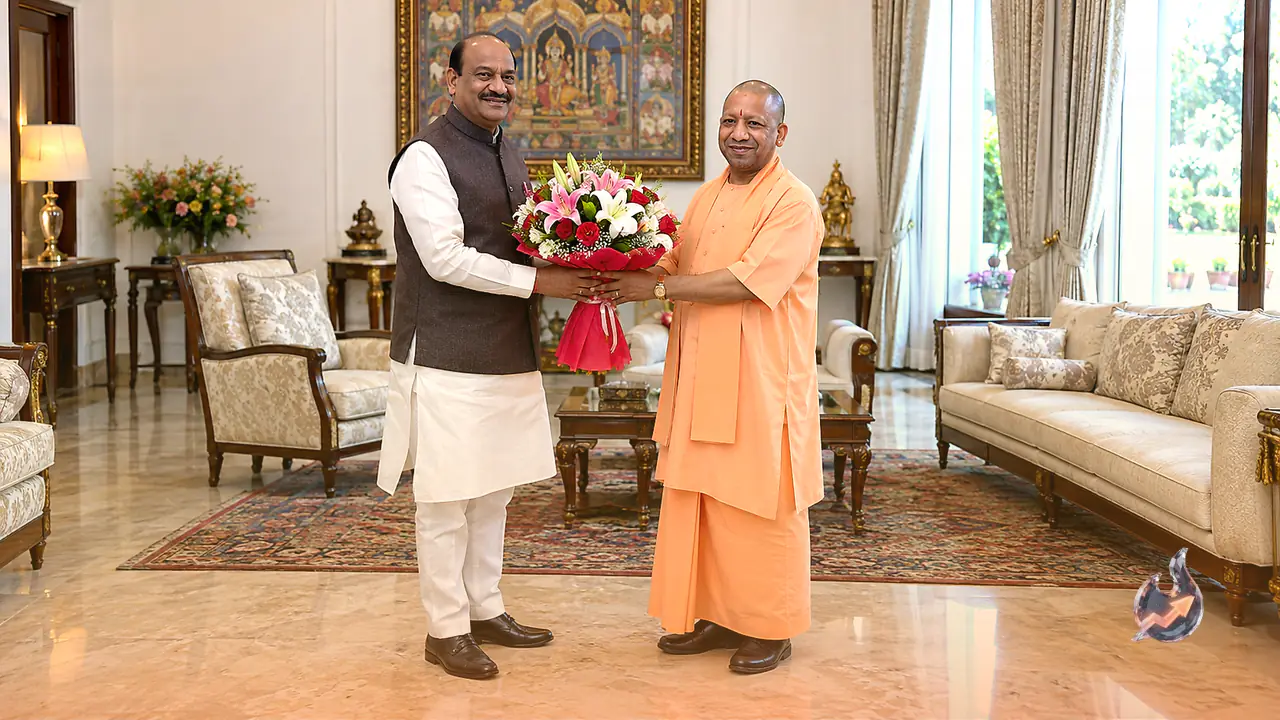
















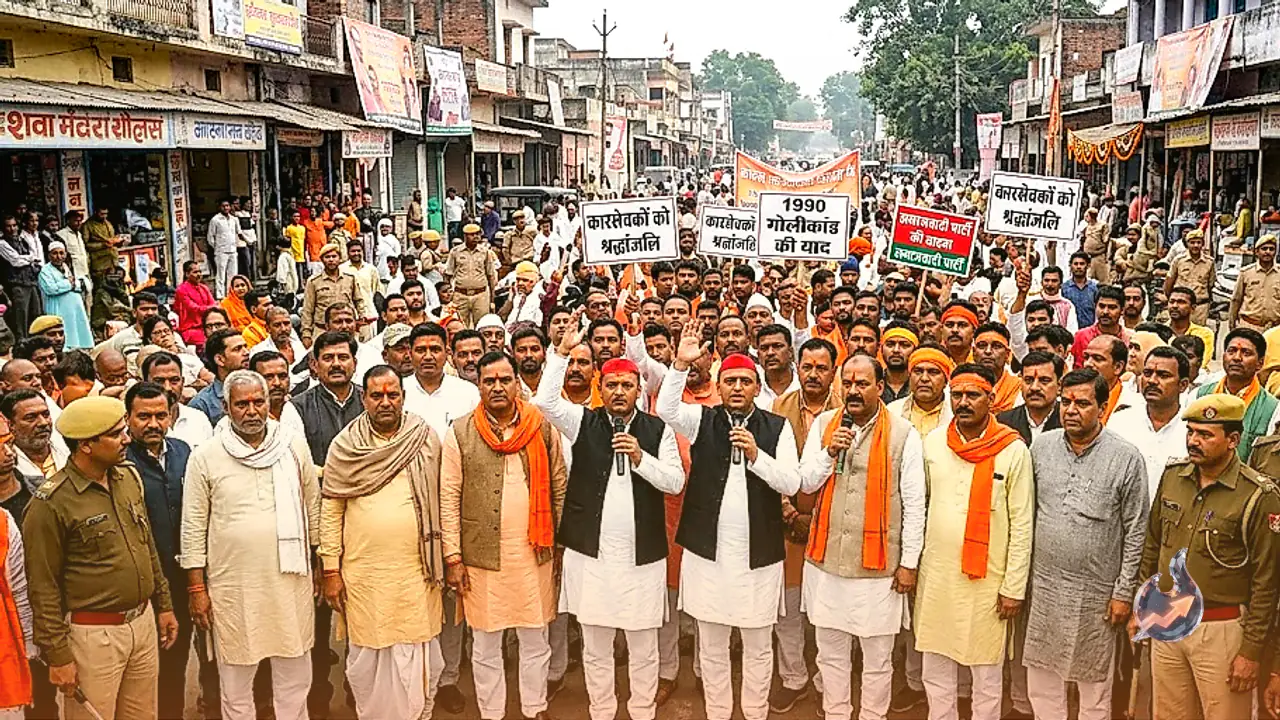

A fresh round of political confrontation erupted over the anniversary of the October 30, 1990 police firing on kar sevaks in Ayodhya. Sharing a public message on the social media platform X, Yogi Adityanath mounted a sharp attack on the Samajwadi Party and its chief Akhilesh Yadav. He referenced the events under former chief minister Mulayam Singh Yadav, stating that the citizens of Uttar Pradesh have not forgotten the police action against devotees and will hold the party accountable for generations.
Yogi Adityanath Statements and Allegations
Yogi Adityanath highlighted the significance of October 30, asserting that on this exact date in 1990, the Samajwadi Party administration opened indiscriminate fire on unarmed kar sevaks. Characterizing the historical incident as an unforgivable event, he stated that Akhilesh Yadav and his political allies are mistaken if they assume the public has moved past that tragedy. He emphasized that the collective memory of the state runs deep enough that even three successive generations will not extend forgiveness for what transpired.
The Background of the 1990 Ayodhya Incident
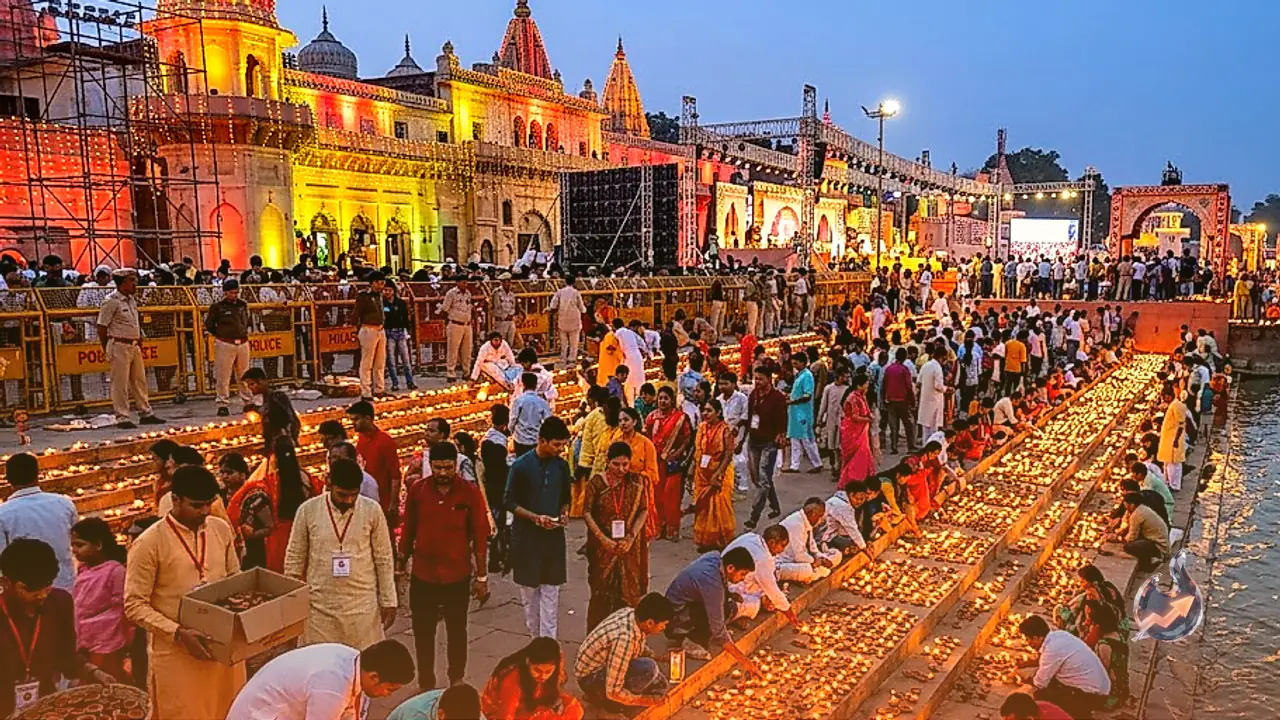
The events date back to October 30, 1990, when thousands of religious volunteers had assembled in Ayodhya during the peak of the temple movement. Security forces deployed under the state administration resorted to lethal firing to disperse the crowds around the disputed perimeter. The incident resulted in significant casualties, turning the banks of the Saryu River into a focal point of intense political and social mobilization. Over the subsequent decades, the tragic confrontation reshaped the political landscape of Uttar Pradesh, cementing long-standing rivalries between competing regional and national political forces.
Public Reaction
The post triggered an active wave of public discussion across social channels, reflecting starkly divided perspectives. While numerous supporters endorsed the criticism and recalled the historical pain of the incident, other commentators raised critical questions regarding political contradictions, notably pointing to the union government conferring the Padma Vibhushan honor on Mulayam Singh Yadav.