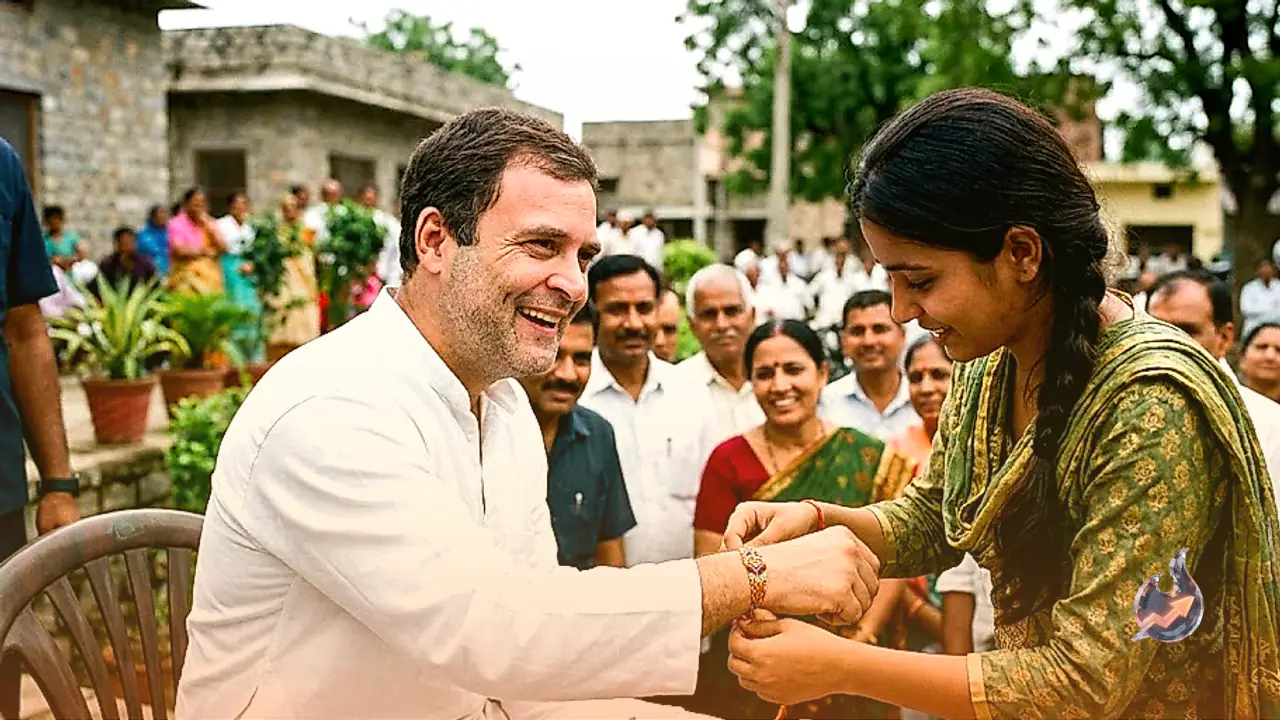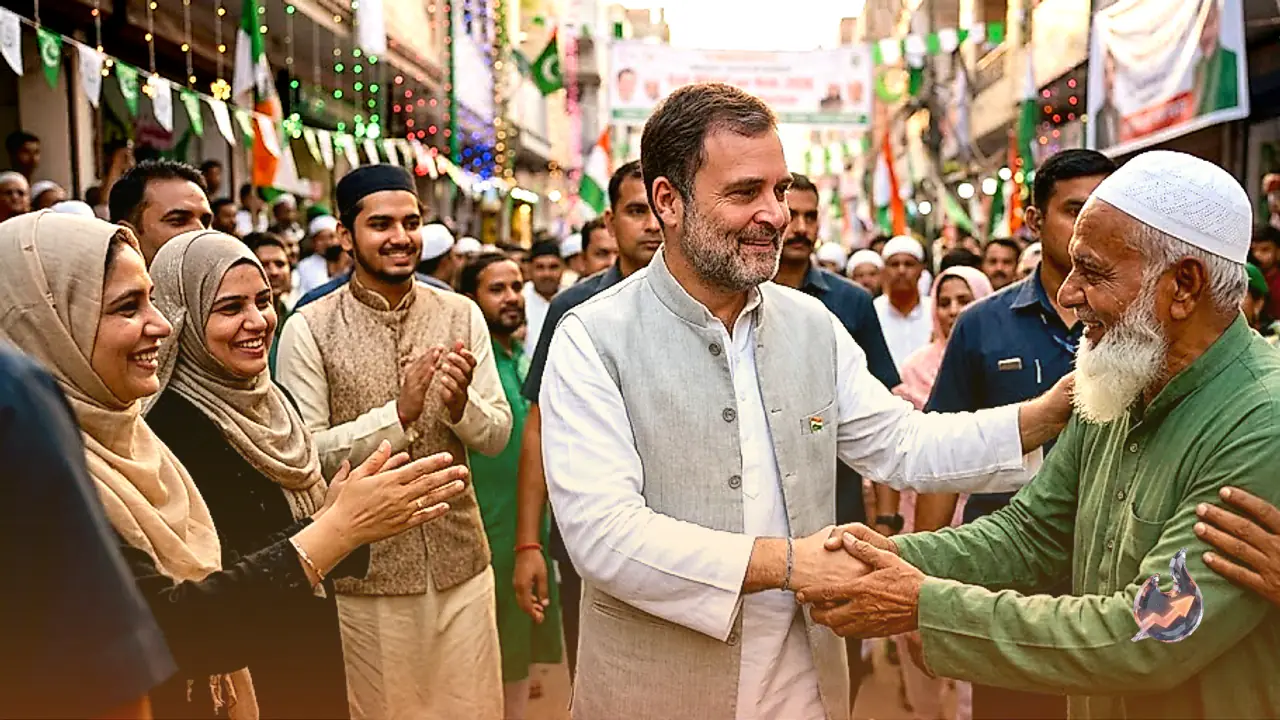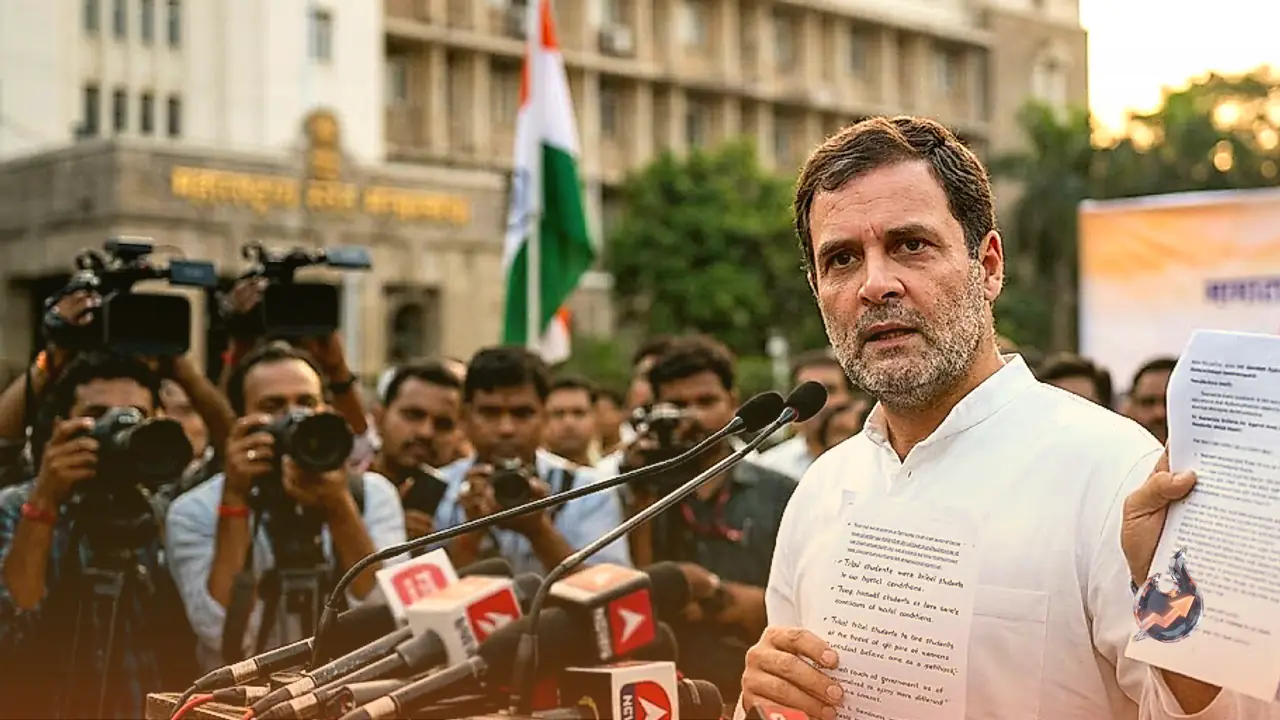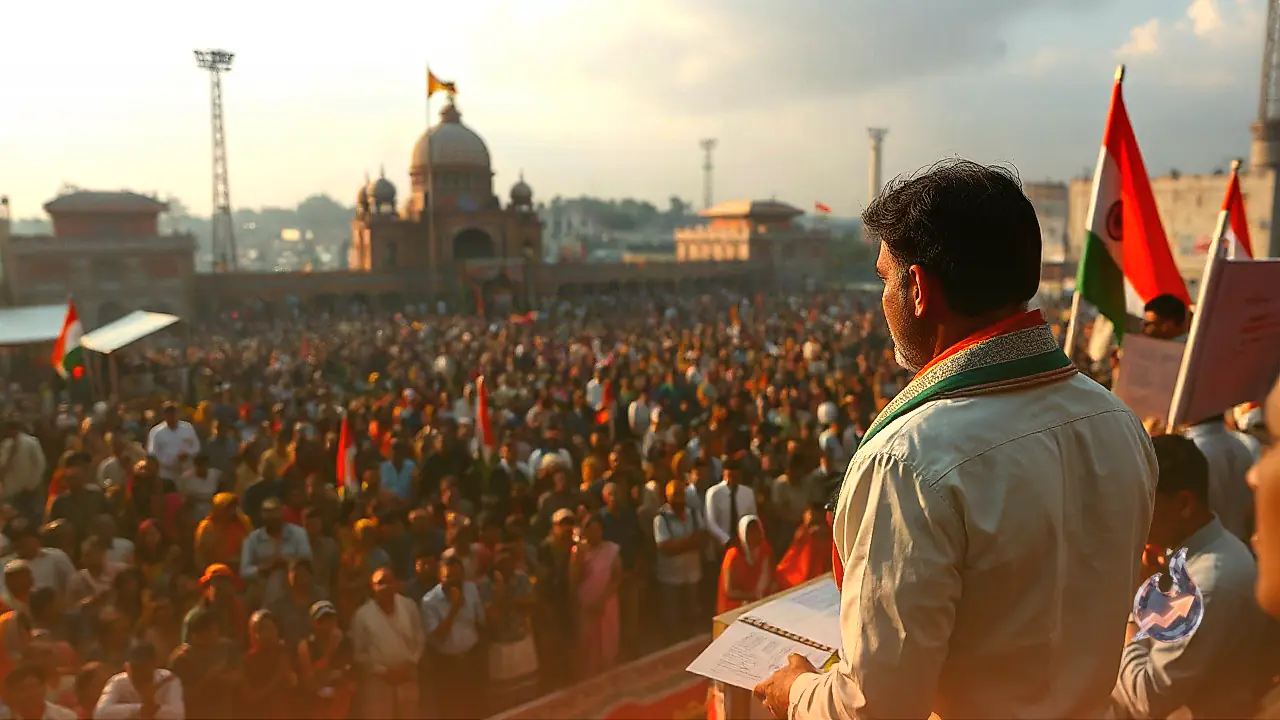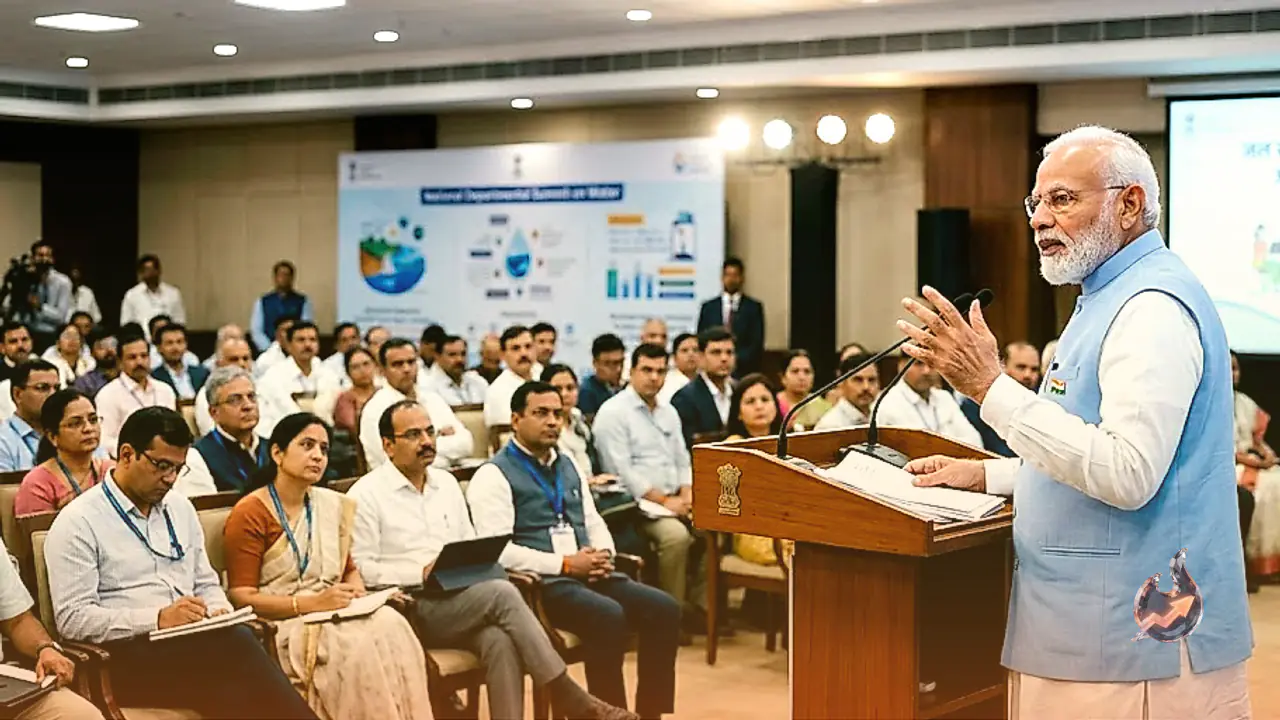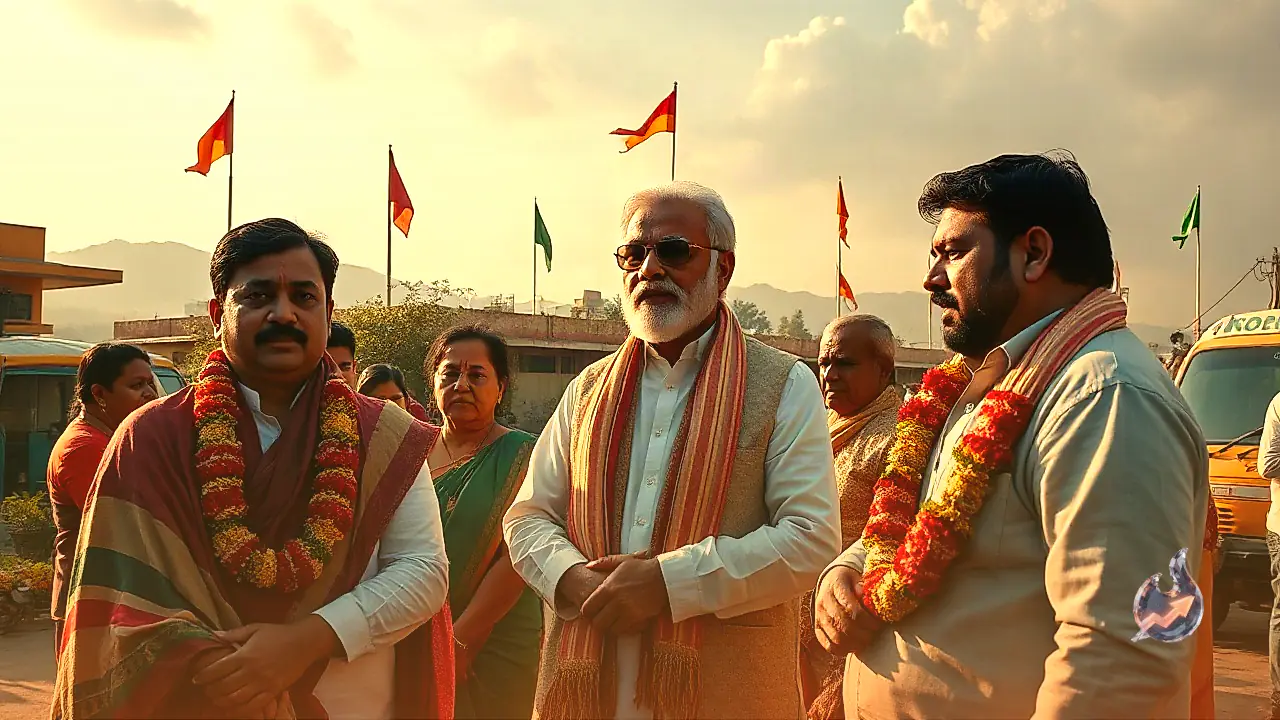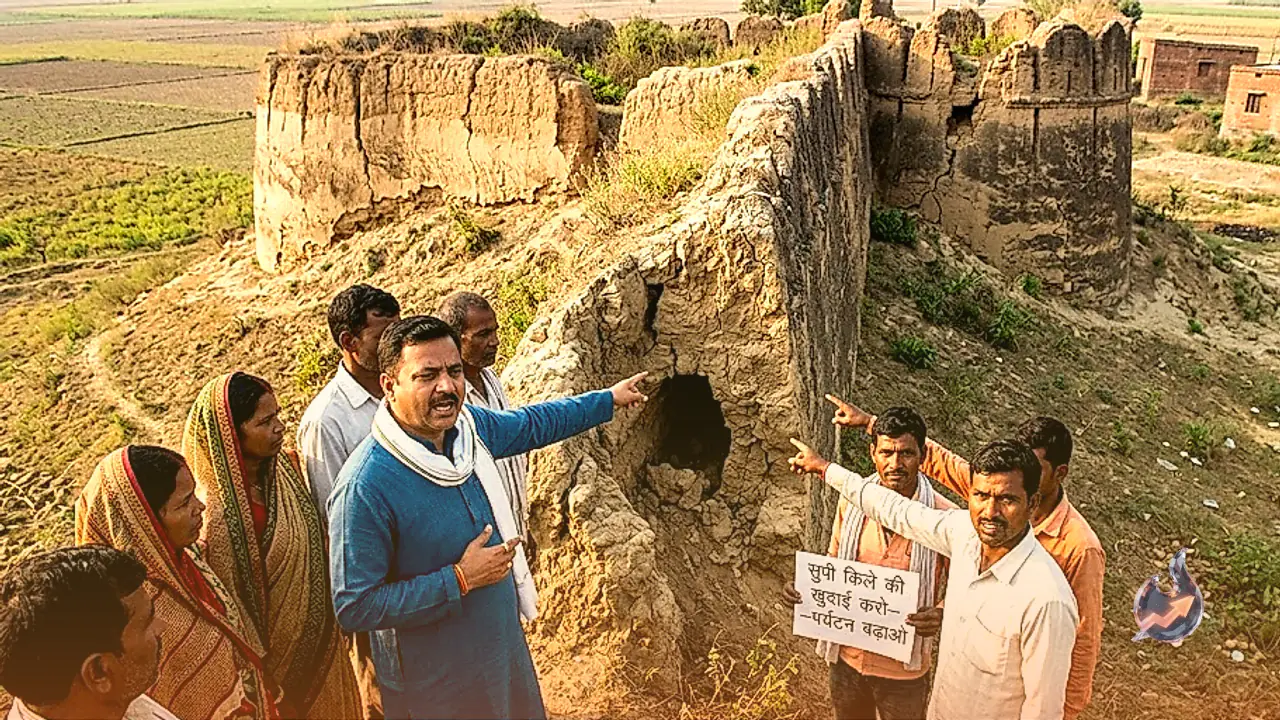

















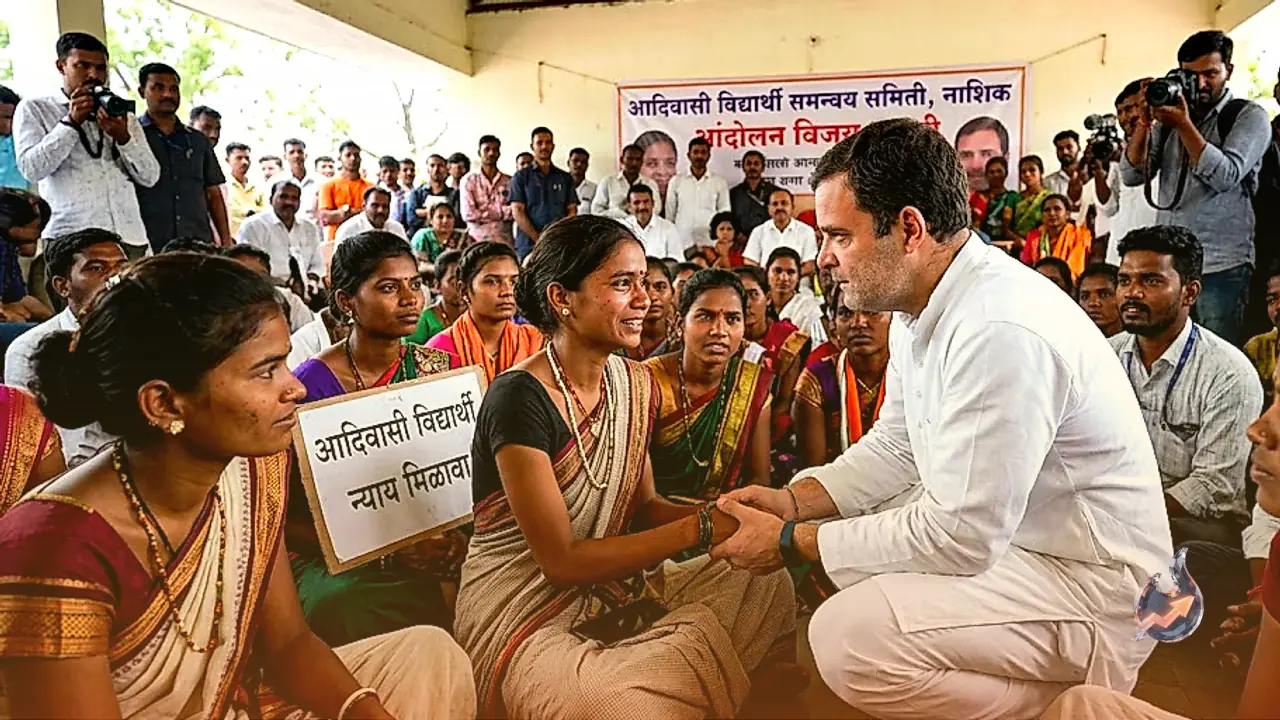

Congress leader and Leader of the Opposition in the Lok Sabha, Rahul Gandhi, met with a delegation of tribal students in Nashik, Maharashtra, on September 2, 2026. The meeting specifically featured student leaders who had recently staged a high-profile 17-day hunger strike over critical educational and employment demands. Rahul Gandhi listened attentively to their grievances and strongly emphasized that every student in the country possesses a fundamental right to a respectful, safe, and encouraging educational environment. This important interaction occurred shortly after the Maharashtra state government agreed to fulfill all key demands of the protesting students, including approving 12,500 government job recruitments across various departments.
Direct Interaction and Core Student Demands in Nashik
During the interactive session organized in Nashik, Rahul Gandhi engaged directly with the striking students and student representatives from across the state. The youth detailed the administrative negligence and daily systemic hurdles they face in pursuing higher education and public employment. They highlighted the deplorable conditions of government tribal hostels, chronic delays in scholarship disbursements, and non-transference of Direct Benefit Transfer (DBT) funds required for daily student upkeep. Additionally, aspirants preparing for competitive examinations expressed deep anxiety over recurring hiring delays and paper leak scandals. Expressing deep solidarity with their cause, Rahul Gandhi assured the delegation that he would continue to champion their educational rights and administrative accountability both inside Parliament and on the streets.
Rahul Gandhi's Social Media Message on Right to Education
Following his meeting with the tribal student delegation, Rahul Gandhi released an official statement on social media platform X. He shared that he had met with the delegation of tribal students in Nashik, including those who were actively involved in the hunger strike, and heard their demands with utmost care. In his message, he asserted that access to quality education is not a luxury or privilege, but a constitutional right belonging to every young citizen. He stressed that youth from underprivileged and tribal communities require comprehensive institutional support rather than administrative apathy. He noted that when students are compelled to resort to prolonged hunger strikes to demand basic rights, it exposes significant administrative failures within the governance system.
The 17-Day Hunger Strike and State Government Approval
This dialogue took place against the backdrop of a prolonged and intense agitation spearheaded by tribal students across Maharashtra. Demanding immediate government intervention on long-pending recruitment notices and welfare provisions, the students had maintained an indefinite hunger strike that lasted for 17 consecutive days. Recognizing the growing intensity of the protest and widespread student dissatisfaction, the Maharashtra government conceded to all student demands on August 29, 2026. Following direct intervention by Chief Minister Devendra Fadnavis, the state administration officially confirmed 12,500 new recruitments and ordered immediate resolution of scholarship and hostel funding issues. Satisfied with the formal government commitments, the students officially called off their 17-day hunger strike on August 30, 2026.
About Maharashtra
Maharashtra is situated in the western peninsular region of India and stands as one of the country's wealthiest and most industrialized states. From an economic perspective, it consistently ranks among the top contributors to national growth and industrial output. The name 'Maharashtra' originates from the Sanskrit terms 'Maha' and 'Rashtra', which together signify a 'Great Nation'—a title historically rooted in the legacy of the region's prominent saints, scholars, and reformers. The state capital is Mumbai, which is India's largest city and recognized globally as the financial capital of the country. Furthermore, Pune is counted among India's major metropolitan centers and ranks as the sixth-largest city in the nation.
Public Reaction and Online Engagement
The meeting and subsequent social media statements sparked widespread discussion among citizens, students, and political commentators across digital platforms. Numerous users praised Rahul Gandhi for taking up student-centric causes and highlighting systemic issues such as recruitment delays and examination malpractices. Supporters remarked that aspiring youth require strong advocacy to ensure administrative transparency and timely recruitment drives. Conversely, other commentators discussed the broader dynamics of student politics and urged the state executive to implement the promised 12,500 recruitments within a strict, transparent timeframe.