





















Situated between Bihar's capital city Patna and the sacred land of Moksha Bhumi, Jehanabad district boasts a deeply rooted and historical past. The region's archaeological significance is reflected in the ancient caves at the base of the Vanavar hill dating back to the era of Emperor Ashoka. Furthermore, historic statues of Lord Buddha located in Davathu village of Hulasganj block and Ghejan village of Ratni block provide concrete evidence of the area's rich antiquity. Adding to this heritage, Supi village, located just 14 kilometers from the district headquarters, encapsulates a history that predates the Mughal period, alongside documented ties to the British colonial era.
Defensive Architecture and Water Moat Design
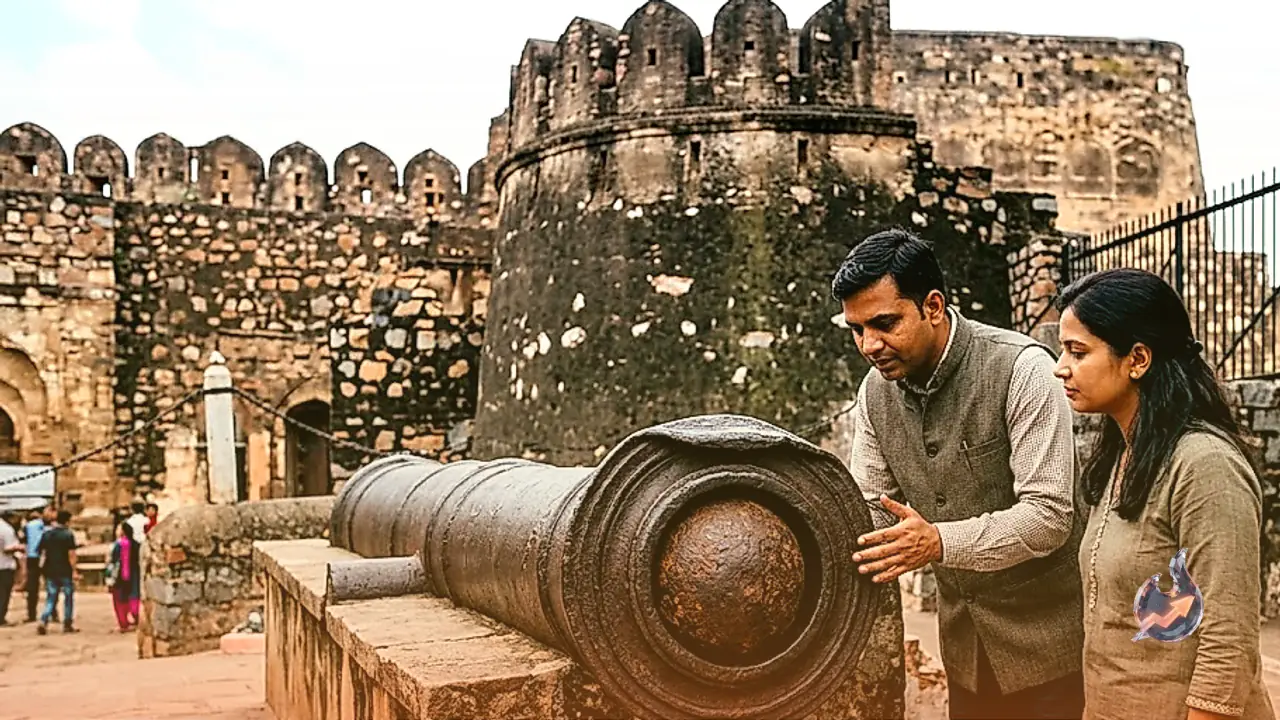
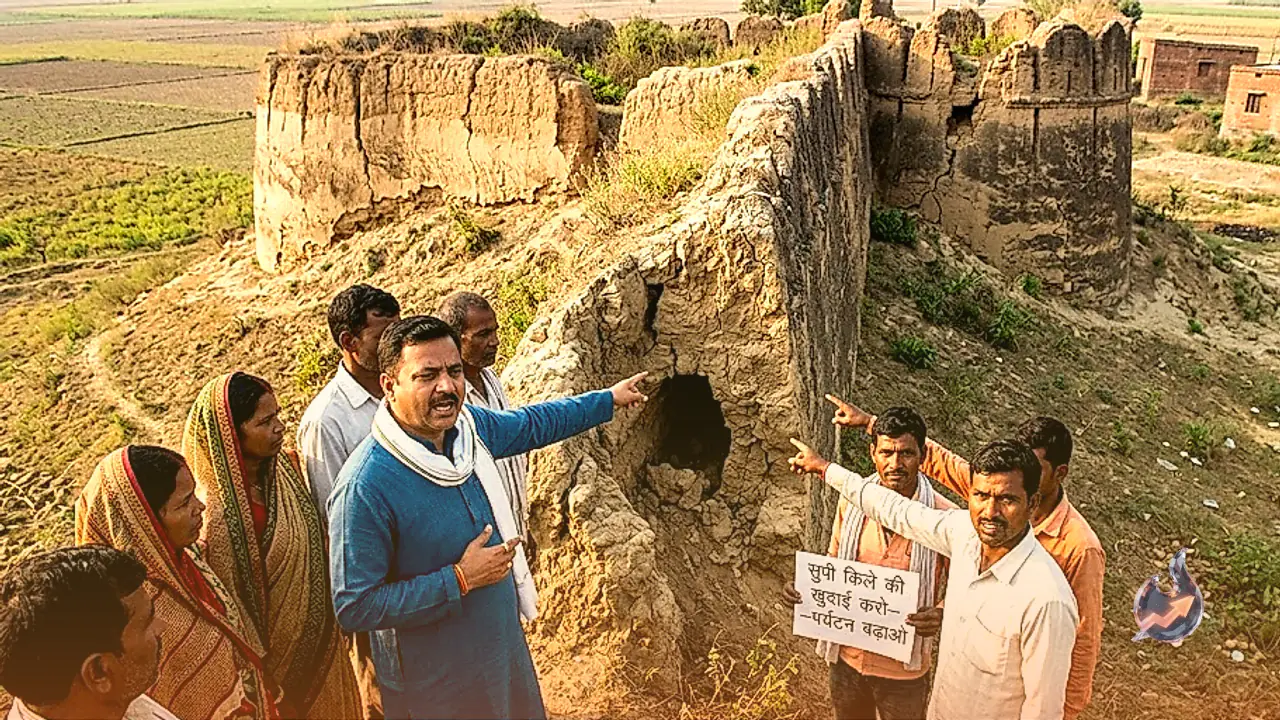
Although the expansive fort structure in Supi village has degraded into ruins over centuries, its structural foundations remain visible. The complex was engineered with a canal-like water reservoir encompassing all four sides, housing the central fort within. Historians and local observations indicate that this layout functioned as a defensive moat to shield inhabitants from foreign invaders. Constructing the fort relied heavily on traditional building materials including soil, mud paste, and lime mortar. Fragmented pottery recovered from the site suggests that the original settlement's origins reach back much earlier than the rise of the Mughal Empire.
Military Role under Mughal and British Regimes
During the medieval era, Mughal military forces adapted the fort into a strategic outpost. It served primarily as a fortified encampment to protect troops against regional uprisings and maintain territorial control. Following the decline of Mughal influence, British soldiers recognized the strategic merits of the site and repurposed it for defense operations. Architectural features suggest that elevated watchtowers were originally positioned at all four corners of the perimeter, allowing sentries to maintain constant surveillance over the surrounding terrain.
Deterioration and Calls for Archaeological Preservation
Decades of neglect have pushed Supi Fort toward gradual extinction, creating growing concern among local villagers. Many members of the younger generation remain unaware of the site's original architecture or historic function. Residents routinely encounter ancient pottery shards and historical artifacts near the surface, prompting calls for formal archaeological intervention. Community members strongly advocate for official scientific excavations to uncover the true chronological timeline of the site and preserve Magadh's heritage.
Local resident Lalit Shankar highlighted the urgent need to preserve the site for future generations. Lalit Shankar said, "Excavation of this historic fort is essential to revive the archaeological identity of Magadh and open new doors for regional tourism." He also pointed out that the newly constructed Amas-Darbhanga Expressway passes directly adjacent to Supi Fort. With enhanced road connectivity already in place, proper restoration and excavation could transform this neglected monument into a prominent historical tourism destination in Bihar.