

















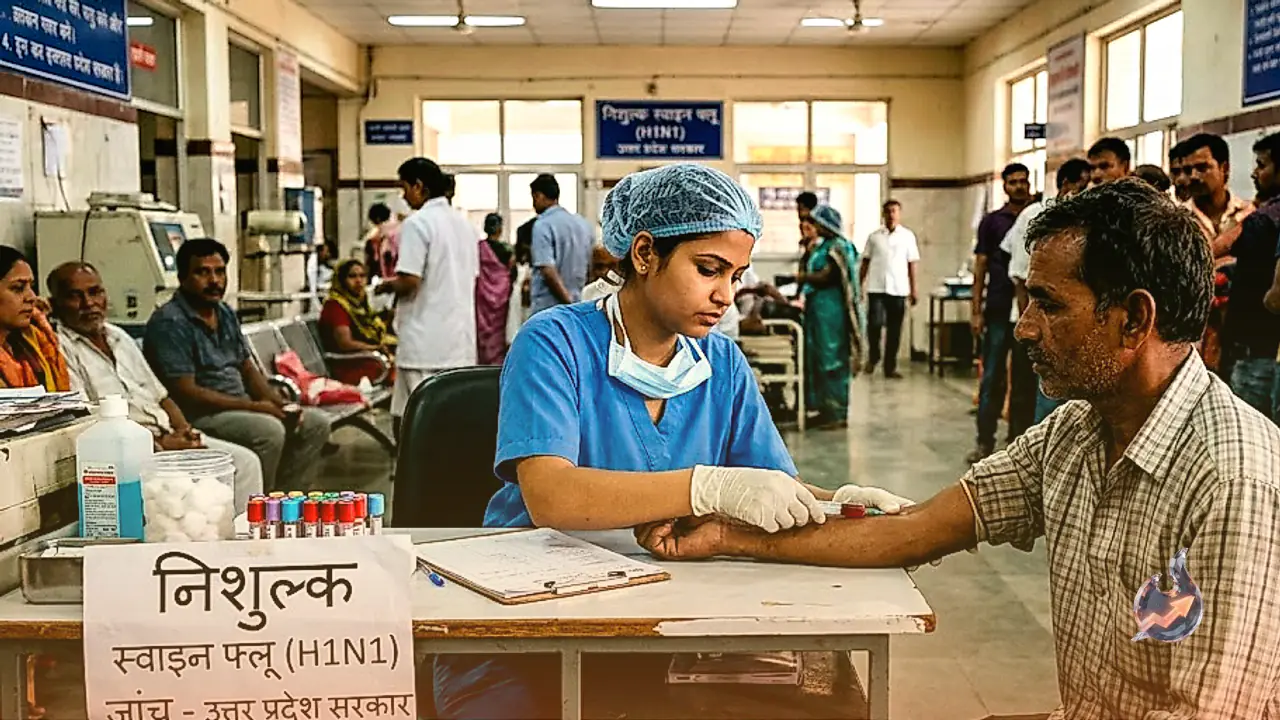

In response to the rising incidence of Swine Flu, clinically known as Influenza-A (H1N1), across Uttar Pradesh, the state administration has launched comprehensive healthcare measures. Chief Minister Yogi Adityanath announced that diagnostic testing for the H1N1 virus will be provided completely free of charge across all state-run hospitals and community health centers. Furthermore, healthcare authorities in districts recording a higher concentration of cases have been ordered to significantly strengthen their epidemiological surveillance and clinical treatment infrastructure.
Regulatory Cap on Private Lab Charges and Intensive Care Preparedness
During a high-level review of seasonal influenza and H1N1 prevalence, Chief Minister Yogi Adityanath issued strict instructions to private health institutions prohibiting them from charging fees above the government-mandated cap for H1N1 testing. State hospitals were directed to maintain abundant stocks of essential medicines, diagnostic test kits, and dedicated isolation beds. Additionally, medical institutions have been instructed to reserve specialized Intensive Care Unit (ICU) wards specifically for patients presenting with severe complications.
Field Screening via ASHA and ANM Workers Alongside Tele-Consultation
Comprehensive operational guidelines covering both prevention and therapeutic protocols for H1N1 were formally released. To accelerate early detection of suspected cases, health teams comprising Auxiliary Nurse Midwives (ANM), ASHA workers, and grass-roots healthcare personnel are stepping up active community screening. Alongside field efforts, robust tele-consultation services are being deployed to provide expert medical guidance to individuals recovering at home.
685 Confirmed Cases Statewide: Transmission Dynamics and Clinical Symptoms
Medical experts informed the review meeting that 685 laboratory-confirmed cases of H1N1 influenza had been documented across Uttar Pradesh as of Wednesday. This viral respiratory pathogen spreads predominantly through airborne respiratory droplets expelled when an infected person coughs or sneezes. Classic clinical symptoms reported among patients include persistent fever, runny nose, coughing, sore throat, severe headache, muscle aches, chills, and eye redness.
Targeted Protocol for Vulnerable Groups and Dedicated OPD Counters
The Chief Minister instructed that individuals exhibiting mild symptoms should be advised to isolate and rest at home in accordance with medical recommendations, while severe cases must receive immediate inpatient hospital care. Special clinical attention is mandated for vulnerable demographics, including young children, pregnant women, senior citizens aged over 65 years, and patients suffering from underlying chronic medical conditions. Hospitals are establishing separate registration and triage counters for patients with influenza-like symptoms, alongside a structured referral mechanism to ensure optimal resource allocation and avoid overcrowding in tertiary medical facilities.
Statewide High Alert Issued to Health Officers: Deputy CM Brijesh Pathak
Addressing the healthcare apparatus, Deputy Chief Minister Brijesh Pathak confirmed that all district hospitals and Chief Medical Officers (CMOs) throughout Uttar Pradesh have been placed on high alert. Health administration teams are continuously monitoring equipment readiness, medicine stockpiles, and isolation facility preparedness across all districts to ensure a prompt medical response.