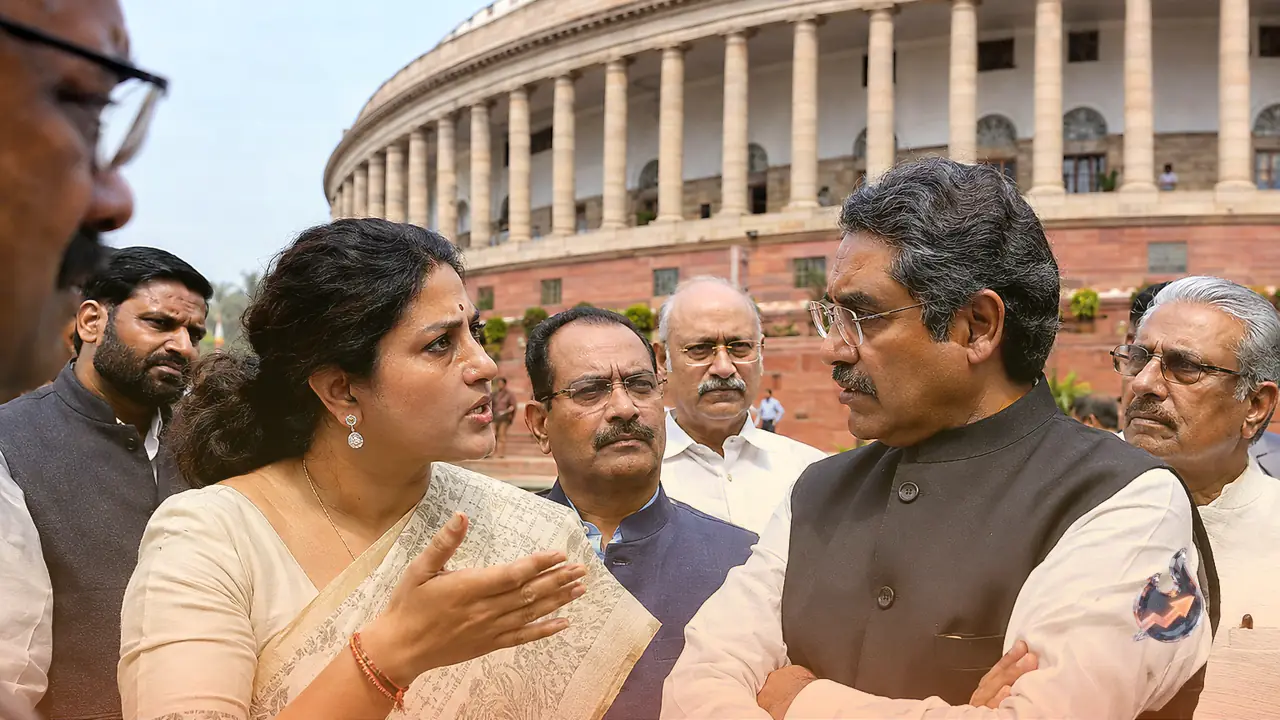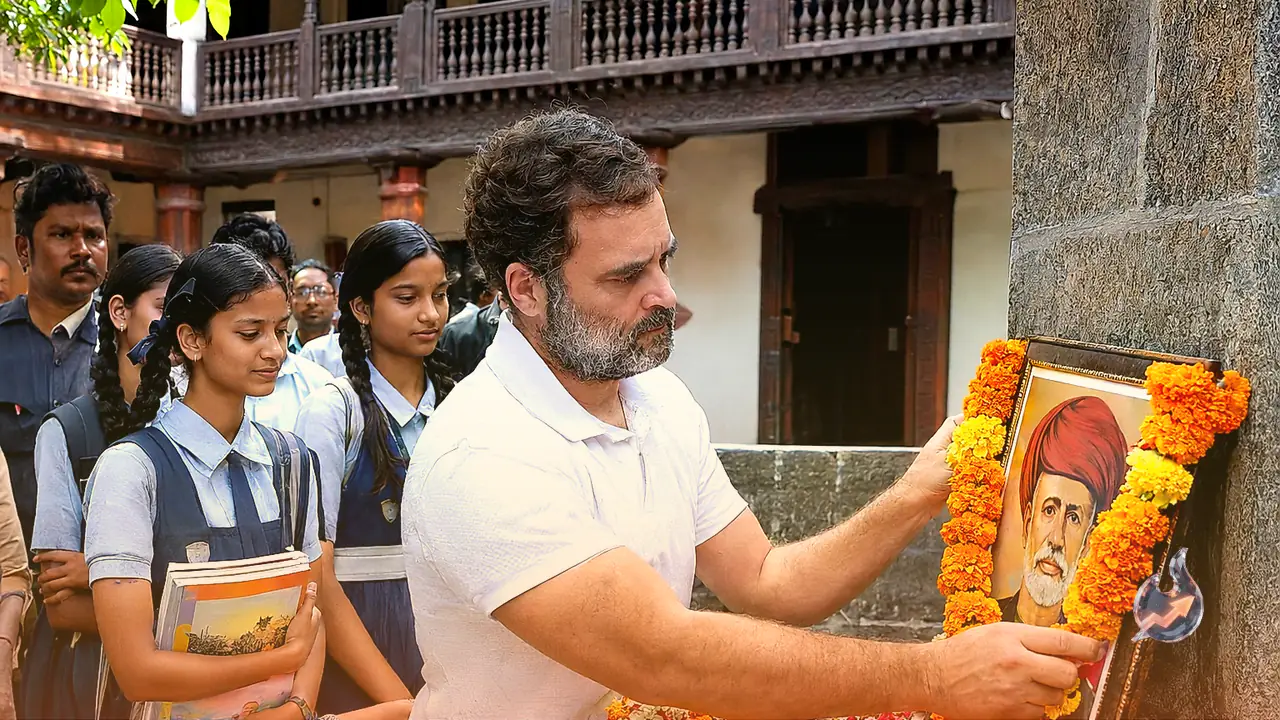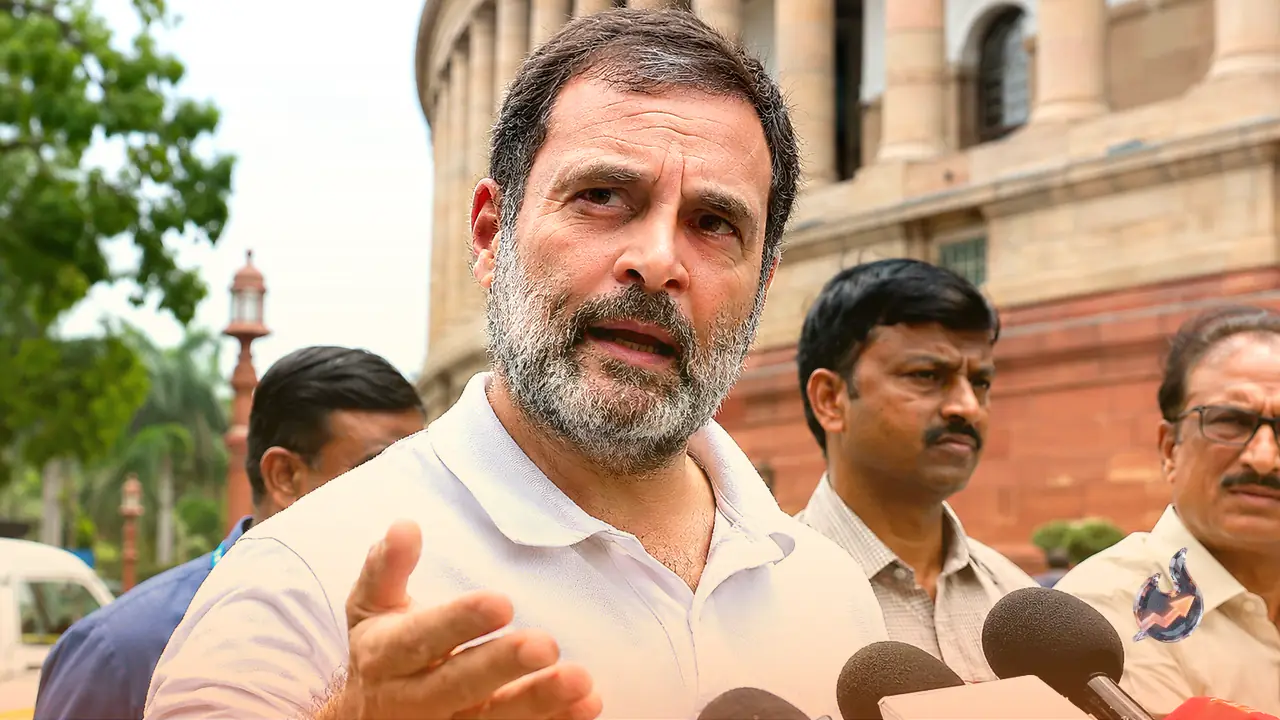

As discussion turns to a possible expansion of the Lok Sabha to 850 seats, Rahul Gandhi has questioned both the proposed number and how constituency boundaries would be redrawn. He alleged that the figure was designed to help the Bharatiya Janata Party remain in power and take away young Indians’ rights. The information available here does not establish that a final decision has been made on the number of seats or the method for delimitation.
In a post on social media, Rahul Gandhi urged young Indians to consider the possible consequences of the proposal. He set out three points for what he called fair delimitation: retain 543 seats, use the 2027 caste census rather than the 2011 census, and make the process all-party. The final part of his post is incomplete, so it does not specify what further arrangement he intended to describe after referring to an all-party process.
Why the 850-seat figure is disputed
Delimitation concerns how constituency boundaries are drawn and how representation in Parliament is apportioned. Recent discussion has included the possibility of increasing the Lok Sabha’s strength to 850, as well as a proposal involving an increase of more than 300 seats. The available material does not provide the full calculation, the final text of any bill, or a state-by-state distribution of seats. The figure of 850 should therefore be understood as the number at the centre of Rahul Gandhi’s criticism, not as a change already put into effect.
Rahul Gandhi framed the issue as more than an increase in the size of Parliament. He alleged that the move could alter the electoral map and help the ruling party stay in power. He also accused the government of using the proposal to hide vote theft. His post does not provide separate evidence for these allegations; they are part of his political objection to the delimitation discussion.
The census and representation
One of Rahul Gandhi’s alternatives is to base delimitation on the 2027 caste census instead of the 2011 census. That demand puts the choice of population data at the heart of the debate over representation. The post does not say when the 2027 census will be completed, when its figures will be available, or when a delimitation exercise based on those figures could proceed. His suggestion is therefore a political proposal, rather than a confirmed timetable for future boundary changes.
He also called for an all-party process instead of what he described as a nexus involving Gyanesh Kumar. The post does not explain what specific arrangement or relationship he means by “nexus.” In practical terms, an all-party approach would involve parties across the political spectrum in deliberations about delimitation, but his message does not set out how such participation would work or what role each party would have.
Rahul Gandhi’s allegations
Rahul Gandhi told young Indians to remember the 850 figure and presented it as a threat to democracy. In related political remarks, he described the number as a symbol of damage to democratic institutions and said the BJP would not be allowed to succeed with the proposal. He also criticised Narendra Modi, Amit Shah and Gyanesh Kumar. These statements link the proposed seat figure to his allegations about vote theft and a possible change to the electoral map.
Other questions have also surfaced in the debate: whether a plan to increase seats would include a sub-quota for Other Backward Classes, and which population figures would guide delimitation. The available information does not provide official answers to those questions. Readers will need the bill’s text and any decisions setting out the process to understand what is proposed and how it might affect representation.
About Gaya
Gaya is a city in Bihar and the headquarters of its district. It is the state’s second-largest city, and Magahi is a regional language spoken there. Gaya has historical importance in Hinduism, Buddhism and Jainism, and is mentioned in the Ramayana and the Mahabharata. The hills of Ramshila, Pretshila and Brahmayoni surround the city on three sides, while the Phalgu River runs to its east.
Public reaction
Some social media users supported Rahul Gandhi’s concerns about delimitation and representation, while others urged him to act to stop the proposal. Replies also raised questions about how seat increases and the use of older census figures could affect people’s representation.