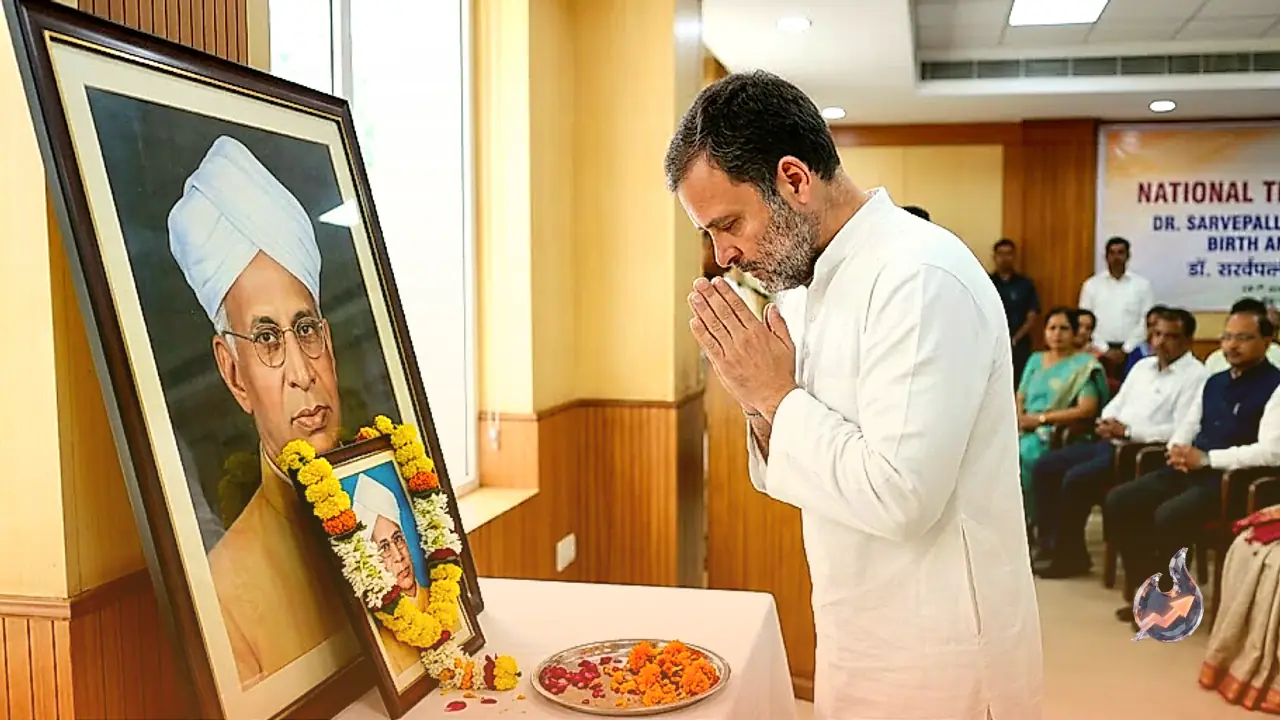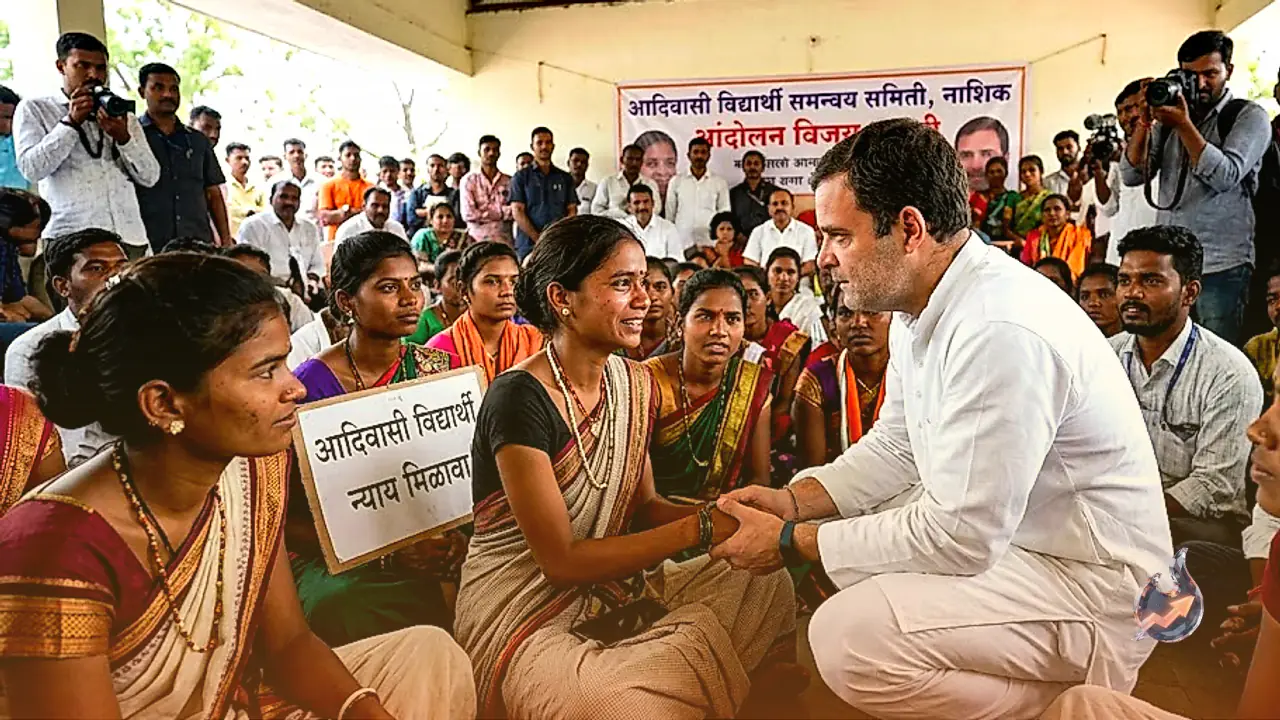



















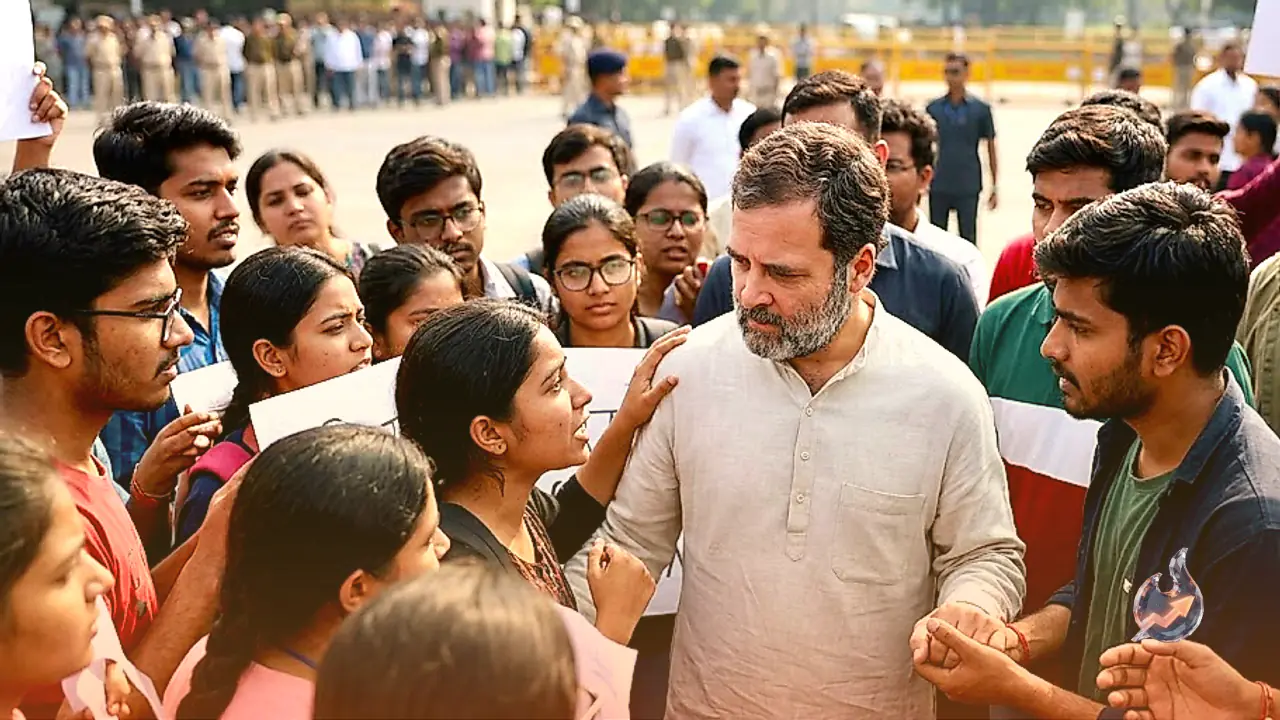

Amid ongoing protests and controversies surrounding India's education system, Congress leader Rahul Gandhi has made his position clear, stating that he stands firmly with the demands of the students. Across the country, deep anger and frustration have been brewing among young people over competitive exams, particularly regarding severe allegations of NEET paper leaks. Students, anxious about their futures, have been forced to take to the streets in large numbers. In this highly charged and sensitive atmosphere, Gandhi's explicit declaration of support holds significant political and social weight, indicating that opposition parties are now elevating educational issues and youth voter concerns to the national stage.
A Strong Message on Social Media
The Congress leader took to the social media platform X to clarify his party's stance on the ongoing crisis. He shared a resolute message, writing, "No one can stop us from standing with the students of India." This statement comes at a time when the debate over structural reforms and accountability in the education sector has intensified both domestically and globally. Recently, international publications like The Atlantic have also published extensive pieces on student engagement. These discussions underscore that the crises facing students and educational frameworks have evolved into major, wide-ranging concerns rather than isolated incidents.
Focus on NEET Leaks and the Education Ministry
The current wave of student activism in India is primarily driven by a massive lack of transparency in the examination system and repeated instances of paper leaks. Millions of youths, who spend years preparing for these rigorous tests, feel cheated by systemic failures. A large section of students and parents are directly questioning the policies of Union Education Minister Dharmendra Pradhan and the central government. Gandhi's backing of this movement is widely seen as a strategic move to mount pressure on the ruling party and to assure the youth that their grievances will be amplified from the streets to the parliament.
Political Tug-of-War Within the Opposition
Interestingly, the issue has sparked a political tug-of-war not only between the ruling party and the Congress but also within the broader opposition camp. Debates have erupted in political circles over who truly represents this massive student uprising. On social media, several supporters of the Aam Aadmi Party (AAP) have accused Rahul Gandhi of attempting to hijack what began as an organic student movement. In response, staunch Congress supporters argue that Gandhi has been consistently fighting for the nation's core issues over the last twelve years, maintaining that he stood with the public while other parties merely watched from the sidelines.
Public Reaction and Criticism
Gandhi's post triggered a flood of mixed and polarized reactions from the public and students on the internet. A substantial segment praised his vocal stance against the NEET paper leaks, claiming that the growing student movement has left the government deeply rattled. On the flip side, numerous critics confronted him with sharp questions. Some users took a sarcastic tone, suggesting that instead of merely issuing statements, the Congress should use its party funds to financially support impoverished students who struggle to afford their education. Furthermore, several commenters questioned the leader's timing, asking where he was when the movement was in its initial stages. Clearly, this student agitation has transcended the realm of education to become a major national political battleground.