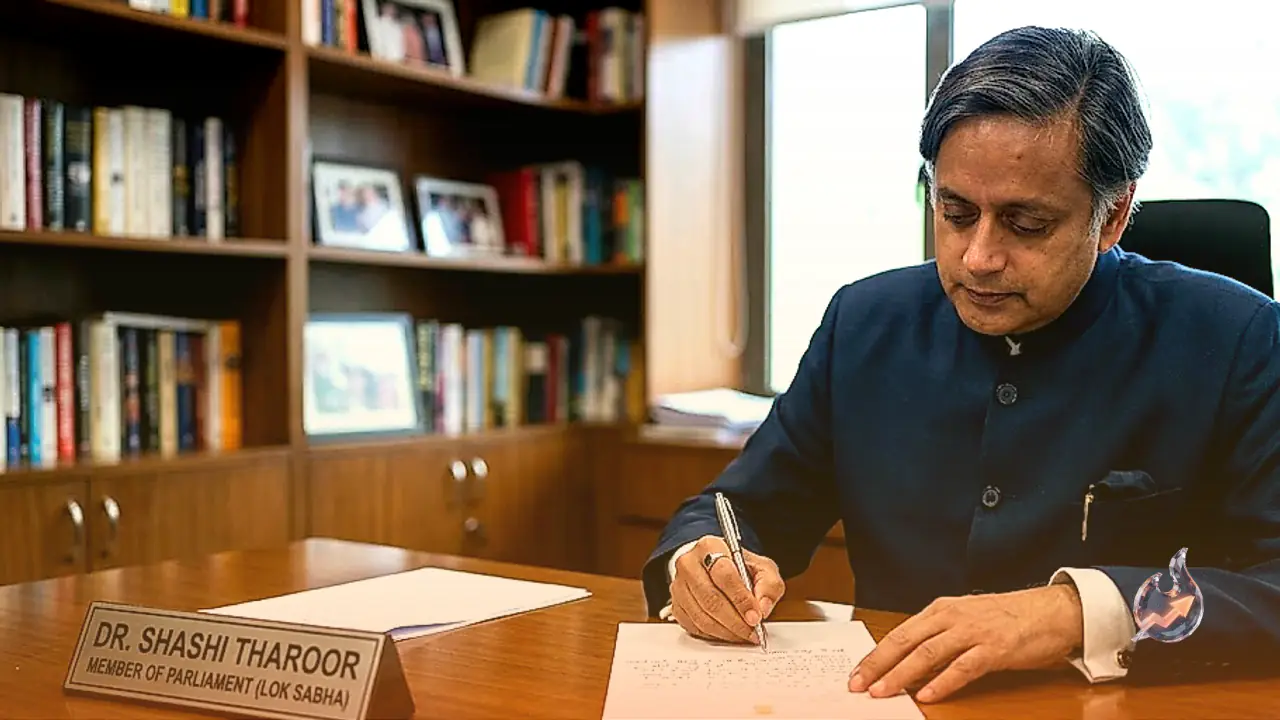

























India's push to get more women to deliver babies in hospitals has paid off, but a new health survey suggests that gain has come with an unexpected side effect: fewer mothers are exclusively breastfeeding their newborns than before. The gap has caught the attention of Shashi Tharoor, who flagged the trend on X and asked what it might actually signal about the state of maternal and infant care in the country.
What the new health survey shows
According to the latest NFHS-6 data cited by Tharoor, institutional deliveries, meaning births that take place in a hospital or a registered healthcare facility rather than at home, have climbed to 90.6% nationally. That is widely seen as a positive marker of maternal healthcare access, since hospital births generally come with trained staff, emergency backup and lower risk during complications. At the same time, the same data shows that exclusive breastfeeding, feeding an infant only breast milk with nothing else for the first six months of life, has fallen sharply among children under six months old, dropping from 63.7% to 55.8%.
A contradiction hiding in the numbers
Tharoor described this as a curious data point worth examining, because the two trends appear to be moving in opposite directions even though both are supposed to reflect improving maternal and child health. More women giving birth in hospitals should, in theory, also mean more access to lactation support, counselling and guidance on infant feeding immediately after delivery. Instead, the exclusive breastfeeding rate has dropped by almost eight percentage points, a shift that touches millions of newborns given the scale of births tracked in a national survey.
What Tharoor said
In his post, Tharoor called it
a curious data point, and what it might meanbefore laying out the two contrasting figures from the survey, framing it as a question for public health experts and policymakers to examine rather than offering his own explanation for the decline.
Public reaction
The post drew a wide range of responses, with many users describing exclusive breastfeeding as something that should be actively supported rather than left to decline, while others raised questions about maternal mental health, workplace pressures on new mothers and the need for better postnatal support systems. A section of replies also pushed back with questions about accountability in hospital deliveries and comparisons with state-level data, reflecting broader concern about how India's health system is handling mothers and infants together rather than treating the two outcomes separately.