























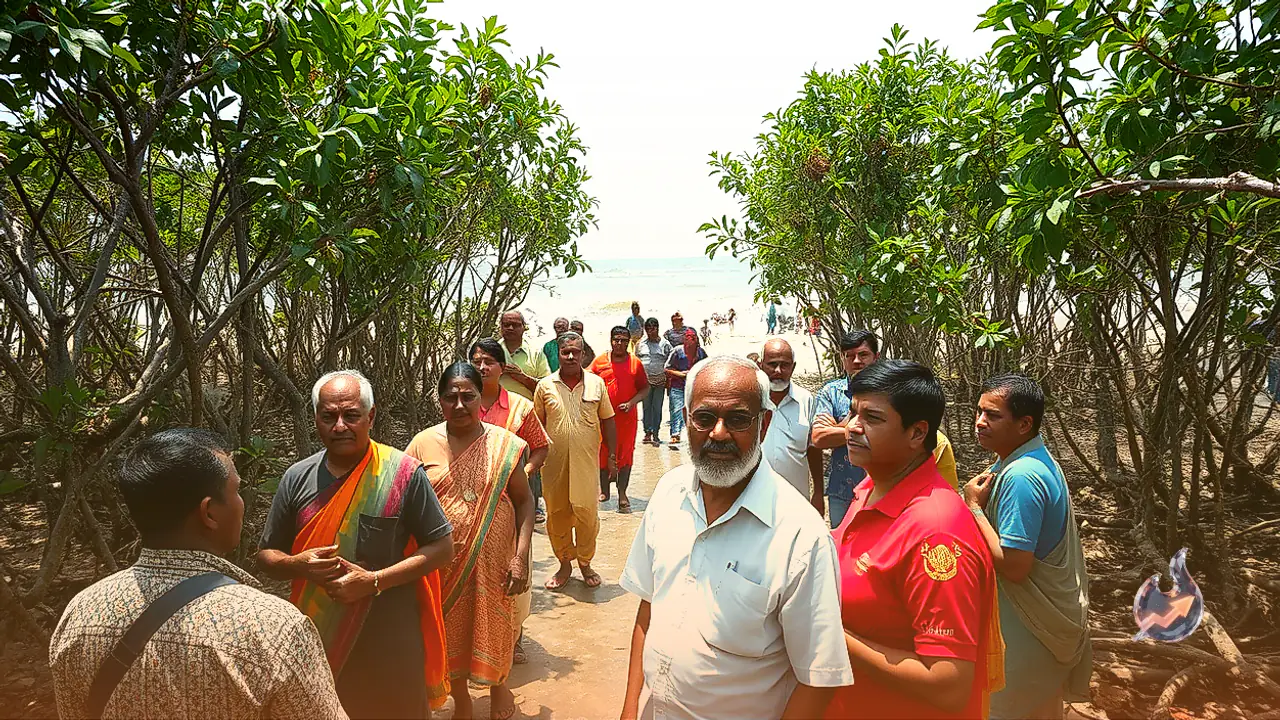

Coastal ecology serves as humanity's most resilient buffer against oceanic catastrophes, a reality vividly witnessed along the shores of Tamil Nadu. When monumental waves ravaged coastal communities during the 2004 disaster, the thick wetlands around Pichavaram stood resilient, preventing total destruction across adjoining settlements.
A Dense Green Barrier Against Massive Surges
Looking back at the catastrophic tidal waves of December 2004, Shashi Tharoor shared on social platform X how these coastal thickets served as a resilient barricade between violent surges and vulnerable habitations. This vegetative shield absorbed the energy of the oceanic deluge, safeguarding adjacent residents from widespread devastation.
Guardianship and Veneration Two Decades Later
Two decades after the calamity, coastal villagers continue to repay that ecological debt through active preservation. Having witnessed their protective power firsthand, the local populace honors the forest as a sacred deity, maintaining vigilant environmental stewardship. Communities across coastal districts regularly assemble to commemorate the catastrophe, offering floral tributes and honoring those who survived because of natural ecosystems.
Public Reaction
Online observers strongly resonated with the narrative, emphasizing that fostering native coastal vegetation offers far superior disaster resilience than man-made barriers and urging policy focus on wetland conservation.