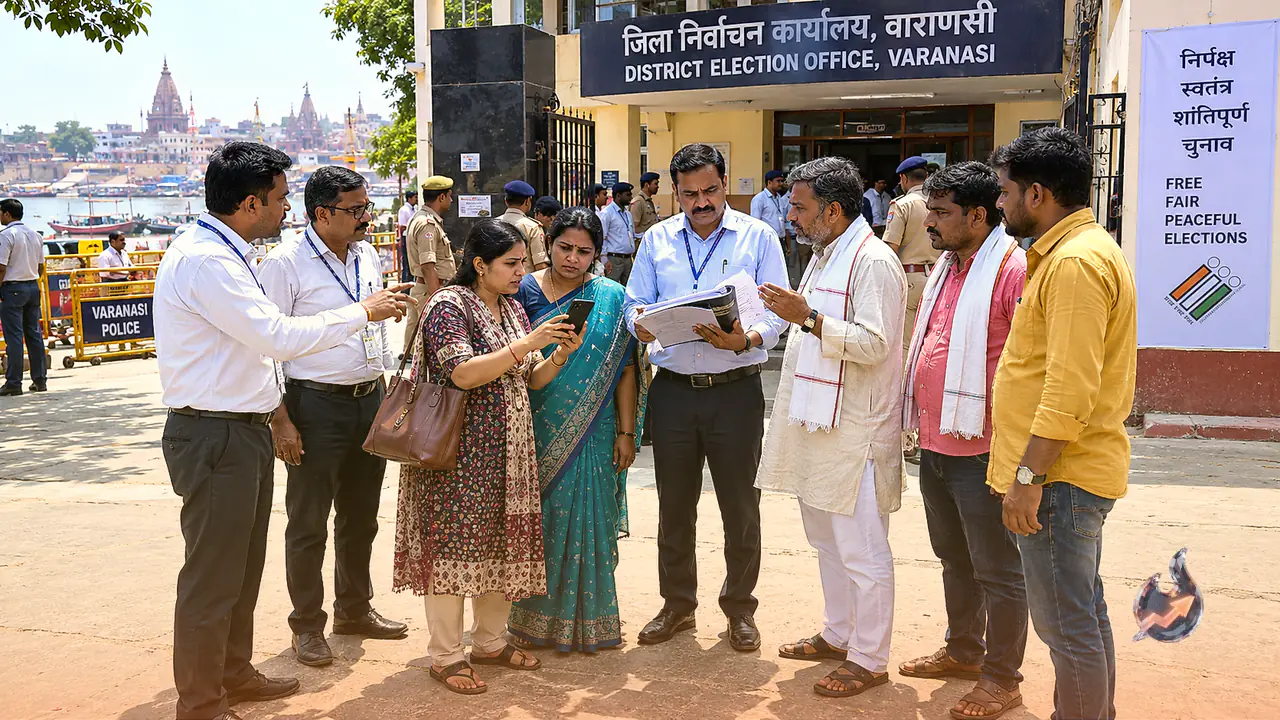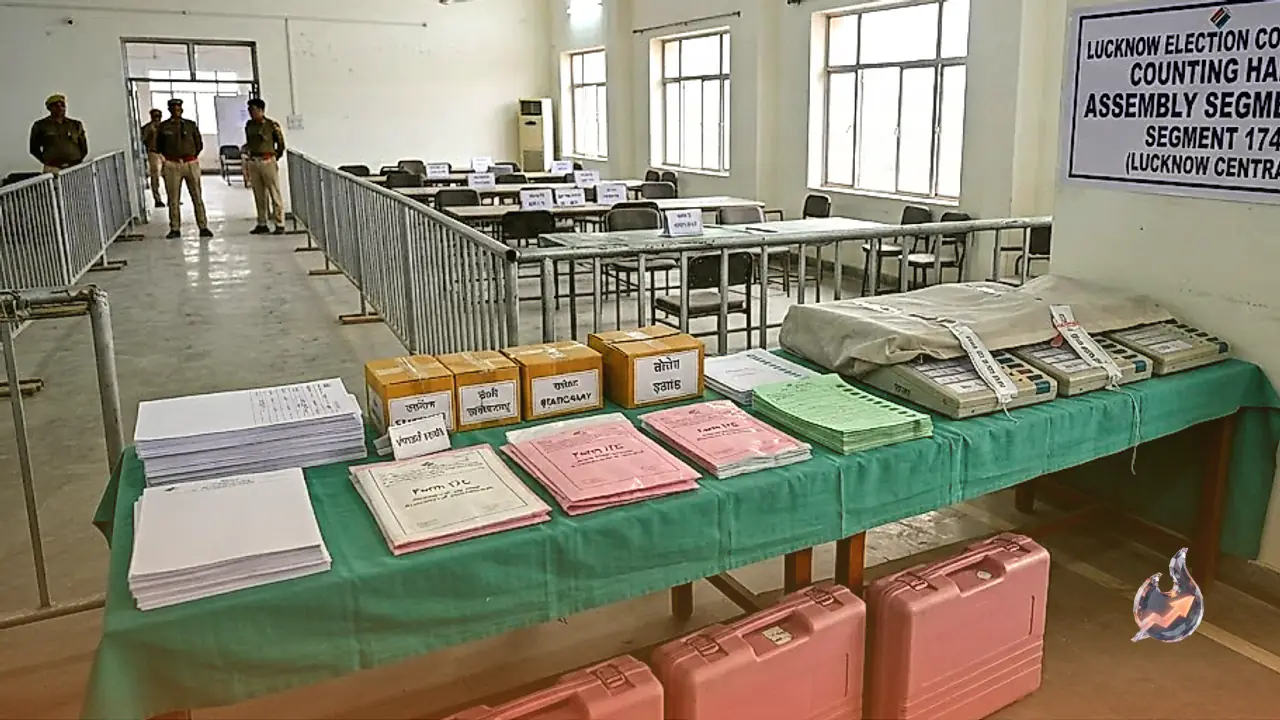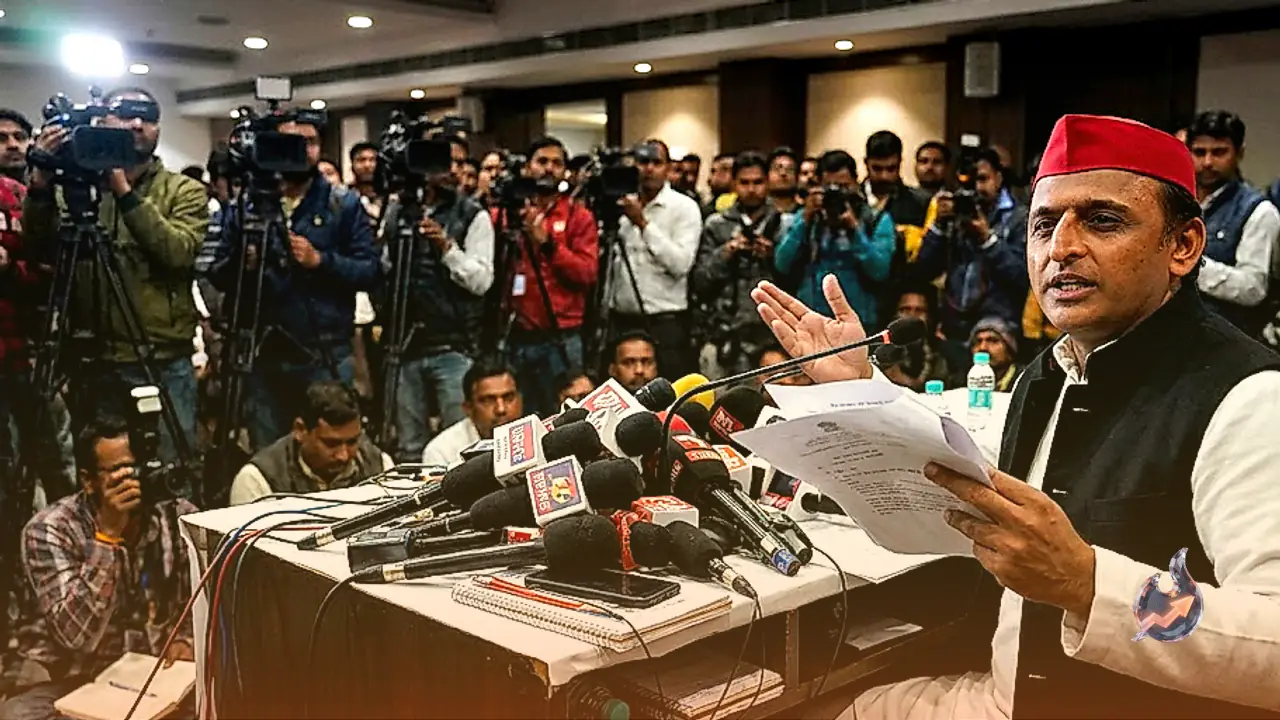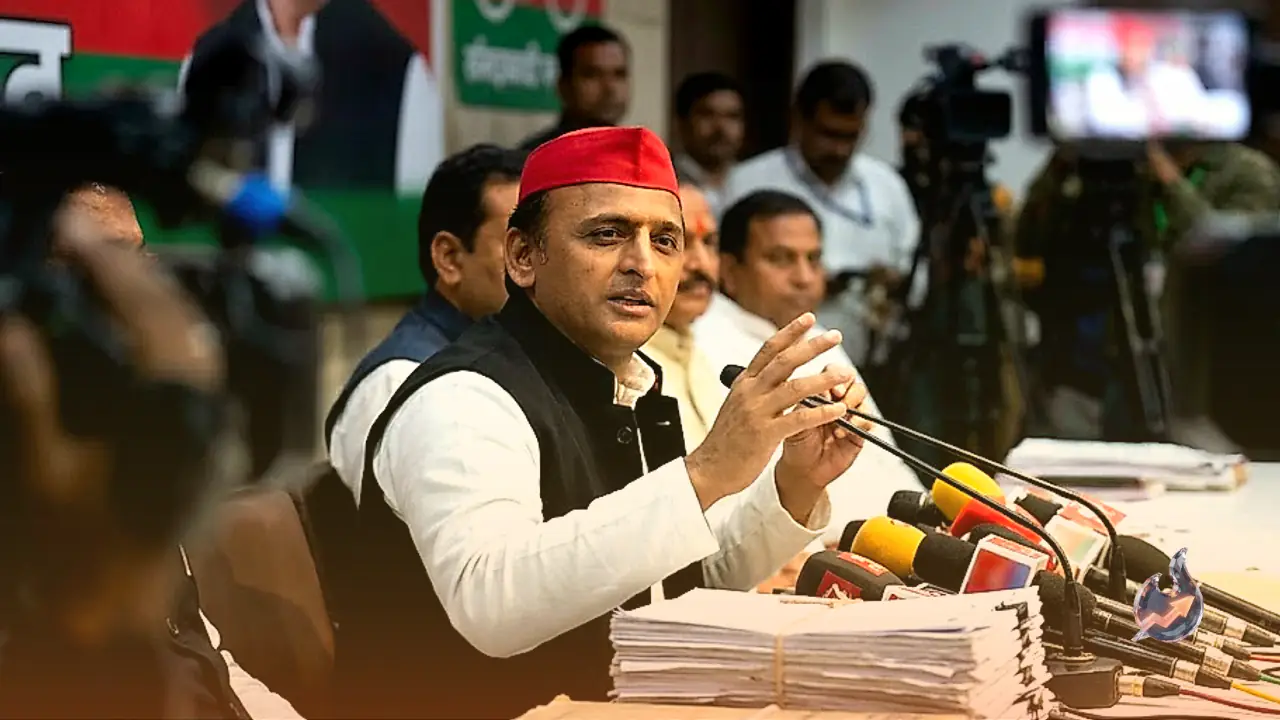
















Political friction over electoral rolls in Uttar Pradesh has intensified following statements concerning voter list revisions. Samajwadi Party leader Akhilesh Yadav addressed claims made by the state Chief Minister regarding the alleged removal of 1.27 crore Hindu voters from the state voter lists. He argued that the cited number reflects a calculated assessment of shrinking political support rather than an objective administrative finding.
Dissecting Election Numbers and Traditional Support Bases
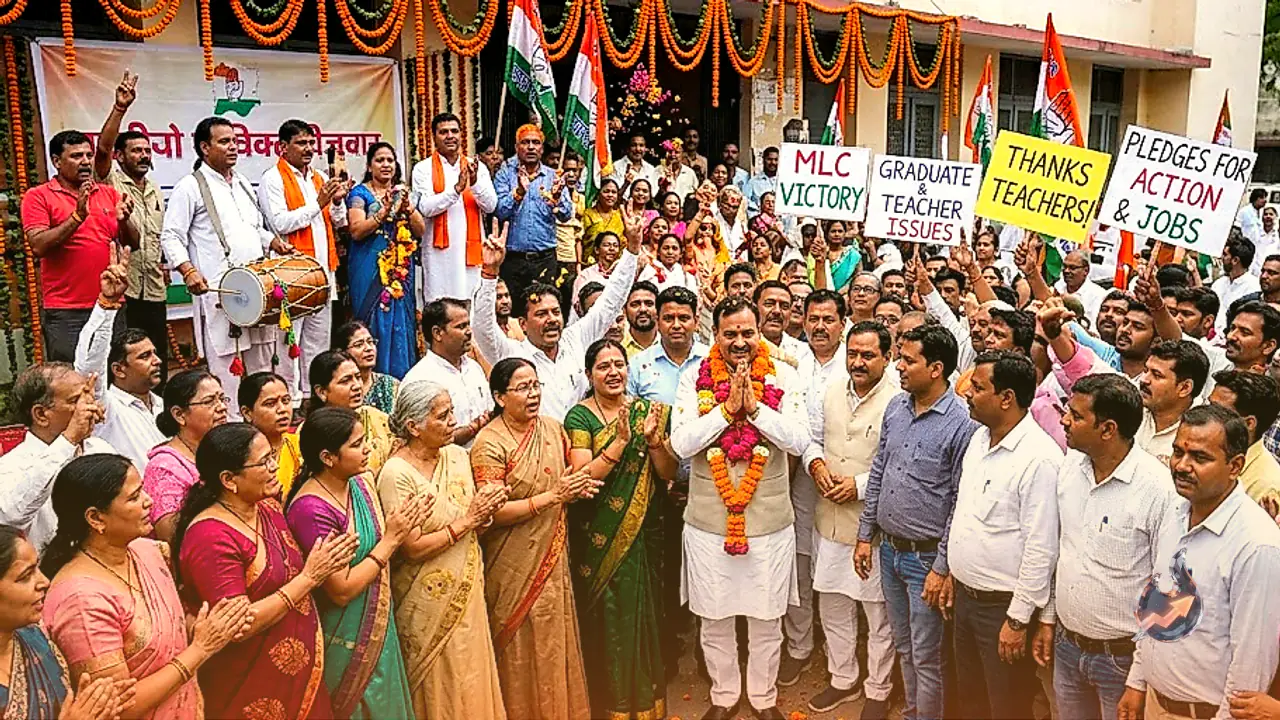
Akhilesh Yadav noted that the proportion of votes lost by the Bharatiya Janata Party during the Legislative Council (MLC) elections directly corresponds to the magnitude of the figure being cited. According to him, putting forward this 1.27 crore tally serves as an implicit acknowledgment that the ruling formation has lost ground among approximately 1.27 crore of its traditional voters. He maintained that this statistical claim is tied directly to vote share erosion observed during recent council polling.
Broader Administrative and Governance Context
While arguments over electoral lists dominate political discourse, the state administration under Chief Minister Yogi Adityanath has highlighted its governance standards and welfare distribution. In recent pronouncements, the Chief Minister warned that individuals attempting to compromise government recruitment drives would face imprisonment and asset confiscation. Alongside recruitment crackdowns, the administration maintains that social welfare schemes, including the Mukhyamantri Samuhik Vivah initiative managed by the Social Welfare Department, are actively reaching intended beneficiaries across the state. The political discussion thus alternates between opposition charges regarding voter counts and official focus on policy execution.
About Uttar Pradesh
Uttar Pradesh is the most populous state in India and ranks fourth nationwide in terms of geographical area. Lucknow serves as its administrative and legislative capital, while Prayagraj acts as its judicial headquarters. Other major urban centers include Agra, Kanpur, Varanasi, and Gorakhpur. The state shares borders with Uttarakhand and Himachal Pradesh along with the country of Nepal to the north, Haryana, Delhi, and Rajasthan to the west, Madhya Pradesh and Chhattisgarh to the south, and Bihar and Jharkhand to the east.
Public Reaction
The remarks drew varied responses across social platforms. A segment of the public voiced agreement with the questions raised concerning voting integrity and electoral preparation, while other commentators questioned the track record of opposition leadership and viewed the statement as standard political maneuvering ahead of future electoral cycles.