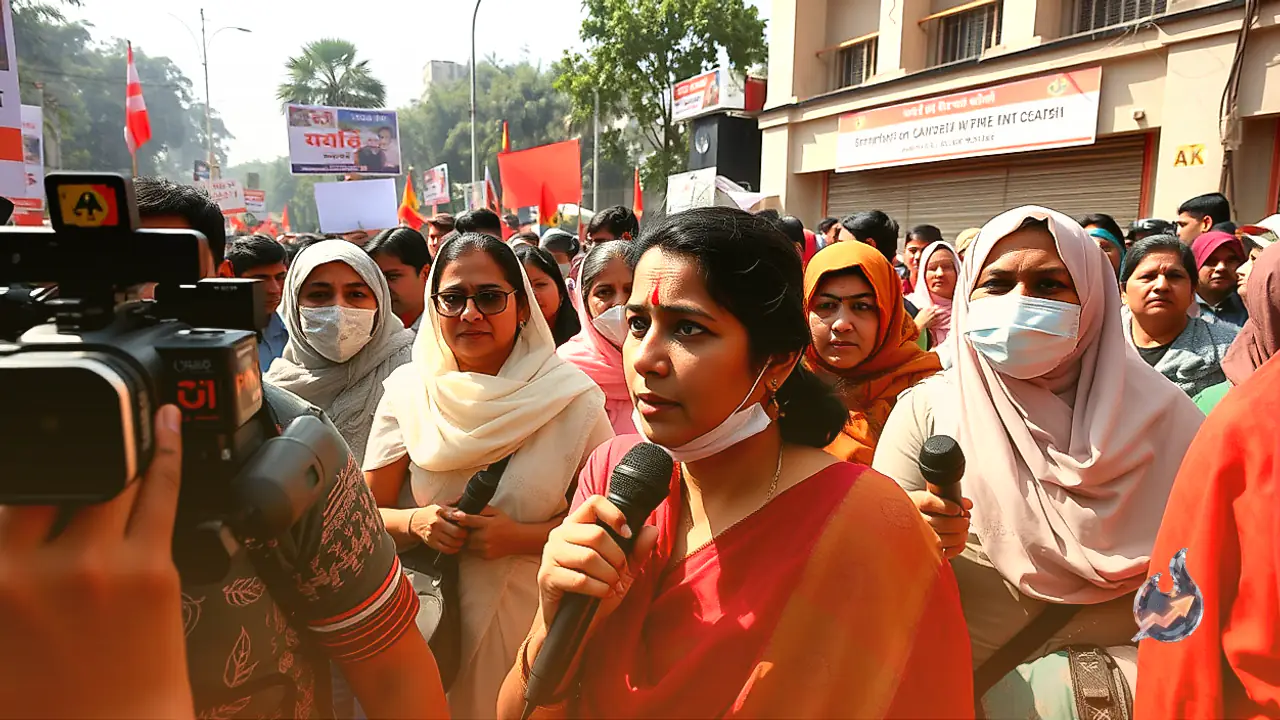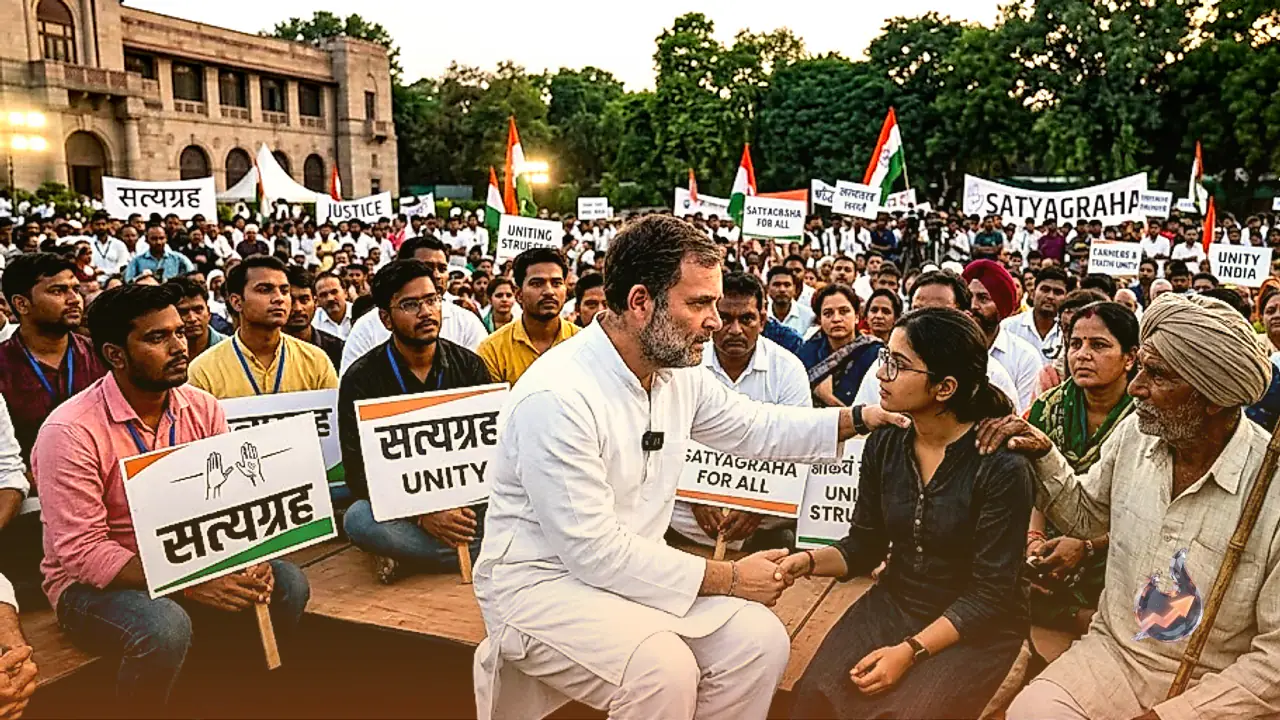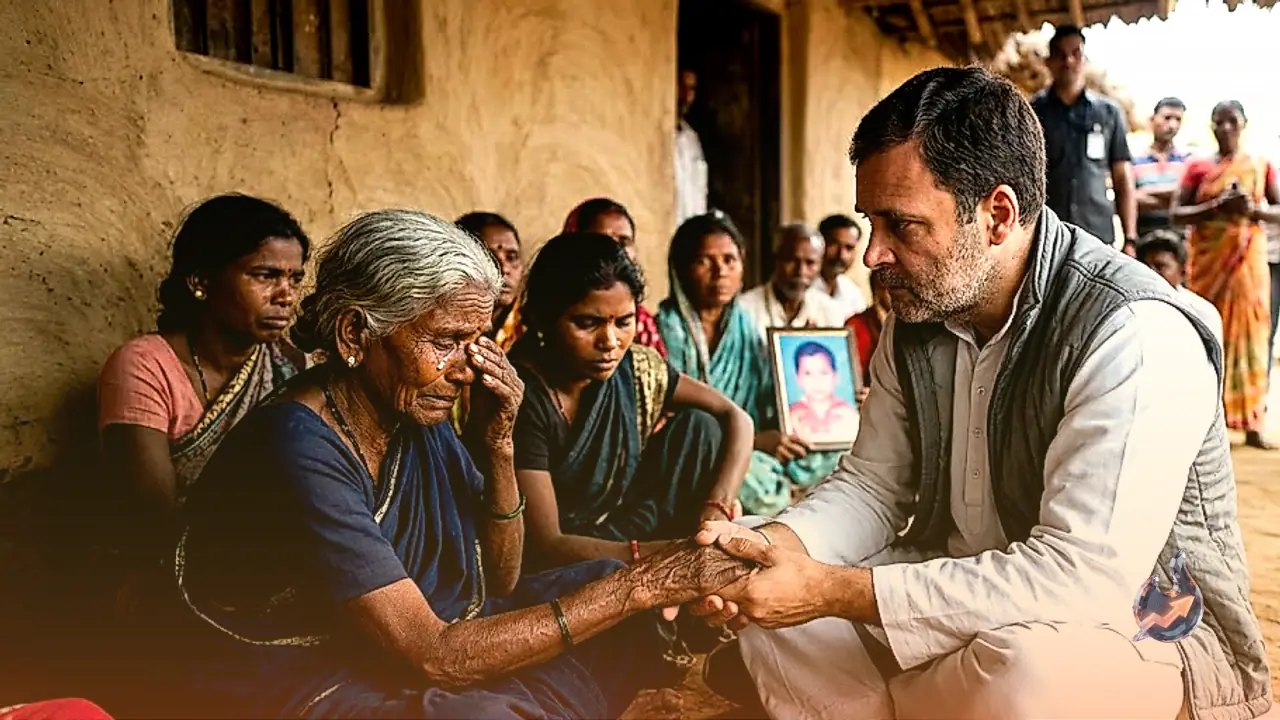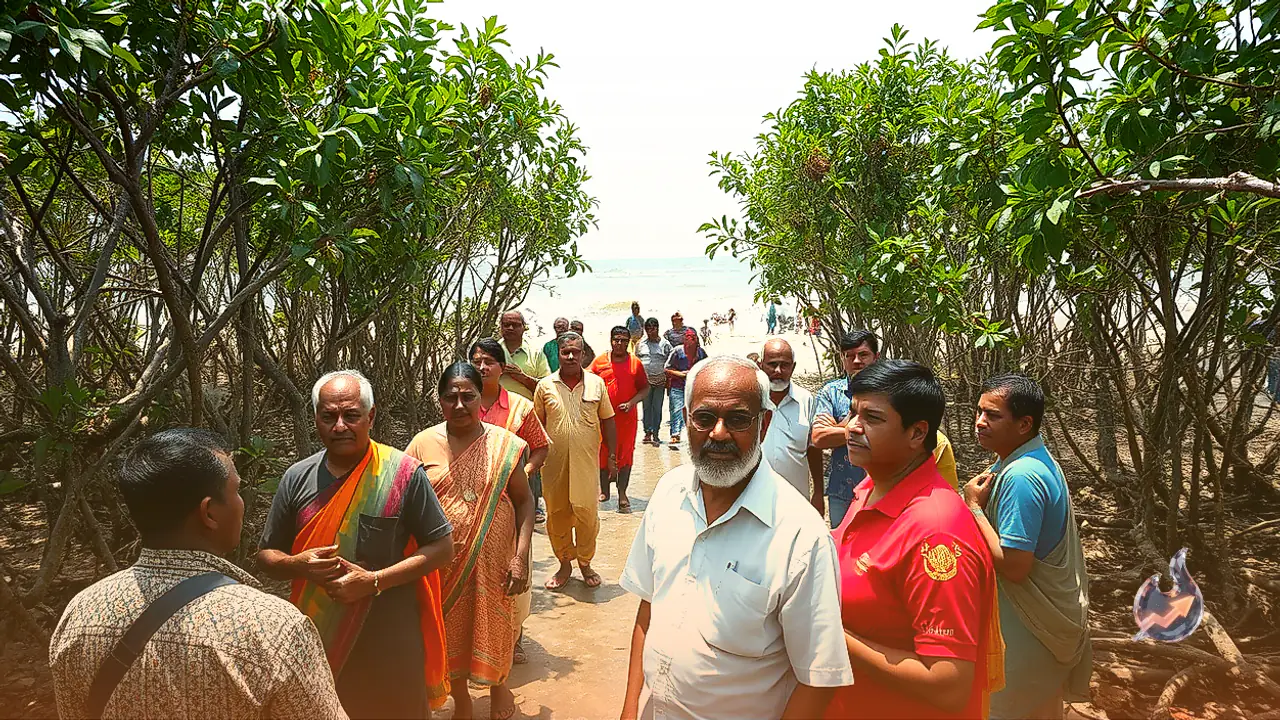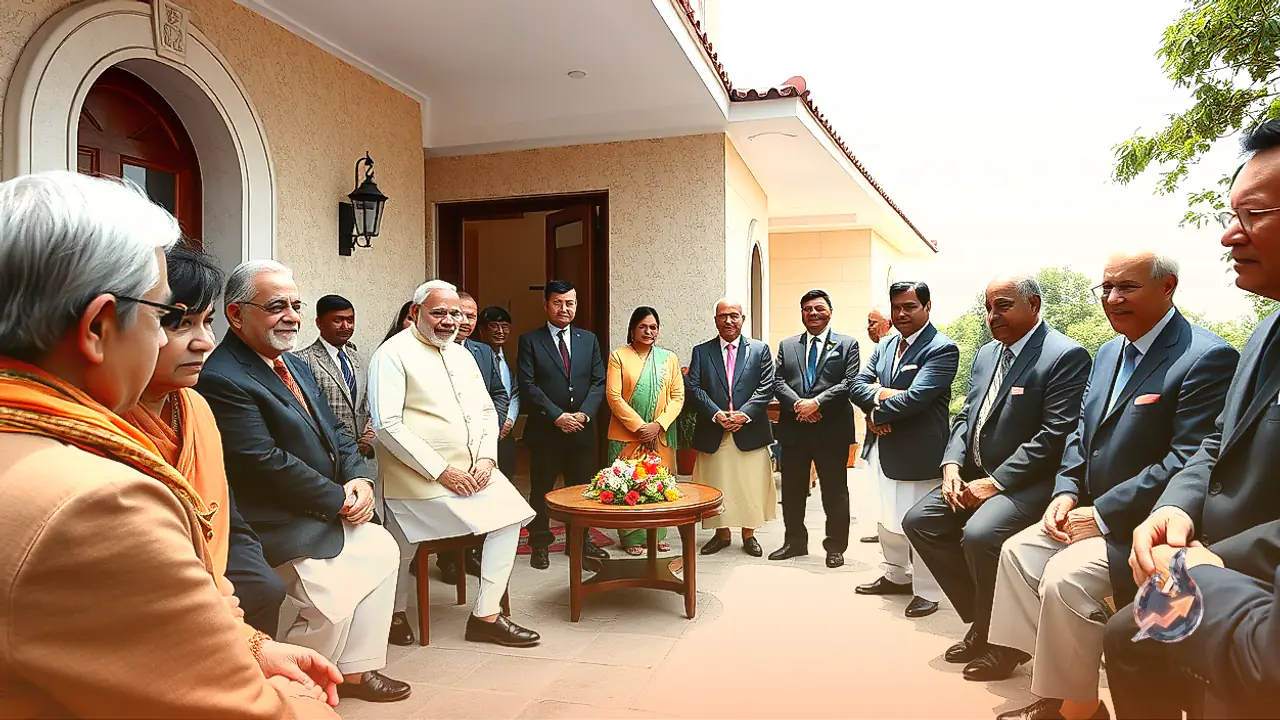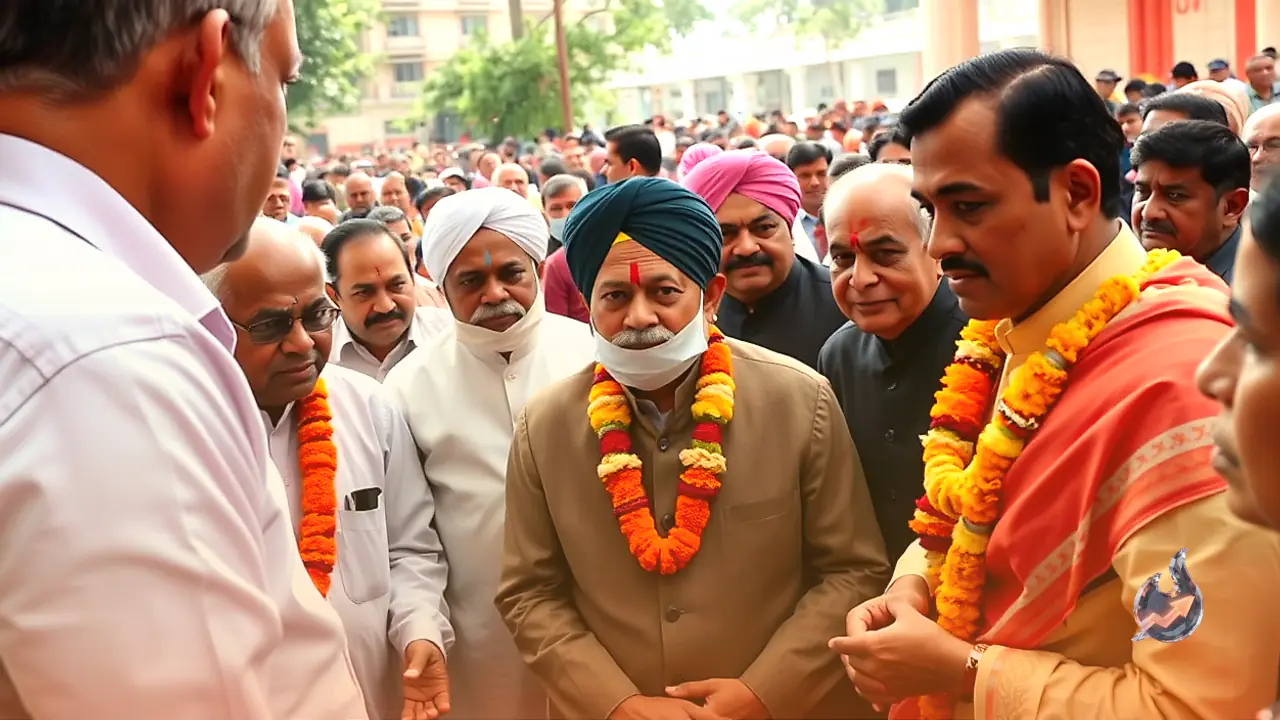

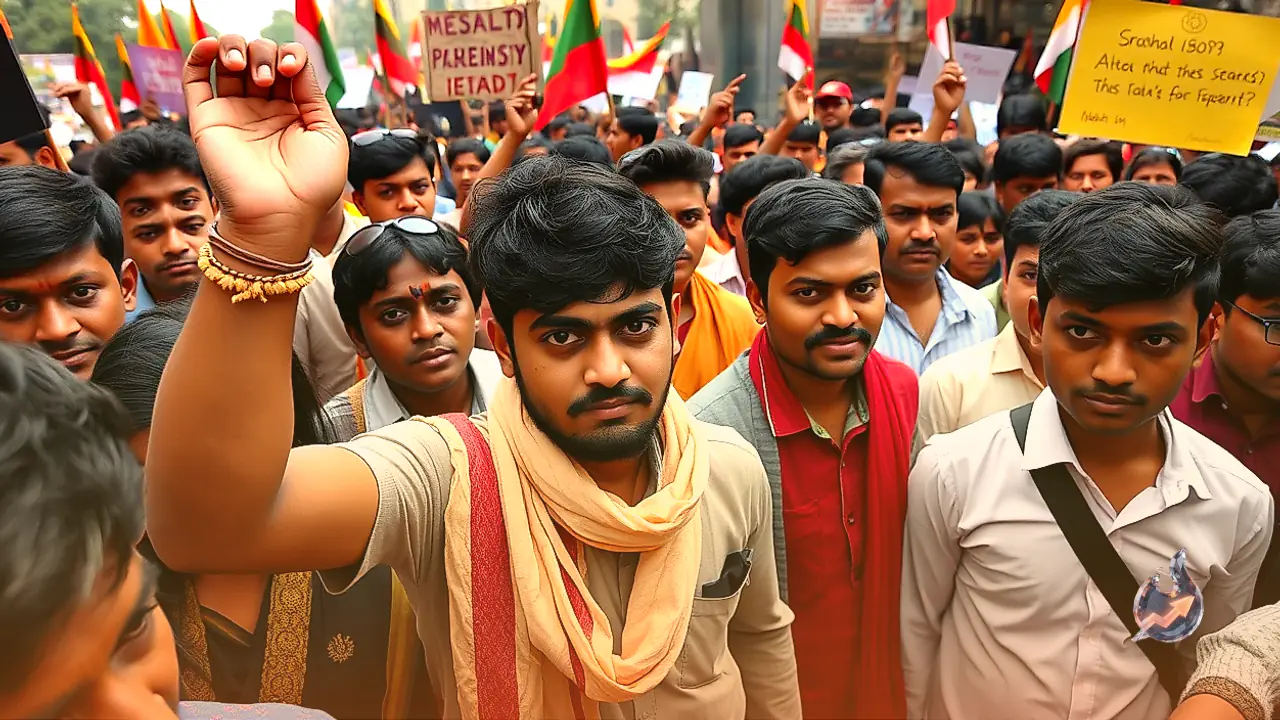















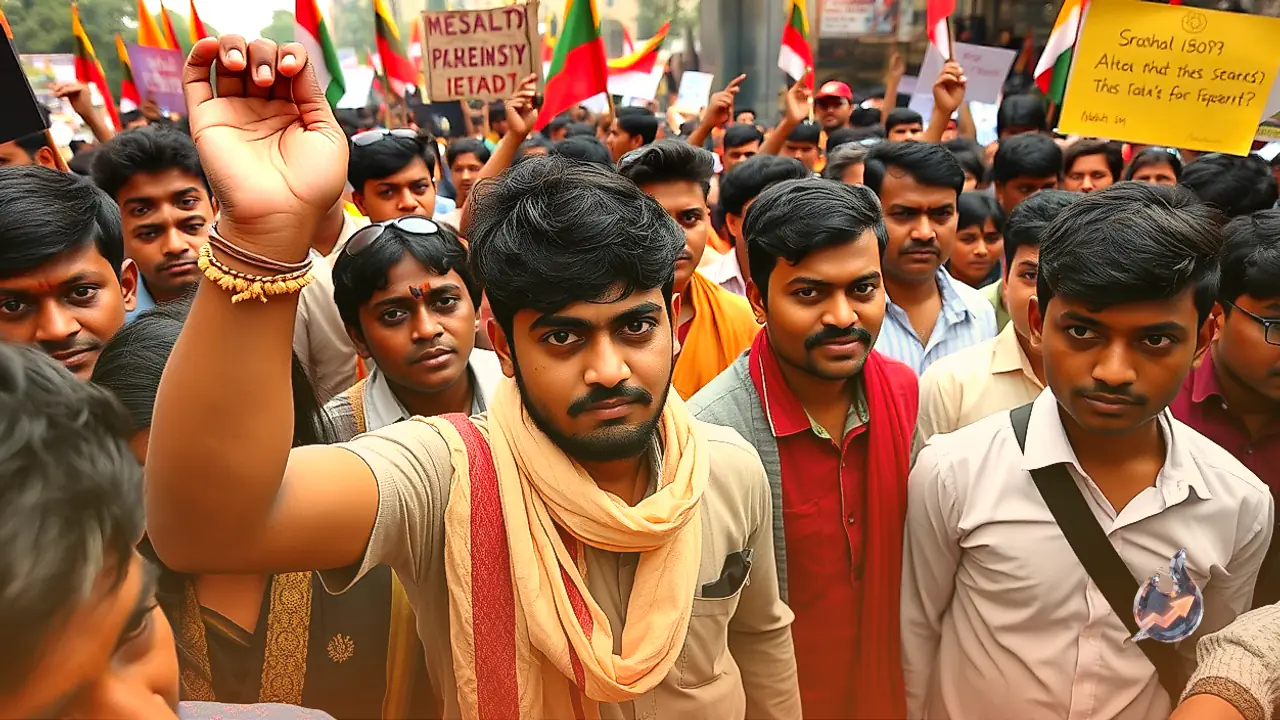

The arrival of tribal students in Mumbai demanding prompt scholarship disbursals and improved hostel facilities has intensified the political debate in Maharashtra. Taking to social media platform X, Rahul Gandhi stated that students across the state are bearing the brunt of the Fadnavis administration's education system and administrative apathy. He noted that young people had travelled across long distances, some on foot and others by bus, merely to place their essential demands before the state authorities.
Core Demands of the Protesting Tribal Students
The demonstrating students have highlighted that their grievances pertain to elementary educational rights rather than extraordinary privileges. A major focus of their charter is the state of government-run tribal ashram schools and residential hostels, where they report severe shortages of basic amenities, hygienic living conditions, and quality meals. Alongside hostel infrastructure, students are demanding the prompt and uninterrupted disbursement of educational scholarships, which are vital for students from economically weaker backgrounds to continue their schooling and college studies.
Rahul Gandhi Questions Government Approach
Criticising the governance framework in the state, Rahul Gandhi pointed out that students should never have been compelled to march to the state capital for fundamental necessities. He stressed that access to a dignified learning environment and financial backing through scholarships is every child's rightful entitlement. Gandhi maintained that the youth are determined to stand firm for their educational future, asserting that democratic administrations must address the pressing concerns of students rather than ignoring their struggles.
From the Pune Hunger Strikes to Mumbai Demonstrations
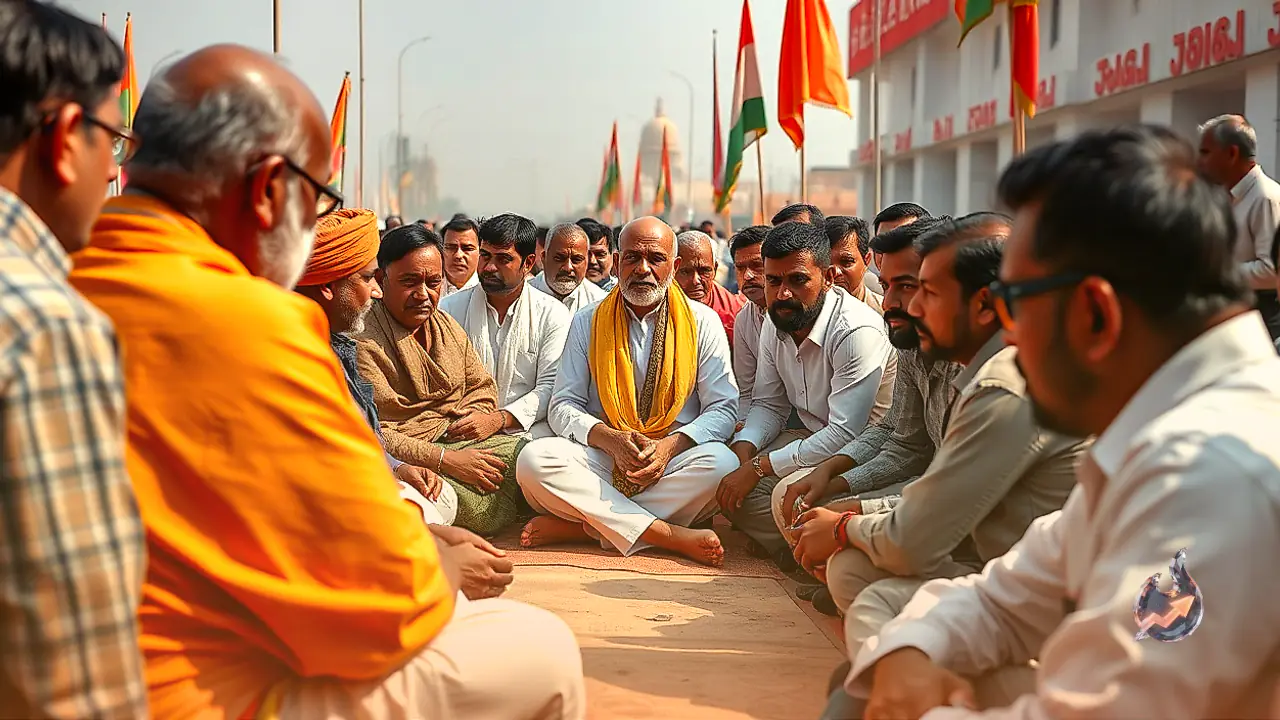
The student unrest in Maharashtra has been gathering momentum over recent weeks. In Pune, tribal candidates previously staged extended hunger strikes lasting from 10 to 16 consecutive days regarding recruitment criteria, service conditions, and residential facilities. During that demonstration, Rahul Gandhi had written an official letter to Chief Minister Devendra Fadnavis urging him to personally meet the fasting students and resolve their grievances. Although discussions and adjustments surrounding age limits took place, persistent dissatisfaction over welfare schemes and living standards has now brought the demonstrations directly to Mumbai.
Wider Debates Over Education and Recruitment in Maharashtra
The agitation occurs amid several broader institutional developments concerning students across Maharashtra. While Chief Minister Fadnavis recently formed a high-level committee to resolve bottlenecks in government recruitment examinations, debates have also resurfaced regarding the restart of college student council elections, which have remained stalled for 37 years. Furthermore, opposition groups have repeatedly raised concerns regarding overall education administration, previously demanding the resignation of Education Minister Dada Bhuse and warning of widespread agitations across the state.
About Maharashtra
Maharashtra is situated in the western peninsular region of India and ranks among the nation's wealthiest and most economically influential states. Originating from Sanskrit roots signifying a great realm, the region's name reflects its rich historical heritage shaped by revered saints. The state capital, Mumbai, serves as India's largest metropolis and financial engine, while Pune stands prominently as the country's sixth-largest urban centre.
Public Reaction
The controversy has generated extensive public discussion across social media and civic platforms. Numerous citizens expressed solidarity with the protesting students, urging authorities to swiftly improve conditions in ashram schools and hostels, while others debated the political motivations behind the opposition's ongoing interventions in state policy matters.