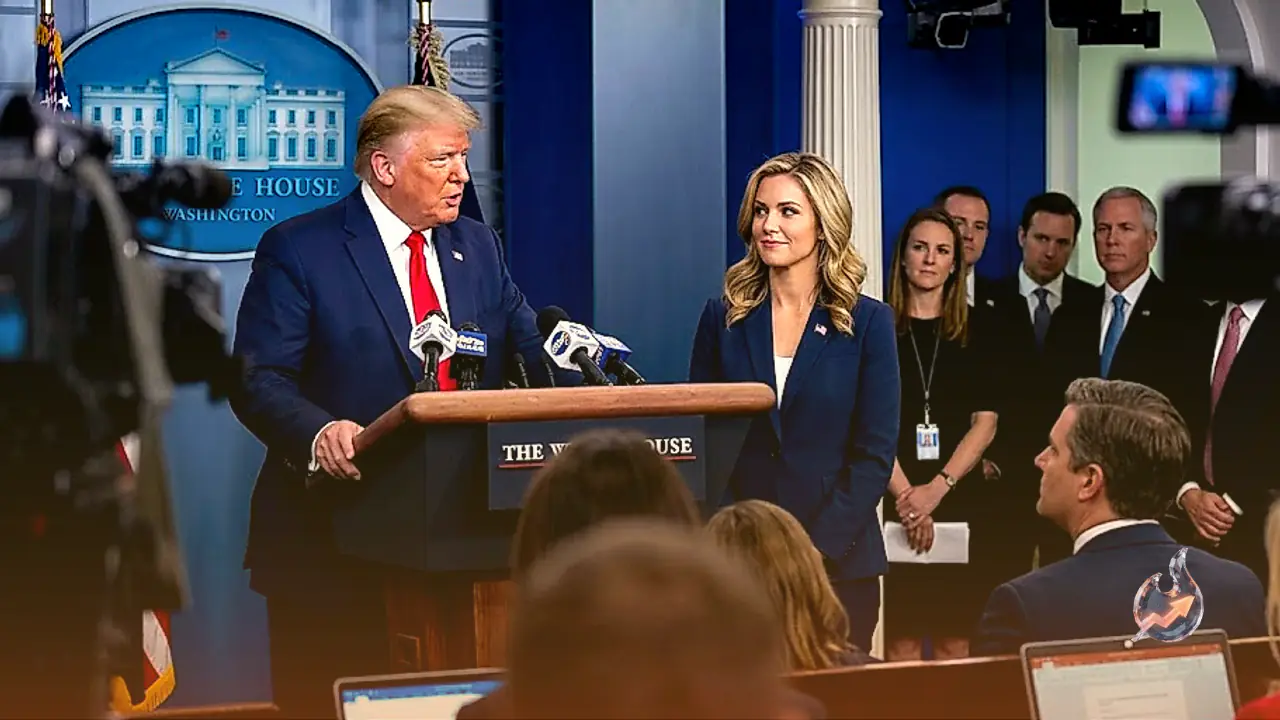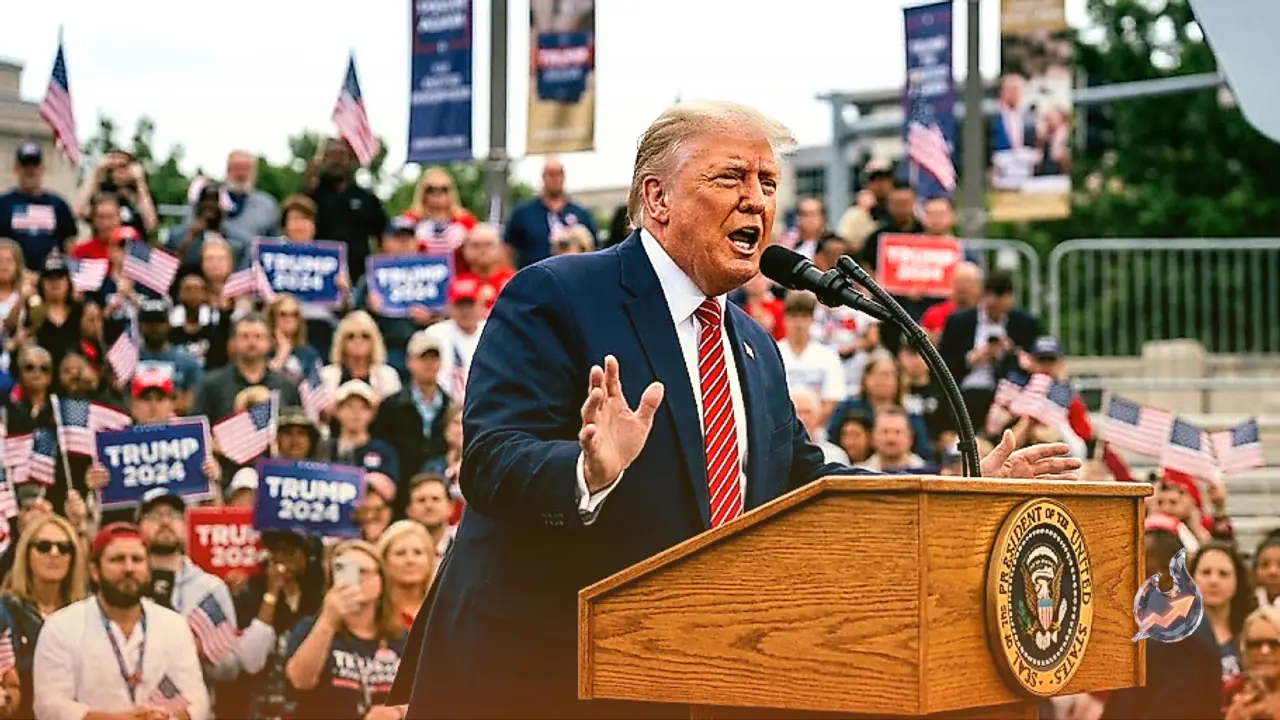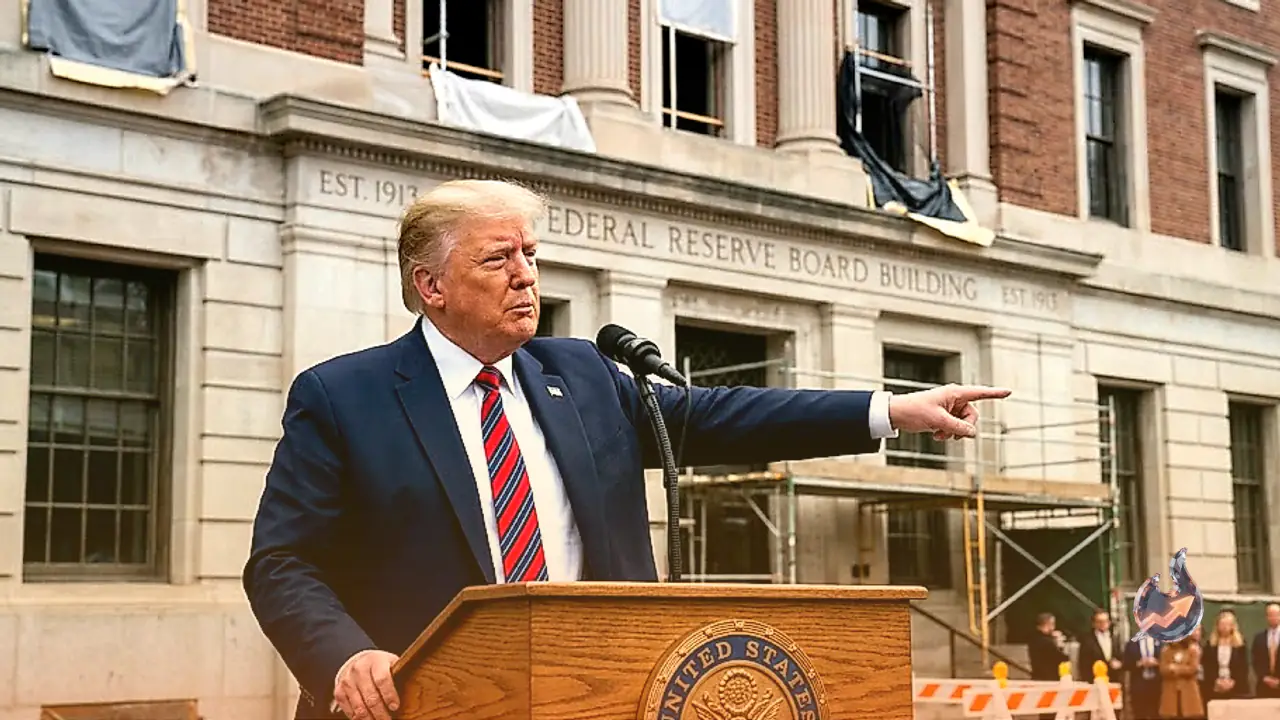



















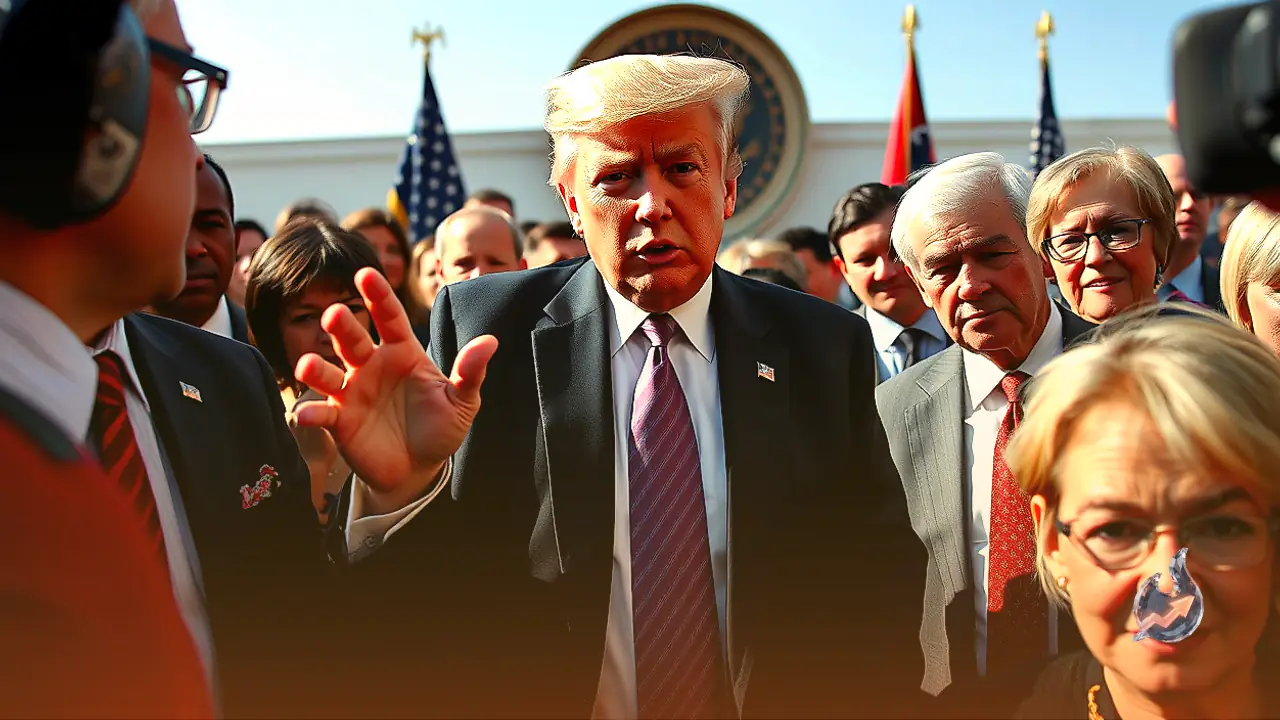

International diplomatic discourse witnessed a sharp escalation following the formal announcement of the 2026 Nobel Peace Prize. Navanethem Navi Pillay, the Durban-born former United Nations human rights high commissioner and anti-apartheid legal pioneer, was awarded the world's most prestigious peace honour in Norway. The Norwegian Nobel Committee's decision drew an aggressive and immediate public rebuke from Donald Trump, who took to Truth Social to publish an expansive statement condemning the selection and asserting that the recognition rightfully belonged to him for brokering multiple historic peace agreements.
What Donald Trump Said
In his social media dispatch, Trump expressed strong indignation over the committee's choice of honoree, questioning the global visibility and record of the laureate. Suggesting that the prize bypassed decisive achievements in resolving global warfare, Trump stated, "I know nothing about this woman, and neither does anyone else!" He went on to allege that the outcome reflected ideological bias rather than an objective assessment of substantial international diplomacy.
The Claim of Resolving Eight Wars
Setting out his diplomatic portfolio, Trump maintained that he directly resolved eight separate international wars and that leadership figures from the involved nations had formally petitioned the Norwegian Nobel Committee in his favor. He argued that successfully mitigating even a single confrontation between rival states would ordinarily fulfill the benchmark for the Nobel Prize, whereas his tenure encompassed numerous reconciliations.
Trump explicitly catalogued the eight distinct conflicts he claims to have settled: Cambodia and Thailand, Kosovo and Serbia, the Democratic Republic of the Congo and Rwanda, Pakistan and India, Israel and Iran, Egypt and Ethiopia, Armenia and Azerbaijan, as well as Israel and Hamas. Based on this account, he asserted that he should have received eight Nobel Peace Prizes rather than one. Furthermore, he noted that diplomatic efforts involving Iran as well as the ongoing conflict between Russia and Ukraine were moving at rapid speed toward resolution.
Foreign Policy Records and Hostage Negotiations
Trump expanded his argument by pointing to several concrete security outcomes from his foreign engagements. He claimed that his administration halted Iran from acquiring a nuclear weapon, preventing widespread destabilization across the Middle East. He also highlighted securing the return of all hostages held in Israel, including the final 28 living and deceased captives, noting that direct coordination with Hamas facilitated an outcome few anticipated.
Regarding Latin America, Trump pointed to the removal of Nicolas Maduro from Venezuela and ongoing efforts to foster an economically vibrant democracy there. In the Indo-Pacific, he cited his deterrent posture for preventing armed confrontations between South Korea and North Korea, Japan and North Korea, and China and Taiwan. On multilateral defense, Trump stated that his insistence prompted NATO member states to elevate defense spending thresholds from 2% to 5% of national GDP. He additionally cited securing the repatriation of over 900 political prisoners from Eastern European states and freeing 196 captives worldwide without ransoms, contrasted against previous administrations.
Navi Pillay's Milestone and the Global Reaction
Born the daughter of a bus driver in Durban, South Africa, Judge Navi Pillay built a distinguished international career confronting systemic oppression, serving on international criminal tribunals, and heading global human rights mandates. United Nations residual mechanisms formally congratulated Pillay upon the announcement of her award in Norway. Trump concluded his statement by describing the award decision as a permanent mark against Norway, insisting that United Nations bodies offered no meaningful contribution during his own conflict resolution initiatives.